
As the world of tech continues to evolve, smart rings are gradually gaining traction as a popular wearable device. From being a niche product, they are now making their way into the mainstream. Let’s delve into the rise of these devices, their key features, and whether it’s time to consider making the switch.
Understanding the Rise of Smart Rings
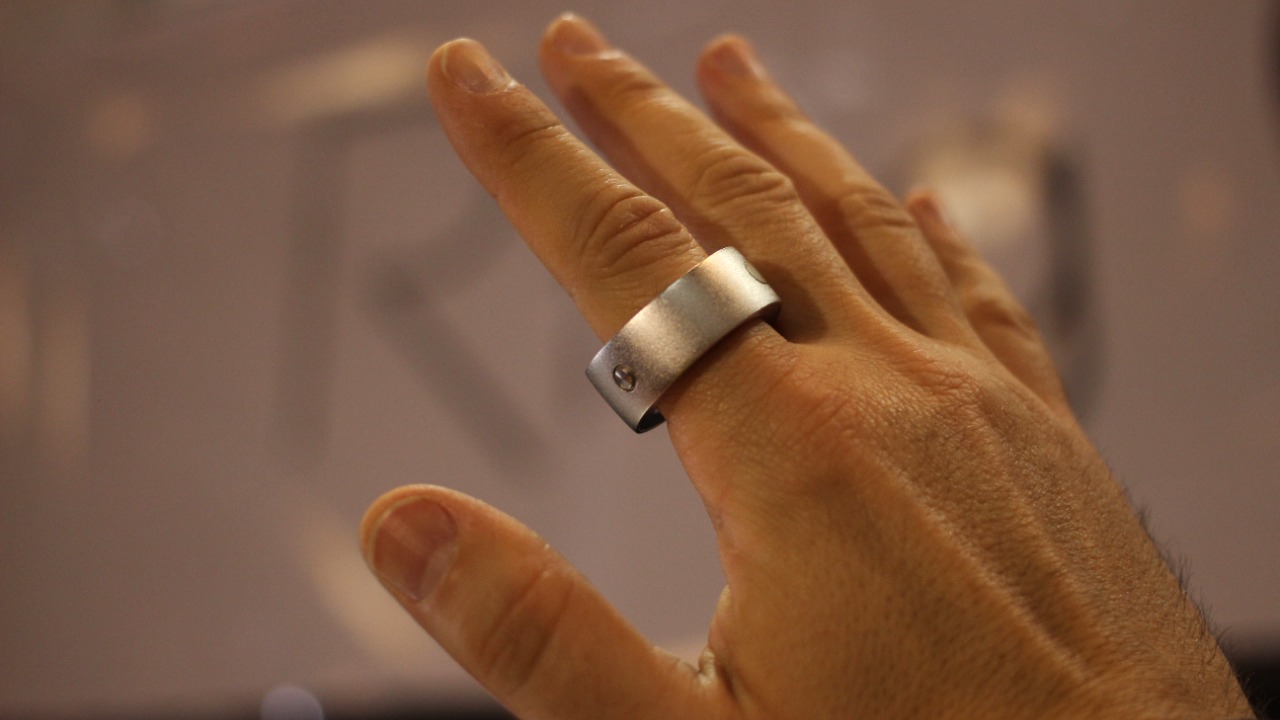
Smart rings were initially introduced as niche gadgets, but they have evolved into mainstream accessories over the years. Their evolution has been driven by advancements in technology, which have allowed for the miniaturization of components without compromising the functionality. Samsung’s Galaxy Ring Revolution is a classic example of this evolution, demonstrating the potential of smart rings as a mainstream accessory.
Several factors have contributed to the growing popularity of smart rings. For one, they provide a unique blend of style and functionality, appealing to tech-savvy consumers who value both aesthetics and utility. Moreover, the growing trend of wearable technology has also played a significant role in their rise, with consumers increasingly seeking gadgets that seamlessly integrate with their daily lives.
Features and Functionality of Smart Rings
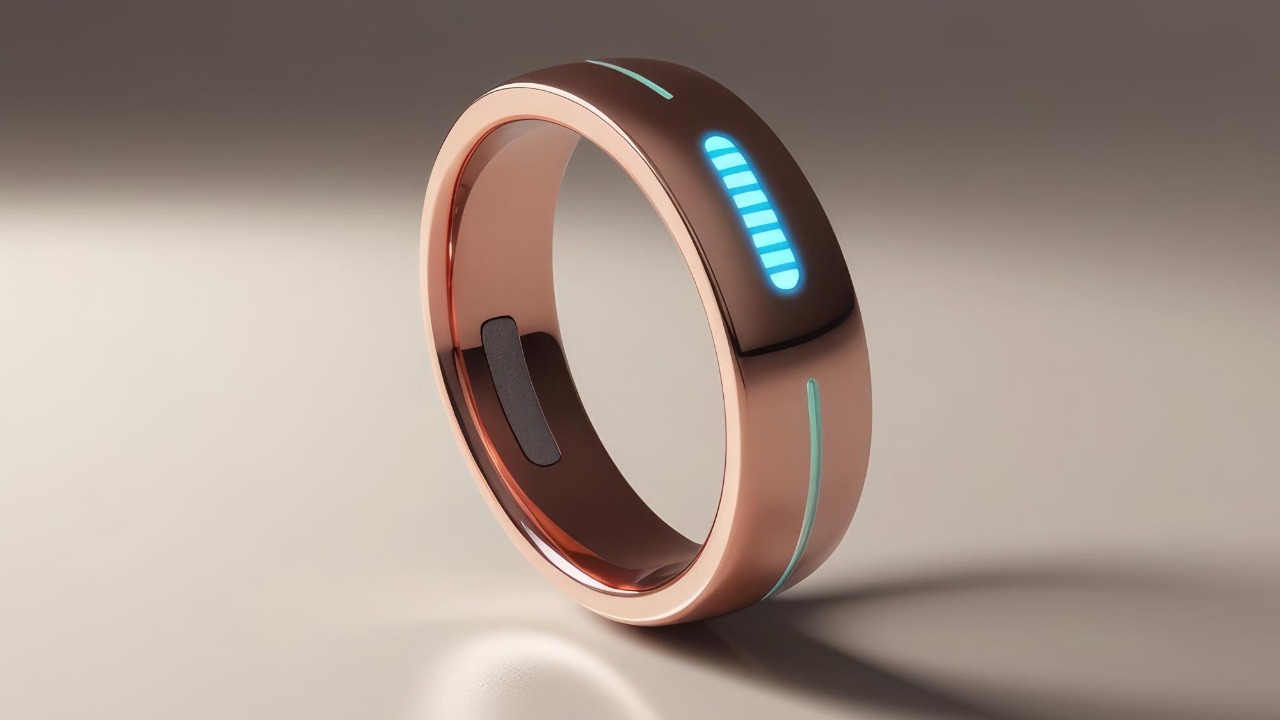
Smart rings come with a range of features that make them a compelling choice for many. Health tracking, for instance, is a common feature found in many smart rings. These devices can monitor heart rate, sleep patterns, and even stress levels, providing valuable insights into one’s health. Additionally, they offer connectivity features, allowing users to control smart home devices, receive notifications, and even make payments.
Leading models like the Huawei Ring 2025 offer even more advanced features. This futuristic device reportedly provides AI-powered health tracking, gesture control, and even holographic display. Such innovations not only showcase the technological prowess of smart rings but also indicate the direction in which the industry is heading.
Smart Rings vs. Traditional Wearables
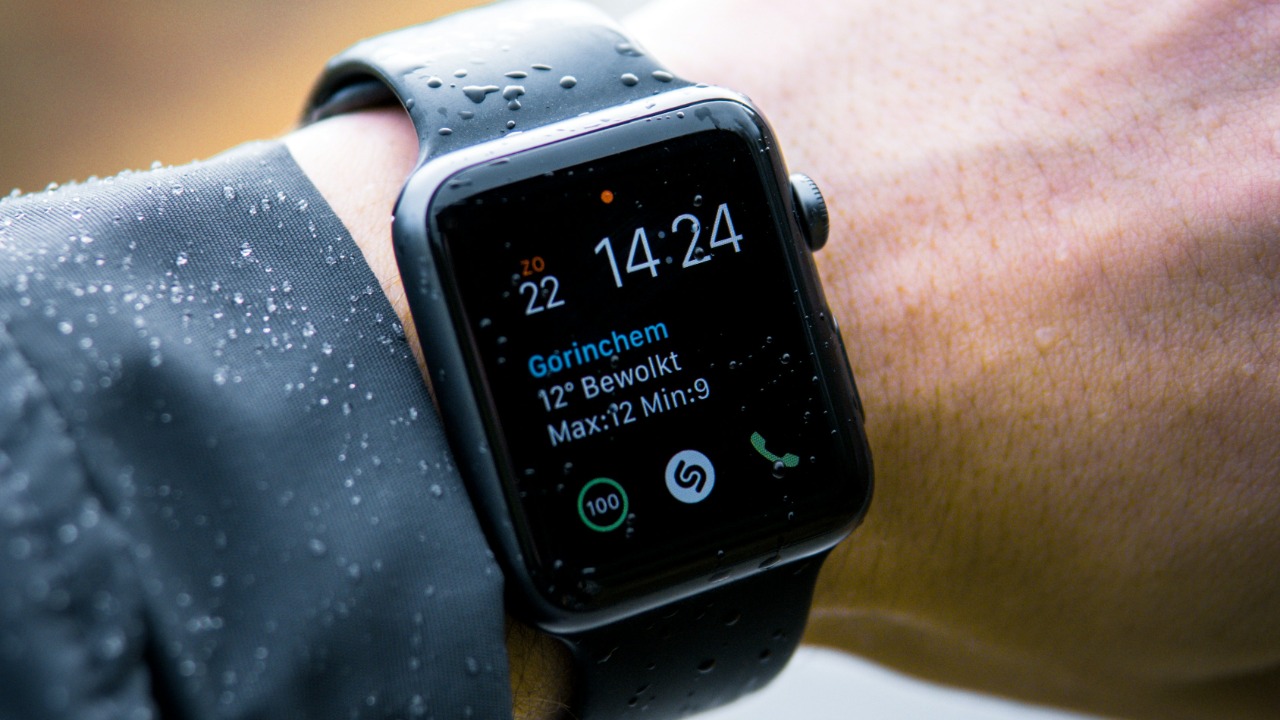
Smart rings are often compared with traditional wearables like smartwatches and fitness bands. While these devices may have overlapping functionalities, smart rings offer unique advantages. Their compact size, for instance, makes them less obtrusive than smartwatches, which can be bulky for some users. Moreover, smart rings are typically more discreet, allowing users to benefit from technology without drawing unnecessary attention.
According to Android Police, smart rings also have the potential to compete with traditional wearables in terms of functionality. With advancements in technology, smart rings are becoming capable of offering the same features as smartwatches and fitness bands, while providing a more comfortable and stylish alternative.
Assessing the Practicality and Usability of Smart Rings
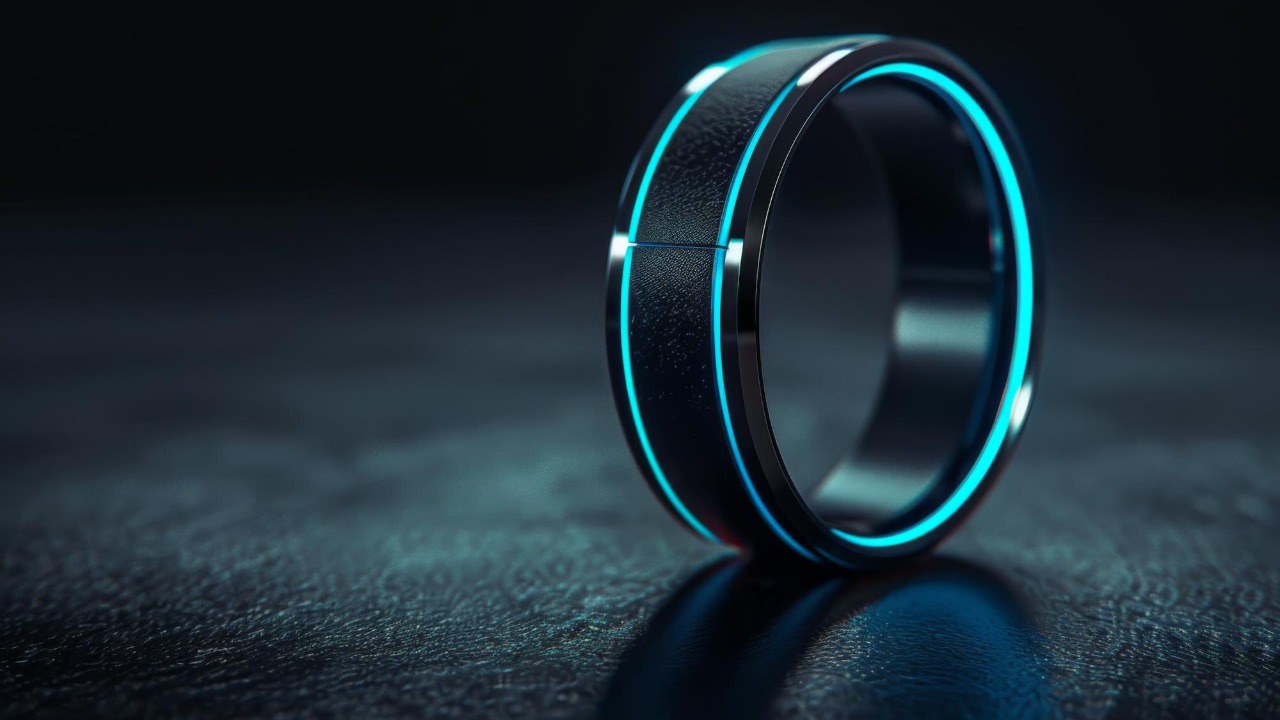
Smart rings can be incredibly practical in daily life. They can be used to unlock doors, pay for purchases, and even control smart home devices. The convenience of having these functionalities at one’s fingertips cannot be overstated. However, like any technology, smart rings are not without their limitations.
Research from ACM suggests that while smart rings offer numerous advantages, their small size can limit their usability. For instance, smart rings often lack a large display, making it difficult for users to interact with the device or view detailed information. Moreover, battery life can be a concern due to the limited space for a large battery.
Should You Switch to a Smart Ring?
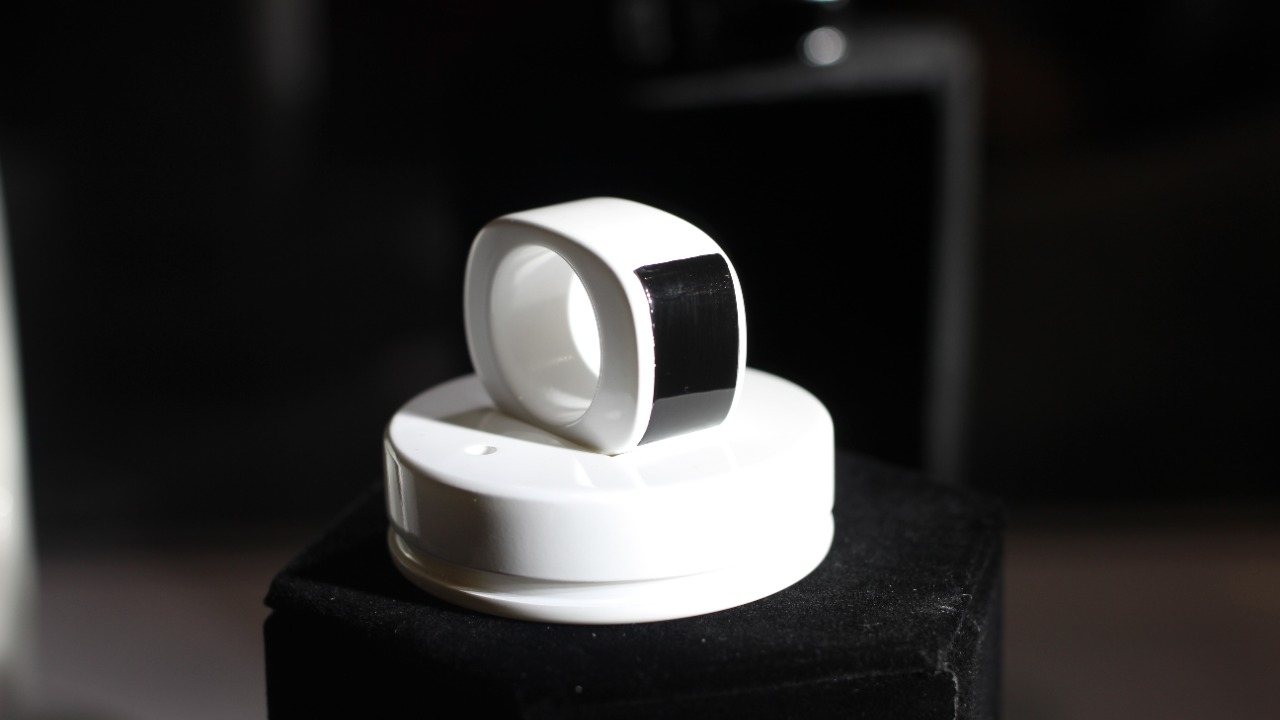
Whether or not you should switch to a smart ring largely depends on your lifestyle, needs, and preferences. If you value compactness, style, and convenience, a smart ring could be a great fit. On the other hand, if you rely heavily on a large display for interaction or need a device with a long battery life, a traditional wearable might be more suitable.
Experts and users alike have mixed opinions on the benefits and drawbacks of switching to smart rings. While some praise their compactness and versatility, others express concerns over their usability and battery life. Ultimately, the decision to switch to a smart ring is a personal one, and what works best will depend on your individual needs and circumstances.
