Smart homes, with their promise of convenience and comfort, have become a staple in modern living. However, recent findings indicate that these digital abodes might be collecting and storing biometric data from their users, leading to significant privacy and security concerns.
1. The Nature of Smart Home Devices
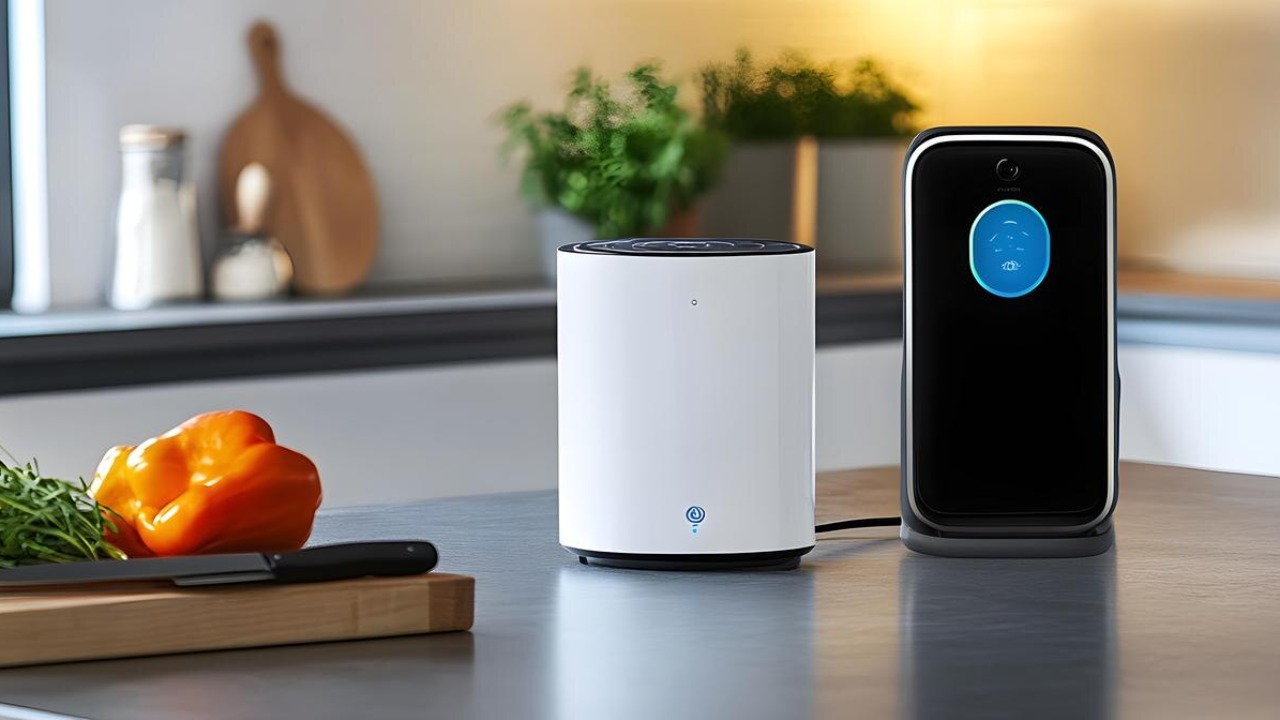
Smart home devices range from thermostats and lighting systems to smart TVs and scales, all designed to automate and simplify daily tasks. These devices rely heavily on data to function effectively, using it to learn user preferences and habits, thereby enhancing their performance over time.
However, the types of data collected by these devices can vary significantly. Some devices, like smart thermostats, collect data about your daily routines, while others, like smart TVs and scales, can collect more personal data. For instance, smart scales can collect weight data, and smart TVs can monitor viewing habits, as suggested by Wirecutter’s review of bathroom scales and Consumer Reports’ guide on smart TV snooping features.
2. The Intrusion: Biometric Data Collection Discovered
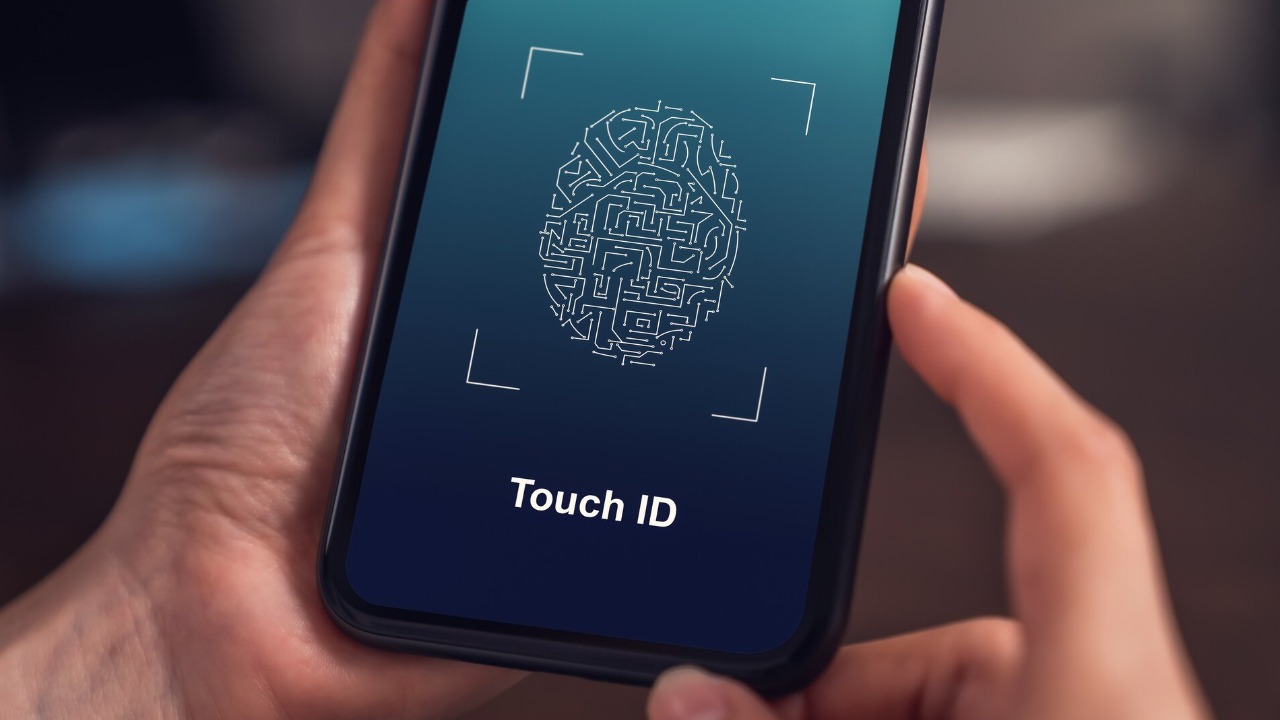
Recent reports have shed light on the fact that smart home devices are collecting biometric data. This data can include weight data from smart scales and viewing habits from smart TVs. The potential uses or misuses of this data are vast and concerning.
For instance, a MakeUseOf article detailed how a user discovered their smart TV was spying on them. Similarly, Bitdefender reported that Chinese smart TVs were found to be collecting data about other devices on customers’ networks. These instances highlight the potential for misuse of such data.
3. The Impact on Privacy and Security

The collection of biometric data by smart home devices poses significant privacy and security risks. Unauthorized access to this data could lead to identity theft, targeted advertising, or even more sinister uses. The potential for data breaches is also a significant concern, as seen in the past with various smart home devices.
For example, Ynet reported on how Chinese smart devices were found spying inside Israel, demonstrating the international security implications of such data collection. This incident underscores the potential for smart home devices to be used as tools for espionage or other malicious activities.
4. Legal and Ethical Considerations

The legal boundaries for data collection and privacy in relation to smart home devices are still being defined. In many jurisdictions, the collection of biometric data without explicit user consent is considered a violation of privacy laws. However, the enforcement of these laws can be challenging, especially when the devices are manufactured and operated by companies based in different countries.
From an ethical standpoint, the collection of biometric data without explicit user consent raises significant concerns. Regulatory bodies and advocacy groups have expressed concerns about this practice, calling for stricter regulations and greater transparency from smart home device manufacturers.
5. Protecting Yourself: Steps to Secure Your Smart Home
Given these concerns, it’s crucial to take steps to secure your smart home devices and prevent unwanted data collection. The first step is to check if your devices are collecting biometric data. This can usually be done through the device’s settings or user manual. If you find that your device is collecting such data, you can often opt out through the same settings.
Securing your smart home devices also involves keeping them updated with the latest software, using strong, unique passwords, and being mindful of the permissions you grant to these devices. There are also various resources and tools available online to help you maintain privacy and security in a smart home environment.
