As technology continues to evolve, smart glasses equipped with facial recognition capabilities are quietly making their way into the mainstream. These innovative devices offer a range of potential benefits, but they also raise significant privacy concerns that need to be addressed.
Understanding Smart Glasses and Facial Recognition Technology
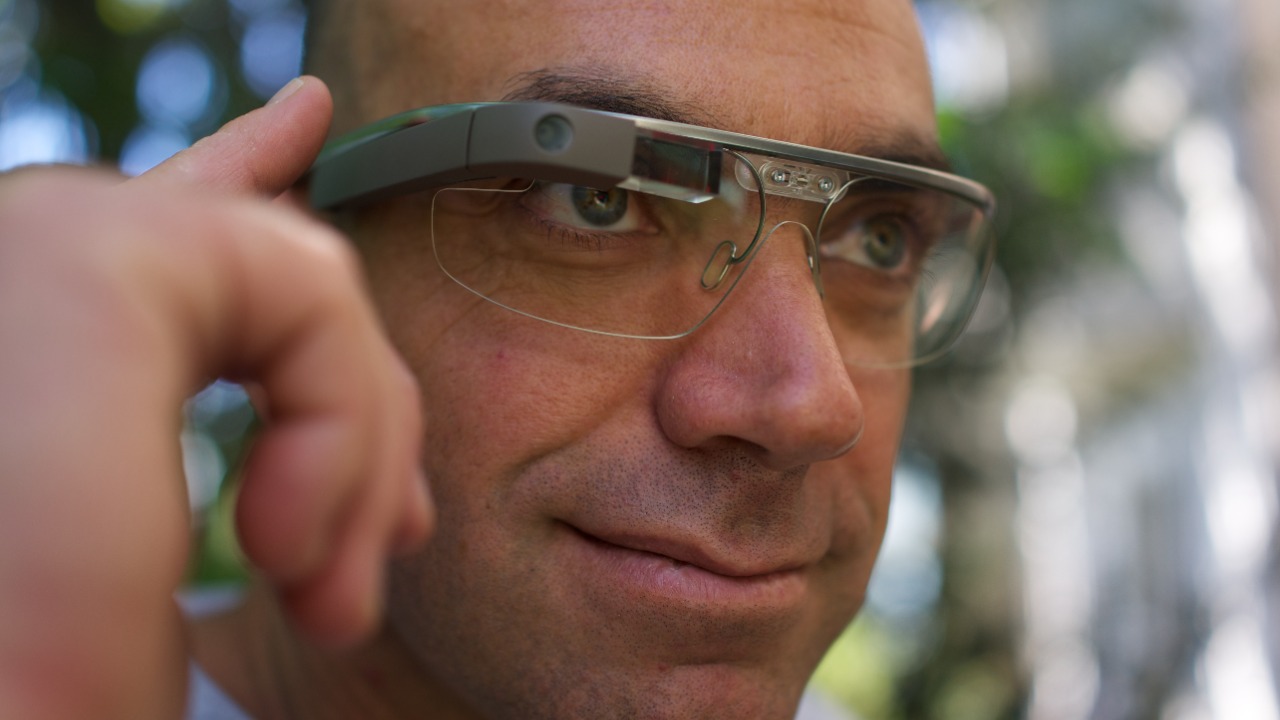
Smart glasses, akin to smartphones, are wearable computer glasses that add information to what the wearer sees. Typically, they have been used to provide navigation, take photos, or send messages. However, the integration of facial recognition technology is a game-changer. This technology uses biometrics to map facial features from a photo or video and compares this information with a database of known faces to find a match.
Several companies are at the forefront of this technology. Google, for instance, has been developing its Google Glass, while Apple is reportedly working on its own version of smart glasses. Other companies like Vuzix and Nreal are also making strides in this field, offering products that blend the digital and physical world in unprecedented ways.
The Benefits of Facial Recognition in Smart Glasses
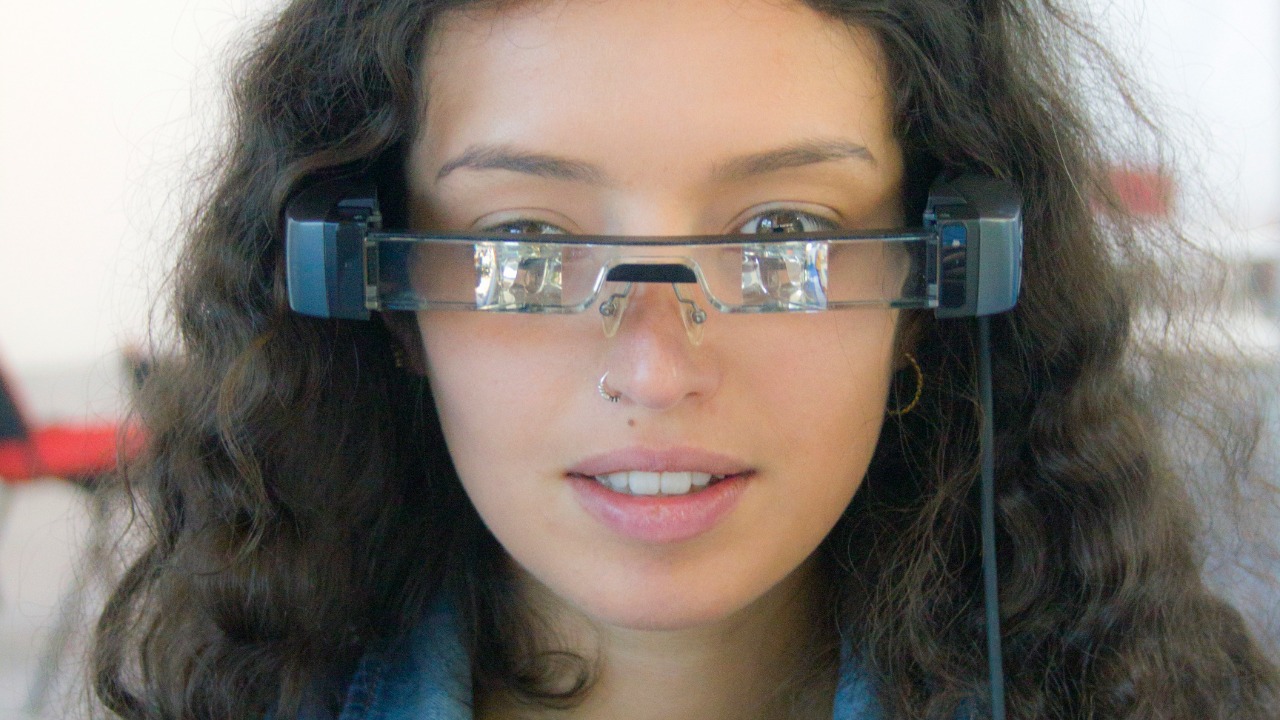
Facial recognition in smart glasses can have a myriad of practical applications. For security purposes, these glasses could be used to identify individuals in crowded spaces or at events. In terms of accessibility, they could help visually impaired individuals recognize people they know. Furthermore, the technology could offer a new level of personalization, tailoring information based on who the wearer is looking at.
For instance, Vuzix’s Blade Smart Glasses have been used in professional settings to identify employees and provide relevant information about them. Similarly, Google Glass has been trialed in hospitals, where doctors used the technology to access patient information quickly and hands-free.
Privacy Concerns Surrounding Facial Recognition in Smart Glasses

Despite the potential benefits, the use of facial recognition in smart glasses raises significant privacy concerns. The ability to scan and identify individuals without their knowledge or consent could lead to misuse of the technology. There are fears that it could be used for unwarranted surveillance or even stalking.
Current regulations and laws regarding facial recognition and personal privacy vary widely around the world. In the European Union, for example, the General Data Protection Regulation (GDPR) imposes strict rules on the processing of biometric data, including facial recognition. However, in other regions, such as the United States, the legal landscape is more fragmented, with laws varying from state to state.
The Ethics of Facial Recognition in Smart Glasses
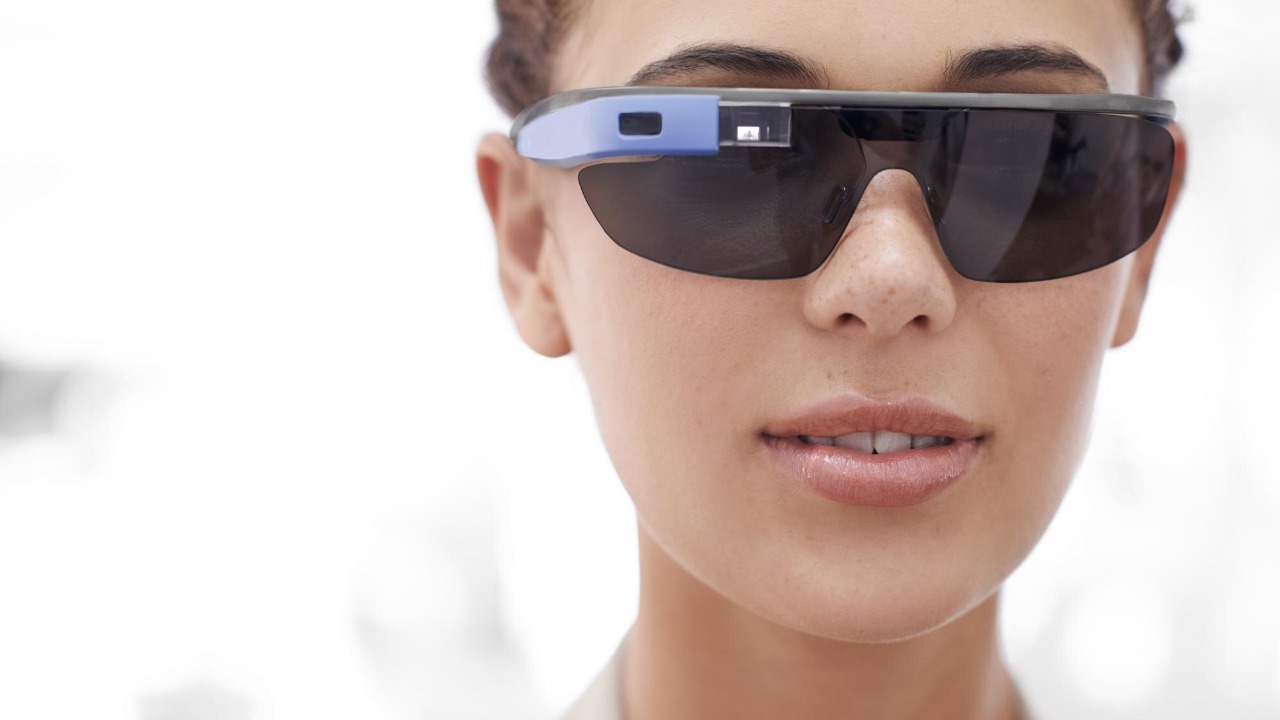
The use of facial recognition technology in smart glasses also raises ethical questions. While the technology can undoubtedly enhance user experience and provide valuable services, it’s crucial to balance these benefits with the right to privacy.
Experts in tech ethics and privacy rights have voiced concerns about this balance. They argue that while technological advancement is important, it should not come at the expense of individual privacy. These concerns highlight the need for robust ethical guidelines and regulations for the use of facial recognition technology in smart glasses.
The Future of Smart Glasses with Facial Recognition
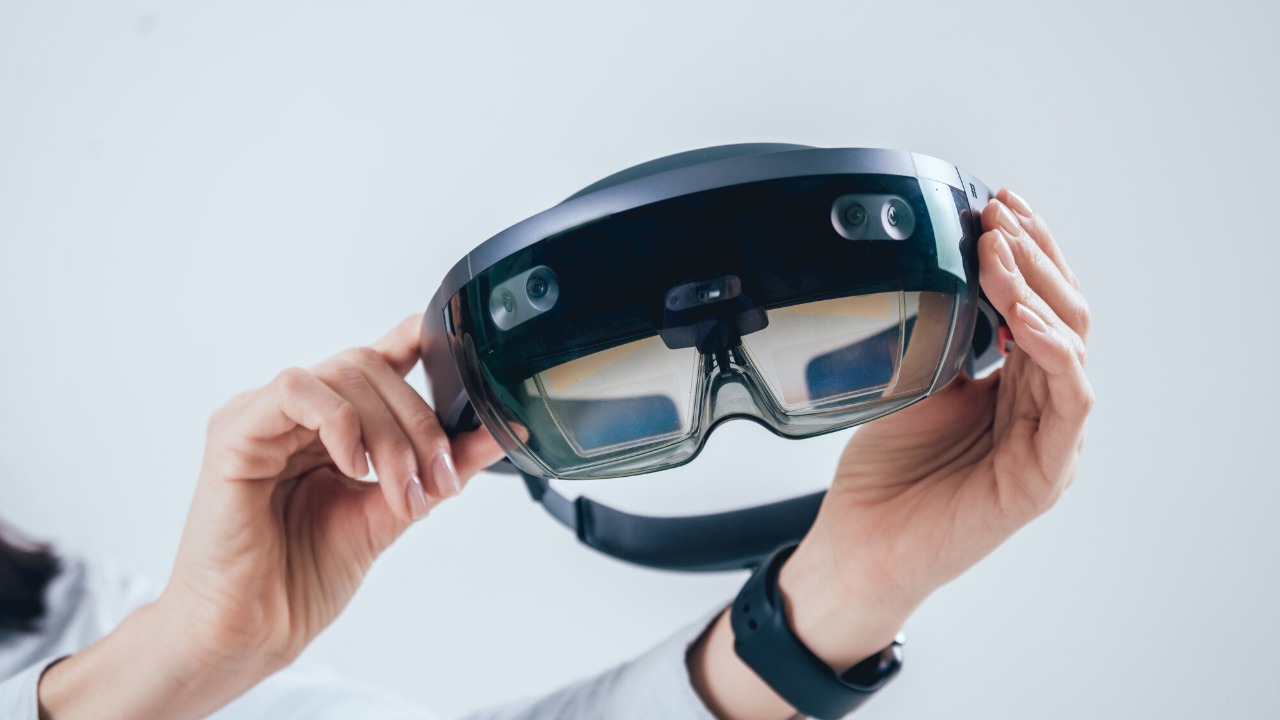
Looking ahead, the integration of facial recognition technology in smart glasses is likely to continue, driven by advancements in artificial intelligence and machine learning. However, companies developing these products will need to address privacy concerns to gain user trust and acceptance.
There is also a growing call for new laws or regulations to govern the use of this technology. As we move into this new era of wearable technology, it’s clear that the conversation around privacy, ethics, and regulation will be just as important as the technology itself.
