
Smart glass technology is revolutionizing how we interact with our living and working spaces by offering dynamic control over light and privacy. One intriguing development in this field is smart glass that turns black when exposed to sunlight, providing both aesthetic and functional benefits. The science behind this innovation, its benefits, and its potential impact on various industries are all worth exploring.
The Science Behind Smart Glass Technology
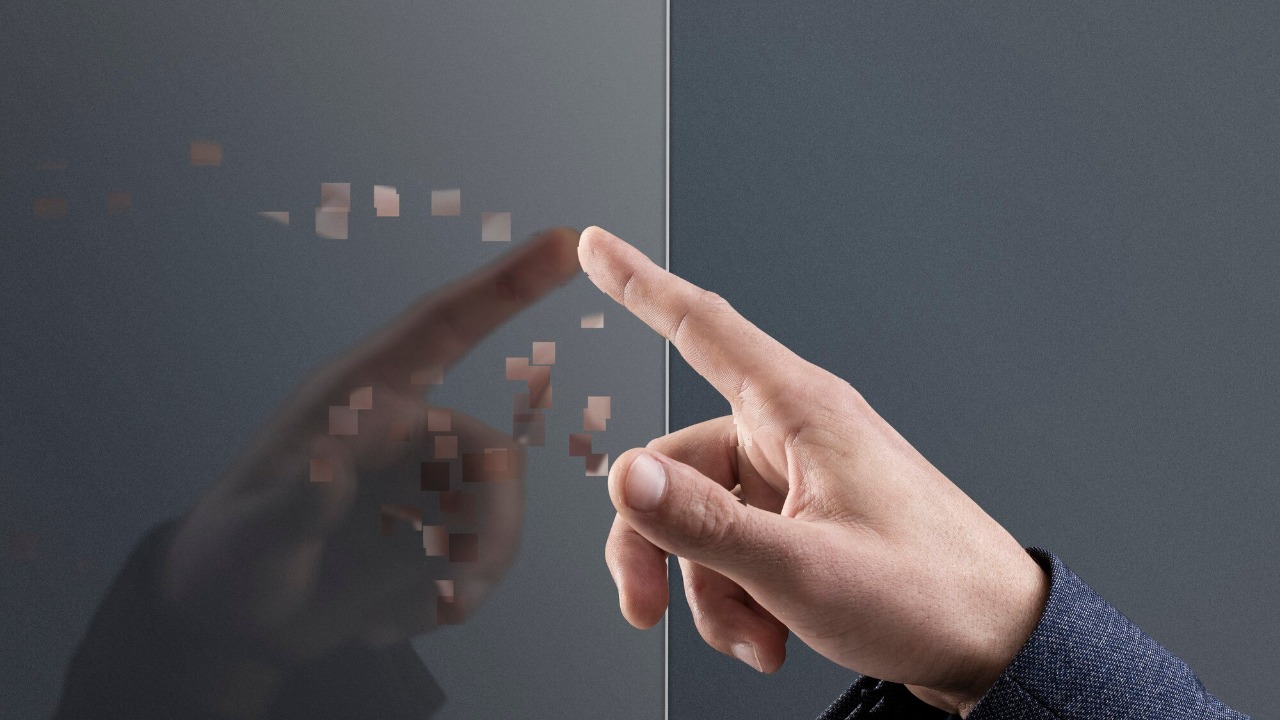
Smart glass technology primarily operates through the use of liquid crystals and electrochromic materials. These materials allow the glass to change its opacity and color in response to electrical signals. In the case of smart glass that turns black when exposed to sunlight, the process involves a photochromic reaction. This reaction is different from other smart glass technologies, which typically require an external electrical stimulus to change their state. Instead, the sunlight itself acts as a catalyst, causing the glass to darken and provide shade.
The transition to black offers significant benefits beyond aesthetic appeal. It enhances energy efficiency by reducing the need for air conditioning and artificial lighting. Compared to traditional glass and window treatments, which can only reflect or absorb a certain amount of sunlight, smart glass provides a dynamic solution that adapts to changing light conditions. As a result, it helps in reducing energy consumption and offers a more environmentally friendly alternative.
Applications in Residential and Commercial Settings
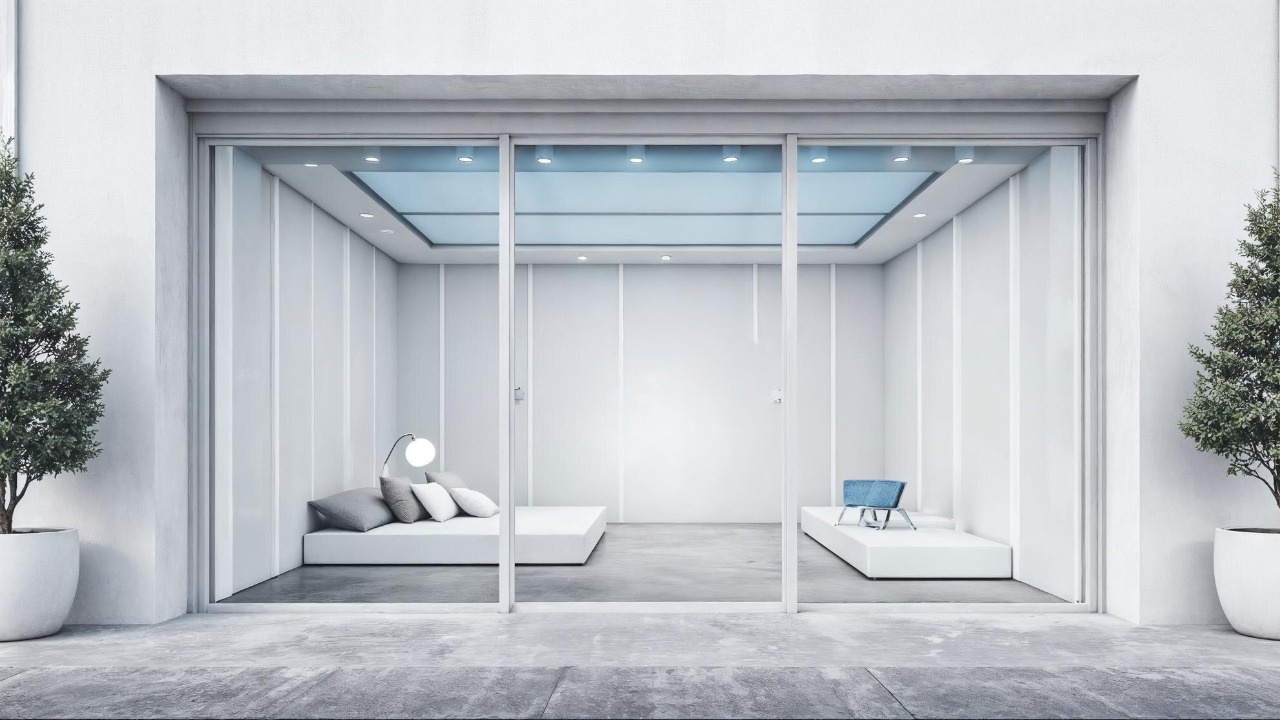
In residential settings, smart glass serves as a sophisticated alternative to traditional blinds and curtains. By automatically adjusting its opacity, it enhances privacy while reducing glare and heat inside the home. This technology not only improves comfort but also contributes to energy efficiency, as homes require less energy for heating and cooling.
Commercial buildings greatly benefit from smart glass installations as well. By reducing energy costs and improving occupant comfort, smart glass provides significant value to businesses. Installations in office buildings, hotels, and retail spaces demonstrate both aesthetic appeal and practical benefits. As companies seek to create more sustainable buildings, smart glass offers a modern solution that aligns with eco-friendly objectives.
Impact on Energy Consumption and Environmental Sustainability
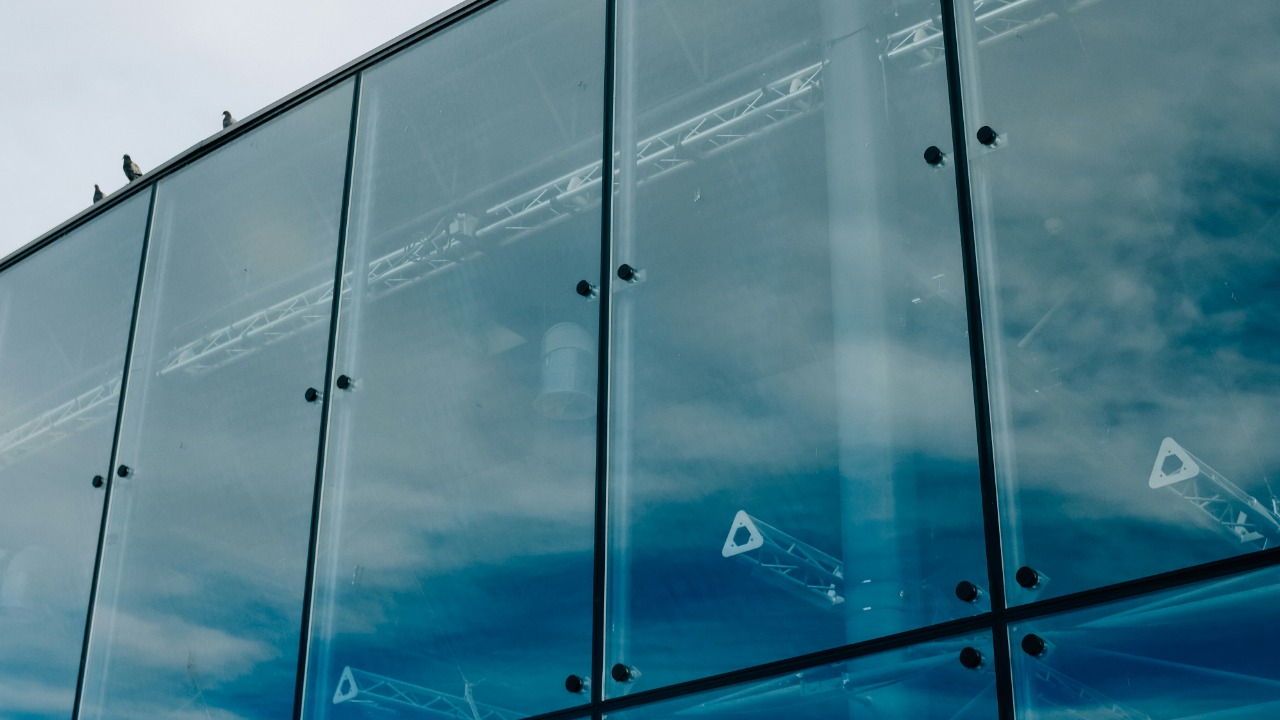
Smart glass technology has the potential to revolutionize energy consumption patterns by significantly reducing the need for artificial lighting and air conditioning. As the glass adapts to varying light conditions, it helps maintain optimal indoor temperatures, thereby reducing the overall energy demand. This reduction in energy consumption directly contributes to environmental sustainability by lowering carbon emissions associated with power generation.
Moreover, the environmental impact of smart glass extends to promoting sustainable building practices. By offering a dynamic alternative to traditional window treatments, smart glass reduces the need for materials that have a larger environmental footprint. A lifecycle analysis shows that smart glass, compared to conventional window solutions, offers a more sustainable option in terms of energy savings and material use.
Challenges and Limitations of Smart Glass
Despite its promising advantages, smart glass technology faces several technical challenges. Durability, cost, and installation complexities are notable concerns for both manufacturers and consumers. The initial cost of smart glass can be higher than traditional alternatives, which can be a barrier to widespread adoption. Additionally, ensuring the long-term durability of the glass, especially in different environmental conditions, requires ongoing research and development.
Smart glass also has limitations when it comes to its effectiveness in extreme climates. In regions with very high or low temperatures, the glass’s ability to maintain comfort levels may be compromised. Current research and developments focus on addressing these challenges by enhancing the performance and affordability of smart glass, making it more accessible and practical for a wider range of applications.
Future Prospects and Innovations in Smart Glass Technology
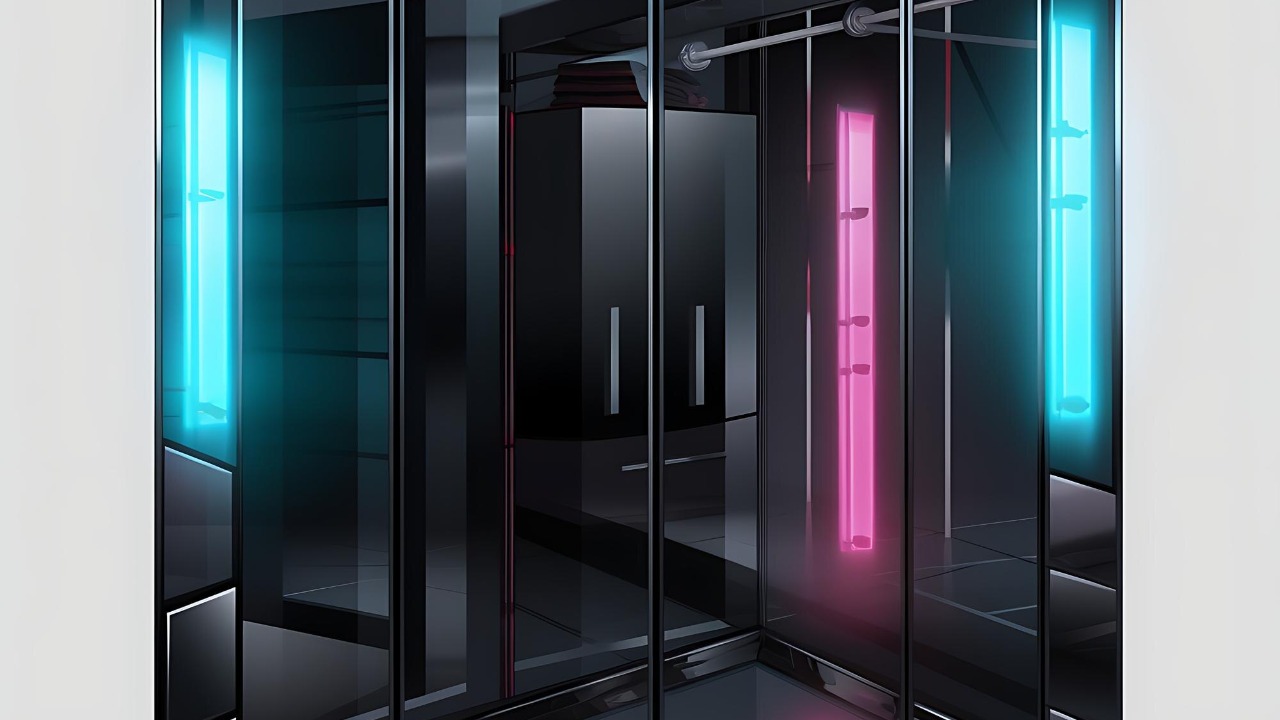
The future of smart glass technology is filled with exciting possibilities. Emerging trends point towards the integration of smart glass with smart home systems and other IoT devices. This integration could allow for seamless control over the glass’s opacity via smartphones or voice commands, enhancing the convenience and functionality of modern living spaces.
Innovations in smart glass may also lead to the incorporation of features like augmented reality displays and interactive capabilities. This would open up new avenues for both residential and commercial applications, transforming how we perceive and interact with our environments. As the market for smart glass continues to grow, it is expected to play a crucial role in shaping the built environment over the coming decades. For more on potential innovations, a look at augmented reality displays offers insight into where this technology might head.
Predictions for market growth suggest that as costs decrease and technology improves, smart glass will become a mainstream feature in both new construction and renovation projects. Its role in promoting sustainable building practices and enhancing occupant comfort underscores its potential to redefine modern architecture.
