Smart technology has revolutionized our lives in countless ways, offering us the ability to “game the system” and streamline our daily routines. However, the recent “phone charger conundrum” has highlighted a significant concern: the lack of common standards in this rapidly evolving field.
The Smart Tech Advantage

Smart technology has brought about a paradigm shift in how we interact with the world around us. From smart homes that adjust the temperature based on our preferences, to fitness trackers that monitor our health metrics, these devices have made our lives more convenient and efficient. The ability to “game the system” is another significant advantage of smart technology. For instance, smart thermostats can learn our daily routines and adjust the heating or cooling accordingly, resulting in energy savings and reduced utility bills.
Moreover, smart technology has also transformed the way we work. Applications like project management tools and virtual meeting platforms have made remote work a viable option, leading to increased productivity and flexibility. However, as beneficial as these advancements may be, they also bring about certain challenges, as highlighted by the recent phone charger issue.
The Phone Charger Conundrum
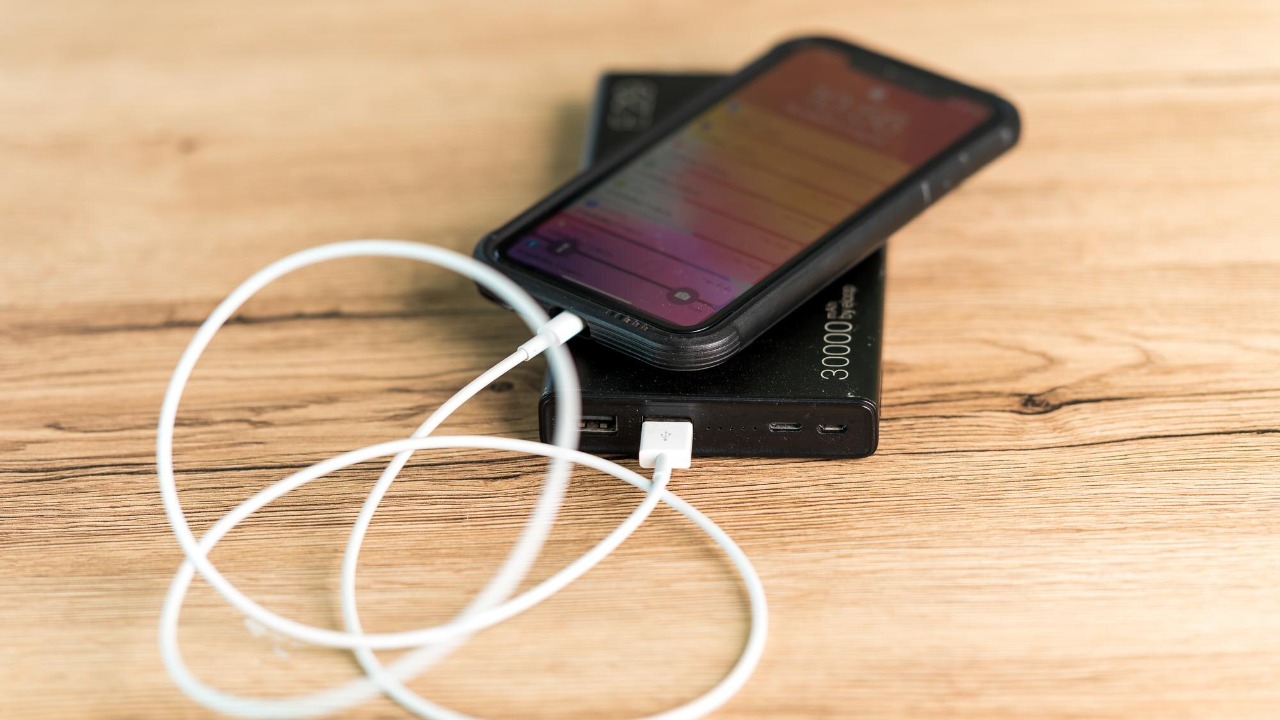
The recent “phone charger conundrum” has brought to light the issues arising from a lack of standardization in smart technology. This issue revolves around the incompatibility of phone chargers across different brands, leading to inconvenience for users and unnecessary electronic waste. The problem is not just limited to phone chargers, but extends to other areas of clean tech as well, where a lack of common standards can hinder progress and create inefficiencies.
This conundrum serves as a case study for the implications of not having common standards in smart technology. It not only causes inconvenience to users, but also leads to wastage of resources, both in terms of materials used for manufacturing incompatible devices and the energy consumed by them. This issue underscores the need for standardization in smart technology.
The Need for Standardization in Smart Technology

Standardization in smart technology is crucial for ensuring compatibility and interoperability of devices. It allows for seamless integration of various smart devices, leading to a more efficient and user-friendly experience. Without common standards, users may have to juggle multiple devices, each with its own set of requirements and interfaces, leading to a fragmented and frustrating experience.
The phone charger conundrum serves as a stark reminder of the potential consequences of failing to establish such standards. It highlights the need for manufacturers, developers, and regulatory bodies to work together to establish common standards that ensure compatibility, reduce waste, and promote sustainable practices in the field of smart technology. As we continue to embrace the benefits of smart technology, it is imperative that we also address these challenges to ensure a sustainable and efficient future.
Source: ABC News
