
Smart fridges, once considered a futuristic novelty, have now become an integral part of modern kitchens, offering unprecedented convenience. However, these intelligent appliances are raising privacy concerns as they share consumption data with advertisers. As smart fridges become more common, it’s essential to understand how they collect and disseminate data, the implications for consumers, and the ethical considerations surrounding this practice.
The Technology Behind Smart Fridges

Smart fridges utilize a combination of sensors and Internet of Things (IoT) technology to track consumption patterns and inventory levels. These sensors can detect when items are added or removed, estimating quantities and even recognizing specific products. For instance, some models use cameras to monitor contents, while others rely on weight sensors and RFID tags. The data collected is then processed by the fridge’s software to provide users with reminders about expiration dates and suggestions for recipes, significantly enhancing the user experience.
The integration of smart fridges with other household devices contributes to a seamless user experience. By connecting through popular platforms like Amazon Alexa or Google Home, these fridges can interact with other smart appliances, such as ovens and dishwashers, to coordinate meal preparation. This connectivity allows for a more cohesive smart home ecosystem, where user preferences and habits are seamlessly shared across devices. Furthermore, machine learning algorithms play a crucial role in predicting user behavior and preferences, helping the fridge to make accurate recommendations and streamline household management.
The Role of Advertisers
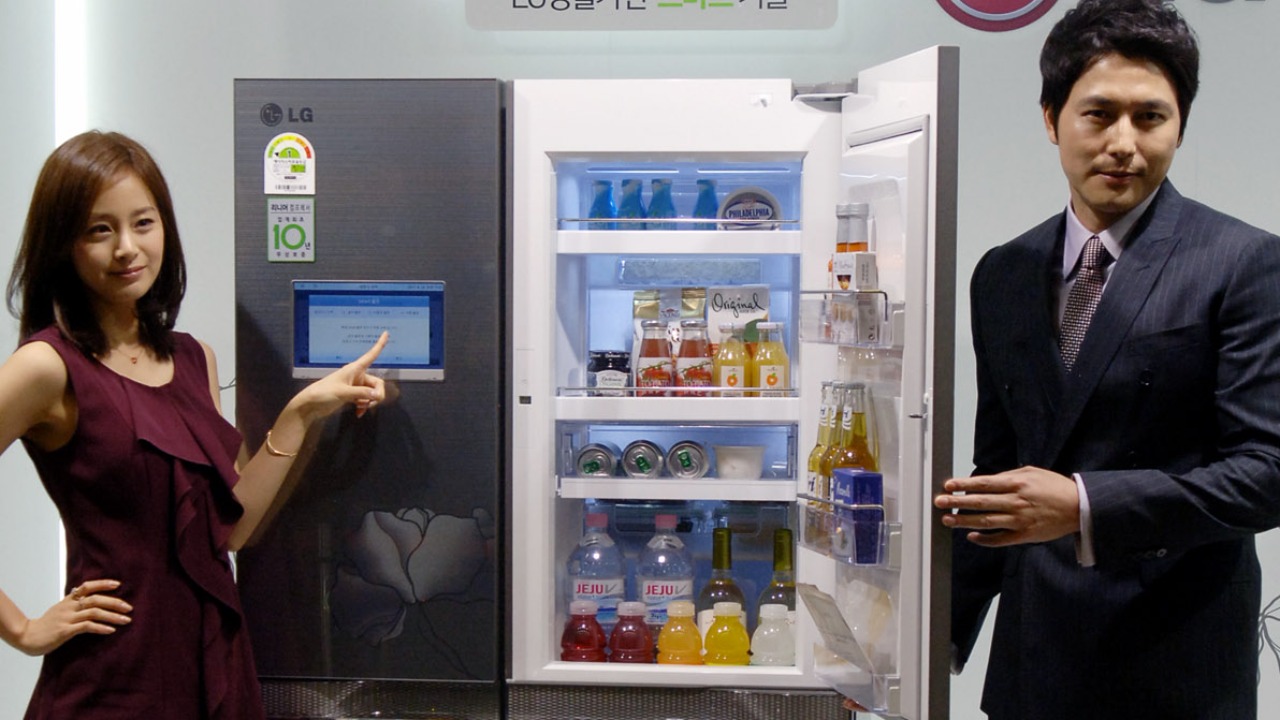
Advertisers see significant potential in the consumption data provided by smart fridges. By analyzing patterns in what users consume and when advertisers can create highly personalized marketing strategies. This targeted advertising means that users might see promotions for their favorite yogurt brand right when they are running low, potentially increasing the likelihood of purchase. Personalized marketing is becoming increasingly sophisticated, leveraging detailed user profiles to deliver ads that are more relevant and timely.
The collaboration between fridge manufacturers and advertising companies is another critical aspect of how consumption data is monetized. For example, some manufacturers might partner with marketing firms to share anonymized user data, allowing these companies to refine their advertising approaches further. This partnership can be lucrative, as it provides advertisers with direct access to valuable insights about consumer behavior. However, it’s important to consider how this might influence consumer purchasing decisions, potentially nudging them towards specific brands or products without their explicit consent.
Privacy and Security Concerns
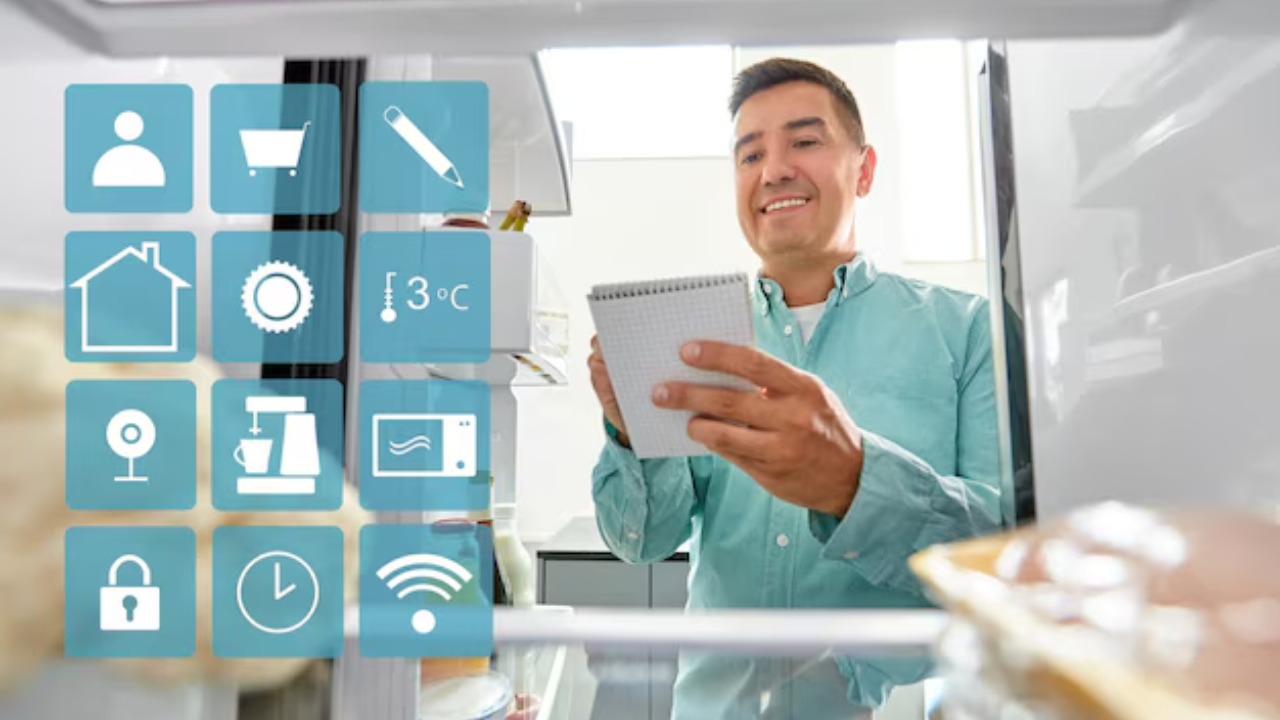
As with any connected device, smart fridges present potential data security risks. Vulnerabilities in the technology could expose user data to unauthorized entities, leading to privacy breaches. For instance, hackers might exploit these weaknesses to gain access to sensitive consumption patterns or even control the fridge remotely. Such scenarios underscore the importance of robust security measures in protecting user data from potential threats.
A critical concern is whether users are adequately informed about how their data is used and shared. Transparency is key, and many consumers may not be fully aware of the extent to which their data is utilized for advertising purposes. Current privacy policies might not always provide clear information, leaving users in the dark about how their information is handled. In light of this, existing laws and regulations play a crucial role in protecting consumer privacy. For example, the General Data Protection Regulation (GDPR) in Europe emphasizes user consent and transparency, offering a framework for safeguarding personal data in the context of smart appliances.
Ethical Implications
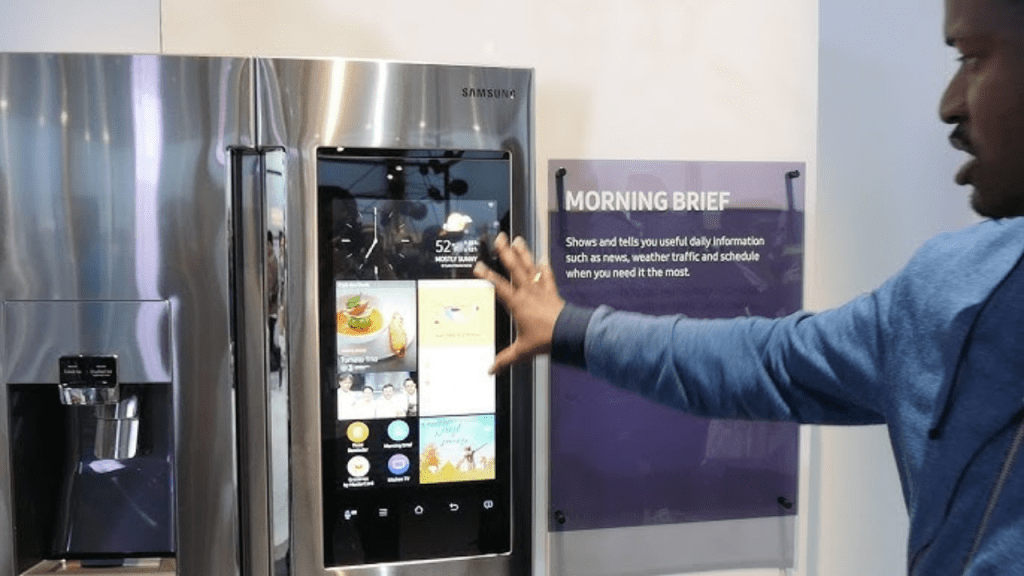
The ethical questions surrounding smart fridges largely revolve around consumer autonomy. With the potential to influence purchasing decisions through targeted advertising, these appliances raise concerns about the extent to which they can shape consumer choices. Users might find themselves subtly guided towards certain products, challenging the notion of free will in purchasing decisions. This raises broader questions about the role of technology in our daily lives and the potential for manipulation.
Another significant ethical issue is data ownership. Who truly owns the consumption data generated by smart fridges? While manufacturers and advertisers might argue for their right to use this data, consumers have a vested interest in maintaining control over their personal information. The debate over data ownership is ongoing, with potential implications for the future of digital rights and privacy. As we look ahead, it’s essential to consider how the landscape of smart appliance data sharing might evolve, with the possibility of more ethical practices emerging as consumer awareness and advocacy increase.
Mitigating Privacy Risks
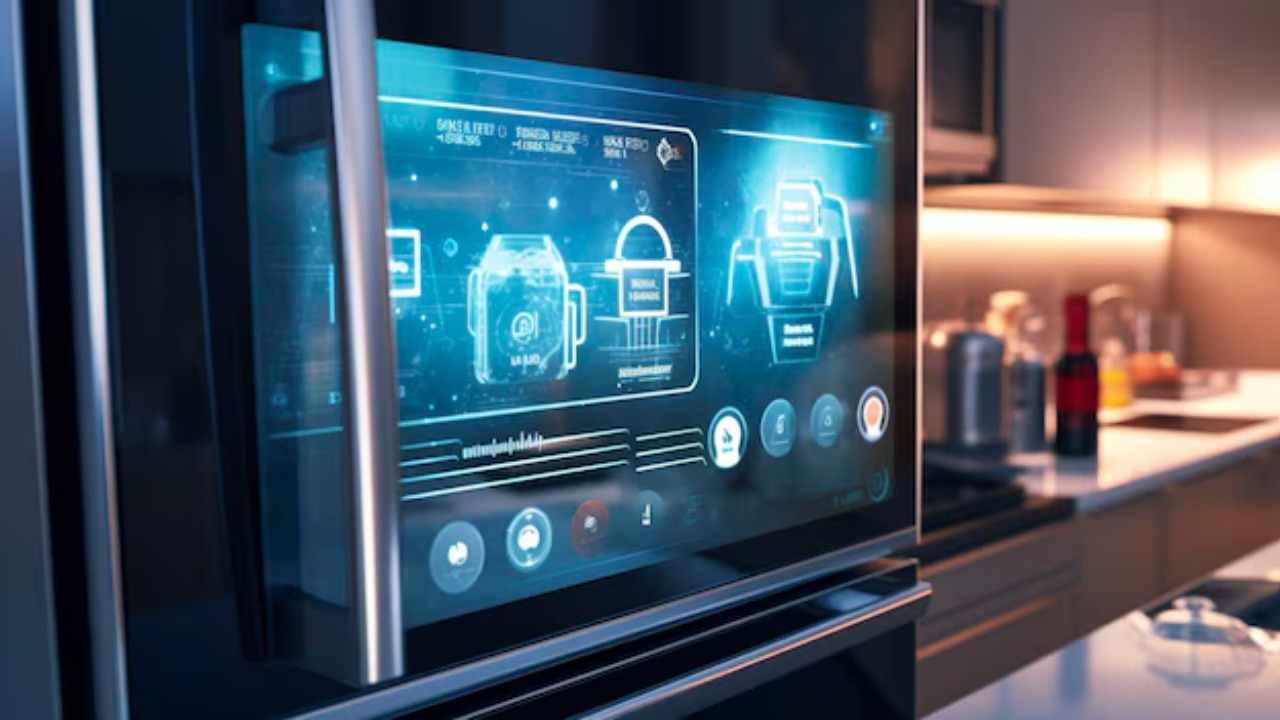
For consumers concerned about their privacy, there are several best practices that can help protect data when using smart fridges. Firstly, users should regularly update their devices’ software to ensure they have the latest security patches. Additionally, reviewing and adjusting privacy settings can limit the amount of data shared with third parties. Utilizing strong, unique passwords for connected devices also adds an extra layer of security, reducing the risk of unauthorized access.
On the industry side, the development of industry standards and innovations is crucial for enhancing data security. Technological advancements, such as improved encryption methods and more transparent data-sharing practices, can help mitigate privacy risks. Moreover, consumer advocacy plays a vital role in pushing for more transparent practices and increased awareness of privacy rights. By staying informed and vocal, consumers can drive positive change in how data is managed and shared.
