The textile industry is witnessing a revolutionary shift with the advent of smart fabrics capable of generating power from body heat. This development, rooted in the science of thermoelectric conversion, is not only transforming wearable technology but also making strides toward energy efficiency and sustainability.
Understanding Thermoelectric Fabrics
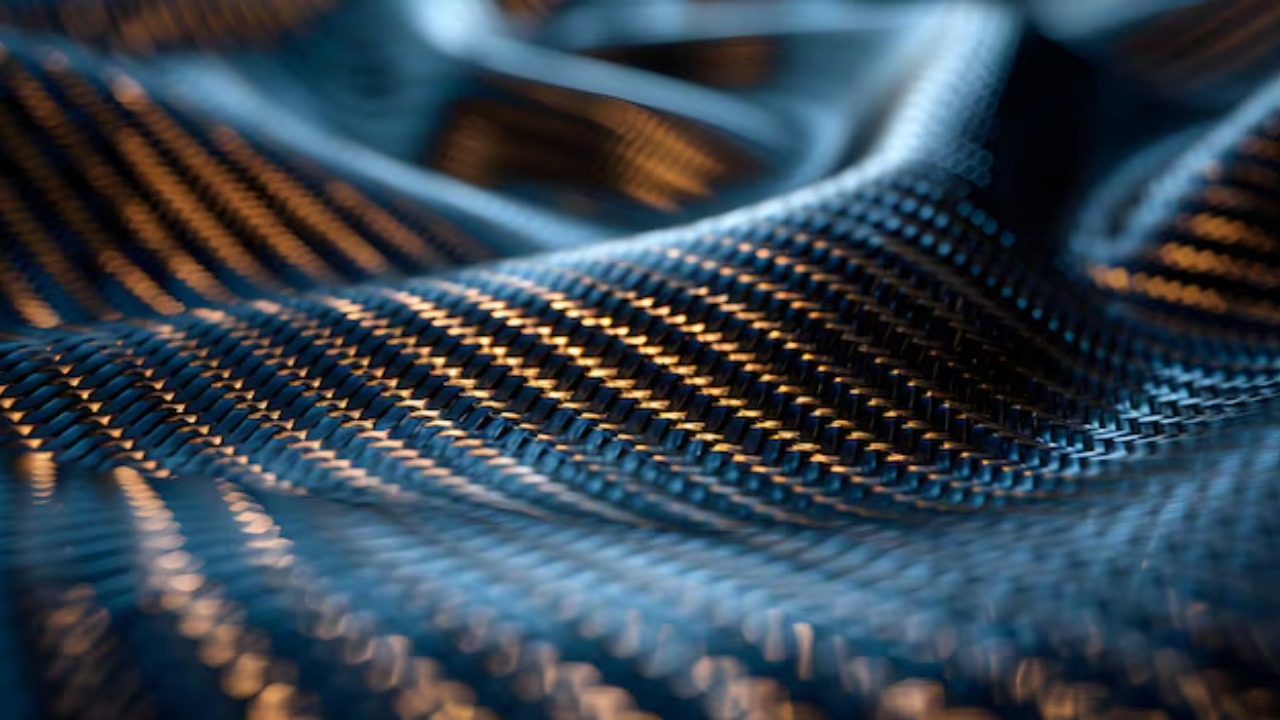
Thermoelectric fabrics are a groundbreaking innovation in textile technology that leverage the principles of thermoelectric conversion to transform body heat into usable electricity. They function on the principle of the Seebeck effect, which explains how a temperature differential can produce an electric voltage. This thermoelectric effect forms the basis of these fabrics’ operation, as they harvest and convert the heat emitted by the human body into electrical energy.
Various studies and research, like the one published on Wiley Online Library, have made significant contributions to the development of these fabrics. The findings have not only defined the potential of smart textiles in energy production but also provided key insights into improving their efficiency and durability.
Technological Innovations and Developments

The development of fabrics that generate power from body heat is a result of rigorous research and technological advancements in the field of smart fabrics and wearable technology. The process involves integrating thermoelectric materials into the fabric structure, which can absorb heat and generate electrical power. These materials, such as thin-film thermoelectric nanowires, provide the necessary conductivity and flexibility required for these fabrics.
However, the journey to creating thermoelectric fabrics has not been without challenges. One of the primary hurdles has been maintaining the balance between fabric flexibility and energy generation efficiency. Recent breakthroughs have addressed this issue, with a noteworthy development reported on OPB, where scientists developed wearable flexible fabric that efficiently converts body heat into electricity.
Applications of Power-generating Fabrics

The potential applications of thermoelectric fabrics are vast and varied. In the realm of wearable technology and consumer electronics, these fabrics can be used to power devices such as smartwatches, fitness bands, and other wearable tech, eliminating the need for conventional charging methods.
Moreover, the medical field can also greatly benefit from these fabrics. For instance, they can be used to power wearable medical devices, like heart rate monitors or glucose monitoring systems, providing a reliable and constant power source. The military sector can also leverage these fabrics for powering communication devices and other necessary equipment, ensuring operational efficiency even in remote locations.
Impact on Sustainability and Energy Efficiency
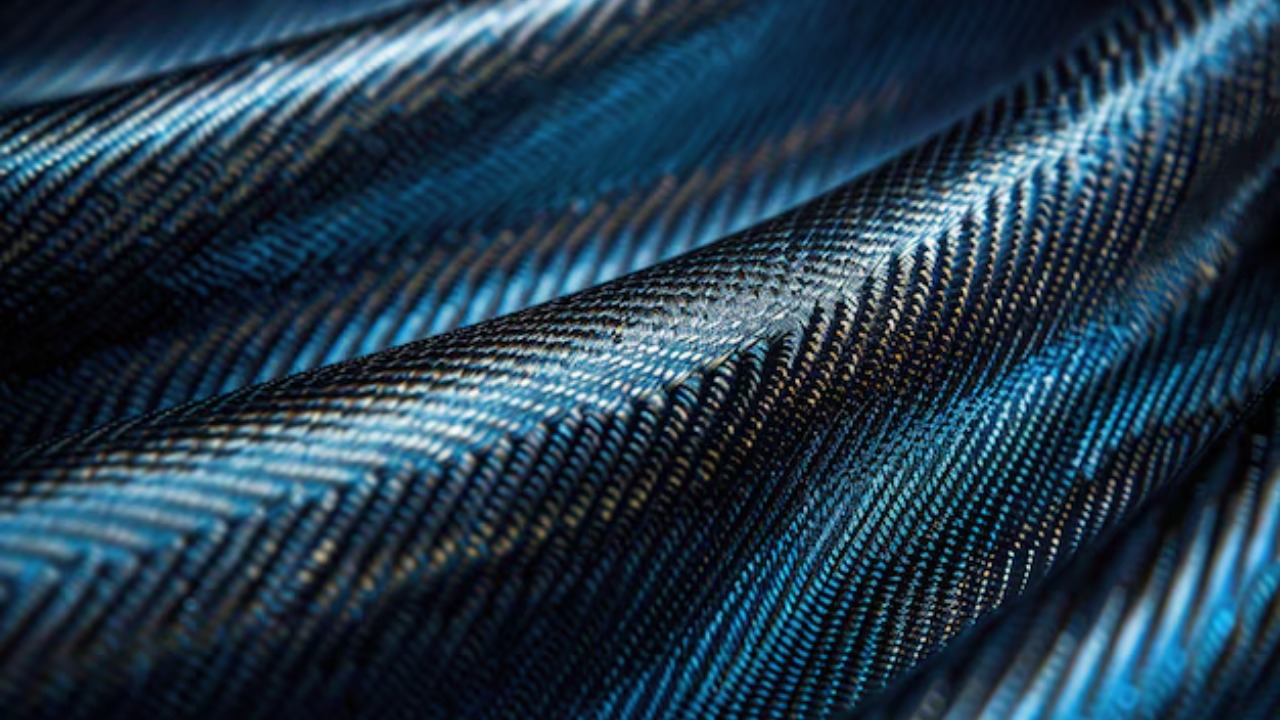
Thermoelectric fabrics hold great potential in promoting sustainability and energy efficiency. By generating power from body heat, these fabrics can reduce our reliance on traditional energy sources, contributing to a decrease in carbon footprint and promoting renewable energy use.
A comprehensive analysis published on the American Chemical Society’s website outlines the energy efficiency of thermoelectric materials. It suggests that while the efficiency of these materials is currently lower than conventional power generation methods, ongoing research and advancements are steadily improving this metric. Furthermore, the sustainability aspect of these fabrics is highly promising, as they utilize a renewable and constantly available energy source: human body heat.
Future Prospects and Challenges

The future of smart fabrics is brimming with possibilities. Their potential scalability and commercial viability make them a promising prospect for various sectors. Moreover, as technology advances, these fabrics could be integrated into everyday clothing, providing a personal power source for wearable devices and other personal electronics.
However, before this future becomes a reality, several challenges need to be addressed. One of the significant hurdles is the cost of production, which currently limits the widespread adoption of these fabrics. Additionally, increasing the energy conversion efficiency of these fabrics is a critical area of ongoing research. An article on Advanced Materials Technologies highlights the need for further research and development in this field to overcome these challenges and unlock the full potential of thermoelectric fabrics.
