Smart doorbells, designed to enhance home security and convenience, have been found to share GPS data, raising serious privacy concerns. This issue extends beyond the intended benefits of these devices, revealing a complex web of data sharing and third-party trackers.
Understanding the Issue: Smart Doorbells and Data Privacy
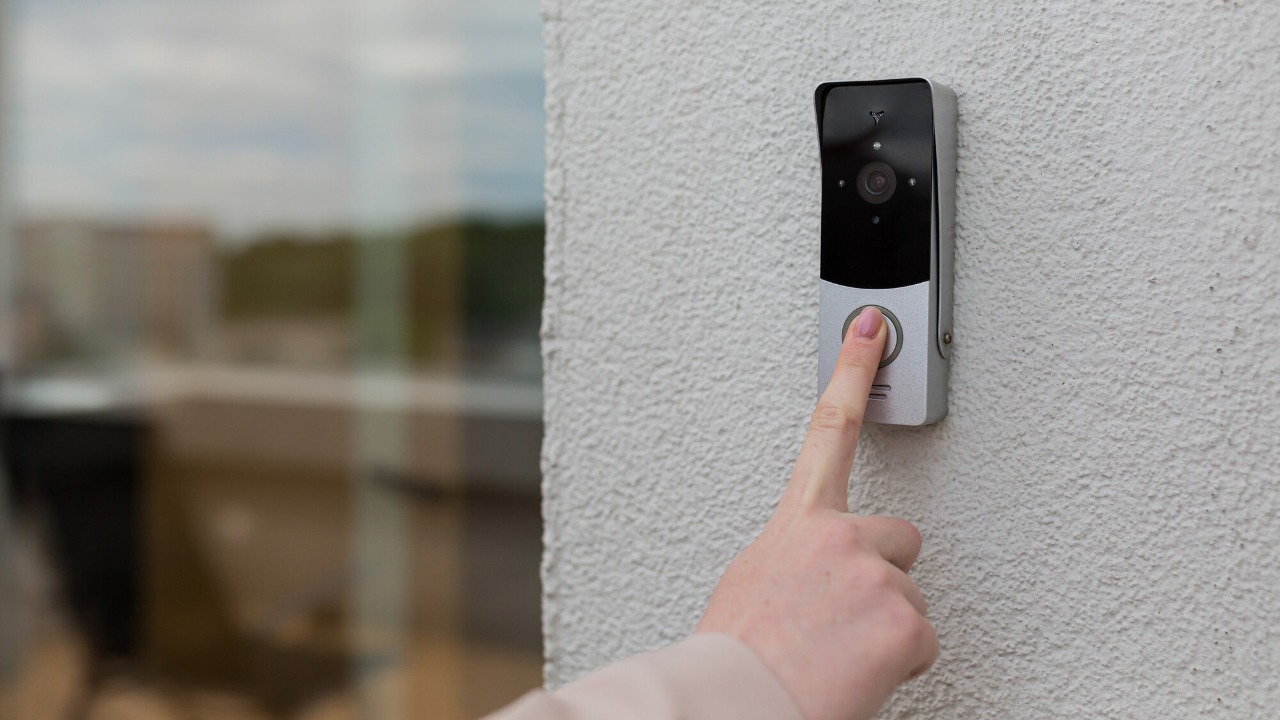
Smart doorbells are innovative devices that allow homeowners to monitor their front doors remotely. They provide real-time video feeds, motion detection alerts, and even two-way communication. However, recent findings have unveiled a concerning aspect of these devices: they share GPS data. This data sharing isn’t limited to the device manufacturers; third-party trackers are also involved, further complicating the issue.
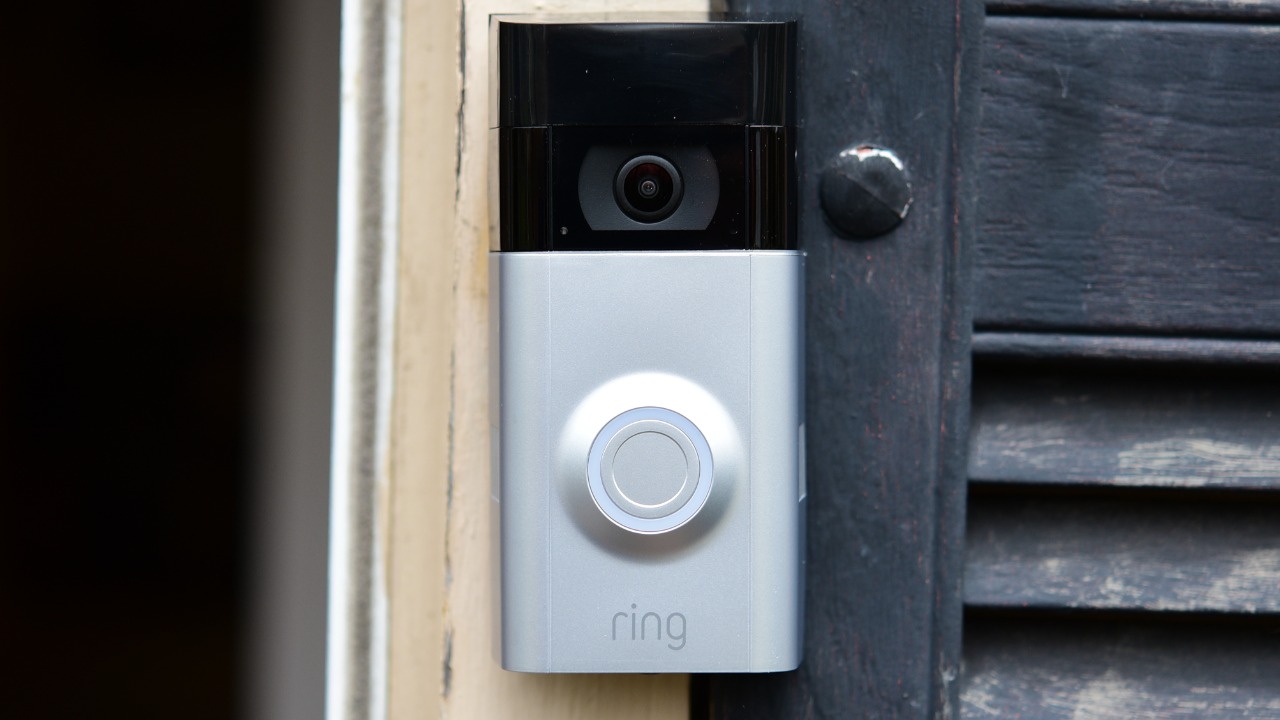
Third-party trackers embedded in smart doorbell apps collect a wealth of information, including GPS data. This was highlighted in a report on the Ring Doorbell app. The trackers gather data and share it with external companies, often without the user’s explicit consent. This practice raises significant privacy concerns, as it can reveal sensitive information about a user’s habits and whereabouts.
Analyzing the Implications: What Does This Mean for Users?
The sharing of GPS data poses several risks. It can lead to privacy breaches, with sensitive information falling into the wrong hands. For instance, the Ring Doorbell Neighbors app was found to leak precise user location data, potentially exposing users to stalking or targeted burglary. This is not an isolated incident; other smart devices have also been found to share data excessively.
Take the case of smart air fryers, which were reported to engage in ‘excessive’ surveillance. These devices, like smart doorbells, collect and share more data than necessary for their functionality, raising similar privacy concerns. The shared data can be used to build detailed profiles of users, which can be exploited for targeted advertising or, in the worst case, malicious activities.
Industry Response: What Are Companies Doing?
In response to the data sharing discovery, smart doorbell manufacturers have issued statements and taken actions to address the issue. However, the effectiveness of these measures in protecting user privacy remains questionable. While some companies have pledged to review their data sharing practices and enhance their privacy settings, others have been less forthcoming about their plans.
It’s crucial to note that while these measures are a step in the right direction, they may not be enough. The onus is on the companies to ensure that their devices respect user privacy and do not share data without explicit consent. This includes not only the data shared with the manufacturers themselves but also the data shared with third-party trackers.
Protecting Yourself: How to Maintain Privacy with Smart Devices

While waiting for industry-wide changes, users can take steps to protect their privacy. One way is to turn off data sharing features on smart devices. For instance, Consumer Reports provides a guide on how to turn off snooping features on smart TVs, a process that can be applied to other smart devices as well.
Users can also consider alternative products with better privacy controls. For example, the Wirecutter’s review of the best Bluetooth trackers for 2025 offers options that respect user privacy. Lastly, users should be proactive in managing their data, understanding the privacy policies of the devices they use, and adjusting settings to limit data sharing.
Legal and Regulatory Perspective: Is There Enough Protection for Users?
Existing laws and regulations on data privacy vary widely in their effectiveness in protecting users. While some jurisdictions have robust data protection laws, others lag behind. In many cases, the rapid development of technology outpaces the evolution of legislation, leaving gaps in user protection.
In response to the smart doorbell issue, regulators have begun to take action. However, these actions often come after the fact, and reactive measures may not be enough to prevent privacy breaches. There is a pressing need for proactive legislation and regulation changes to better protect user data, ensuring that smart devices serve their intended purpose without compromising user privacy.
