In the midst of rapid technological evolution, an intriguing innovation is emerging: smart contact lenses capable of streaming augmented reality (AR) directly to the wearer’s eyes. This development holds the potential to overturn conventional norms in various sectors, ranging from healthcare and gaming to education.
Understanding Smart Contact Lenses
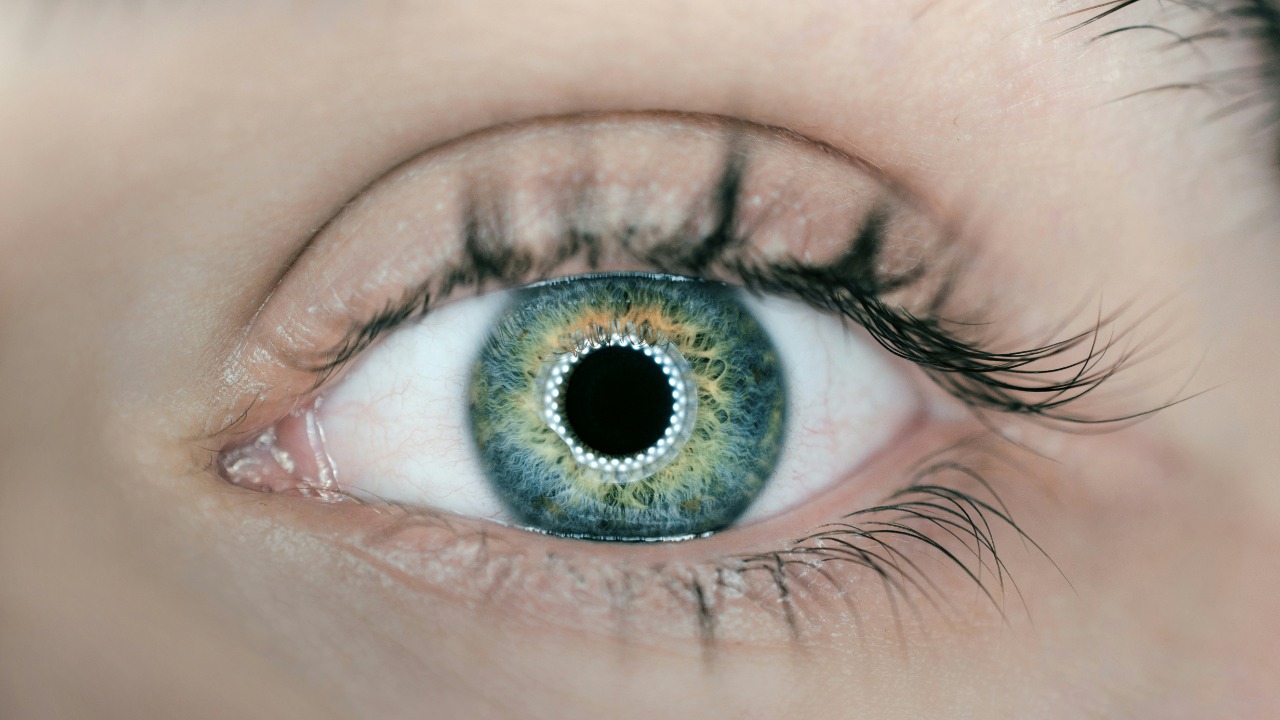
Smart contact lenses are a product of advanced technology that aims to enhance human vision beyond the conventional function of correcting vision impairments. These devices, embedded with miniature electronics, can overlay digital information onto the physical world, thus integrating digital and physical realities.
This integration is made possible through the use of a range of technologies, including AR, biometrics, and wireless connectivity. Renowned manufacturers like Mojo Vision and Samsung have already embarked on the development of such lenses, each with their unique approach and design.
Integration of Augmented Reality (AR) in Smart Lenses
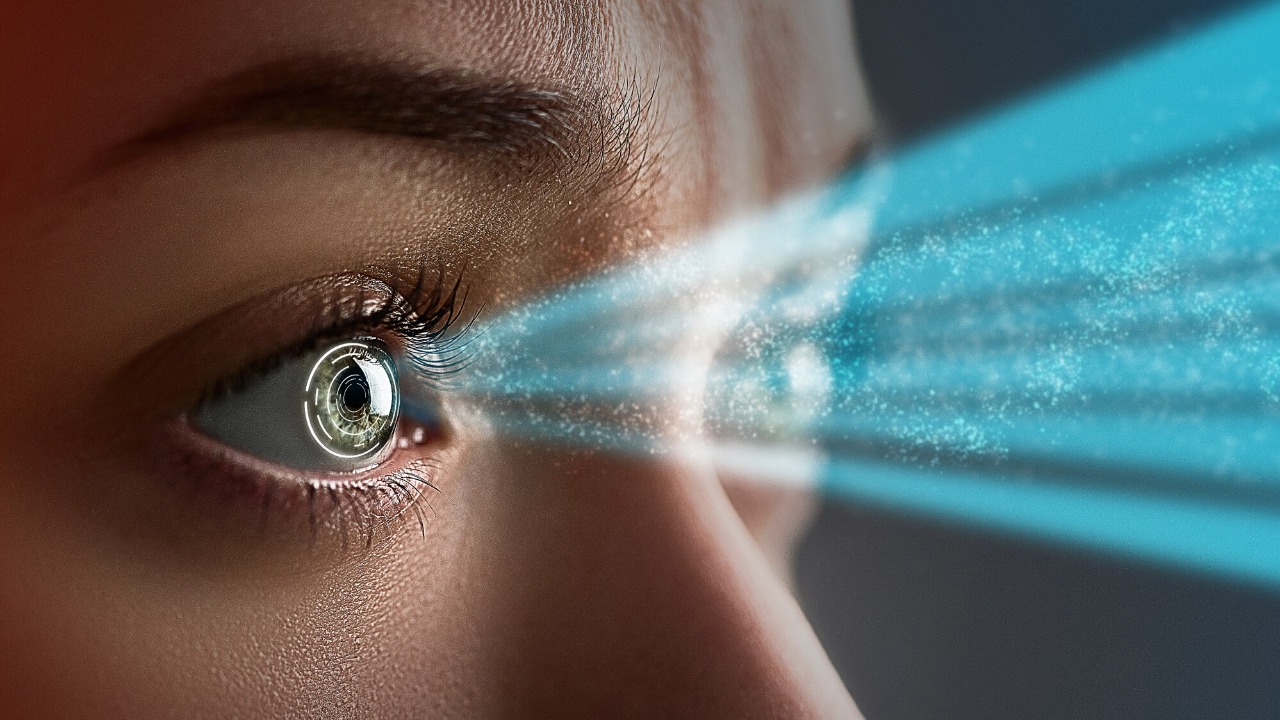
AR plays a crucial role in the functionality of smart lenses. It allows for the projection of digital images directly onto the user’s field of vision, enriching their interaction with the physical world. The process of streaming AR to the eyes involves complex optics and high-speed microdisplays that deliver crisp, vibrant images.
Recent advancements in AR technology also contribute to the enhancement of smart lenses. For instance, improvements in the clarity and stability of AR projections, coupled with advancements in miniaturization, have furthered the potential and feasibility of AR streaming to the eyes.
Applications of AR Streaming Smart Lenses

The applications of AR streaming smart lenses are vast and diversified. In the healthcare sector, these lenses could assist in early diagnosis and treatment of eye conditions, enabling doctors to monitor patients’ eye health in real-time. Additionally, they could also help visually impaired individuals by enhancing their vision or providing auditory guidance.
In the realm of gaming and entertainment, AR streaming smart lenses could elevate user experience to a whole new level, providing immersive, interactive experiences. The educational sector, too, could benefit from these lenses as they could provide students with engaging, interactive learning materials, thereby enhancing their understanding and retention of complex concepts.
Challenges and Concerns

Despite the promising potential, the journey towards widespread adoption of AR streaming smart lenses is not without its hurdles. Technological challenges, such as the miniaturization of components and the development of a reliable power source, are significant obstacles. Additionally, ensuring that these lenses do not obstruct the normal vision of the wearer poses another significant challenge.
There are also health-related concerns. Wearers might experience eye fatigue or discomfort, especially during prolonged use. Furthermore, there are potential risks associated with biocompatibility and the long-term effects of these devices on the eye. Privacy and security issues also loom large, as these lenses could potentially access sensitive personal data.
The Future of AR Streaming Smart Lenses

The future of AR streaming smart lenses is undoubtedly exciting. Anticipated advancements in the technology, such as improved AR imaging, longer battery life, and better biocompatibility, promise a more comfortable and user-friendly experience. Emerging players, such as Innovega and EPGL Medical Sciences, are also entering the fray, indicating a competitive and dynamic market.
The societal impact of these lenses could be profound, changing the way we interact with the world and each other. They could reshape various sectors, including healthcare, gaming, and education, and even impact our daily lives. However, it is crucial to address the challenges and concerns associated with these devices to ensure their safe and effective use.
