Smart appliances have revolutionized our daily lives, making our homes more connected and our routines more efficient. But with this convenience comes a new concern: these devices are now logging our conversations. This development raises significant questions about privacy and data security.
The Reality of Smart Appliances Logging Conversations
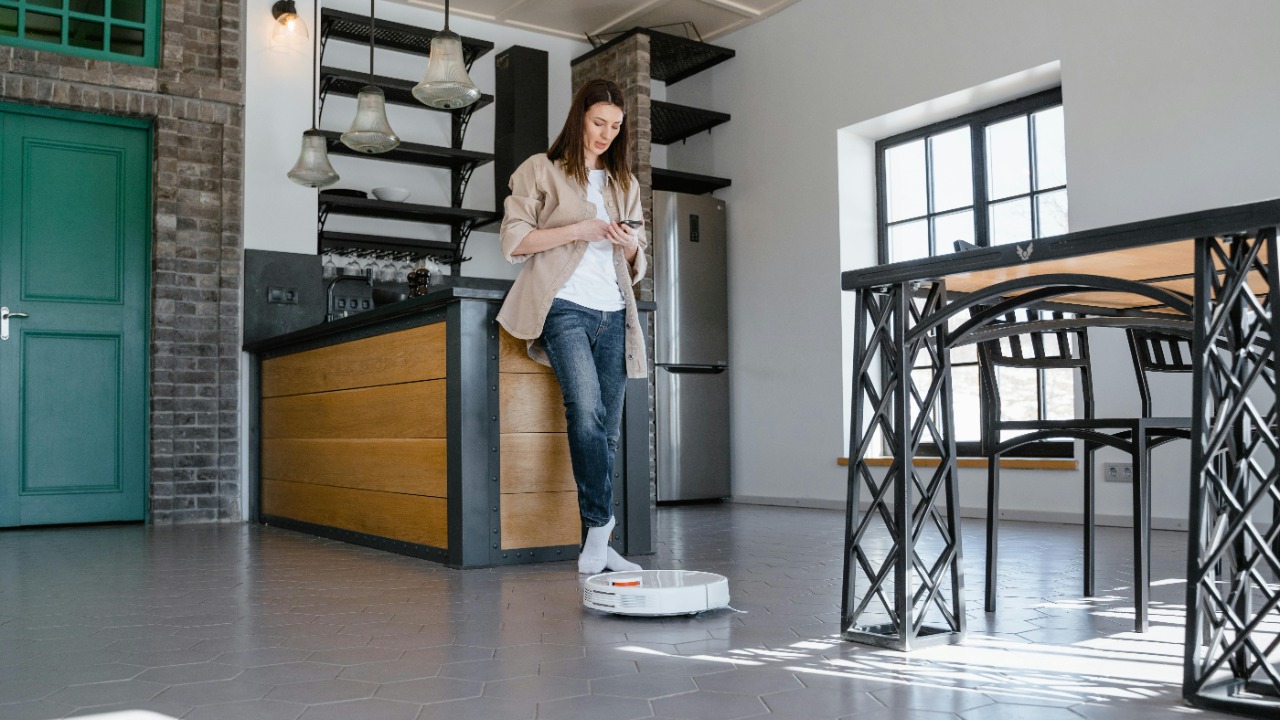
Recent findings have revealed that smart appliances are recording user conversations. For instance, certain air fryers and app-connected appliances have been found to harvest user data, as reported by ABC7 News. These appliances, designed to make our lives easier, are now collecting more information than we may be comfortable with.
The purpose of these appliances recording conversations is often to improve AI algorithms. For example, OpenAI has admitted to scanning users’ ChatGPT conversations, as reported by Futurism. This data collection is intended to enhance the AI’s understanding of human language and interaction, but it also means that our private conversations are being logged and analyzed.
Implications for User Privacy and Data Security
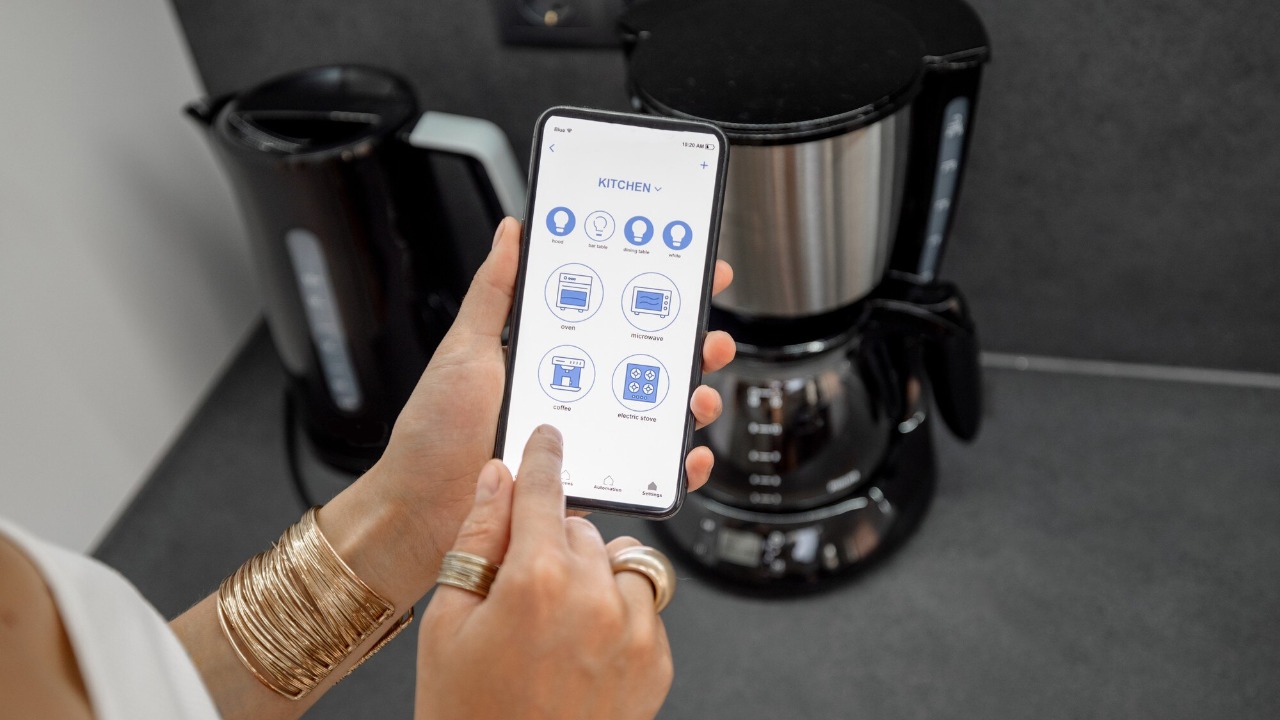
The recording of user conversations by smart appliances has serious implications for privacy and data security. There is a potential for misuse of this data by third parties. For instance, if a company were to sell or share this data, it could be used for targeted advertising or even more nefarious purposes.
Data breaches are another concern. If a company’s security measures are not robust enough, hackers could gain access to these recorded conversations. This could lead to a violation of privacy rights, as personal and potentially sensitive information could be exposed. The recent incident with Google’s Gemini AI, which was granted access to user apps including messages, as reported by Malwarebytes, is a stark reminder of the potential risks.
How Companies are Responding

Companies like Microsoft and Google are taking steps to address these privacy concerns. Microsoft, for instance, has been moving from Skype to Microsoft Teams, as reported by Microsoft 365 Blog. This move is part of a broader effort to enhance privacy and security features in response to user concerns.
Companies are also making statements about their data collection practices. They are emphasizing the measures they are taking to secure user data and protect privacy. However, it’s crucial for users to understand these practices and make informed decisions about the use of smart appliances.
Steps Users Can Take to Protect Their Data

Users can take several steps to protect their data. One of the most straightforward measures is to turn off snooping features on smart appliances. Consumer Reports provides a guide on how to turn off smart TV snooping features, which can be a useful resource for users.
Other ways to secure data include changing privacy settings on smart appliances and using encrypted networks. It’s also important for users to stay informed about their smart appliances’ data collection practices. By understanding these practices, users can make informed decisions about which appliances to use and how to use them.
The Future of Smart Appliances and User Data
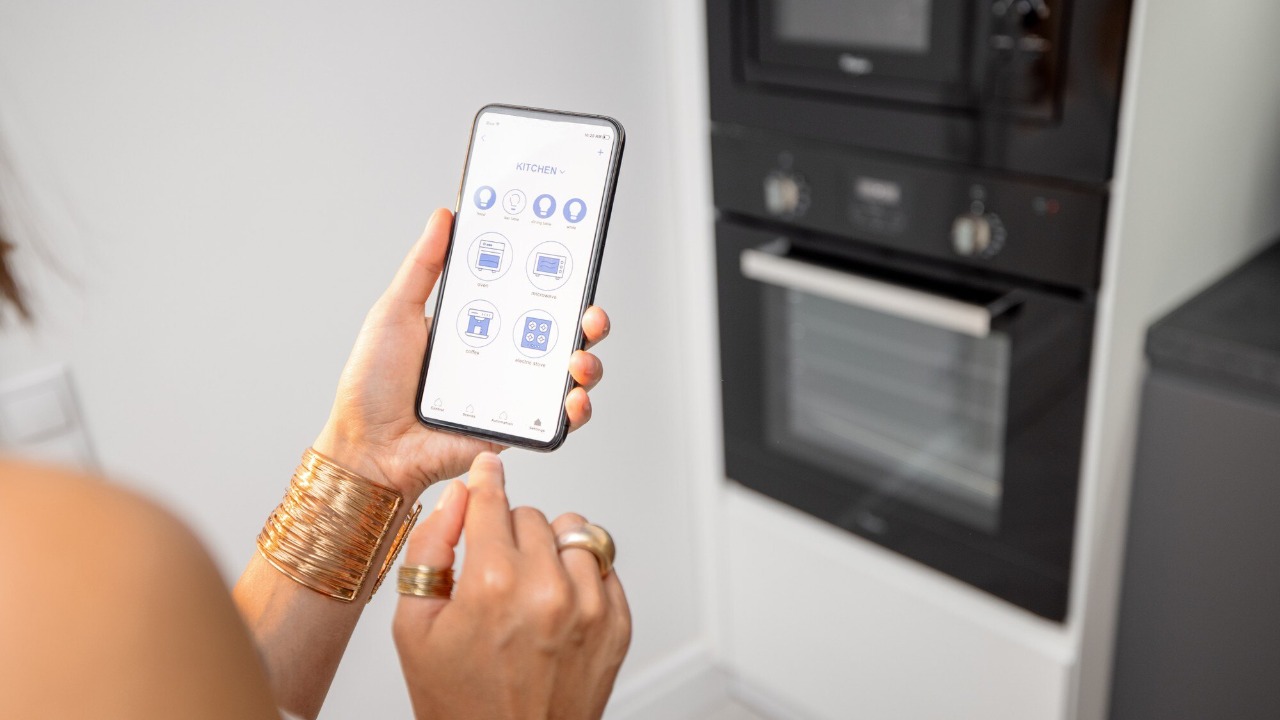
The relationship between smart appliances and user data is likely to evolve in the future. As technology advances, appliances may become even more integrated into our lives, and the data they collect may become even more comprehensive. This could lead to further privacy concerns, and it’s crucial for users to stay informed and proactive in protecting their data.
Legal and regulatory changes could also affect this issue. As the implications of smart appliances logging conversations become more widely understood, there may be calls for stricter regulations on data collection and use. The ongoing debate about the balance between technological advancement and user privacy is sure to continue, and the outcome will shape the future of smart appliances and user data.
