Throughout Siberia, ancient cave paintings have been discovered that depict an array of extinct megafauna. These works of art offer an intriguing glimpse into the prehistoric era, illuminating the range of species that once shared the planet with our ancestors.
Understanding Siberian Cave Paintings
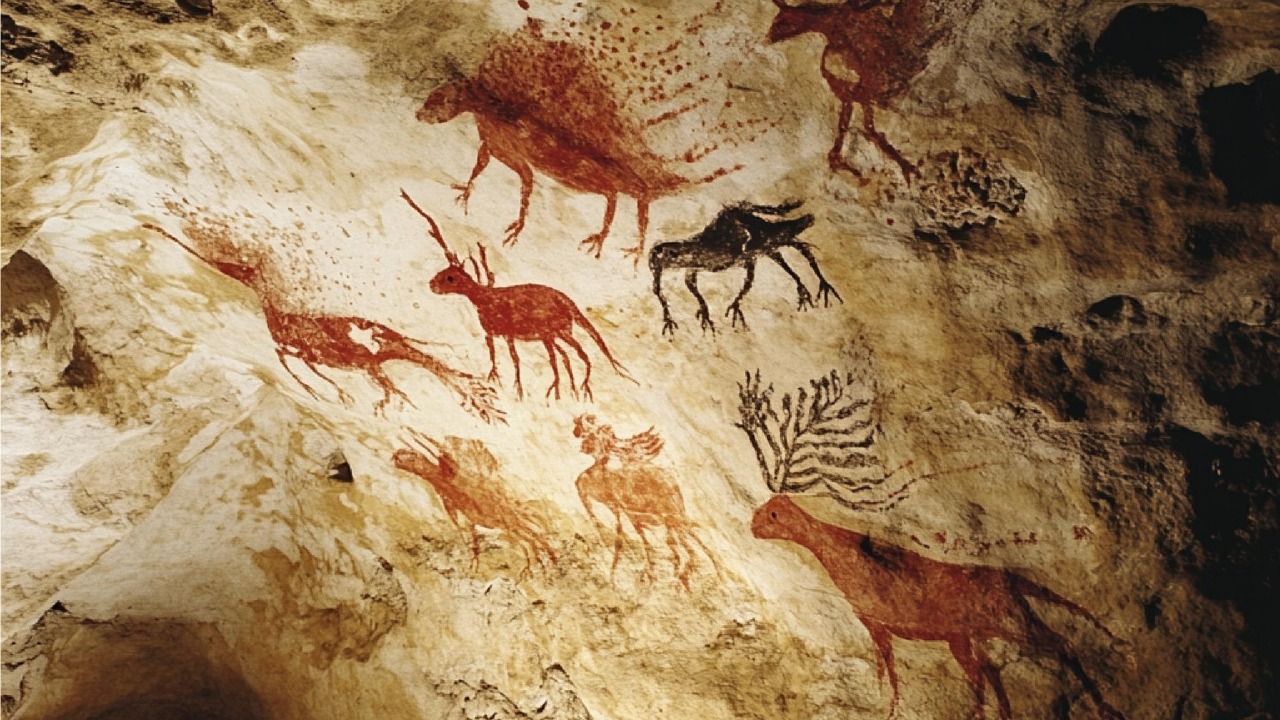
The Siberian cave paintings are an exceptional record of prehistoric life, dating back tens of thousands of years. Many of these paintings are located in remote caves, which have preserved the artwork remarkably well over the millennia. A study published in the Cambridge University Journal ‘Antiquity’ provides detailed insight into the dating of these remarkable pieces of art.
These cave paintings not only serve as a time capsule of the ancient world but also provide a window into the lives and beliefs of our prehistoric ancestors. The choice of animals depicted, their representations, and the locations of these paintings within the caves may all hold clues about the role these animals played in the societies of the time.
Extinct Megafauna in Siberian Cave Art
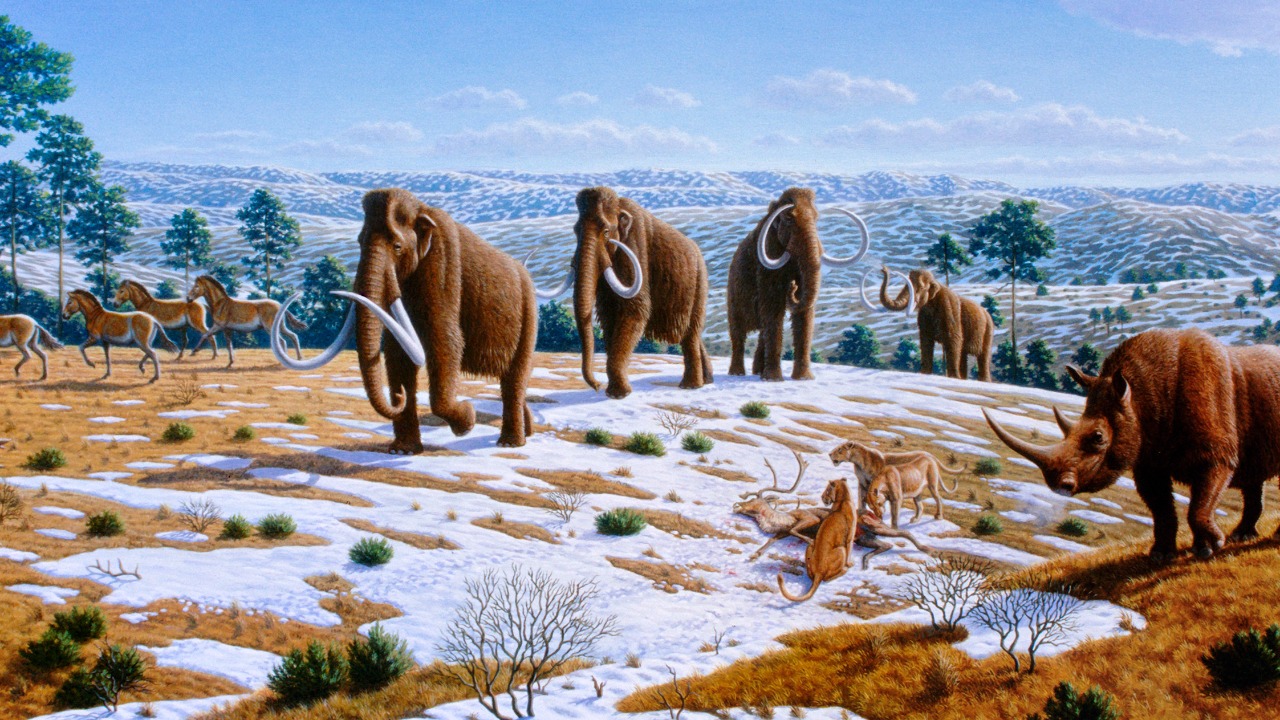
The Siberian cave paintings feature a variety of extinct megafauna, including mammoths, woolly rhinoceros, and large cave lions. Each painting offers a unique look into the physical characteristics and behaviors of these extinct species. An interesting discussion on the AskScience subreddit delves deeper into the types of extinct animals depicted in cave art.
These paintings also open a window into the relationship between these animals and prehistoric communities. Were these animals hunted for food, feared as predators, or revered as spiritual beings? The answers to these questions can help archaeologists and anthropologists better understand the sociology of prehistoric Siberian communities.
Cave Paintings as a Scientific Resource
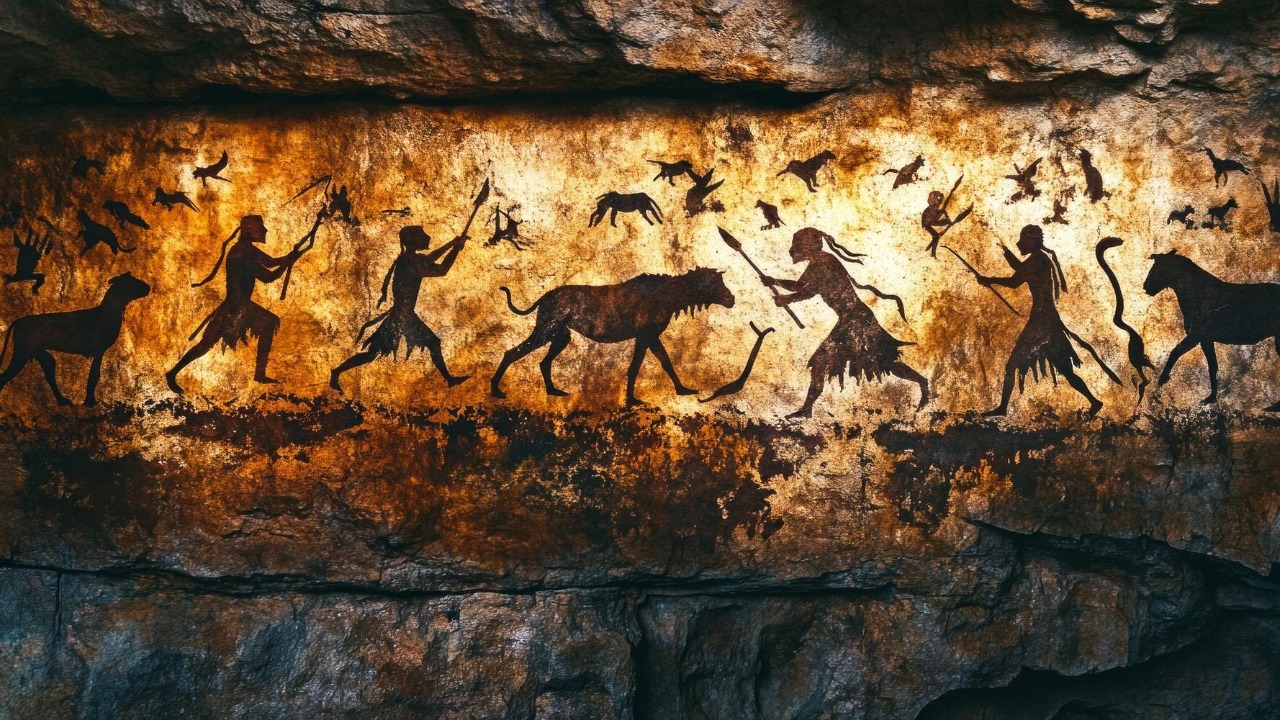
While the aesthetic value of these paintings is undeniable, they are also an invaluable scientific resource. They offer clues about the behaviors and habitats of extinct animals, helping to fill gaps in our understanding of these species. A paper published in the Journal of Human Evolution discusses in more detail how cave paintings can contribute to our understanding of extinct species.
Furthermore, these cave paintings also contribute significantly to the field of archaeozoology, a discipline that studies the relationships between humans and animals throughout history. Researchers can use these paintings to track the presence and prevalence of certain species in different regions and periods, helping to build a more comprehensive picture of prehistoric ecosystems.
Comparative Study: Siberian Cave Art vs Other Regions
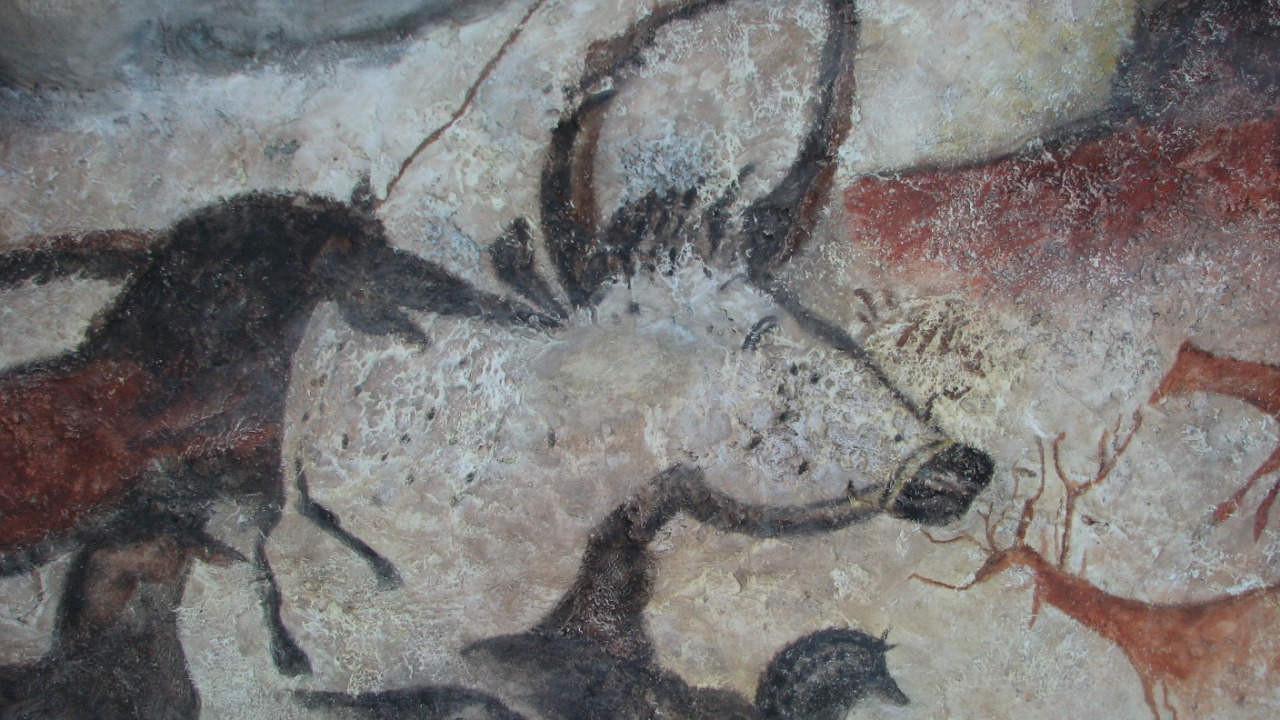
When compared with similar artwork from other regions, the Siberian cave paintings reveal fascinating insights. For instance, the paintings in caves such as Lascaux, Chauvet, and Altamira focus more on the depiction of local fauna, whereas the Siberian paintings feature a wider variety of species, including those from different continents. This comparison is explored in more depth in an article published by The Guardian.
This disparity in the range of species depicted may suggest differences in the environments and ecosystems inhabited by these prehistoric communities. Alternatively, it may point to varying cultural practices or beliefs about the natural world.
Modern Interpretation and Preservation
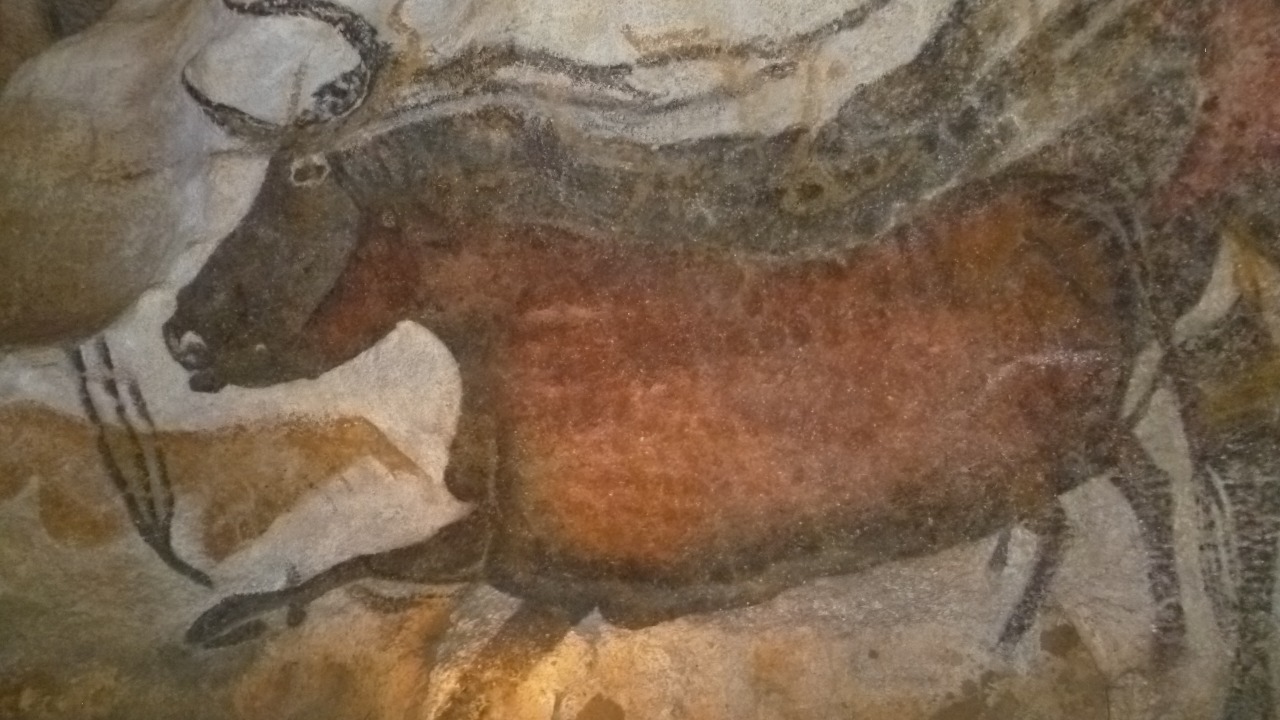
Modern interpretations of Siberian cave paintings vary widely, with theories ranging from shamanic practices to representations of hunting strategies. A study published in the journal ‘Deinsea’ offers a deep dive into the interpretation of these ancient artworks.
Preserving these paintings for future generations is of the utmost importance. This involves protecting the physical sites from damage, but also digital preservation, including high-resolution photography and 3D scanning. These efforts ensure that these remarkable insights into our prehistoric past are not lost, and remain available for future research and exploration.
