As we delve deeper into the realm of medical science, we find ourselves on the brink of a transformation. The advent of self-replicating nanobots for tissue repair signifies a major stride in our quest to revolutionize the way we manage injuries and combat diseases. These minuscule contrivances could potentially alter our approach to healthcare forever.
Understanding Nanobots and Their Self-Replication
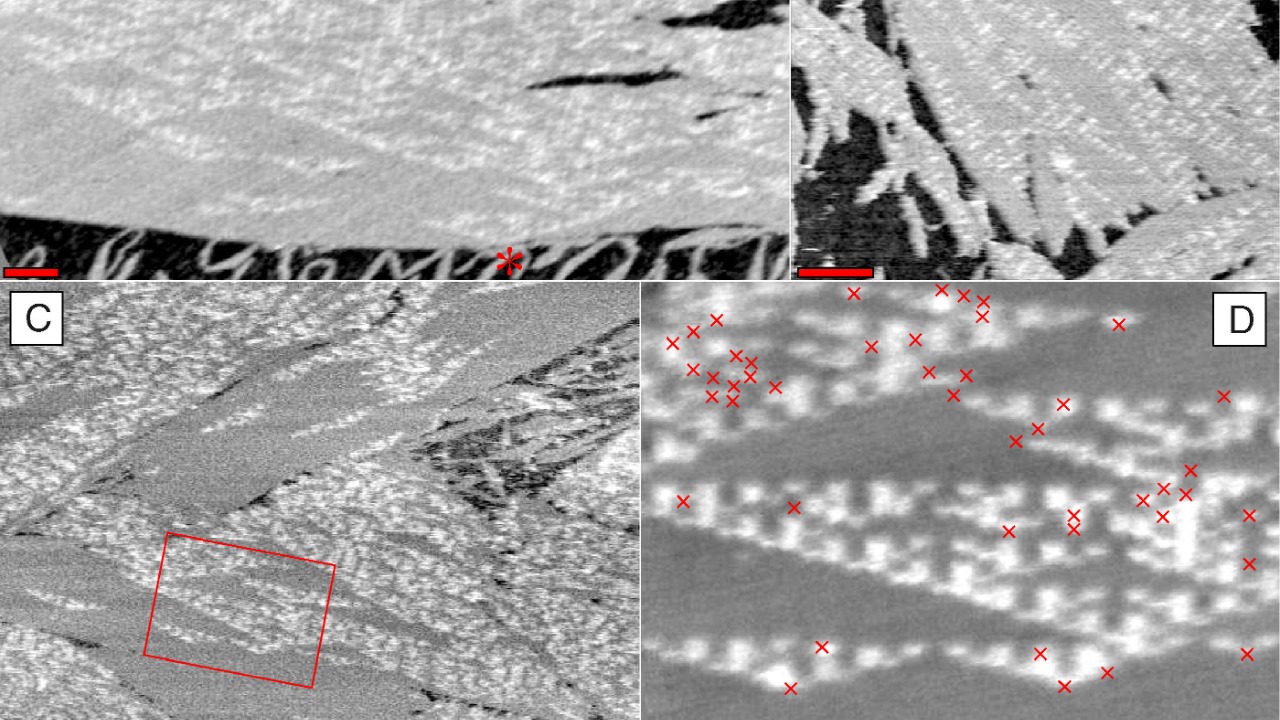
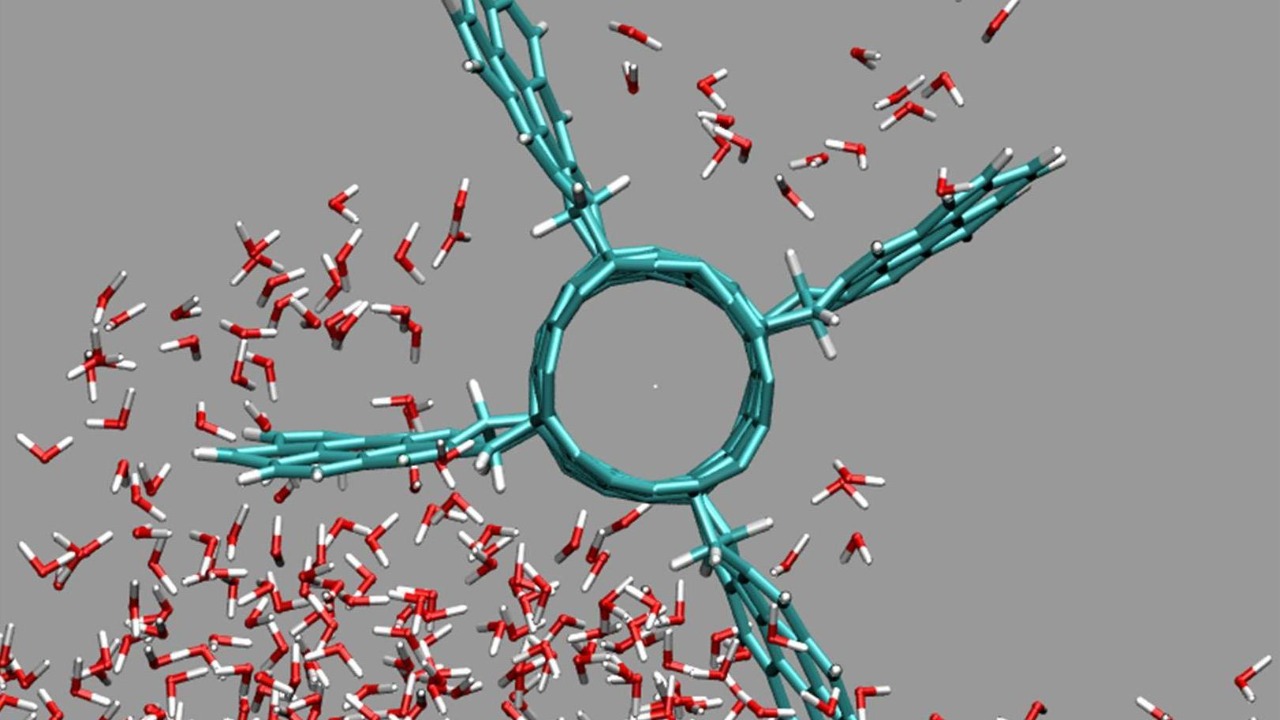
Nanobots are microscopic machines, each smaller than the width of a human hair. They have the potential to perform a multitude of tasks, from identifying and eliminating cancer cells to delivering drugs to specific body areas. The core functionality of nanobots revolves around their ability to manipulate objects at the nanoscale, which is roughly one billionth of a meter.
One of the most intriguing aspects of nanobots is their ability to self-replicate. This is achieved through the application of DNA nanotechnology, a field that uses the principles of molecular self-assembly and DNA to create new structures. According to a New Scientist report, DNA nanobots can replicate exponentially, making them ideal for tasks that require an army of bots. This self-replicating capability opens up a myriad of potential applications, from medicine and environmental cleanup to manufacturing and space exploration.
The Science of Tissue Repair
The natural process of tissue repair typically involves inflammation, tissue formation, and remodeling. When a tissue is damaged, cells in the area begin to produce substances that trigger inflammation. This initial response is followed by the formation of new tissue, which is then remodeled to restore the tissue’s original structure and function.
Current medical treatments for tissue damage vary depending on the extent and type of injury. They can range from non-invasive methods like physical therapy to invasive procedures such as surgeries. While these methods have proven to be effective, they have their limitations. They can be costly, time-consuming, and come with risks of complications. Furthermore, in severe cases, some tissues may not fully recover, leading to permanent impairment.
Nanobots in Tissue Repair: How It Works
So, how can nanobots be used for tissue repair? The process is relatively straightforward yet ingenious. Upon entering the body, nanobots navigate to the damaged tissues. Using their self-replicating ability, they multiply until there are enough of them to start the repair process. They then work at the molecular level to mend the damaged tissue, either by promoting cell growth or by delivering necessary substances.
Several studies have demonstrated the successful use of nanobots in tissue repair. One such research published in the journal Nature showed that nanobots could efficiently repair brain injuries in mice. The nanobots were able to penetrate the blood-brain barrier, a feat that is difficult to achieve with traditional methods, and successfully repaired the damaged brain tissues. This research indicates that nanobots could potentially improve upon current tissue repair methods, making them more efficient and less invasive.
The Potential Impact on Medical Treatment

The impact of nanobots on medical treatments could be profound. For instance, they could revolutionize treatments for injuries and diseases by making them more efficient. With their ability to self-replicate and work at a molecular level, nanobots could potentially repair tissues faster and more accurately than current methods. They could also make treatments less invasive, reducing recovery times and minimizing the risks of complications.
However, the use of nanobots in medical treatments is not without potential risks and ethical considerations. For example, there are concerns about the long-term effects of having self-replicating machines in the body. There is also the question of how to control these nanobots and prevent them from causing unintentional harm. Furthermore, there are ethical issues to consider, such as who should have access to this technology and how it should be regulated.
The Future of Nanobots in Medicine
Looking ahead, the future of nanobots in medicine seems promising. With ongoing advancements in nanotechnology, we can expect to see more sophisticated nanobots capable of performing increasingly complex tasks. For instance, nanobots could one day be used to deliver targeted cancer treatments, reducing the side effects associated with chemotherapy.
However, there are hurdles to overcome before nanobots can become a mainstream treatment option. These include technical challenges, regulatory issues, and societal acceptance. The path to integrating nanobots into mainstream healthcare will undoubtedly be fraught with challenges, but the potential benefits make it a journey worth undertaking.
As we continue to explore the potential of nanobots, it’s exciting to imagine the impact they could have on the medical field. If nanobots become widely used, they could transform how we diagnose and treat diseases, making healthcare more efficient, less invasive, and potentially more effective. The possibilities are vast, and the future of nanobots in medicine is indeed bright.
