In the constant flux of technological advancements, an intriguing development has surfaced in the realm of automotive industry – the concept of self-healing paint. This novel technology not only shields vehicles from scratches, but also amplifies their aesthetic appeal and longevity.
Understanding the Concept of Self-Healing Paint

The science behind self-healing paint is fascinating, merging principles of nanotechnology and polymer science. The concept revolves around the creation of a paint layer that can restore itself when damaged. This technology is not uniform, with variations that offer different types of self-healing properties. Some paints are heat-activated, others react to light, and some even work at a molecular level without external stimuli. The Wiley Online Library offers a detailed exploration of self-healing coatings and their development.
At a molecular level, self-healing paint consists of microcapsules filled with a healing agent. When a scratch occurs, these capsules burst, releasing the healing agent which then fills the scratch and hardens, effectively ‘healing’ the paint. Companies like Feynlab have developed self-healing paint products that work using this principle.
The Application of Self-Healing Paint in the Automotive Industry
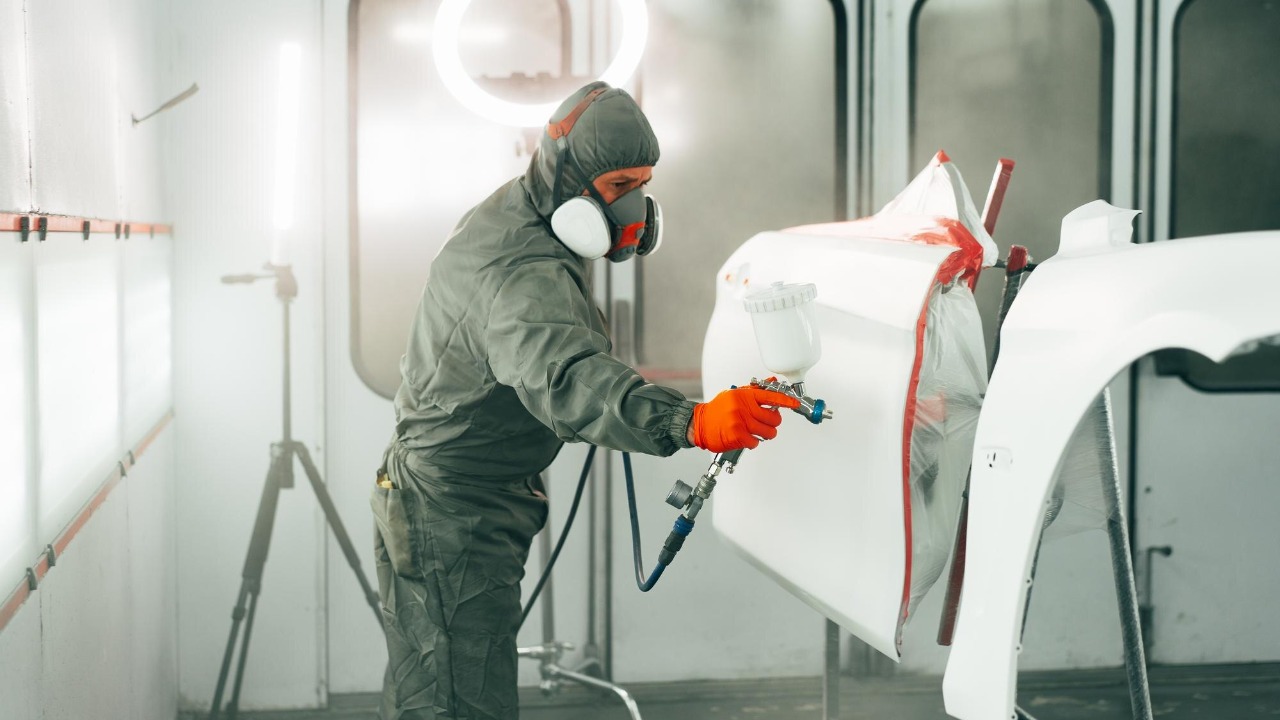
The introduction of self-healing paint technology to cars has numerous advantages. It can significantly enhance vehicle protection, potentially boosting resale value and preserving the aesthetic appeal over time. The process of applying self-healing paint involves the same basic steps as regular paint, with an additional layer of the self-healing product.
Several leading car manufacturers have embraced this technology. Nissan, for instance, introduced self-healing paint in their Infiniti line of vehicles as early as 2005. More recently, Panoz, a boutique American car manufacturer, started offering self-healing paint as a standard feature on all their vehicles, as highlighted in this TFLCar article.
Effectiveness of Self-Healing Paint against Scratches and Other Damage
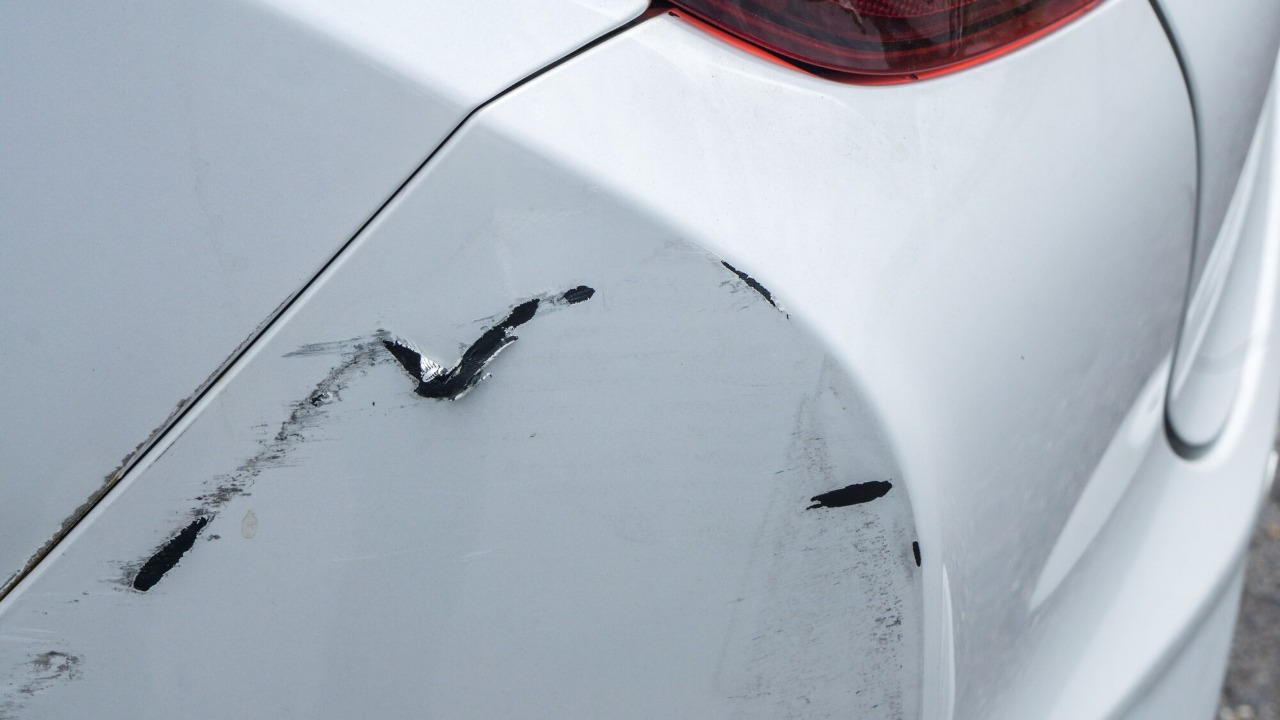
Studies and real-world examples have shown the impressive effectiveness of self-healing paint. However, like any other product, this paint is not without its limitations. The effectiveness depends on the depth and severity of the scratch, and some types of damage may be beyond its healing capabilities. Environmental factors can also impact its performance.
Despite these limitations, self-healing paint has demonstrated superior performance compared to traditional car paint under various testing conditions. A study published on ScienceDirect compared traditional car paint with self-healing paint and found the latter to be significantly more effective in preventing and repairing damage.
Future Prospects and Developments of Self-Healing Paint
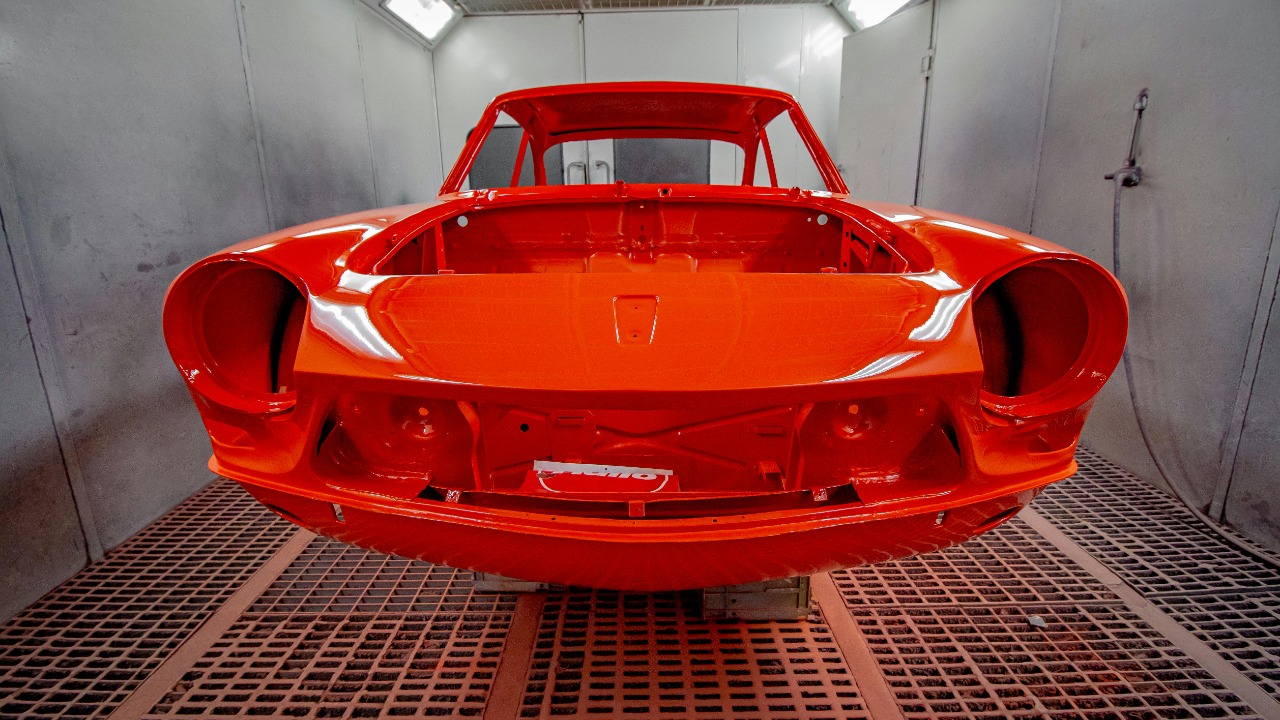
Research is ongoing to improve self-healing paint technology, with a focus on increasing its healing capabilities and making it more cost-effective. As these improvements continue, it’s likely that the use of self-healing paint will become more widespread in the automotive industry.
Furthermore, the potential applications of self-healing paint extend beyond cars. This technology could be applied in numerous other industries, including aerospace, marine, construction, and electronics, where the ability to self-repair could offer significant benefits.
Cost and Accessibility of Self-Healing Paint

As with any advanced technology, the cost of self-healing paint is currently higher than that of traditional car paint, which may limit its accessibility for some car owners. However, when considering the potential benefits, such as enhanced protection and increased resale value, this investment could prove to be worthwhile in the long run.
Self-healing paint services are available at select auto repair shops and dealerships. As the technology becomes more popular, it’s likely that more locations will begin to offer it. The Capital One Auto Learning Center provides some insight into where to find these services. Given the ongoing research and development in this field, it’s also plausible that the cost of self-healing paint will decrease as it becomes more widespread, making it a more accessible option for car owners in the future.
