The advent of self-healing metals marks a significant leap forward in the materials science arena. Exhibiting the remarkable ability to autonomously mend cracks and damage, these metals promise a future where machinery and infrastructure could potentially repair themselves, prolonging their lifespan and functionality.
The Science Behind Self-Healing Metals

Self-healing in metals is a fascinating process born out of a unique atomic phenomenon. When a crack appears in the metal, the atoms around the damaged area move to fill the void. This movement is known as ‘diffusion’. This atomic migration helps the metal to heal itself, a process that can be hastened with the application of heat or mechanical stress.
Heat and mechanical stress serve as catalysts for the self-healing process. When applied, they accelerate the diffusion of atoms, promoting quicker healing of the metal. However, the extent of their effect depends on the specific type of metal and the severity of the damage.
Recent Breakthroughs in Self-Healing Metal Research
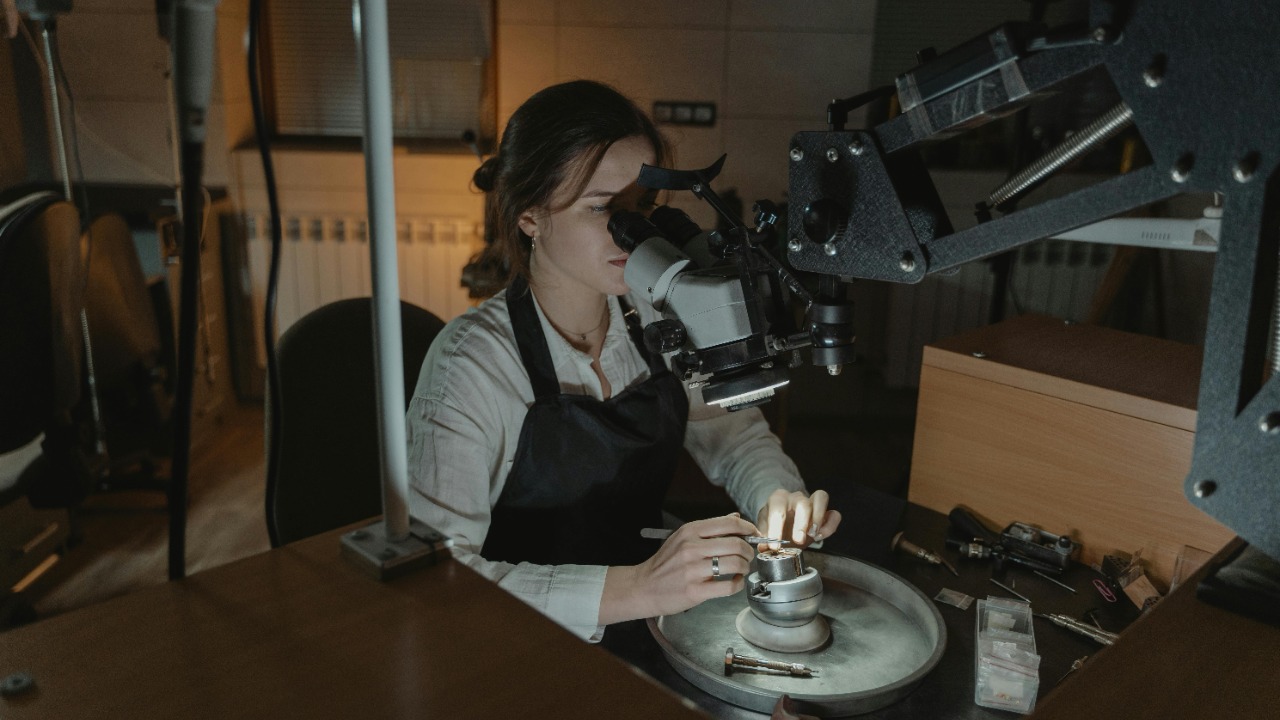
In recent years, there have been several exciting breakthroughs in the field of self-healing metals. One significant discovery came from Northwestern University, where researchers developed a new fluid-inspired self-healing metal. This metal can repair itself before your very eyes, opening up an array of possibilities for its use in various industries.
Another surprising discovery was made when a cracked piece of metal exhibited unexpected self-healing during a lab experiment. This serendipitous observation is now informing further research into how self-healing properties can be incorporated into industrial metals. These developments are indicative of the vast potential of self-healing metals.
Potential Applications of Self-Healing Metals

The implications of self-healing metals are far-reaching, especially for industries heavily reliant on machinery and infrastructure. For instance, the automotive industry could benefit greatly from this technology. Self-healing metals could increase the lifespan of vehicles, reducing maintenance costs and improving safety.
In the fields of aerospace and aviation, self-healing metals could revolutionize maintenance protocols. Aircraft components made from these metals could self-repair, minimizing downtime and enhancing flight safety. Moreover, self-healing metals could play a significant role in sustainable engineering and environment-friendly technology by reducing waste and the need for replacement parts.
Challenges and Limitations of Self-Healing Metals
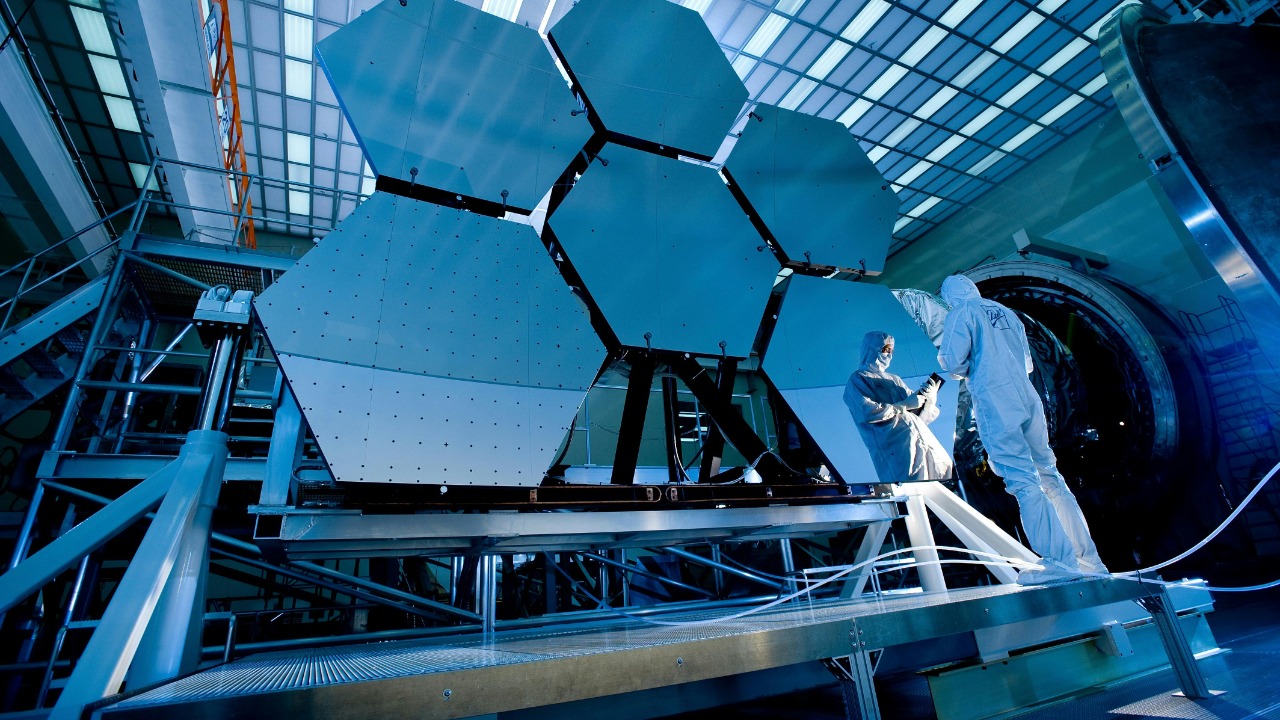
Despite the considerable potential of self-healing metals, there are still challenges to overcome. Currently, the speed of self-repair in these metals is relatively slow, making it unsuitable for use in some applications. Furthermore, the necessity of heat and mechanical stress as triggers for self-healing can be limiting. These requirements may not always be feasible, especially in conditions where the application of heat or stress could cause further damage.
The commercialization of self-healing metal technology also poses a significant challenge. Scaling up production and making the technology economically viable for widespread use will require further research and development.
The Future of Self-Healing Metals
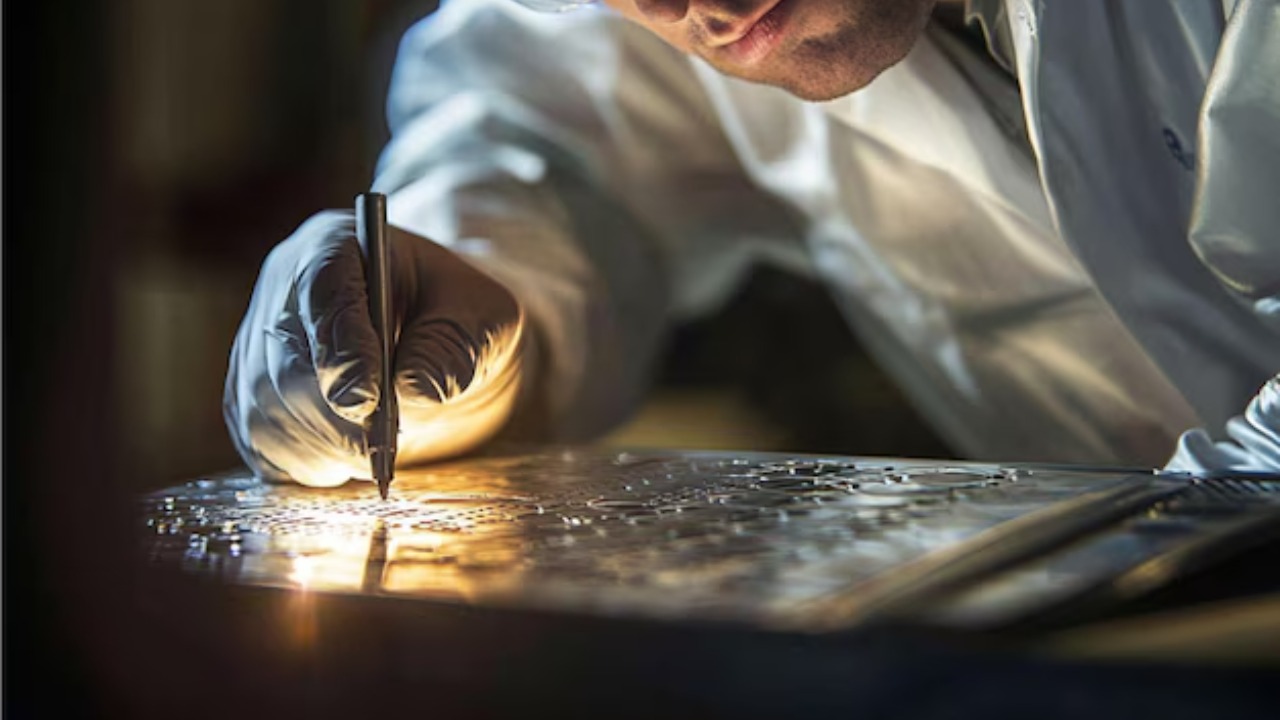
Despite the aforementioned challenges, ongoing research continues to explore the potential of self-healing metals. Scientists are working to improve the speed of self-repair and to develop ways to trigger the healing process without the need for heat or mechanical stress. The future of self-healing metals looks promising, with the potential to transform a range of industries.
From the automotive to the aerospace industry, from sustainable engineering to environment-friendly technology, the implications of self-healing metal technology are vast. As research progresses, it becomes increasingly clear that self-healing metals have the potential to significantly impact our daily lives and the environment, heralding a new era in material science.
