Self-healing concrete is emerging as a revolutionary material in the construction industry, promising to extend the lifespan of infrastructure while reducing maintenance costs. Currently being trialed in various locations, this innovative concrete technology could transform the way we approach building and repair. Explore the principles, benefits, and challenges of self-healing concrete, along with insights from ongoing trials.
Understanding Self-Healing Concrete
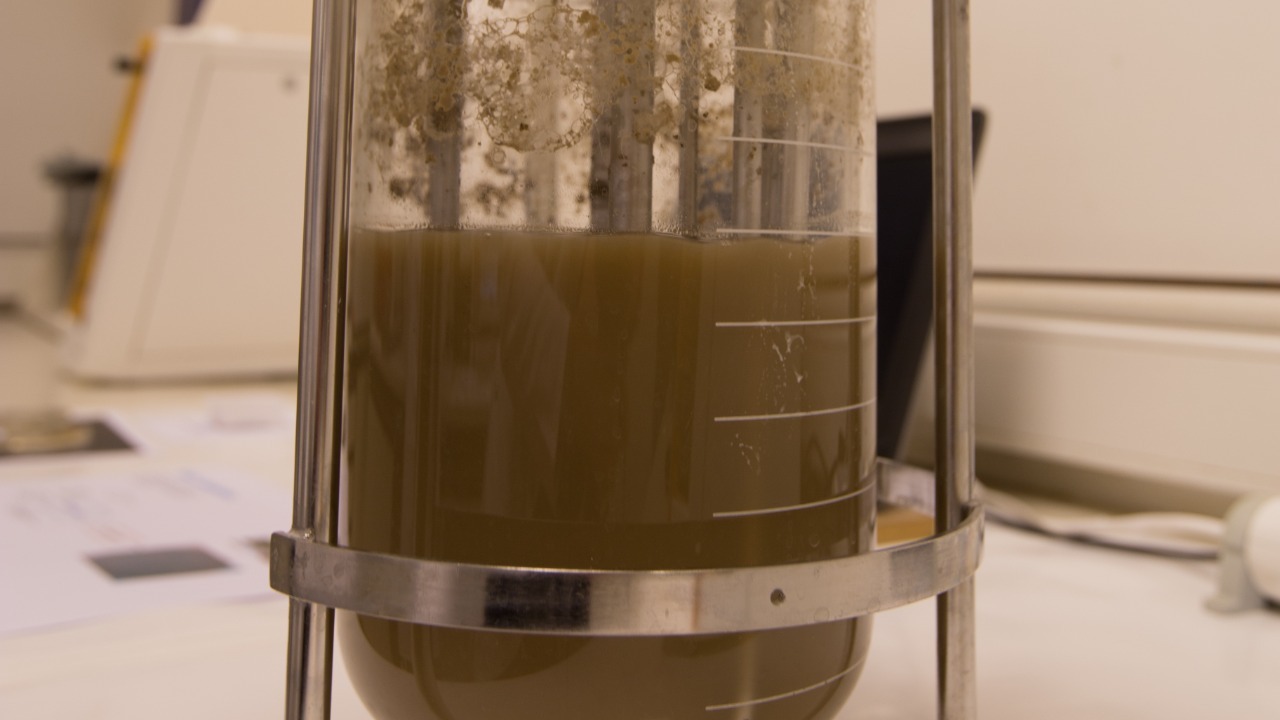
Self-healing concrete is a groundbreaking development that mimics biological healing processes to repair itself when damaged. This innovative material is designed to fill and seal cracks autonomously, potentially leading to longer-lasting and more resilient infrastructure. At its core, self-healing concrete functions by incorporating materials that activate upon exposure to environmental elements like water or air, initiating a repair process akin to how the human body heals cuts and bruises.
The evolution of self-healing concrete has been marked by significant milestones, from early-stage research to contemporary advancements. The concept was first explored decades ago, but only in recent years has the technology advanced to a point where large-scale trials are feasible. This progress has been driven by a deeper understanding of materials science and the integration of innovative materials such as bacteria, microcapsules, and shape-memory polymers, which are crucial for the self-healing process.
Technological Foundations and Innovations
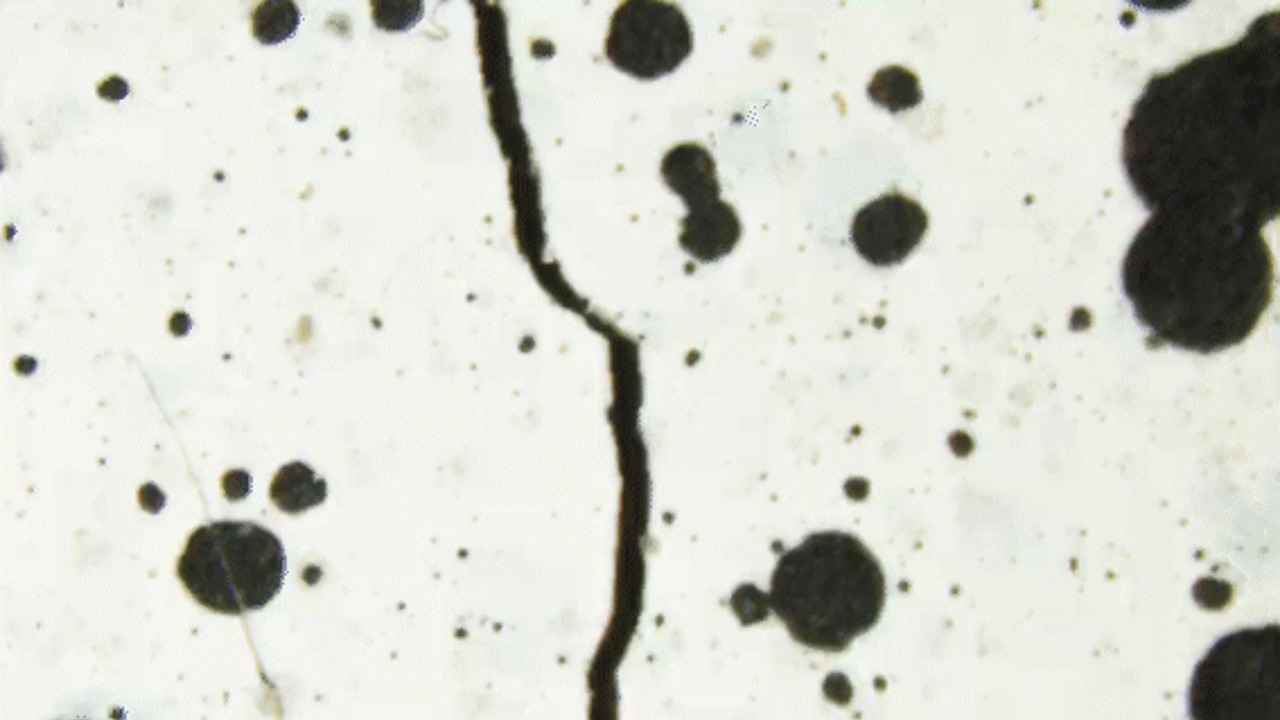
One of the key technological foundations of self-healing concrete is Engineered Cementitious Composites (ECC). ECC principles enhance the self-healing properties of concrete by incorporating fibers and other additives that allow for tight crack control and improved durability. The flexibility and tensile strength provided by ECC contribute significantly to the concrete’s ability to heal itself.
Another innovative approach is Microbial-induced calcite precipitation (MICP), which leverages bacteria to precipitate calcite and seal cracks. This method not only enhances the structural integrity of the concrete but also improves its resistance to environmental degradation. Recent advancements in this field have shown promising results, with researchers continually pushing the boundaries of what’s possible with self-healing concrete technology.
Current Trials and Case Studies
Globally, self-healing concrete is being trialed in various locations, aiming to demonstrate its efficacy in real-world conditions. Among these trials, one of the most significant is taking place in the UK, where the first large-scale trial is underway. This trial focuses on evaluating the performance of self-healing concrete in different environmental settings and its potential to reduce maintenance costs and extend the lifespan of infrastructure.
The UK’s first large-scale trial is particularly noteworthy as it aims to gather comprehensive data on the material’s performance. Initial results have been promising, with early observations indicating that the self-healing properties are effective in sealing cracks and restoring structural integrity. However, these trials also highlight areas for improvement, such as optimizing the mix design for different climates and ensuring consistent performance across various applications.
Benefits and Potential Impact
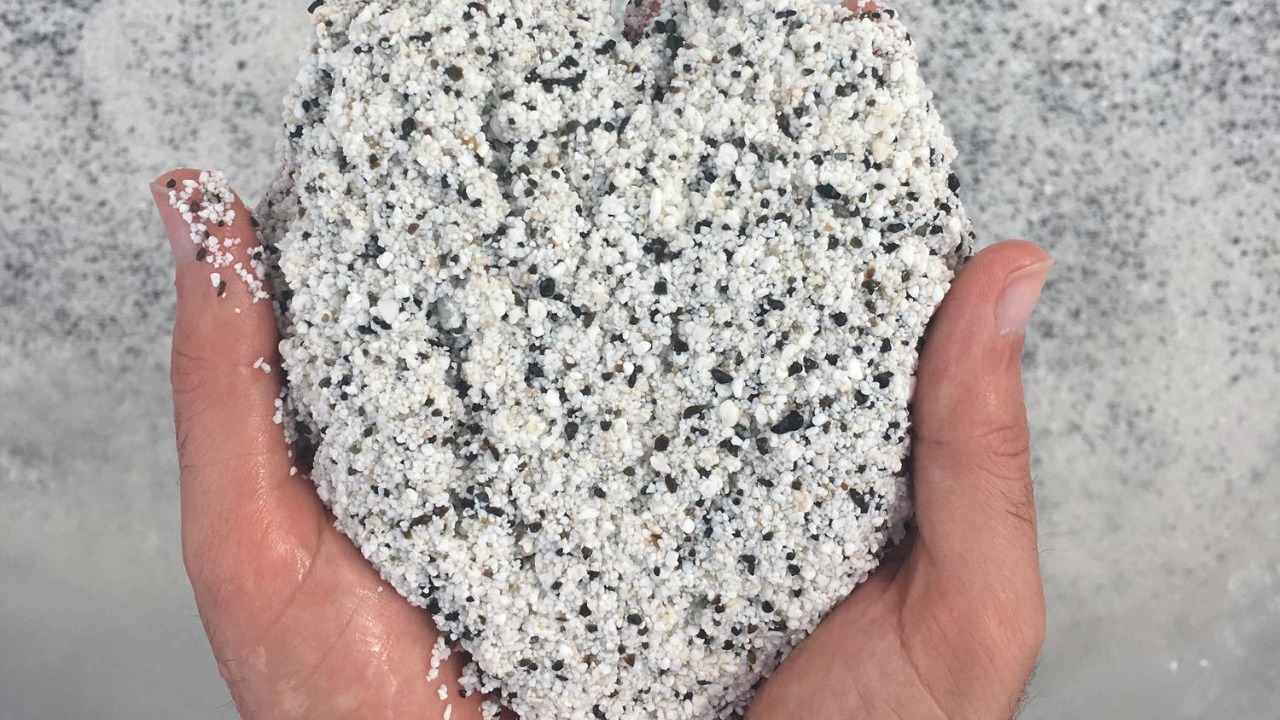
The potential benefits of self-healing concrete are substantial, particularly in terms of economic and environmental impact. By reducing the need for frequent repairs and maintenance, self-healing concrete can lead to significant cost savings. These savings are not only beneficial for construction companies but also for taxpayers and governments responsible for public infrastructure.
From an environmental perspective, self-healing concrete offers a more sustainable solution by minimizing waste and resource usage. The ability to extend the life of concrete structures means fewer materials are needed for repairs and replacements, contributing positively to sustainability goals. Additionally, the use of self-healing concrete could have profound societal implications, enhancing public safety and supporting urban development by creating more resilient infrastructure.
Challenges and Future Directions
Despite its potential, self-healing concrete faces several technical hurdles that must be addressed. Scalability remains a significant challenge, as researchers work to ensure that the performance of self-healing concrete is consistent across diverse environments and applications. The integration of these materials with existing infrastructure also requires careful consideration to ensure compatibility and effectiveness.
Ongoing research and development are crucial to overcoming these challenges, with a focus on long-term durability and the refinement of self-healing mechanisms. As the field continues to evolve, experts speculate that self-healing concrete could become a standard in the construction industry over the next decade, fundamentally changing how we approach building and maintenance.
