As we witness the rapid evolution of autonomous vehicle technology, a new era of urban transportation and city planning seems imminent. The United States, known for its technological prowess, is on the verge of a potential surge in self-driving cars. Failure to prepare for this could lead to significant challenges for its cities.
The Growth of Self-driving Cars and Urbanization
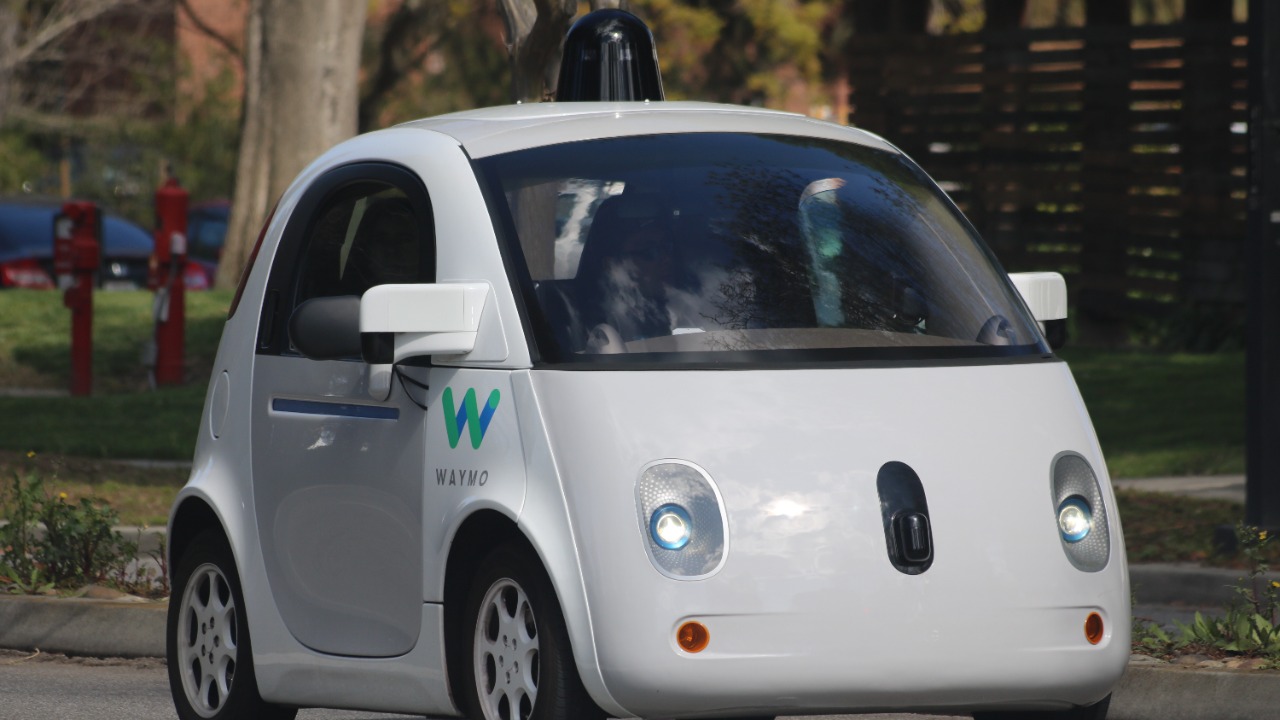
The progression and acceptance of autonomous vehicle technology has been swift. Self-driving cars, once merely figments of imagination, are now a reality. This growth is akin to the rapid urbanization observed in US cities. A recent Bloomberg article points out how the urban population is growing faster than our capacity to accommodate it.
This trend, combined with the surge in autonomous vehicles, will undoubtedly impact city infrastructure. Transportation systems will need to adapt to the changing dynamics brought about by self-driving cars, posing a challenge to city planning and infrastructure development.
Self-Driving Cars and Increased Congestion
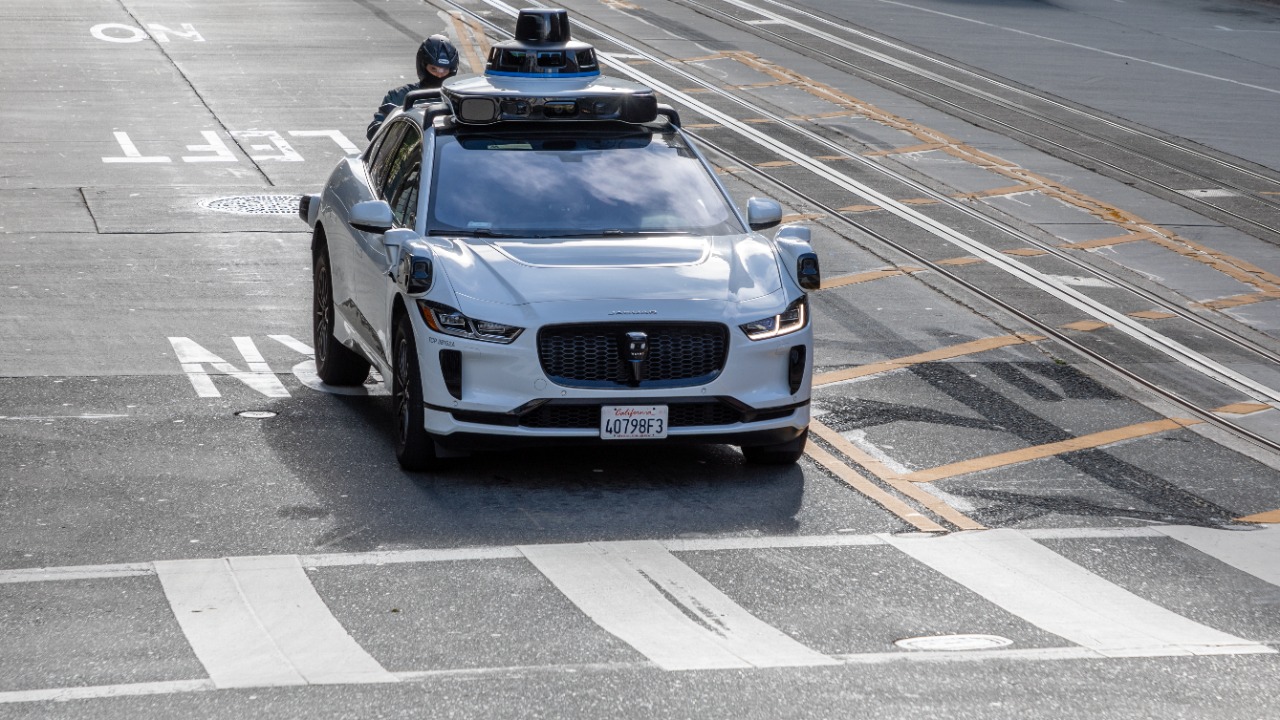
One of the significant concerns with the rise of self-driving cars lies in the potential increase in traffic congestion. As outlined in this Vox piece, autonomous vehicles might contribute to traffic build-up. This is partly due to the possible emergence of “zombie cars” – self-driving vehicles roaming around without passengers to avoid parking fees.
This increase in congestion could greatly affect city planning and the daily lives of urban dwellers. Cities may need to redesign their streets to accommodate the free-flowing movement of self-driving cars, and residents will need to adjust to the changing traffic patterns.
The Self-Driving Car Traffic Jam: A Case Study in Atlanta
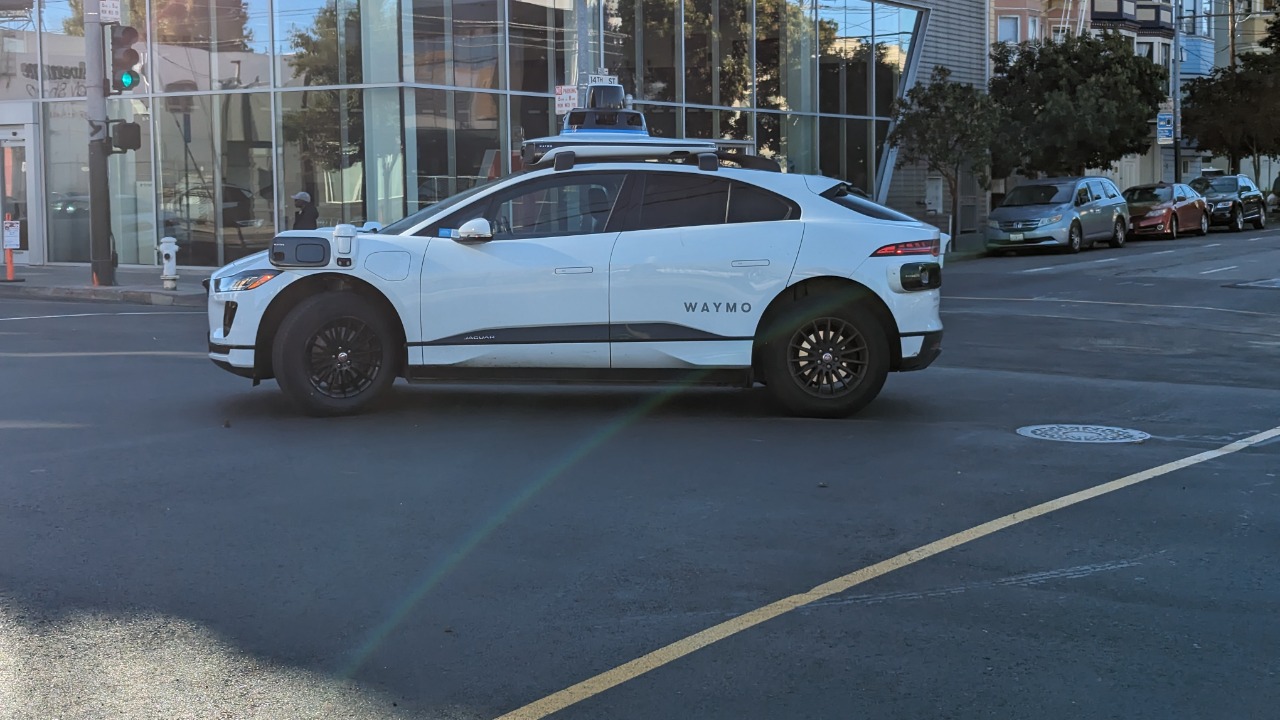
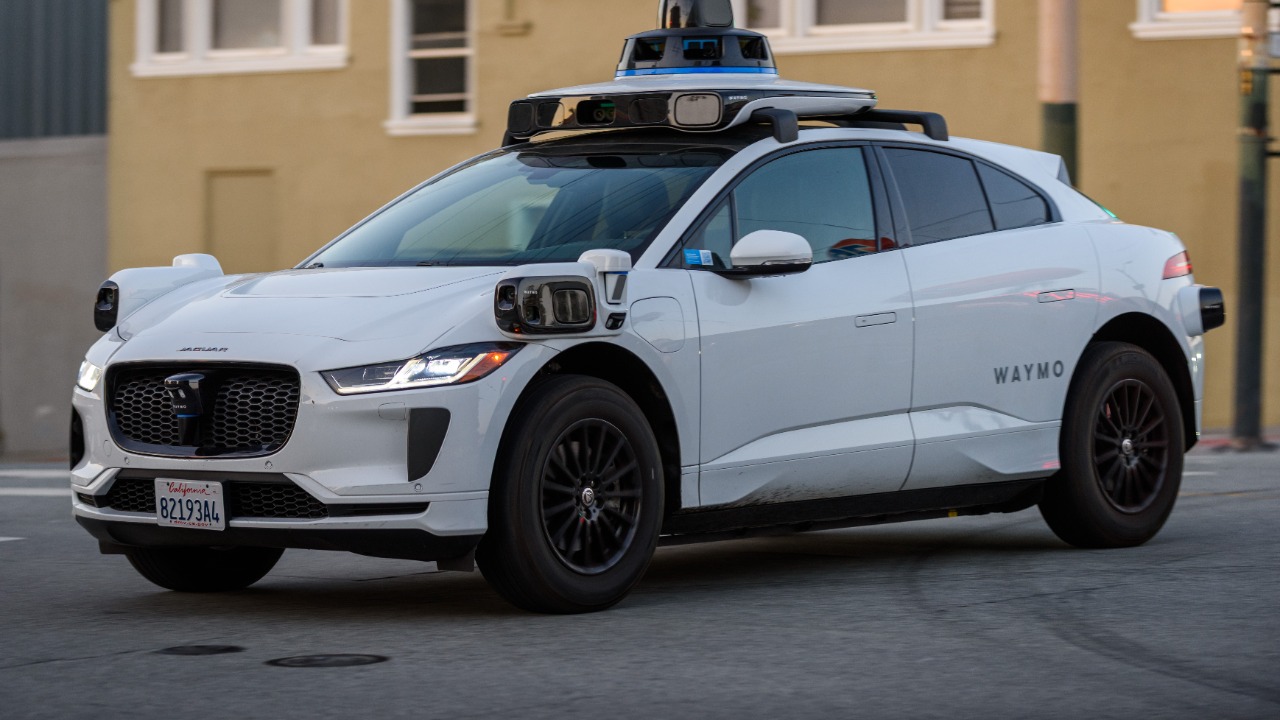
To better understand this issue, let’s take a look at Atlanta. According to an 11Alive news investigation, the introduction of Waymo’s self-driving cars has significantly affected traffic patterns in the city. The impact has been substantial enough to raise concerns among local residents.
The city is actively responding to these concerns. Various measures are being considered to efficiently integrate autonomous vehicles into the existing traffic system. However, this case study serves as a stark reminder of the challenges cities might face with the increased adoption of self-driving cars.
Planning for a Future with Self-Driving Cars
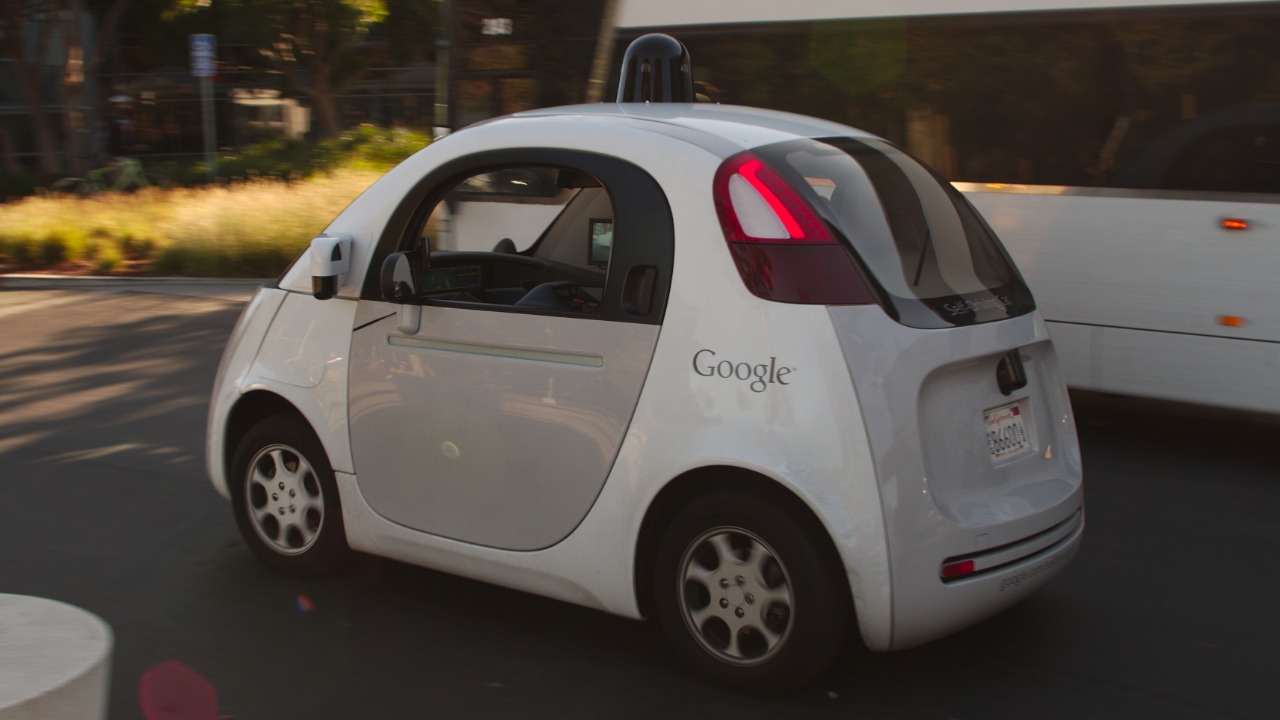
As the number of self-driving cars on the road grows, it becomes increasingly important for cities to plan for their integration. As city planning expert David Zipper points out, a properly thought-out approach can help cities avoid potential traffic issues and make the most of self-driving technology.
One possible solution could be the creation of dedicated lanes for autonomous vehicles. While this could effectively manage traffic and ensure smoother travel, it also poses questions about space allocation and road use. The benefits and drawbacks of such solutions need to be carefully evaluated.
The Potential Environmental Impact of Self-Driving Cars
The environmental impact of self-driving cars is also a crucial aspect to consider. A study published in ScienceDirect explores this in detail. On the one hand, self-driving cars could potentially reduce emissions through more efficient driving. On the other hand, they could increase energy usage for computing and sensor systems, negating some of the positive impacts.
As we continue to advance towards a future dominated by self-driving cars, these potential environmental impacts cannot be overlooked. It is crucial to strike a balance between technological progress and environmental sustainability, ensuring that the growth of autonomous vehicles does not come at the cost of our planet.
