
Technology has been a game-changer in many industries, and farming is no exception. In particular, the advent of self-driving tractors has managed to revolutionize agriculture, leading to a substantial increase in farm yields.
Evolution of Farming Technology: From Manual to Autonomous
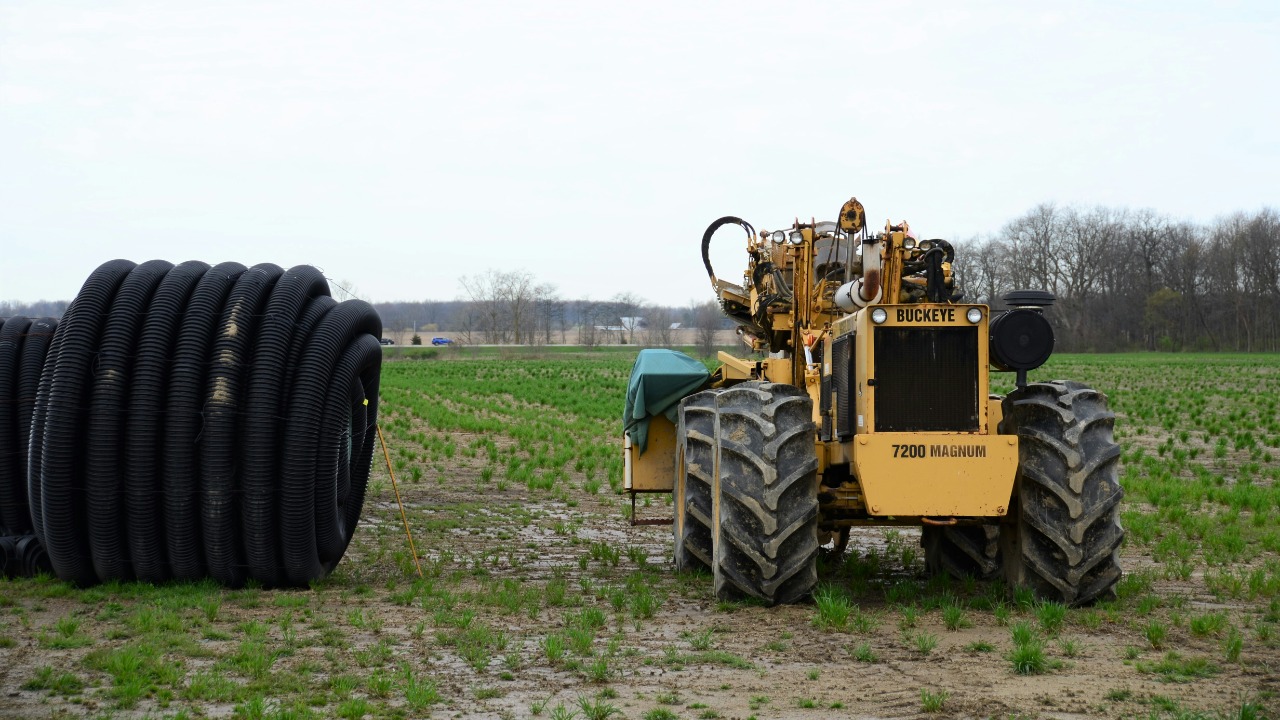
Looking back, farming has come a long way from being labor-intensive and manual to becoming mechanized and automated. Early farmers relied heavily on manual labor and simple tools for tilling, planting, and harvesting. With the industrial revolution, farming saw the introduction of mechanized tools like tractors and combines, leading to increased productivity and efficiency. More recently, the latest development in farming technology is the introduction of self-driving tractors.
These autonomous machines are equipped with advanced technologies, enabling them to perform farming tasks without human intervention. The transition from manual to autonomous farming has not only enhanced productivity but also brought about a paradigm shift in how farming is perceived and conducted.
Working Mechanism of Self-Driving Tractors
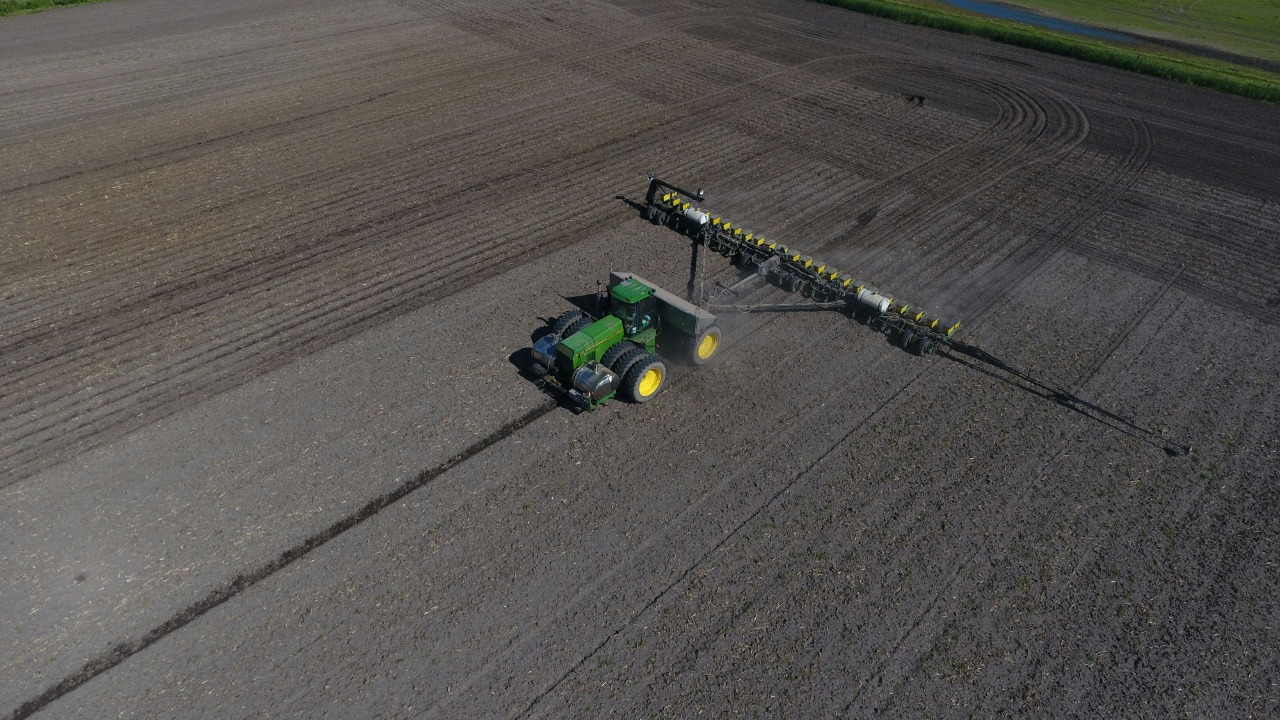
The operation of self-driving tractors is supported by various technologies, including GPS, sensors, and artificial intelligence (AI). These tractors use GPS to navigate through the fields, while sensors help detect obstacles and monitor the tractor’s performance. AI technology is used for decision-making, such as when to start or stop the tractor, and adjusting the tractor’s speed based on the field’s condition.
These tractors also use machine learning algorithms to learn from their environment and improve their performance over time. In addition, they can be remotely monitored and controlled, providing the farmer with real-time data and the ability to intervene if necessary. The working mechanism of these tractors showcases how technology is supporting autonomous farming.
Impact of Self-Driving Tractors on Farm Yields
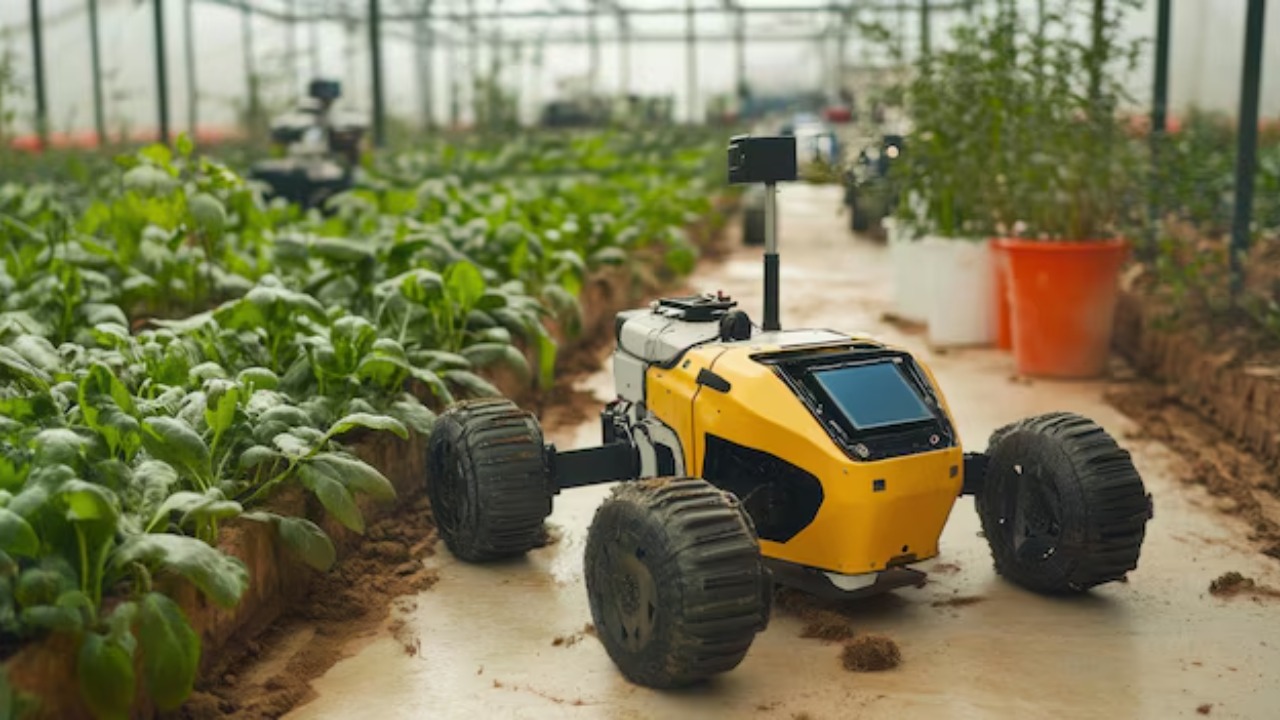
With the introduction of self-driving tractors, there has been a significant increase in farm yields. According to various studies, these autonomous machines have contributed to doubling farm yields. The primary factors contributing to this increase include precision farming and reduced human error. Self-driving tractors are capable of precise operations, such as planting seeds or applying fertilizers at the exact required locations and quantities, thereby maximizing the crop yield.
In addition, by eliminating the human factor, these tractors reduce errors that can lead to wastage or damage to crops. Moreover, they can operate continuously without breaks, unlike human-operated tractors, further enhancing productivity. These factors have collectively contributed to the increase in farm yields since the introduction of self-driving tractors.
Economic and Environmental Benefits of Self-Driving Tractors
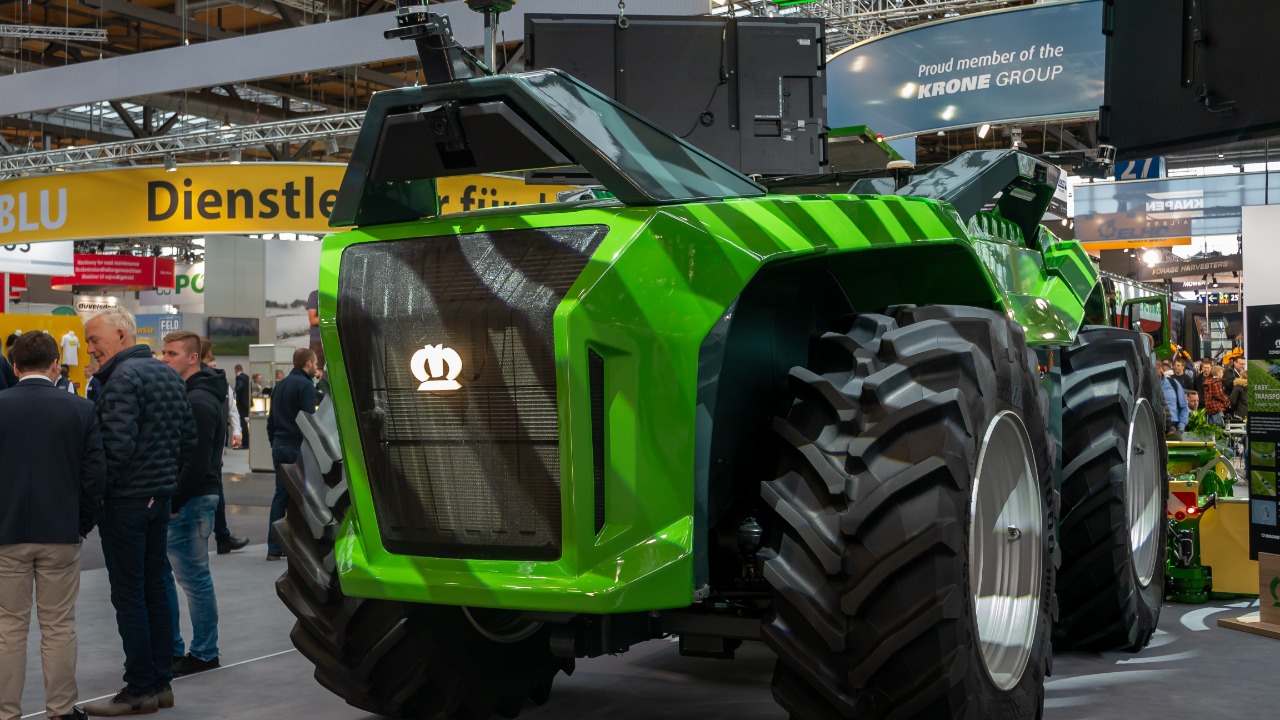
Autonomous tractors have not only increased farm yields but also brought about economic and environmental benefits. Economically, these tractors save labor costs and increase productivity, leading to higher profits for farmers. They also reduce the need for skilled labor, which is often a challenge in rural areas.
Environmentally, self-driving tractors contribute to sustainable farming practices. They optimize the use of resources like water and fertilizer, reducing waste and environmental impact. Moreover, they can run on electric power, reducing carbon emissions compared to traditional diesel-run tractors. The economic and environmental benefits of self-driving tractors make them an appealing option for modern farming.
The Future of Self-Driving Tractors and Autonomous Farming
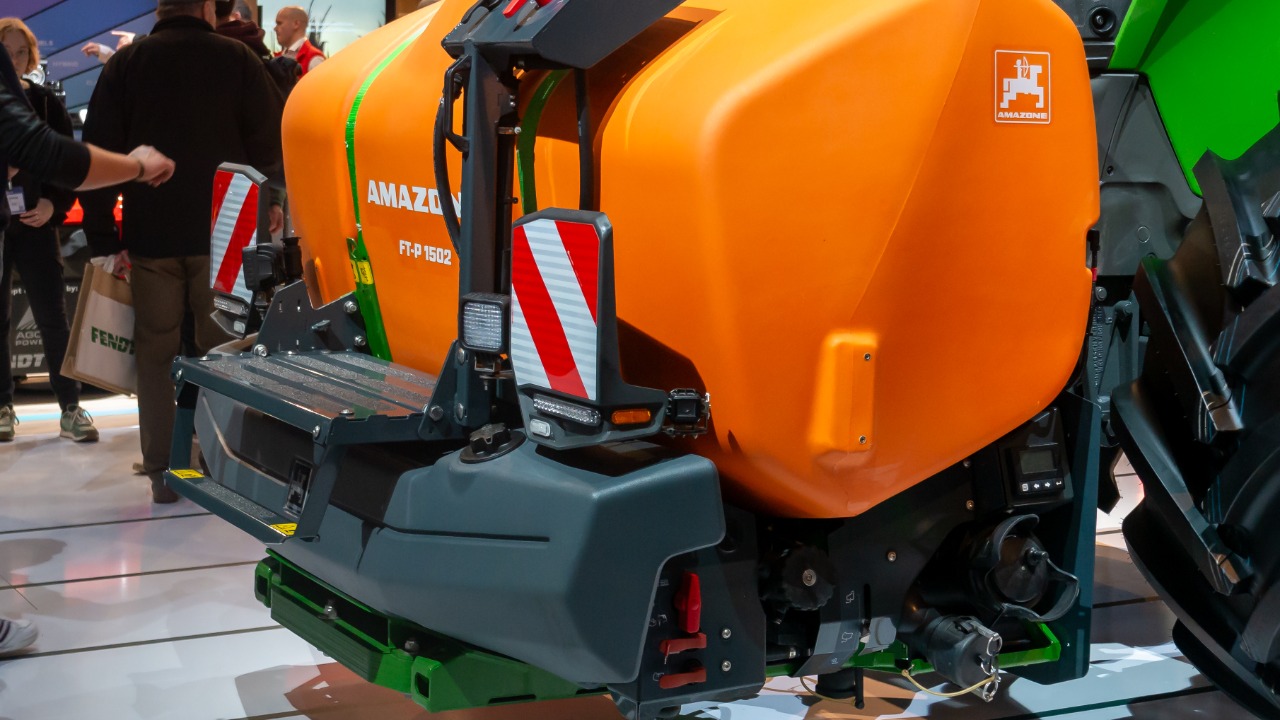
The future of farming is likely to see more advancements in self-driving tractor technology and autonomous farming. As technology evolves, these tractors are expected to become more sophisticated and efficient. They might even be integrated with other technologies, such as drones and IoT devices, to further enhance farming operations.
However, the widespread adoption of self-driving tractors also presents challenges, primarily related to regulation, infrastructure, and acceptance by farmers. Addressing these challenges will require coordinated efforts from policymakers, technology providers, and the farming community. Despite these challenges, the future of autonomous farming looks promising, driven by the significant benefits that self-driving tractors offer.
