
The continuous evolution of technology is paving the way for novel methods to enhance operational efficiency and slash costs across various industries. A prime example of this innovation is the deployment of self-driving forklifts in warehouses, a change that’s transforming logistics and supply chain management by delivering increased productivity and significant cost reductions.
The Emergence of Self-Driving Forklifts
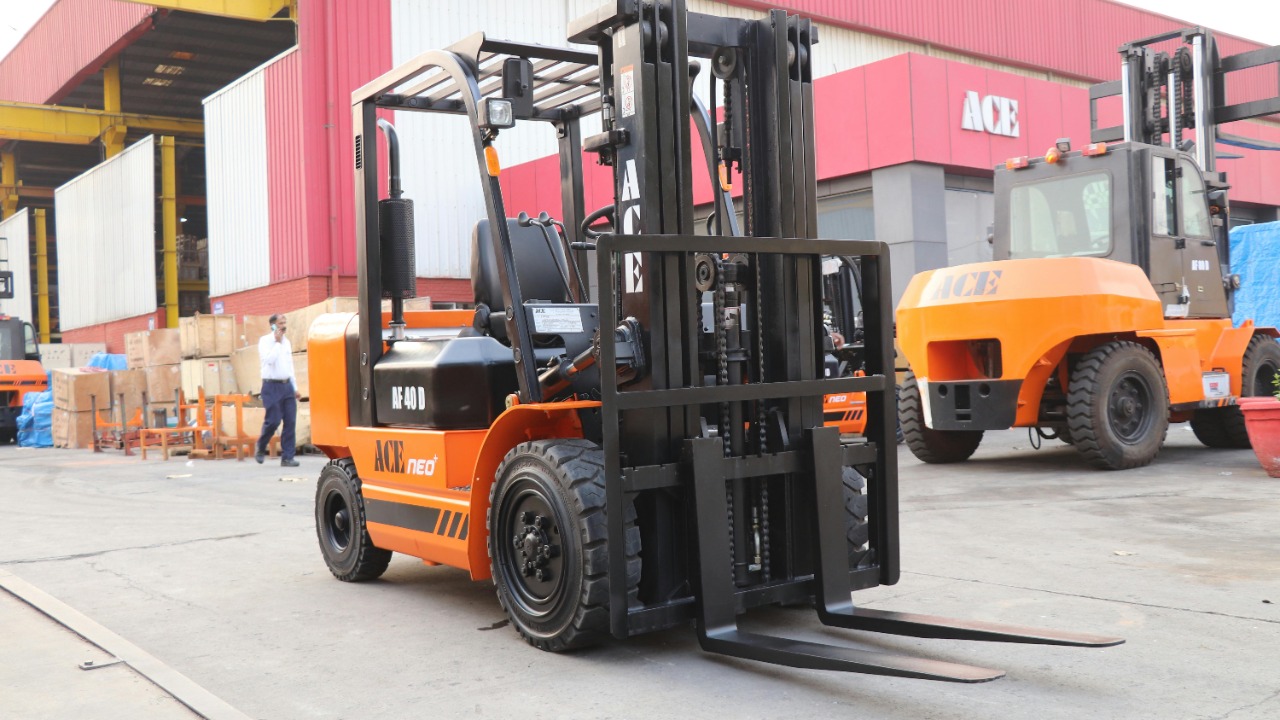
Autonomous forklifts have been making waves in warehouse operations, primarily due to their potential to optimize productivity and cut operational costs. This rise can be attributed to several key factors, including advances in robotics, the expanding e-commerce sector, and the increasing demand for efficient logistics.
Current market trends in autonomous freight suggest a promising future for self-driving forklifts. As companies continue to prioritize efficiency and cost-effectiveness, the adoption of this technology is expected to accelerate, leading to even more innovative applications and improvements.
How Self-Driving Forklifts Reduce Warehouse Costs
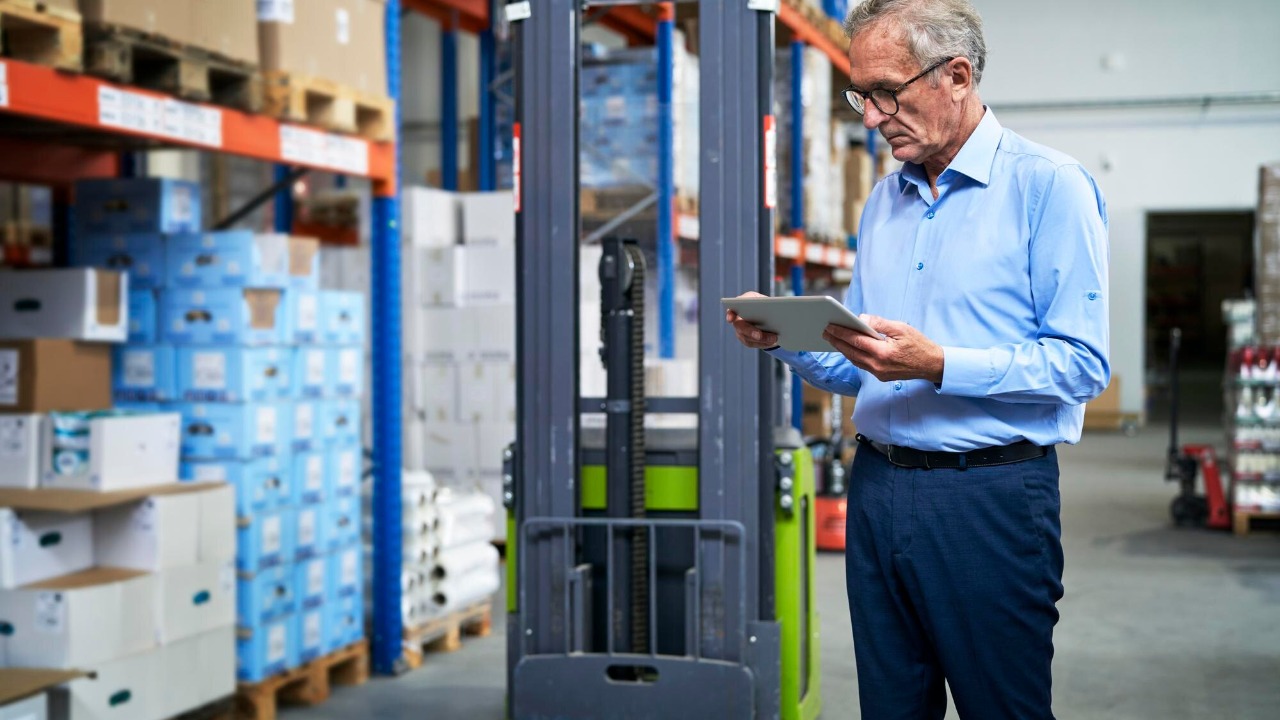
One of the most substantial advantages of self-driving forklifts is the marked reduction in labor costs. By automating tasks traditionally performed by humans, companies can reallocate their workforce to more strategic roles, thereby maximizing human resources. Moreover, autonomous forklifts can operate around the clock, sharply increasing productivity and efficiency.
Additionally, automated forklifts offer lower maintenance and operational costs. They are programmed to follow the most efficient paths, reducing wear and tear and, by extension, maintenance expenses. By integrating autonomous forklifts, companies can significantly reduce their operational costs, leading to higher profit margins.
Case Studies of Cost Reduction with Self-Driving Forklifts
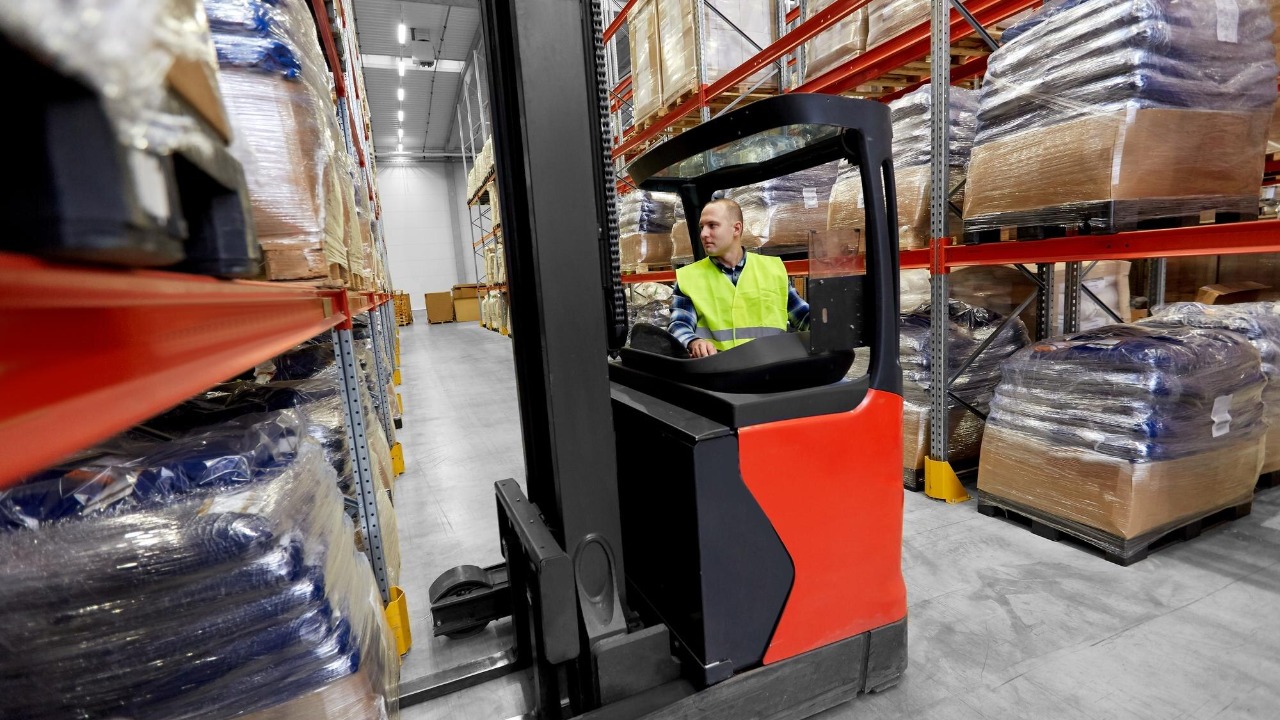
Several companies have already reaped the benefits of implementing self-driving forklifts. The Kion Group, for example, incorporated autonomous forklifts as part of their cost-cutting plan, which has contributed significantly to their operational efficiency and cost savings.
Another success story is VisionNav, which has successfully integrated self-driving forklifts into its operations. The implementation resulted in increased productivity, reduced labor costs, and a more streamlined workflow. These case studies provide valuable insights for other companies considering adopting this technology.
Challenges and Solutions in Implementing Self-Driving Forklifts
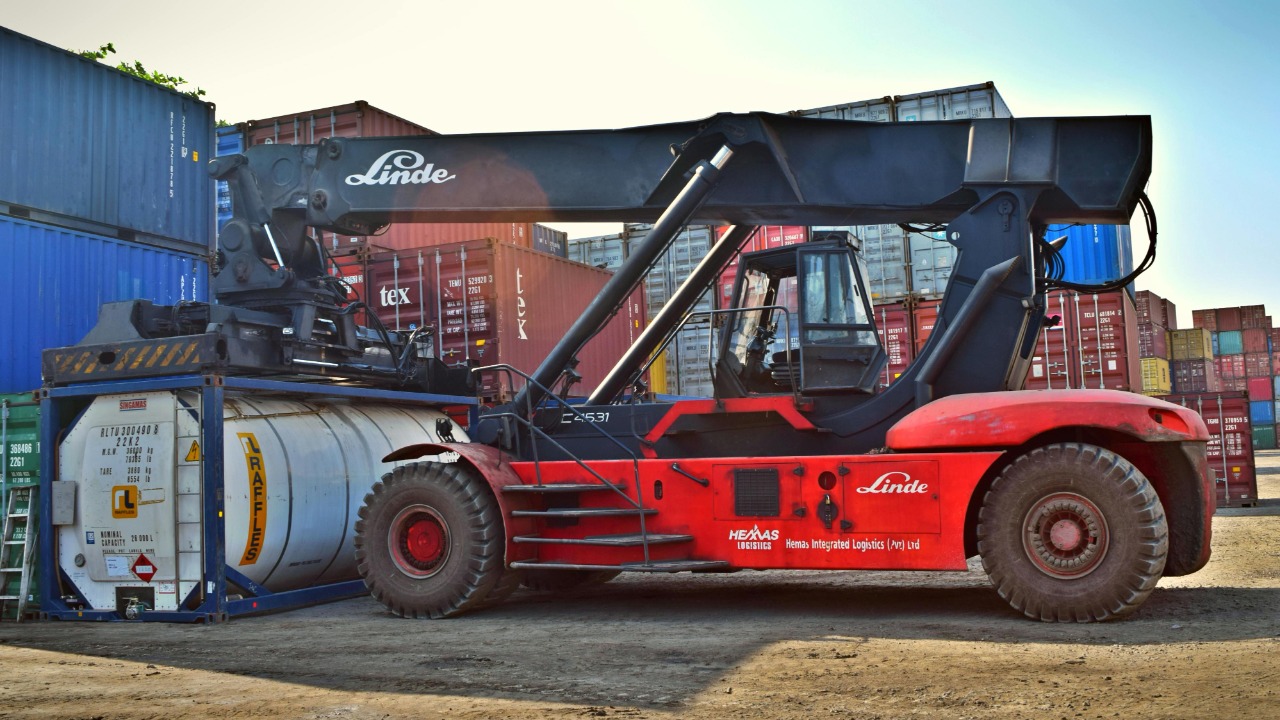
Like any new technology, autonomous forklifts come with their own set of challenges. These can include initial setup costs, the need for specialized training, and ensuring safety and reliability. However, companies can overcome these hurdles by adopting a phased implementation approach, investing in staff training, and leveraging technology to ensure the safety of their operations.
Ensuring the reliability of self-driving forklifts is also critical. This involves constant monitoring and maintenance, as well as integrating them smoothly into existing operations. With the right strategies, companies can minimize these challenges and maximize the benefits of this technology.
The Future of Warehouse Operations with Self-Driving Forklifts
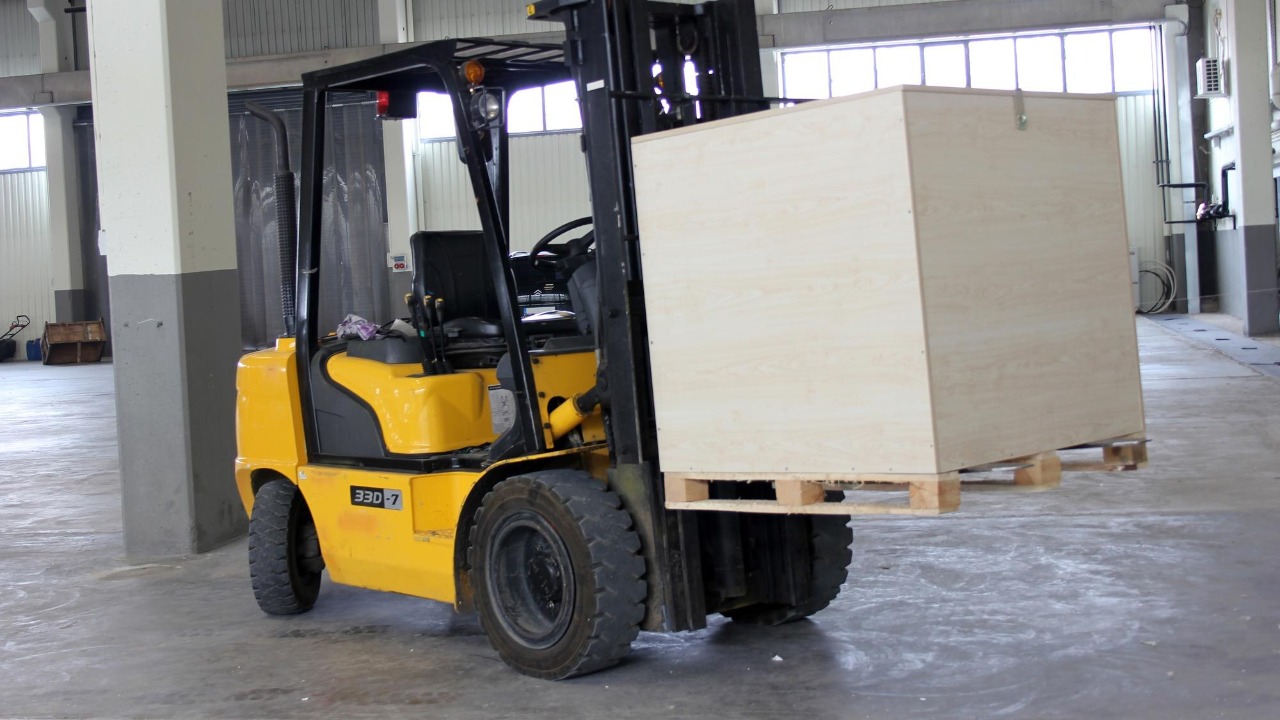
Autonomous forklifts are set to play a crucial role in the future of warehouse operations. As part of the broader trend of warehouse automation, self-driving forklifts are expected to become even more prevalent. They will likely drive further innovations, such as advanced path planning and improved safety features.
Moreover, the data collected by these forklifts can also be used to further optimize operations, leading to even greater efficiency and cost savings. As technology continues to improve, we can expect to see even more advancements in autonomous forklift technology, further revolutionizing warehouse operations.
