As we continue to make strides in environmental conservation, the shipping industry is also making significant transitions. The introduction of autonomous or self-driving cargo ships has led to a notable decrease in carbon emissions, with estimates around a 40% reduction.
The Emergence of Self-driving Cargo Ships

Self-driving cargo ships, also known as autonomous vessels, are a cutting-edge innovation in the shipping industry. Utilizing advanced technology, these ships can navigate and operate without any human intervention onboard. This is made possible by integrating artificial intelligence, satellite technology, and advanced sensors that allow the ship to perceive its environment and make decisions based on the data collected. The world’s first fully autonomous zero-emissions ship is a testimony to how far this technology has come.
Historically, the development of autonomous ships was driven by the need to improve efficiency and reduce human error in the shipping industry. With the advancement of technology, particularly in artificial intelligence, machine learning, and sensor technology, the vision of self-driving ships is now a reality, revolutionizing the way goods are transported across the seas.
Impact on Emissions

One of the most significant advantages of autonomous cargo ships is their potential to reduce carbon emissions drastically. This is largely due to the incorporation of renewable energy sources, such as solar and wind power, and the use of more efficient propulsion systems. Furthermore, they employ advanced navigation systems that optimize routes for fuel efficiency, thereby reducing the overall carbon footprint.
Another key element in emissions reduction is the use of modular carbon capture technology. This innovative system captures and stores carbon dioxide emissions, preventing them from being released into the atmosphere. According to a Reddit post, this technology can significantly decrease carbon emissions from cargo ships. When comparing these autonomous ships with traditional methods, the reduction in emissions is quite remarkable, marking a significant step towards a more sustainable shipping industry.
Benefits Beyond Emissions
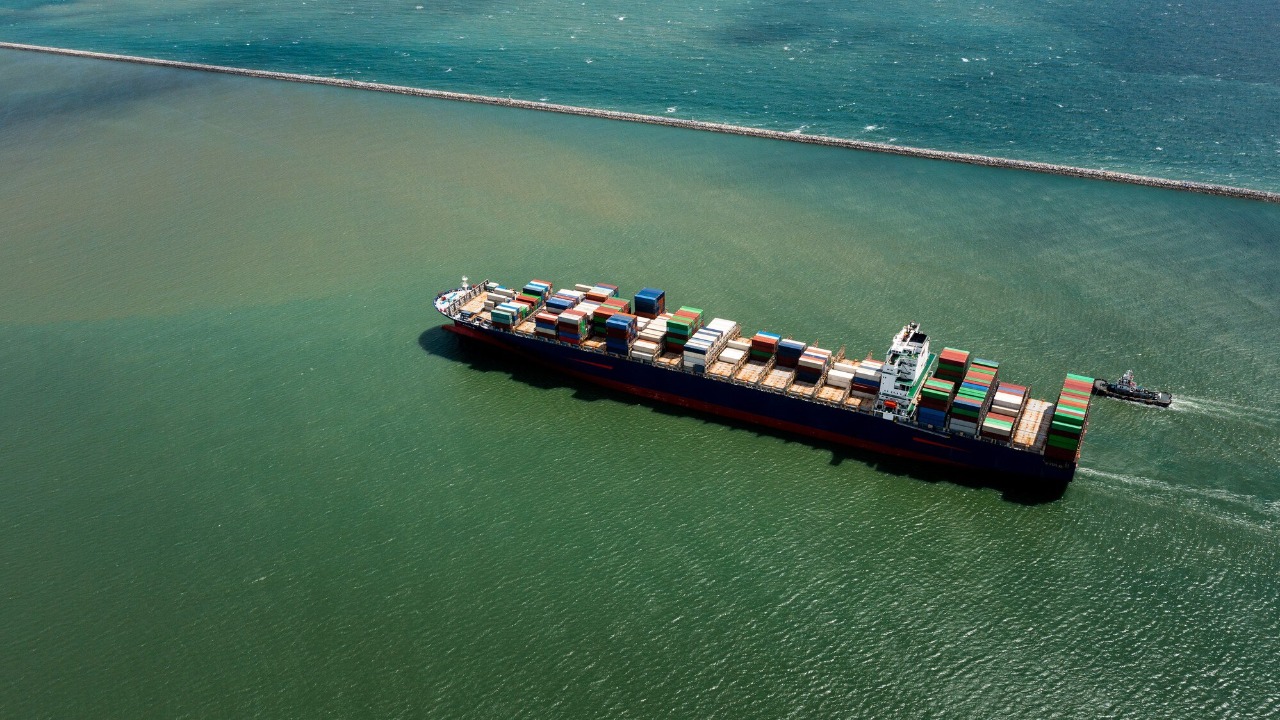
While the reduction in emissions is a significant advantage, self-driving cargo ships offer several other environmental and economic benefits. For instance, the optimization of ship operations can lead to reduced energy usage and waste. This not only helps in conserving resources but also contributes towards a cleaner marine environment.
From an economic perspective, autonomous shipping can lead to substantial cost savings in the long run. Reduced crew expenses, improved fuel efficiency and minimized maintenance costs contribute to these savings. Additionally, the use of advanced technology can potentially improve safety in the shipping industry by minimizing human error, one of the leading causes of maritime accidents.
Case Study: The Port of Long Beach’s Transition to Net Zero Emissions

The Port of Long Beach, one of the world’s busiest seaports, has set a significant precedent in the shipping industry with its initiative towards achieving net zero emissions. Their plan involves transitioning to cleaner energy sources and incorporating advanced technology, including autonomous cargo ships, to reduce their carbon footprint.
The impact of this transition has already been promising, with a significant reduction in the port’s emissions. Looking ahead, the port aims to achieve net zero emissions by 2030, setting a high standard for other ports worldwide. This case study clearly demonstrates the potential of autonomous shipping in creating a more sustainable future.
The Future of Autonomous Shipping

The rise of autonomous ships is set to redefine the shipping industry. With the potential to make shipping more efficient, safer, and environmentally friendly, their widespread adoption seems inevitable. However, it is important to note that this transition will not be without challenges. Regulatory issues, cybersecurity threats, and technological limitations are among the obstacles that need to be addressed.
Despite these challenges, research and development in this field are ongoing, and significant progress is being made. For instance, a study on the design and operation of autonomous ships provides valuable insights into their potential and the way forward. As the shipping industry continues to evolve, self-driving cargo ships will undoubtedly play a significant role in shaping its future.
