The advent of self-driving boats is revolutionizing the way we explore and understand our oceans. These technologically advanced vessels are now capable of mapping the ocean floor in 3D, providing unprecedented insights into the underwater realm that covers more than 70% of our planet.
The Technology Behind Self-Driving Boats
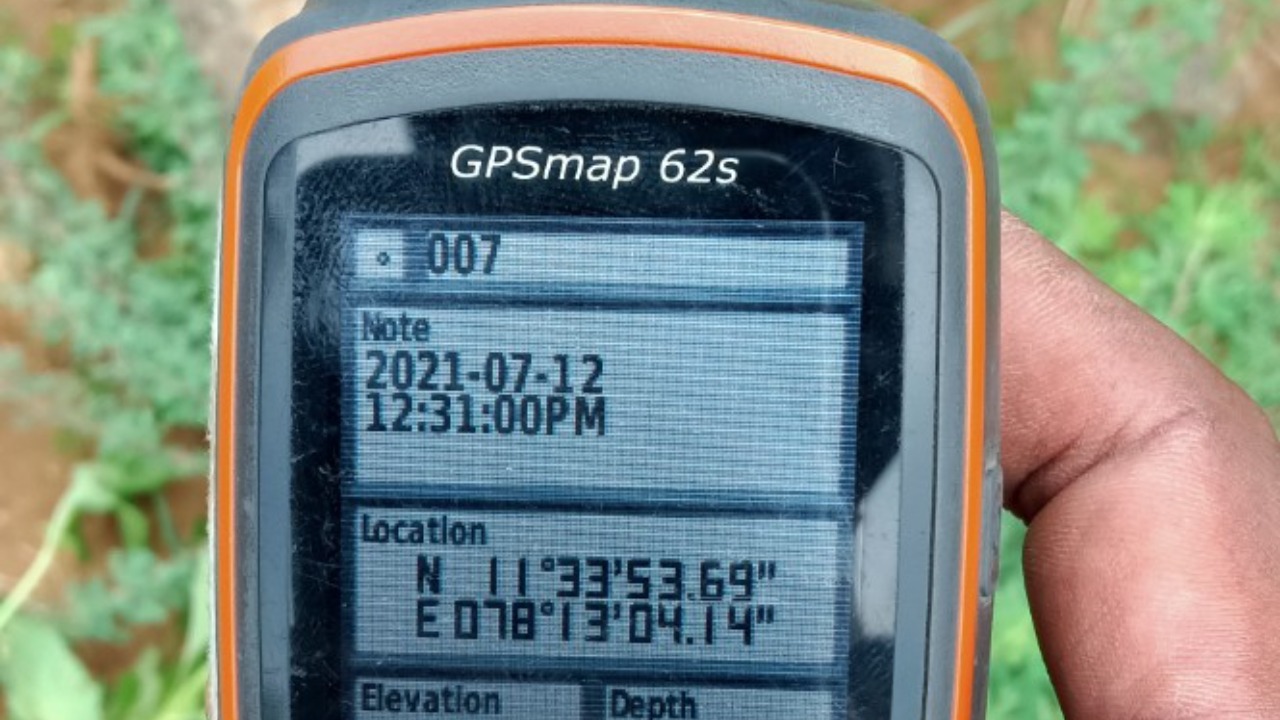
The technology behind these autonomous boats is a blend of sophisticated software, hardware, and sensors. The boats use GPS for navigation and are equipped with various sensors to detect obstacles in their path. Their “brains” are complex algorithms that interpret the data collected by the sensors and guide the boat’s movements accordingly. The 3D mapping process is a key aspect of this technology. The boats use sonar systems that send sound waves into the water. When these waves hit the ocean floor, they bounce back and are picked up by the boat’s sensors. The time it takes for the waves to return allows the boat to calculate the depth of the water, creating a detailed 3D map of the seafloor.
Various other technologies are also utilized in this process. Lidar, known for its use in self-driving cars, can be used to create high-resolution maps of the ocean floor. Additionally, thermal imaging can reveal temperature variations in the water, providing valuable data for scientists. Machine learning and artificial intelligence are used to interpret the vast amounts of data collected, automating the map-making process and making it more accurate and efficient.
Benefits of Using Self-Driving Boats for Ocean Floor Mapping

One of the major benefits of using self-driving boats for ocean floor mapping is the improved accuracy and detail they bring to underwater maps. Traditional methods of seafloor mapping often leave large areas unexplored and provide less detail. Autonomous boats, on the other hand, can cover vast areas of the ocean floor and capture fine details, creating comprehensive and highly detailed maps.
These vessels also have the ability to reach and map areas that were previously inaccessible due to their depth or dangerous conditions. This opens up new opportunities for exploration and research. Moreover, the use of self-driving boats reduces the risk of human error and increases safety. These boats can operate in harsh weather conditions and dangerous environments that would be risky for human-operated vessels.
Case Studies of Self-Driving Boat Mapping
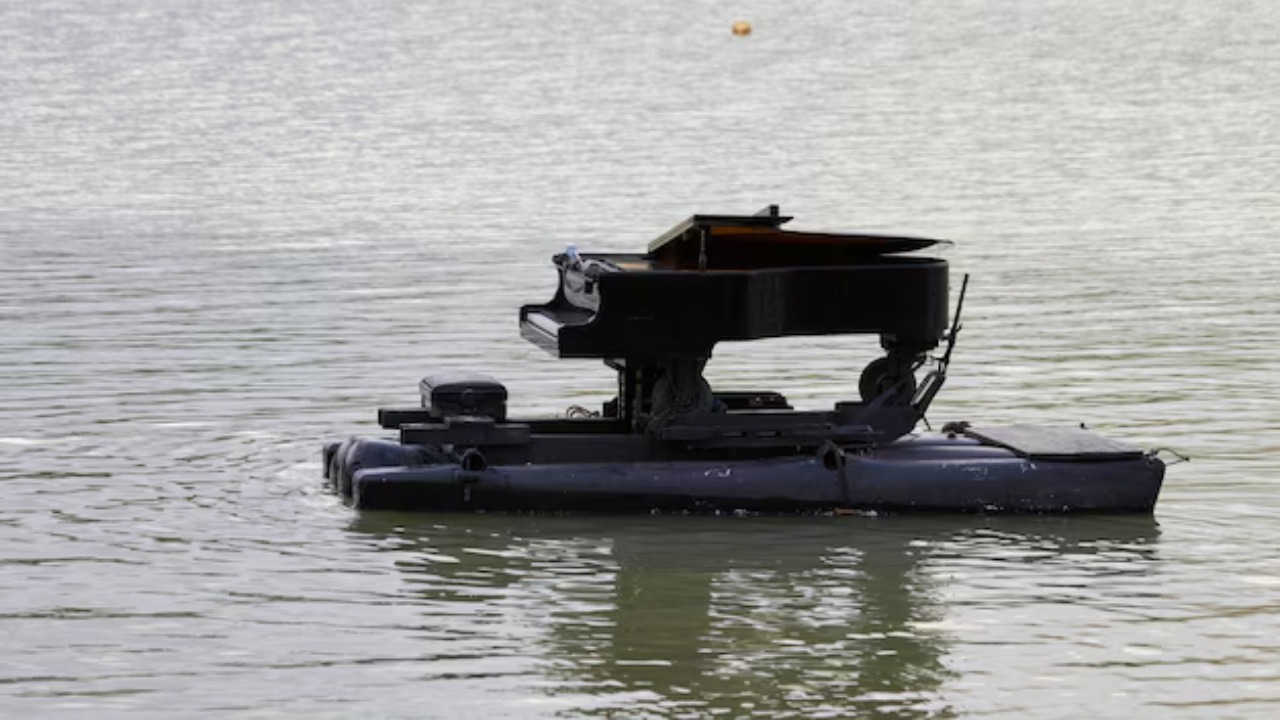
There have been several notable instances of self-driving boats being used for seafloor mapping. One such example is the mapping of the Great Lakes. An autonomous boat was used to create detailed maps of the lake floors, revealing previously unknown features and providing valuable data for scientists.
In another case, a UNH seafloor mapping robot was instrumental in the discovery of a shipwreck in Lake Huron. This highlights the potential of these technologies for archaeological exploration. Other underwater terrains, including coral reefs and underwater volcanoes, have also been mapped using autonomous boats, contributing valuable data to our understanding of these complex ecosystems.
Implications for Marine Science and Research
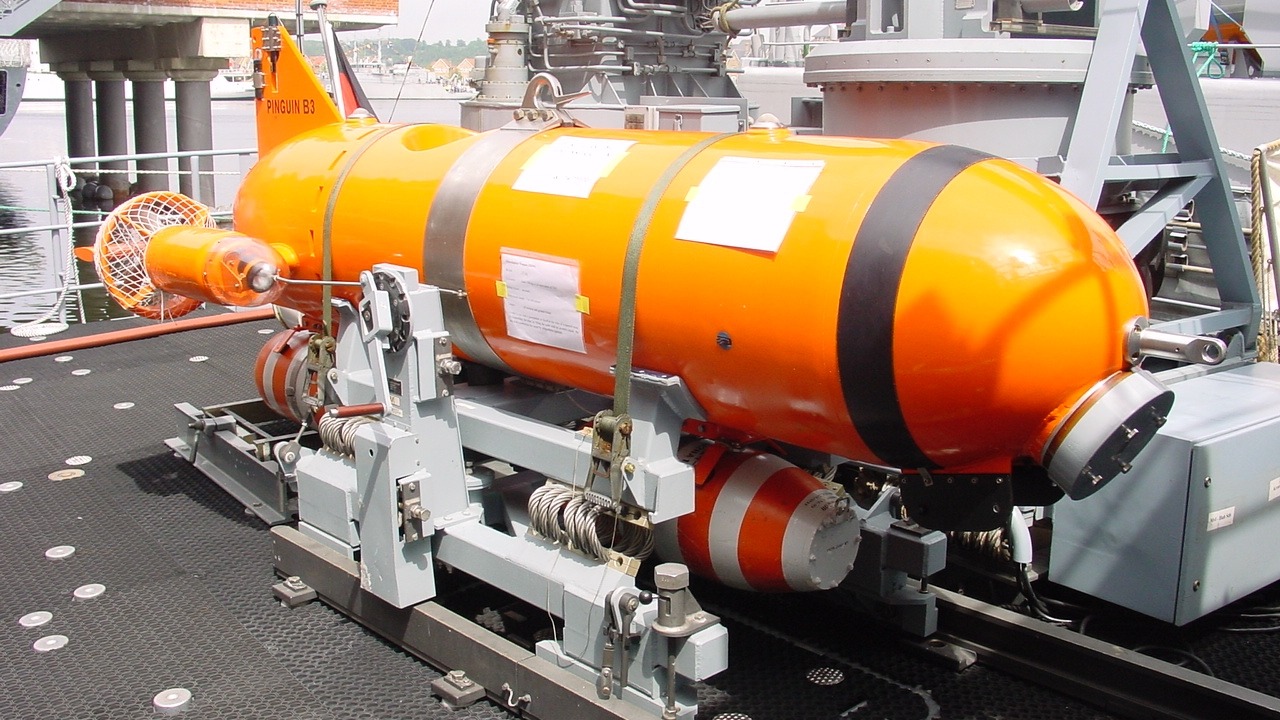
The detailed 3D maps produced by self-driving boats can contribute significantly to marine biology research. These maps allow scientists to study the physical and biological features of the ocean floor in detail, leading to new discoveries and a better understanding of marine ecosystems.
The potential for archaeological discoveries is another exciting aspect of this technology. Shipwrecks and other artifacts on the ocean floor can reveal important information about our history. Furthermore, these detailed maps can provide valuable data for the study of climate change. Changes in the ocean floor can indicate shifts in sea levels and other climate-related phenomena, contributing to our understanding of how climate change is affecting our planet.
Future of Self-Driving Boats and Ocean Exploration
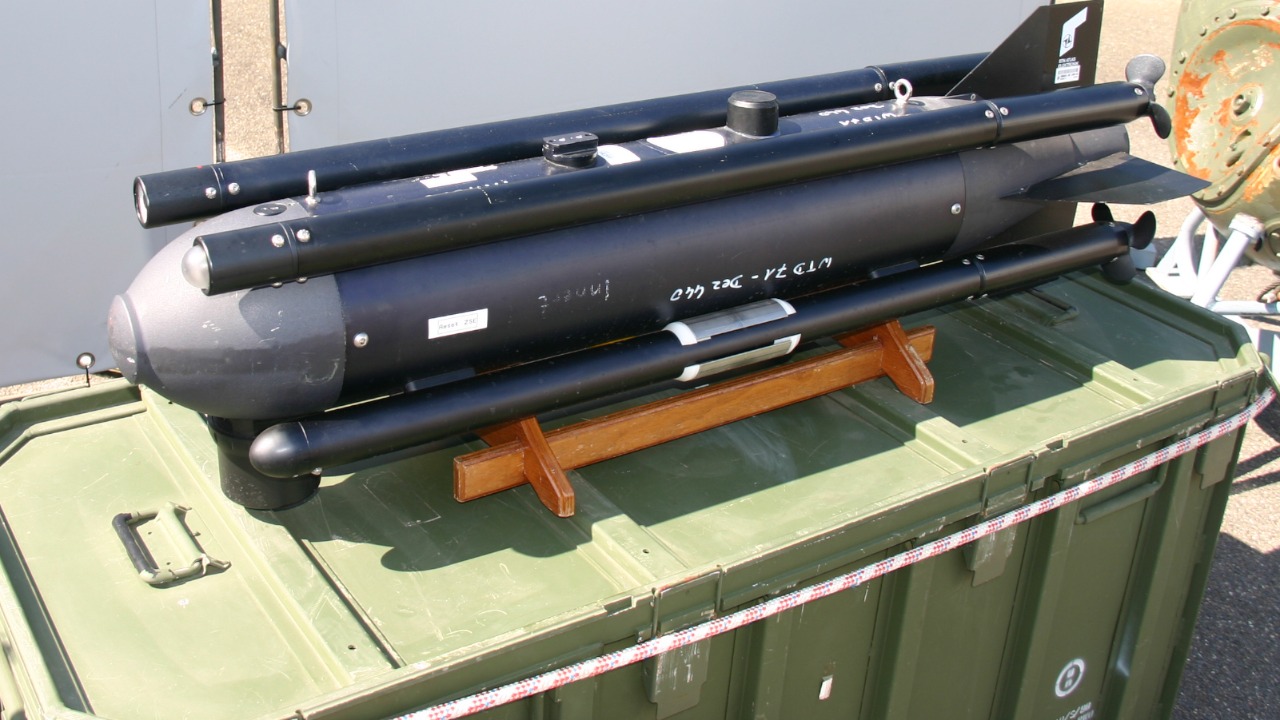
Looking to the future, the advancement of autonomous boat technology is likely to accelerate. As machine learning algorithms become more sophisticated, these boats will be able to navigate more complex environments and produce even more detailed maps. One potential future application of 3D ocean floor mapping is the exploration of the deep sea, one of the least understood regions of our planet.
Self-driving boats will also play a crucial role in the future of ocean exploration. They will allow us to explore the oceans in ways that were previously impossible, opening up new frontiers in marine science and research. As we continue to develop and refine this technology, we can look forward to a new era of ocean exploration, unlocking the secrets of the world beneath the waves.
