
The US Space Force’s classified spacecraft, the X-37B, has safely returned to Earth after an awe-inspiring 434 days in orbit. This record-breaking mission has led to a whirl of speculation and discussion about the objectives and implications of such a prolonged stay in space.
The X-37B Spacecraft: An Overview
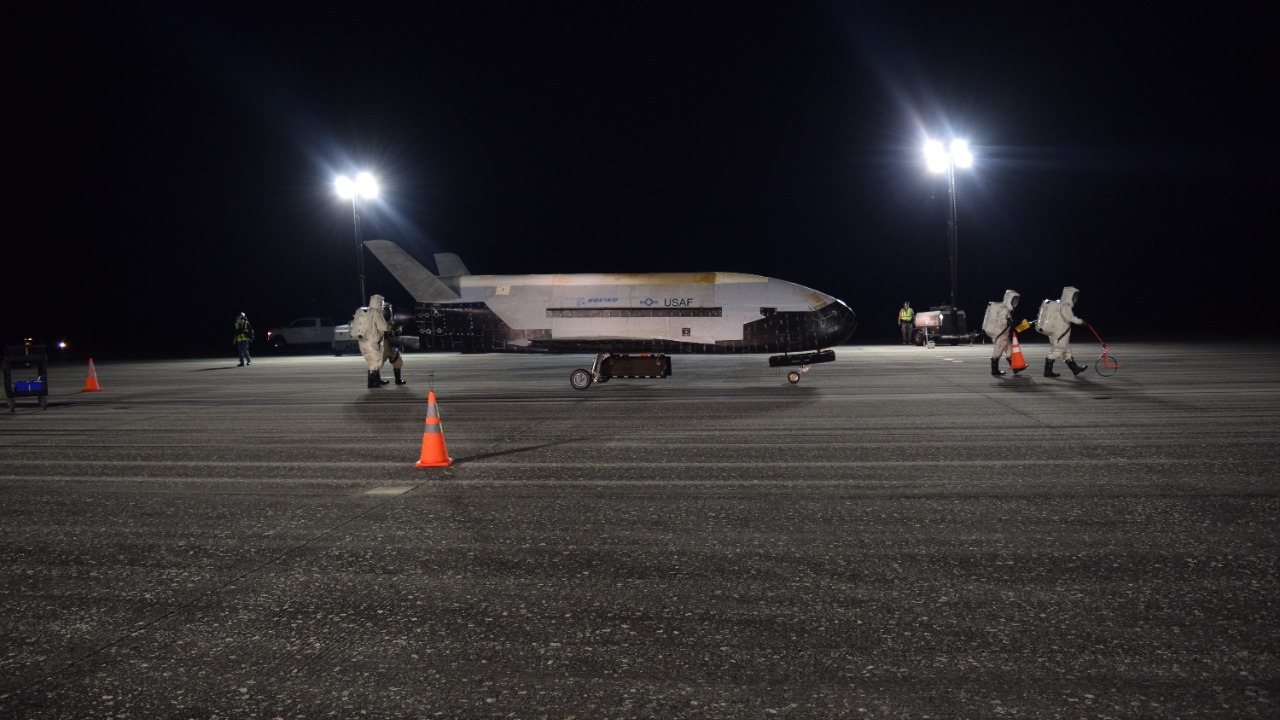
Launched in 1999, the X-37B Spacecraft was initially a NASA project before being transferred to the defense department in 2004. Designed as a reusable unmanned spacecraft, it is built to withstand long durations in space and is capable of autonomous re-entry and landing.
Technologically, the X-37B is a marvel. Despite being significantly smaller than the Space Shuttle, it boasts advanced features such as a solar panel for power generation, a payload bay for carrying experiments, and a thermal protection system to safeguard it during re-entry. Its compact design and impressive capabilities make it an invaluable asset for classified missions.
Details of the Classified Mission
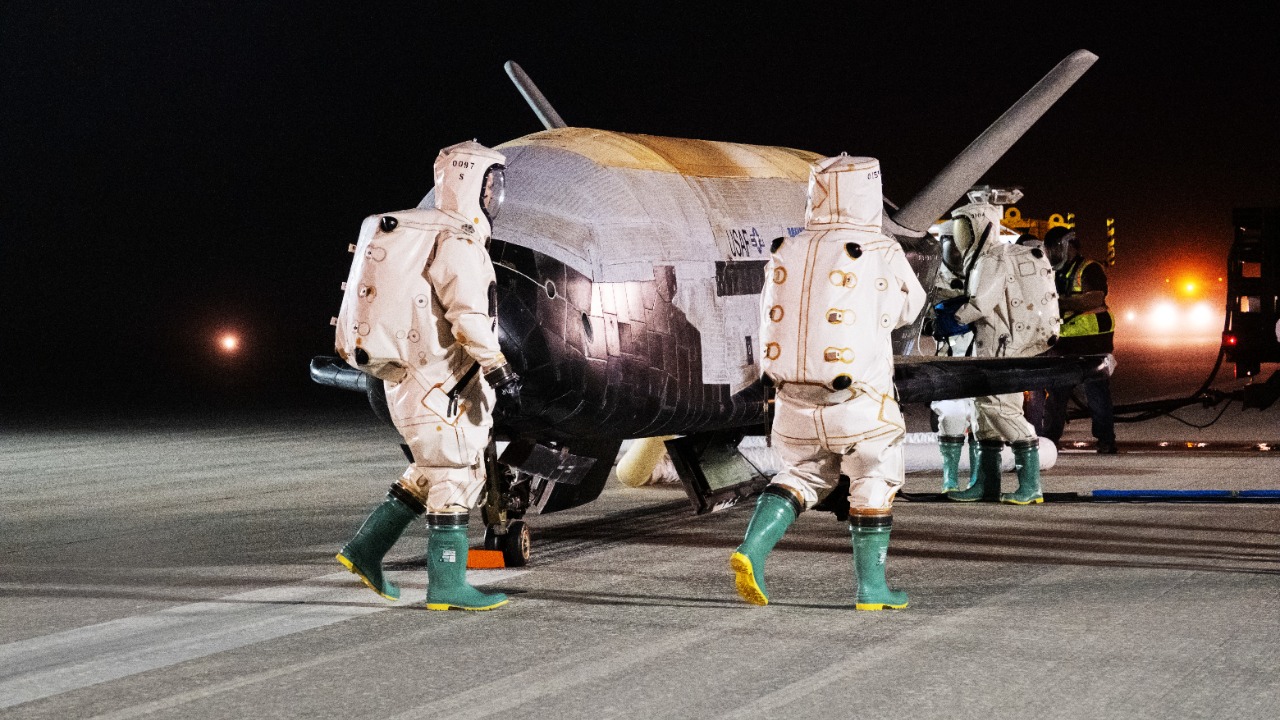
The X-37B was launched on its classified mission in 2019. The specifics of its tasks in space remain unknown, sparking a flurry of speculation amongst experts and enthusiasts alike. Theories range from surveillance operations to testing new technologies for future space missions.
Regardless of the exact objectives, what stands out is the spacecraft’s 434-day stay in space. This shatters the previous record of 718 days, underscoring the potential of reusable spacecraft for long-duration missions. The extended stay also provides an opportunity to evaluate the impact of space conditions on the spacecraft’s systems over a significant period, providing valuable data for future missions.
Implications for Space Technology and Exploration
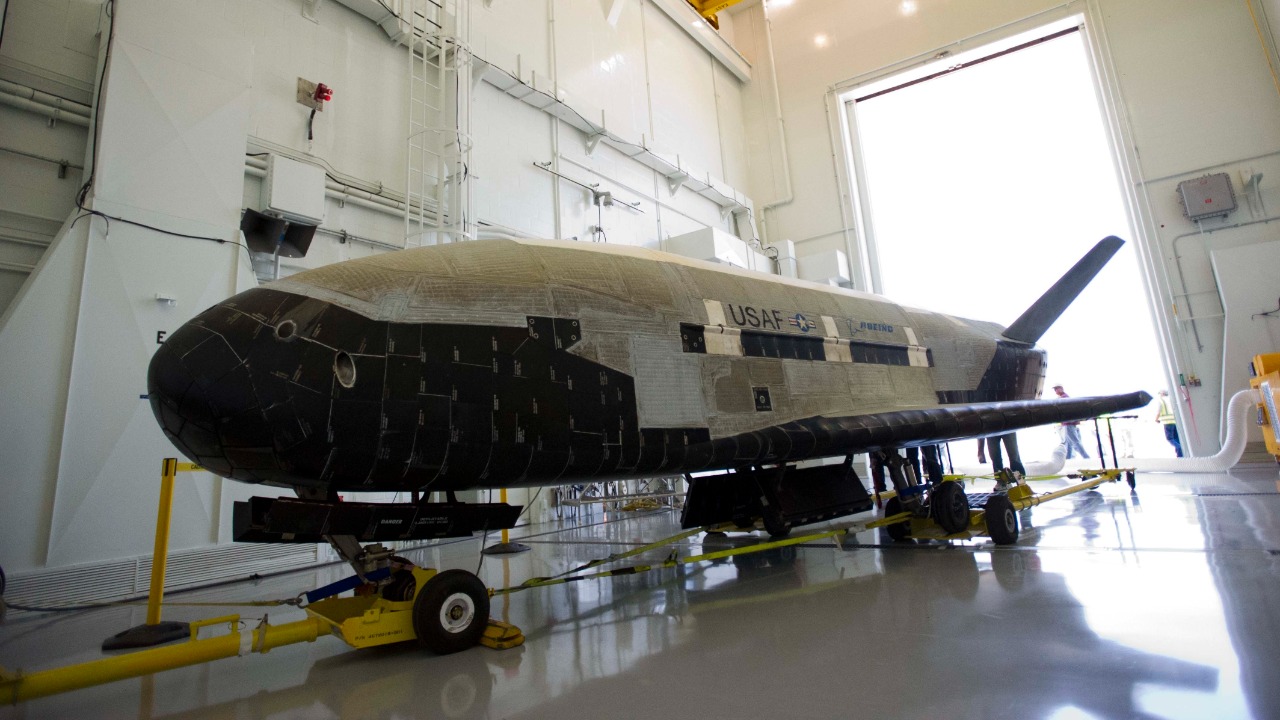
The X-37B’s prolonged stay in space could mark a significant step forward for space technology. It demonstrates the capabilities of reusable spacecraft for long-term missions, potentially paving the way for more ambitious exploration endeavors in the future. This could have notable implications for the growing in-space economy.
Moreover, reusable spacecraft like the X-37B could play a pivotal role in commercial space activities, from satellite deployment to space tourism. By demonstrating the feasibility of extended stays in space, the X-37B’s mission could spur investment in reusable spacecraft technology and fuel the burgeoning commercial space industry.
Public Response and Speculations

The secrecy surrounding the X-37B’s mission has ignited public interest and sparked myriad speculations. As details of the mission remain classified, the public is left to wonder about the activities undertaken during the spacecraft’s 434-day stay in space. This has led to diverse theories, from espionage to the testing of new technologies.
Such classified missions could influence public perception of space exploration and the allocation of public funds. While some view these missions as necessary for national security and technological advancement, others question the secrecy and costs associated with them. The balance between transparency and security continues to be a subject of debate.
The Official Statement: Unveiling the Mystery
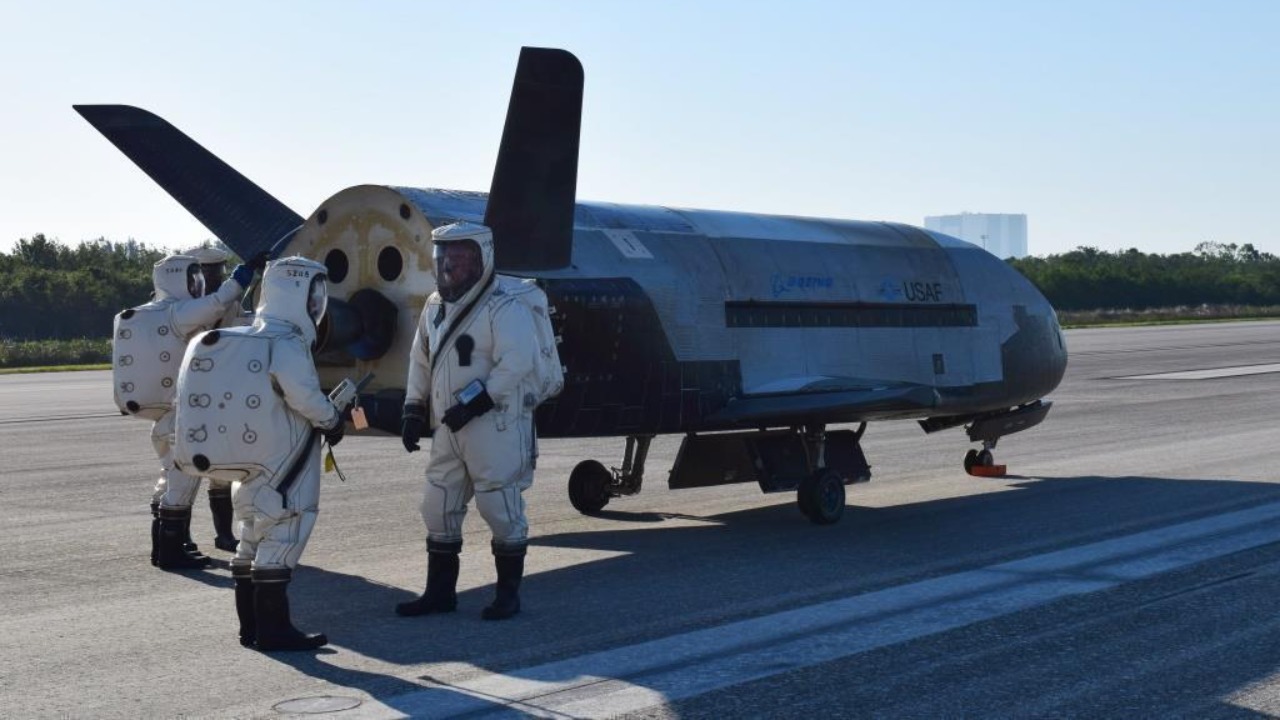
The US Space Force released an official statement following the X-37B’s return, shedding some light on the mission. According to the statement, the spacecraft conducted on-orbit experiments and tested technology for operations in and beyond low Earth orbit. However, the specific details of these experiments and tests remain undisclosed.
The statement’s lack of specific details leaves many questions unanswered, fueling further speculation about the mission’s objectives. However, one thing is clear: the successful completion of the X-37B’s mission marks a significant milestone in space exploration. It not only affirms the potential of reusable spacecraft but also heralds a new era of extended-duration space missions.
