Researchers at the University of Rochester have made a groundbreaking advancement in maritime energy by developing a chemical catalyst that can convert seawater into fuel at an industrial scale. This innovation holds the potential to power ships and eliminate the need for diesel in sea travel, significantly addressing environmental concerns associated with shipping. The process involves producing hydrogen from seawater, offering a cleaner alternative to traditional fuels.
The Science Behind Seawater Fuel Conversion

The core of this technological breakthrough lies in a novel chemical catalyst that facilitates the splitting of seawater into hydrogen and oxygen. This process overcomes significant challenges, such as chloride interference, which has historically hindered efficient electrolysis of seawater. The catalyst’s ability to manage chloride ions is crucial, as it prevents the formation of harmful byproducts that can degrade the system’s efficiency and longevity. By addressing these issues, the catalyst enables a more sustainable and scalable approach to hydrogen production from seawater [source].
In addition to overcoming technical barriers, the catalyst supports efficient, large-scale production of hydrogen, making it suitable for industrial applications. This scalability is essential for the maritime industry, where large volumes of fuel are required to power vessels over long distances. The catalyst’s design allows for continuous operation, which is vital for maintaining the energy demands of commercial shipping fleets [source].
Hydrogen derived from seawater serves as a clean fuel source for ship engines, offering a sustainable alternative to fossil fuels. When used in combustion, hydrogen produces only water vapor as a byproduct, significantly reducing the carbon footprint of maritime operations. This shift not only aligns with global decarbonization goals but also positions the shipping industry as a leader in adopting environmentally friendly technologies [source].
Advantages for Maritime Industry
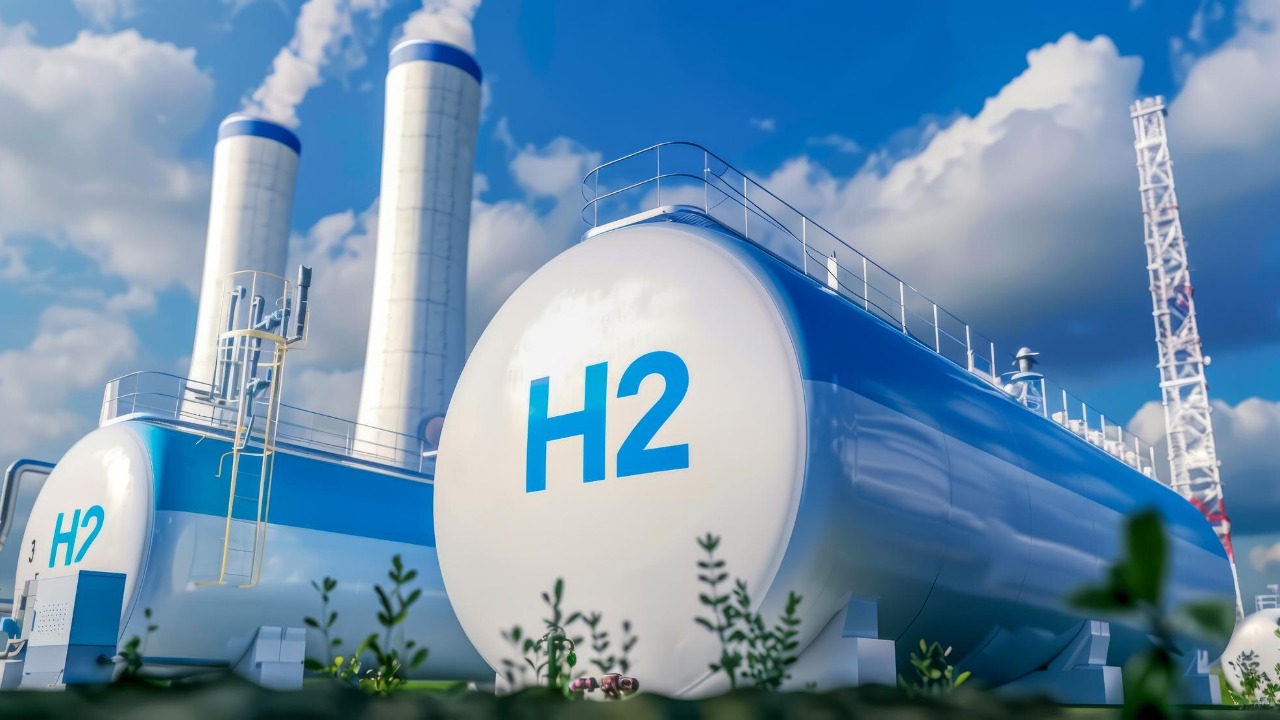
The potential to eliminate diesel usage in sea travel by replacing it with hydrogen fuel produced on-site from seawater presents numerous advantages. Primarily, it offers a substantial reduction in carbon emissions, which is critical for mitigating the environmental impact of shipping. By transitioning to hydrogen, the maritime industry can significantly decrease its contribution to global greenhouse gas emissions, aligning with international efforts to combat climate change [source].
Economically, the use of seawater as a fuel source could lower operational costs for shipping companies. The abundance of seawater eliminates the need for costly fossil fuel imports, providing a more stable and predictable energy supply. This shift could lead to reduced fuel expenses, enhancing the competitiveness of shipping firms in the global market. Furthermore, the adoption of hydrogen fuel could stimulate innovation and investment in related technologies, fostering economic growth within the maritime sector [source].
Environmentally, the transition to hydrogen fuel would result in decreased air pollution, benefiting both marine ecosystems and human health. By reducing emissions of harmful pollutants, such as sulfur oxides and nitrogen oxides, the shipping industry can contribute to cleaner air and healthier oceans. This transformation supports broader environmental goals and enhances the sustainability of global transportation networks [source].
Challenges and Implementation Steps

Despite its promise, the implementation of seawater-to-fuel technology faces several technical challenges. Scaling the catalyst for real-world shipboard use requires ensuring its durability in harsh marine environments. The catalyst must withstand the corrosive nature of seawater and maintain its efficiency over extended periods. Addressing these technical hurdles is crucial for the successful deployment of this technology in commercial shipping [source].
The next phases of development include pilot testing on vessels and integrating the technology with existing ship infrastructure. These steps are vital for demonstrating the feasibility and reliability of hydrogen fuel systems in real-world conditions. Successful pilot projects could pave the way for broader adoption, encouraging shipping companies to invest in retrofitting their fleets with hydrogen-compatible engines [source].
Regulatory and infrastructural needs also play a critical role in the widespread adoption of hydrogen fuel. Establishing safety standards for hydrogen storage on ships is essential to ensure the safe handling and use of this volatile gas. Additionally, developing the necessary infrastructure for hydrogen production and distribution at ports will support the transition to this new fuel source, facilitating its integration into global shipping operations [source].
Broader Implications for Sustainable Shipping
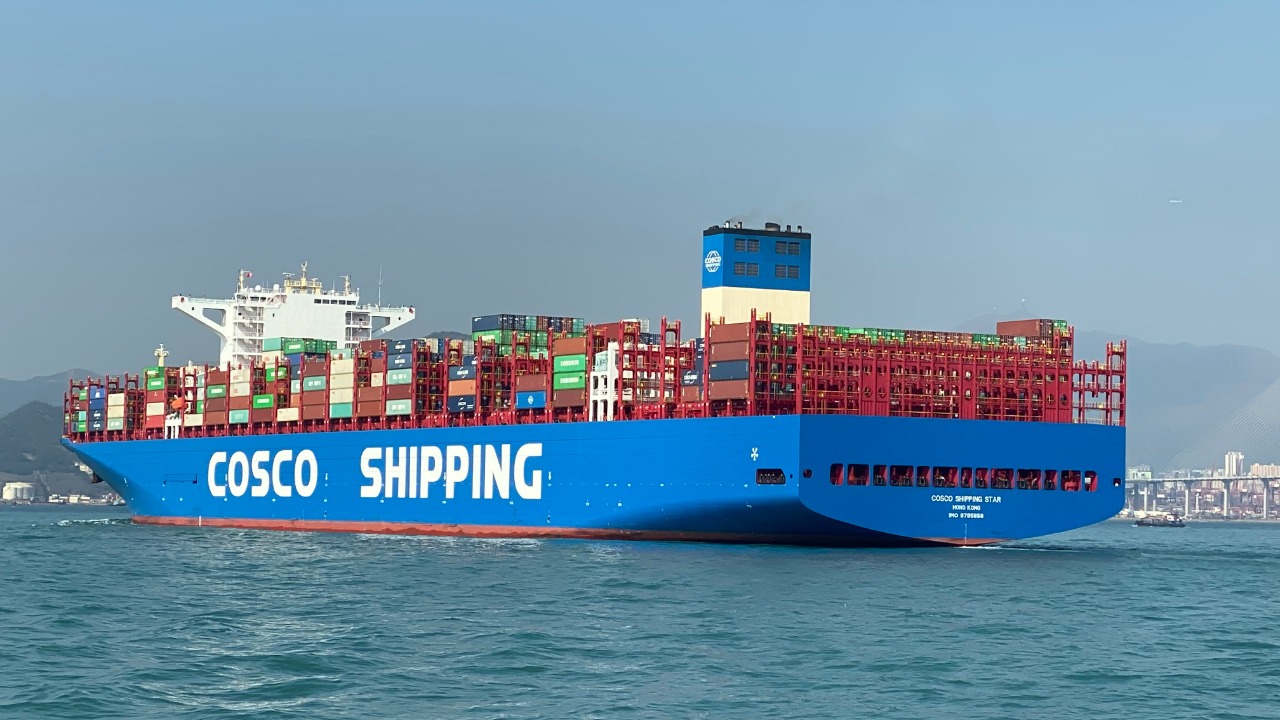
The successful implementation of seawater-to-fuel technology could transform global sea travel by making routes more eco-friendly without compromising efficiency. By reducing reliance on fossil fuels, the shipping industry can significantly lower its environmental impact, contributing to a more sustainable future for global transportation. This transformation aligns with international maritime emission reduction targets, positioning the industry as a leader in environmental stewardship [source].
Major shipping firms are likely to consider adopting this technology as part of their sustainability strategies. The potential cost savings and environmental benefits make hydrogen fuel an attractive option for companies looking to enhance their competitiveness and meet regulatory requirements. As more firms invest in hydrogen technology, the industry could see a shift towards cleaner, more efficient shipping practices, setting a new standard for sustainable sea travel [source].
