Asteroid 2024 YR4, described as a “city killer,” is on a trajectory that could lead to a collision with the moon, prompting scientists to propose a nuclear intervention to avert the impact. This potentially drastic measure is under consideration due to the asteroid’s hazardous size and trajectory, as reported by NASA scientists. The urgency stems from a recent study highlighting the need for immediate action (USA Today; Live Science).
Understanding Asteroid 2024 YR4’s Threat
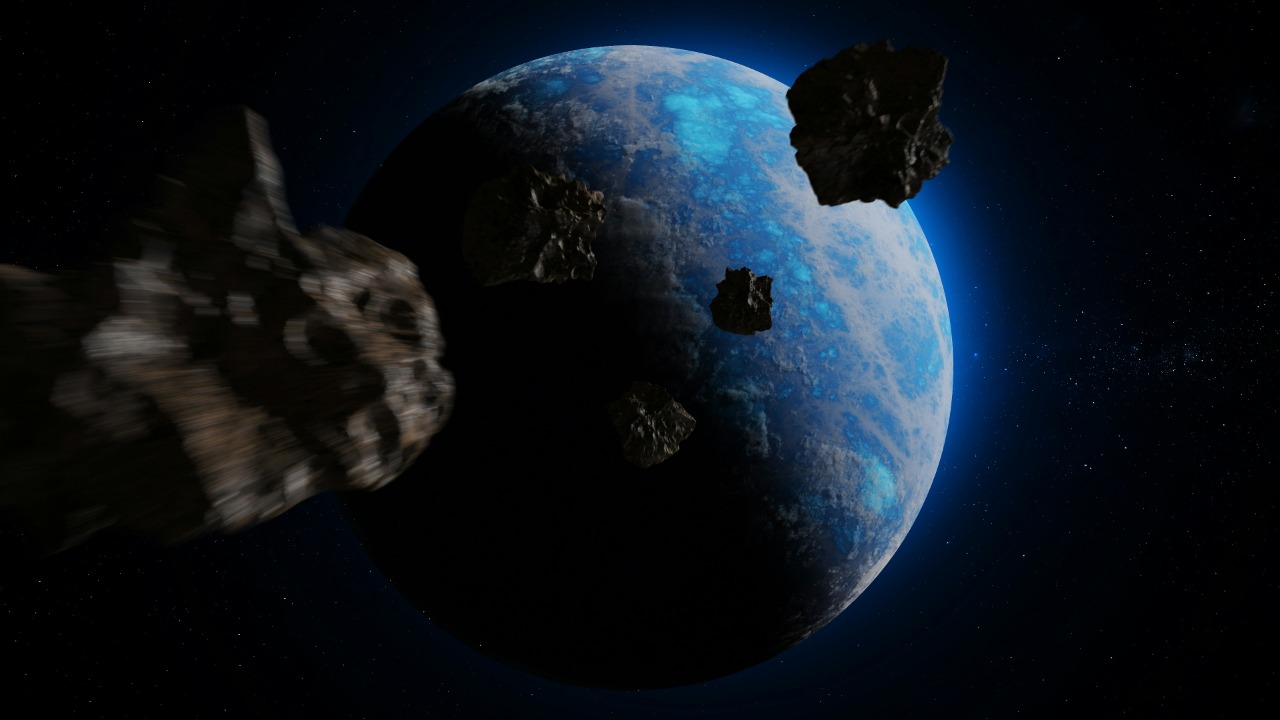
The asteroid 2024 YR4 has been characterized as a “city killer” due to its potential to cause massive destruction if it were to impact a populated area. This classification underscores the severity of the threat it poses, as its size and speed could result in catastrophic damage. The term “city killer” is not used lightly, reflecting the potential for widespread devastation (New York Post).
Current trajectory analyses indicate a possible collision with the moon, raising concerns about the effects of such an impact on lunar and Earth-based systems. The moon, while not inhabited, plays a crucial role in various scientific and exploratory missions. An impact could disrupt these activities and potentially alter the moon’s stability, affecting tides and other Earth-related phenomena (USA Today).
Scientific Calculations and Probability Assessments
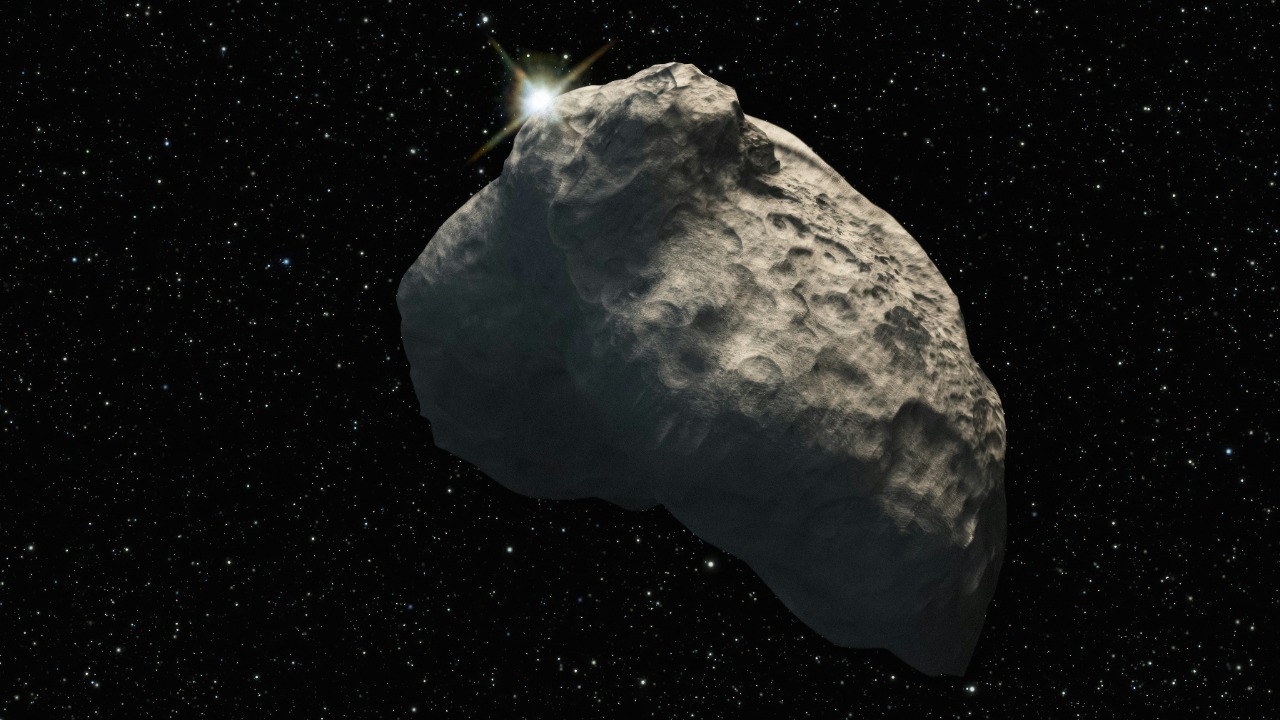
Scientists utilize complex models to calculate the probability of an asteroid impacting Earth or the moon. These models incorporate data from various sources, including telescopic observations and historical records, to refine their predictions. The calculations are crucial in determining the likelihood of impact and the potential need for intervention (Yahoo News).
The urgency of the situation with 2024 YR4 is underscored by these probability assessments, which suggest immediate intervention could be necessary. The models indicate that without timely action, the asteroid’s trajectory could lead to a collision with the moon, prompting scientists to consider drastic measures such as nuclear intervention to alter its path (Live Science).
In addition to telescopic observations, scientists employ computer simulations to model the asteroid’s path, taking into account gravitational influences from nearby celestial bodies. These simulations are crucial for understanding the potential impact scenarios and for planning any necessary interventions. By simulating various trajectories, researchers can predict not only the likelihood of a collision but also the potential impact force and area of effect, which are vital for assessing the risk to both the moon and Earth (Yahoo News).
Furthermore, the probability assessments are continually updated as new data becomes available. This dynamic process allows scientists to refine their models and improve the accuracy of their predictions. The assessments also consider the potential for smaller fragments to break off from the main asteroid, which could pose additional risks. These detailed calculations are essential for informing decision-makers about the urgency and scale of any required intervention, ensuring that responses are both timely and proportionate to the threat (Live Science).
Proposed Nuclear Intervention
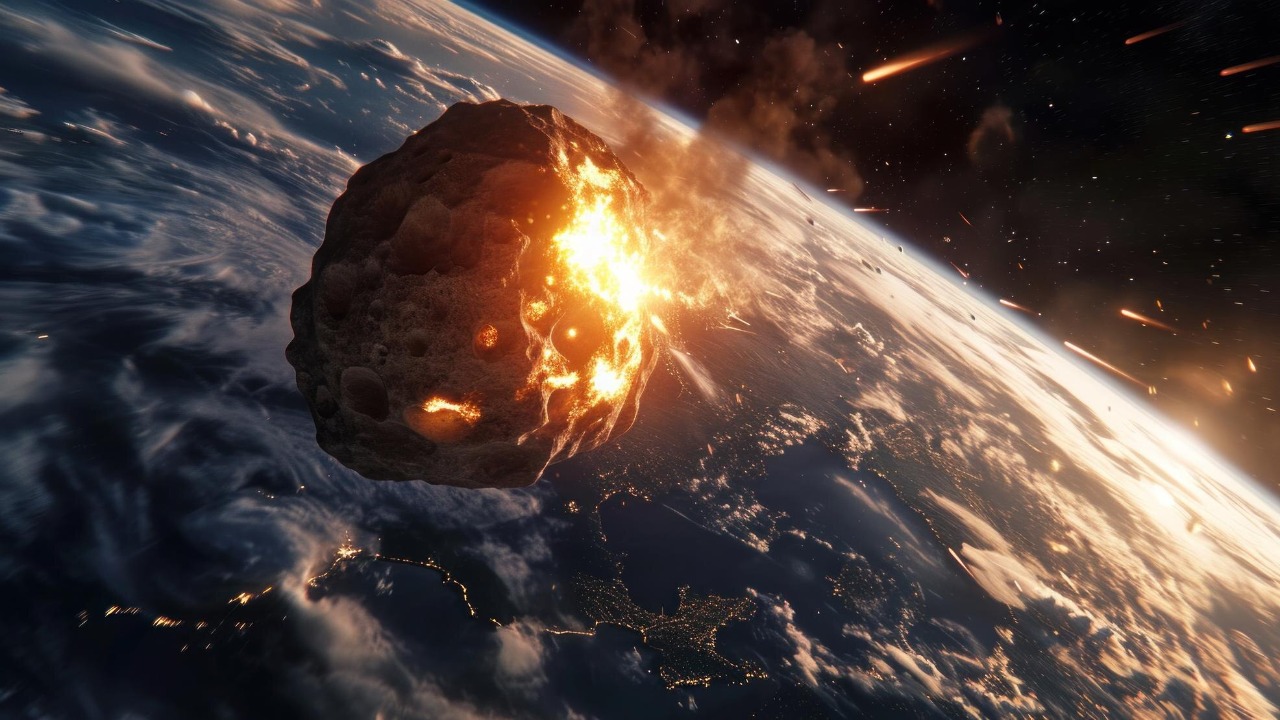
A new study advocates for the use of nuclear weapons to alter the asteroid’s path, a method considered both feasible and effective if executed swiftly. The proposal suggests that a well-timed nuclear detonation could change the asteroid’s trajectory enough to prevent a collision with the moon. This approach, while controversial, is seen as a viable option given the limited time frame available (Live Science).
The proposal has generated debate within the scientific community, balancing the potential risks and benefits of such an unprecedented action. Critics argue that the use of nuclear weapons in space could have unforeseen consequences, while proponents emphasize the necessity of preventing a potentially catastrophic impact. The discussion reflects the complexity of planetary defense strategies and the need for careful consideration of all possible outcomes (New York Post).
Implications for the Moon and Earth
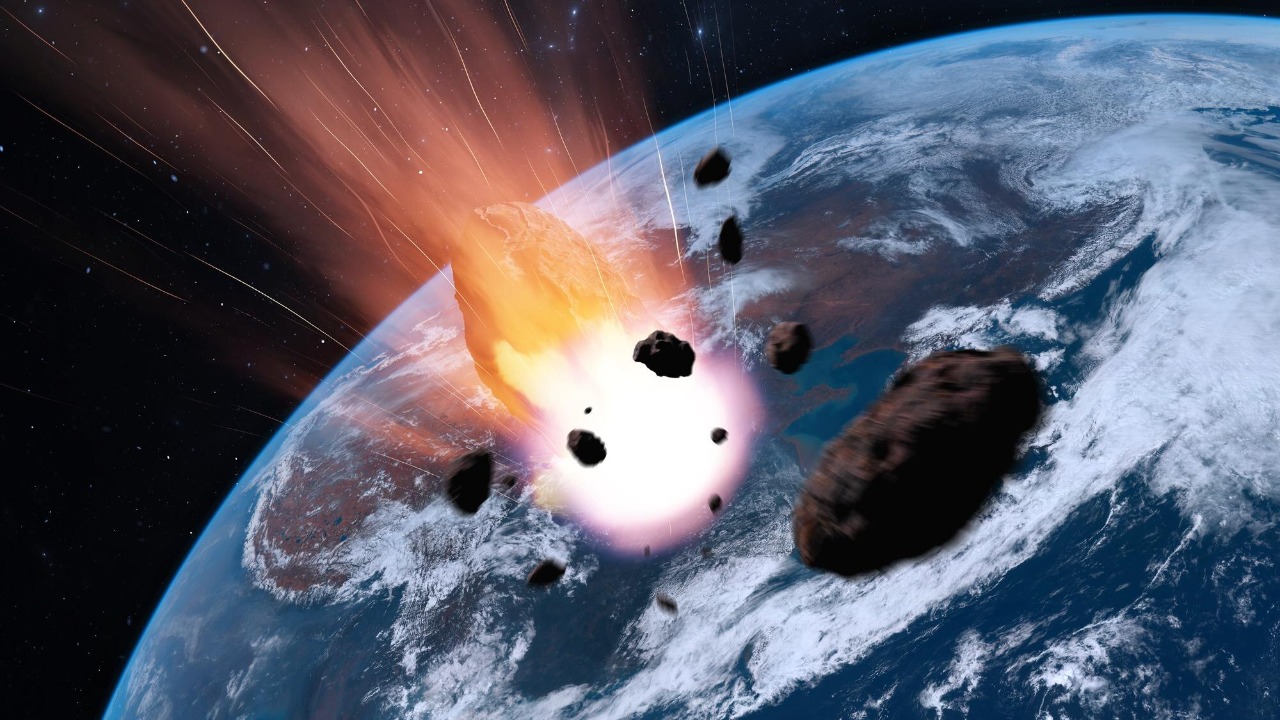
A collision with the moon could have significant effects, potentially disrupting lunar exploration activities and affecting the moon’s stability. The moon is a critical site for scientific research and exploration, and any impact could hinder ongoing and future missions. Additionally, changes to the moon’s structure could influence its gravitational effects on Earth, impacting tides and other natural phenomena (USA Today).
The potential impact scenario underscores the need for robust planetary defense strategies to protect Earth and its celestial neighbors from similar threats in the future. As space exploration and utilization continue to expand, the importance of safeguarding these environments becomes increasingly apparent. Developing effective measures to prevent or mitigate asteroid impacts is crucial to ensuring the safety and sustainability of both lunar and terrestrial activities (Live Science).
