Scientists have issued a stark warning about the impending ‘Day Zero’ event, emphasizing that it is drawing closer and is “no longer a distant scenario.” This shift from a hypothetical threat to an imminent reality is based on recent assessments, highlighting the urgency of addressing water scarcity issues worldwide. The warning underscores the need for immediate action to prevent severe disruptions in water supply systems.
What is the ‘Day Zero’ Event?

The term ‘Day Zero’ refers to the critical point when water supplies in reservoirs reach such low levels that municipal water systems can no longer provide regular service. This forces communities to rely on alternative sources like emergency rations or private supplies. The concept gained global attention during Cape Town’s 2018 crisis, where it nearly occurred due to prolonged drought and high demand. This event served as a global warning for urban water management, illustrating the severe consequences of inadequate water resource planning.
Today, ‘Day Zero’ represents broader climate-driven risks, with scientists noting its relevance to multiple regions facing accelerated water scarcity. The phenomenon is no longer confined to isolated incidents but is a growing concern for many urban areas worldwide. As climate change exacerbates drought conditions and increases water demand, the risk of reaching ‘Day Zero’ becomes more pronounced, necessitating urgent action to mitigate its impacts (source).
Scientific Warnings and Evidence

Scientists recently issued a warning that the ‘Day Zero’ event is approaching faster than anticipated due to compounding factors like climate change and overuse. Hydrological models show declining reservoir levels and prolonged dry periods as primary indicators that make ‘Day Zero’ “no longer a distant scenario.” These findings highlight the urgent need for policy interventions to avert the event, as emphasized by experts based on data from global monitoring networks.
The evidence presented by scientists underscores the critical nature of the situation. With reservoir levels dropping and dry periods extending, the risk of reaching ‘Day Zero’ is increasing. This calls for immediate action to implement effective water management strategies and policies that can prevent the catastrophic consequences of water shortages (source).
Impacts on Affected Regions
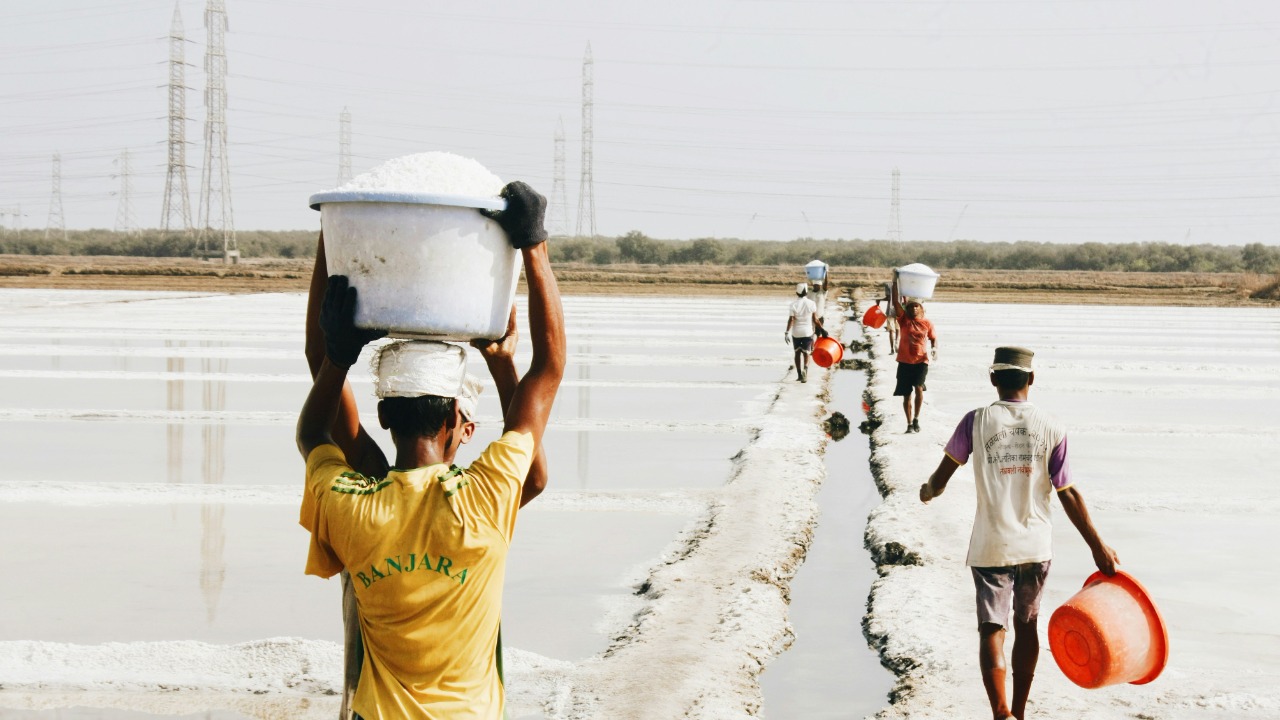
The potential consequences of a ‘Day Zero’ scenario for urban populations are severe. Disruptions to daily water access can lead to economic losses from business shutdowns and health risks from inadequate sanitation. Major cities in drought-prone areas are particularly at risk, where current trends mirror the conditions that nearly triggered ‘Day Zero’ in past cases.
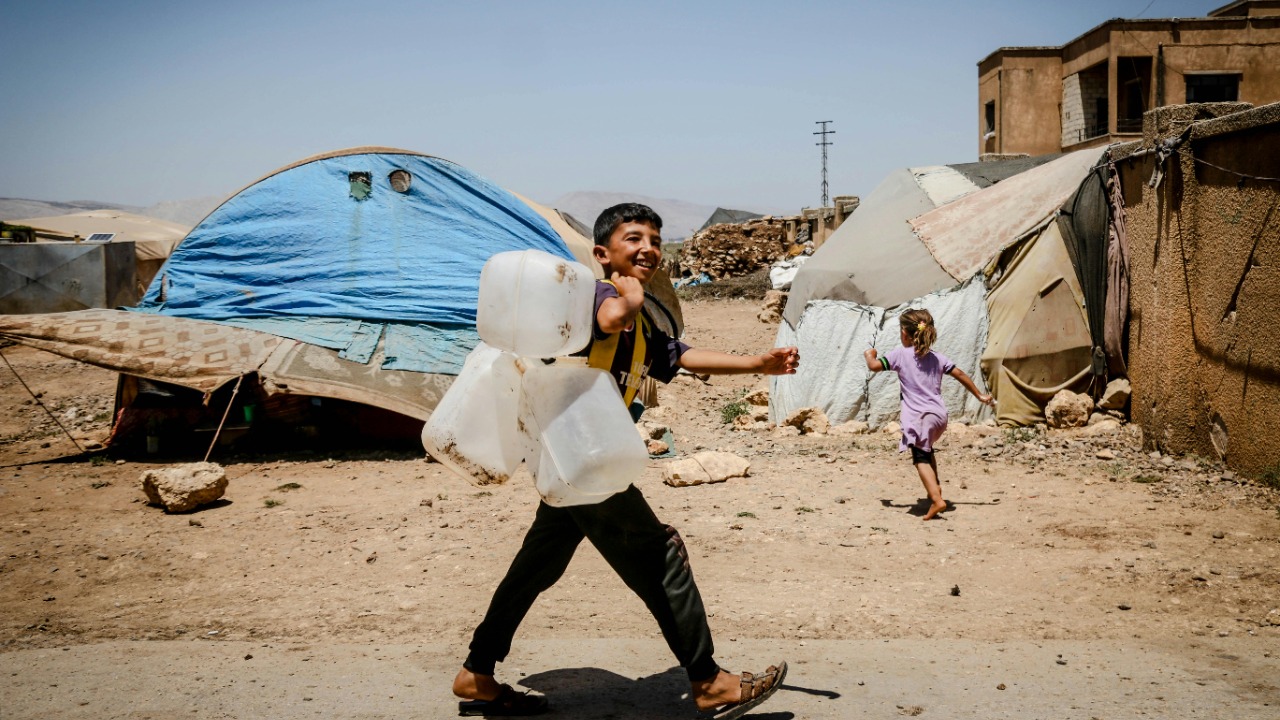
Social inequities are also a significant concern, as low-income communities would bear the brunt of restrictions and emergency measures. These populations often have less access to alternative water sources and are more vulnerable to the impacts of water scarcity. Addressing these inequities is crucial in developing comprehensive strategies to manage water resources effectively (source).
In addition to economic and social impacts, environmental consequences are also significant. Ecosystems that depend on consistent water flow can suffer, leading to loss of biodiversity and habitat degradation. Aquatic life is particularly vulnerable, as reduced water levels can lead to increased water temperatures and lower oxygen levels, threatening fish and other species. Furthermore, the agricultural sector, which relies heavily on water for irrigation, faces potential crop failures, leading to food shortages and increased prices. These environmental impacts can create a feedback loop, exacerbating the challenges faced by human populations and further stressing already limited resources.
Moreover, the psychological impact on communities facing ‘Day Zero’ scenarios cannot be underestimated. The stress and anxiety associated with uncertain water availability can affect mental health, leading to increased cases of depression and anxiety disorders. Community cohesion may also suffer as competition for limited resources intensifies, potentially leading to social unrest. Addressing these multifaceted impacts requires a holistic approach that considers not only the physical availability of water but also the social and psychological well-being of affected populations. Comprehensive planning and community engagement are essential to build resilience against the looming threat of ‘Day Zero’ (source).
Pathways to Prevention
To delay or prevent ‘Day Zero,’ scientists recommend enhancing water conservation programs, investing in infrastructure like desalination plants, and improving demand management. Successful case studies, such as Cape Town’s avoidance of ‘Day Zero’ through public awareness campaigns that reduced usage by over 50%, serve as models for addressing current threats.
International collaboration and policy reforms are essential to address the root causes of water scarcity. Scientists urge action before the event becomes inevitable, emphasizing the need for coordinated efforts to implement effective water management strategies. By learning from past experiences and leveraging innovative solutions, regions at risk can work towards sustainable water resource management (source).
Another critical pathway to prevention involves the adoption of advanced technologies for water recycling and reuse. By treating wastewater to a high standard, it can be safely returned to the water supply, significantly reducing the demand on freshwater resources. Cities like Singapore have successfully implemented such systems, demonstrating their effectiveness in maintaining water security. Additionally, the integration of smart water management systems that use data analytics and real-time monitoring can optimize water distribution and reduce losses due to leaks and inefficiencies.
Education and community involvement are also pivotal in preventing ‘Day Zero.’ Public education campaigns can raise awareness about the importance of water conservation and encourage behavioral changes that reduce water usage. Community-led initiatives, such as local water-saving competitions or workshops on sustainable practices, can foster a culture of conservation. By empowering individuals and communities to take an active role in water management, the collective impact can be substantial, helping to delay or avert the onset of ‘Day Zero’ scenarios. These efforts, combined with policy support and technological innovation, form a comprehensive strategy to safeguard water resources for future generations (source).
