In a groundbreaking advancement, scientists have successfully utilized the CRISPR-Cas9 gene-editing technology to remove the extra chromosome responsible for Down syndrome in human cells. This remarkable achievement not only marks a significant step forward in genetic research but also opens new possibilities for therapeutic interventions and a deeper understanding of chromosomal disorders.
The Science Behind CRISPR-Cas9
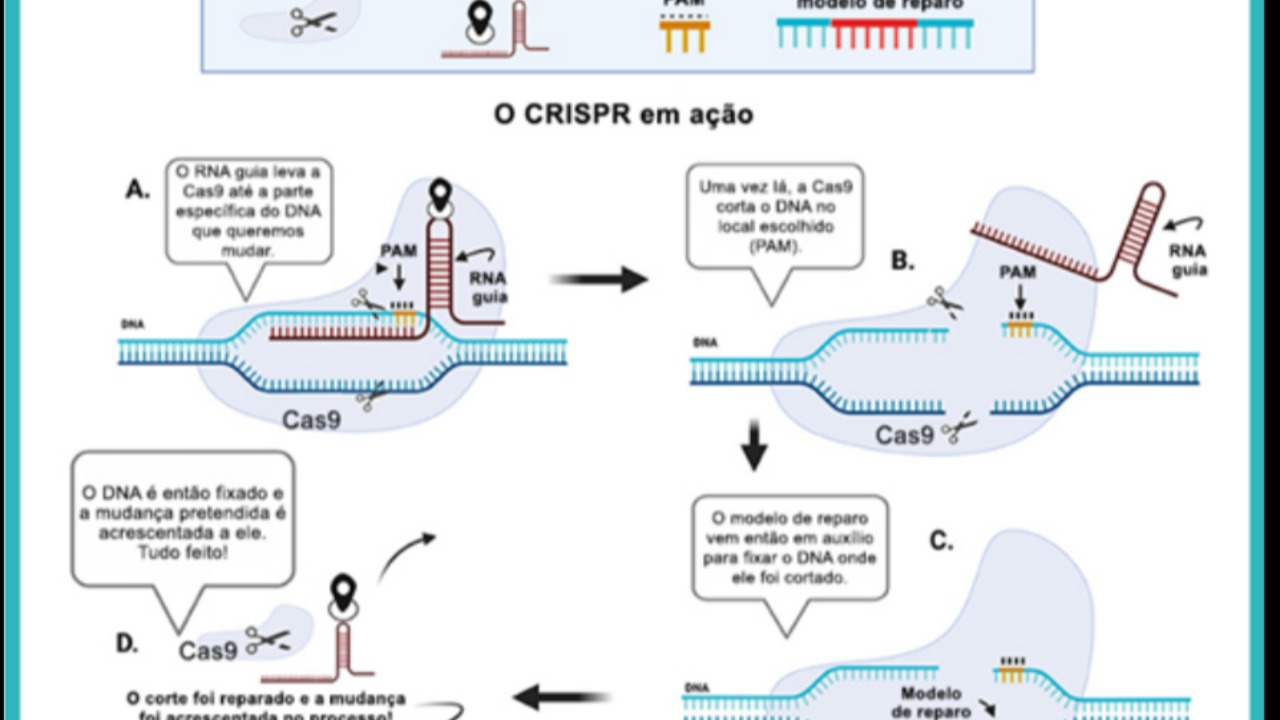
The CRISPR-Cas9 technology has revolutionized genetic research by providing a precise mechanism for gene editing. CRISPR, which stands for Clustered Regularly Interspaced Short Palindromic Repeats, works in tandem with the Cas9 protein to target and cut specific sequences of DNA. This allows researchers to modify, delete, or replace genetic material with unprecedented accuracy. The process mimics a natural defense mechanism found in bacteria, which use CRISPR sequences to fend off viral DNA.
Historically, the development of CRISPR-Cas9 has seen rapid progress since its potential was first recognized. Initially used in bacterial studies, its applications have expanded to include human genetic research, agriculture, and even potential treatments for diseases. The technology’s ability to precisely edit genes has made it a pivotal tool in studying genetic disorders, offering hope for targeted therapies that were once unimaginable.
CRISPR-Cas9 is particularly important in the realm of genetic disorder research. By enabling scientists to isolate and study the effects of specific genes, it facilitates a deeper understanding of the genetic underpinnings of various conditions. This capability is essential for developing interventions that address the root causes of genetic disorders rather than merely alleviating symptoms.
Understanding Down Syndrome and Its Genetic Basis
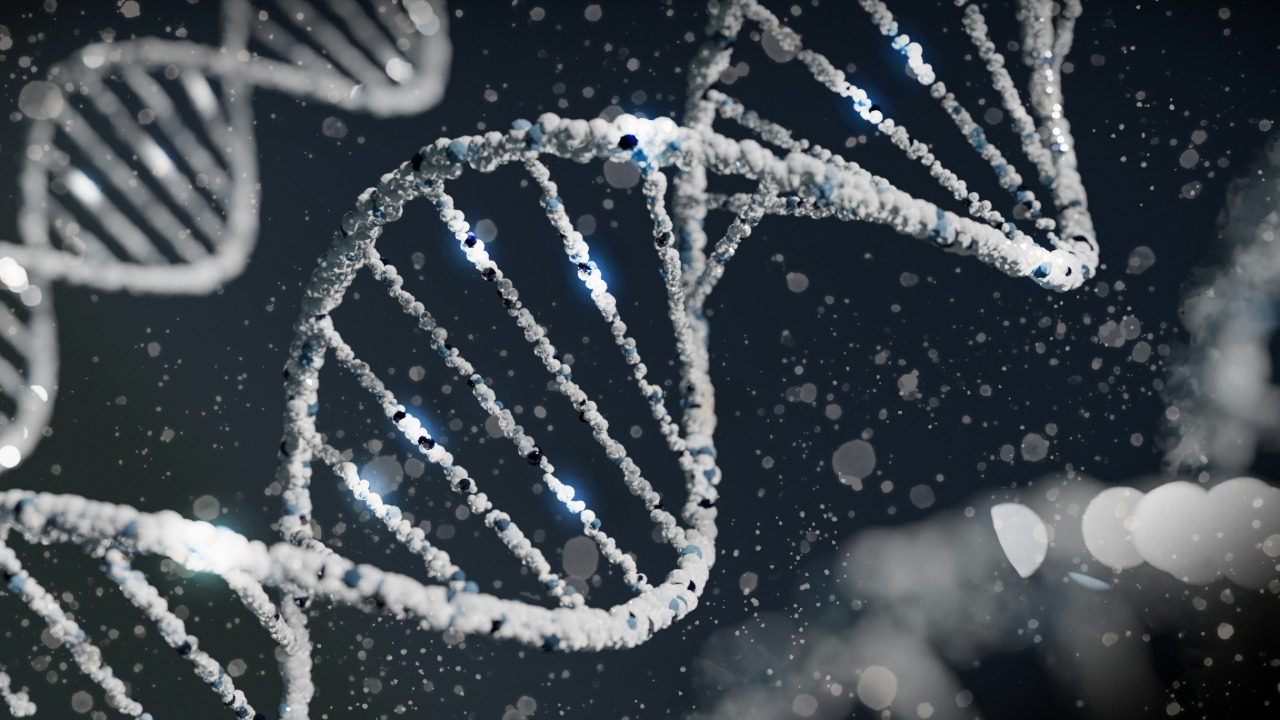
Down syndrome, one of the most common chromosomal disorders, affects approximately 1 in 700 live births worldwide. It is characterized by a range of physical and developmental challenges, which can vary widely among individuals. The condition significantly impacts not only those diagnosed but also their families, requiring substantial medical, educational, and social support.
The primary genetic cause of Down syndrome is trisomy 21, where an individual has three copies of chromosome 21 instead of the usual two. This extra chromosome disrupts typical development, leading to the characteristic features and health issues associated with the condition. Understanding the role of this extra chromosome is crucial for developing effective treatments.
Currently, treatments for Down syndrome focus on managing symptoms and supporting development through therapies and educational interventions. However, these approaches do not address the genetic root of the disorder. The limitations of existing treatments highlight the need for innovative strategies that can directly modify the underlying genetic abnormality.
Breakthrough in Chromosomal Editing
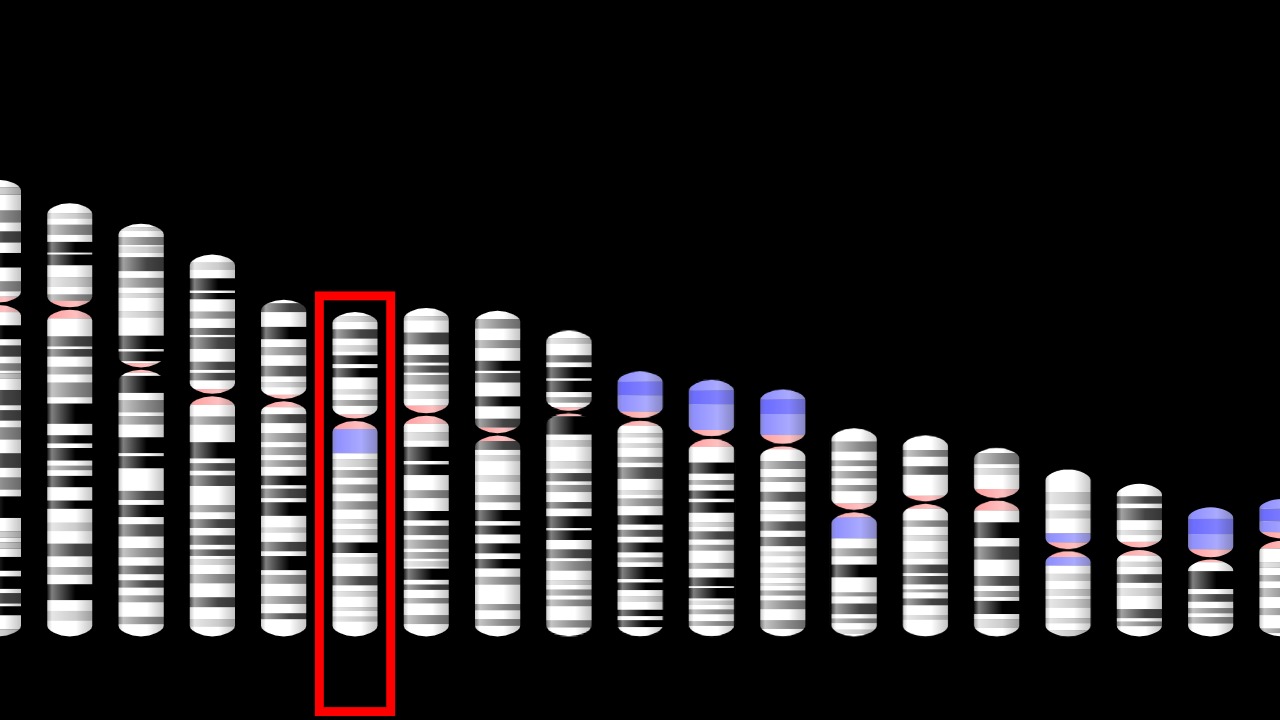
The recent experiment using CRISPR to remove the extra chromosome 21 in human cells represents a groundbreaking step in chromosomal editing. Scientists utilized CRISPR-Cas9 to target and eliminate the supernumerary chromosome in cultured human cells derived from individuals with Down syndrome. This experiment demonstrated the feasibility of correcting the chromosomal imbalance at the cellular level.
The results of this experiment are promising, showing that cells with the corrected chromosome number can function more normally. This suggests potential therapeutic applications that could alleviate or even prevent the effects of Down syndrome in the future. However, moving from lab-based experiments to clinical applications presents significant challenges, including ensuring the safety and efficacy of such interventions in humans.
Ethical considerations are paramount in discussions surrounding gene editing. The ability to alter human genetics raises questions about the long-term implications of such technologies. It is crucial to balance the potential benefits with ethical guidelines to ensure responsible use of genetic editing in medical practice.
Potential Therapeutic Applications
The successful removal of the extra chromosome opens the door to potential clinical applications for Down syndrome. If similar results can be replicated in living organisms, it could lead to new therapies that target the genetic basis of the disorder. Such treatments might significantly improve the quality of life for individuals with Down syndrome by addressing the root cause rather than just the symptoms.
However, translating these findings from the laboratory to clinical practice involves overcoming numerous hurdles. Challenges include ensuring precise targeting of the extra chromosome without off-target effects, understanding the long-term impacts of genetic editing, and navigating regulatory approvals. These challenges underscore the importance of continued research and development in this field.
Future research directions could explore optimizing the CRISPR-Cas9 system for more efficient chromosomal editing, understanding the broader implications of removing an entire chromosome, and developing strategies for safe and effective delivery of gene-editing technologies in humans. Such advancements could pave the way for therapeutic breakthroughs in a range of genetic disorders.
Broader Impact on Genetic Research

This advancement in chromosomal editing could have far-reaching implications for other genetic disorders. By demonstrating the feasibility of targeting entire chromosomes, researchers may be able to apply similar techniques to other conditions caused by chromosomal abnormalities, such as Turner syndrome or Klinefelter syndrome. This could revolutionize the treatment landscape for numerous genetic disorders.
Moreover, breakthroughs like this contribute to a broader understanding of human genetics and disease. By elucidating the mechanisms behind chromosomal disorders, scientists can develop more targeted and effective interventions. This knowledge not only benefits those with genetic conditions but also enhances our overall comprehension of human biology.
The role of interdisciplinary collaboration is crucial in advancing genetic research and applications. Geneticists, clinicians, and ethicists must work together to ensure that scientific progress translates into safe and effective therapies. Such collaboration fosters an environment where scientific innovations can be responsibly integrated into clinical practice.
Public Perception and Societal Impact
The news of using CRISPR to potentially address Down syndrome has elicited a range of public reactions and misconceptions. While many view this as a positive step toward combating genetic disorders, others express concerns about the ethical implications of gene editing. Misunderstandings about the technology’s capabilities and limitations can lead to unfounded fears or unrealistic expectations.
Societal and cultural implications of being able to edit genetic conditions like Down syndrome are profound. Such advancements could shift societal perceptions of genetic disorders and influence how we approach genetic diversity. It raises questions about the value placed on individuals with genetic differences and the potential for reducing diversity through genetic modification.
As gene editing technologies advance, the future of genetic counseling and education will likely evolve. Genetic counselors will play a pivotal role in helping individuals understand the implications of genetic modifications, while educational initiatives will be essential for dispelling myths and promoting informed discussions about genetic technologies. These efforts will help ensure that society is prepared to engage with the ethical and practical challenges posed by advancements in gene editing.
