
As we delve deeper into the cosmos, artificial intelligence (AI) is becoming an indispensable tool, enabling scientists to simulate universes on a scale never seen before. This novel approach is not only revolutionizing our understanding of the cosmos but also paving the way for further groundbreaking research in the field of cosmology.
The Role of AI in Cosmology
AI has become a key player in cosmological studies, helping scientists decipher the complex structure of the universe. With the power of machine learning algorithms, we can now process and analyze vast quantities of data from cosmological observations and simulations in a fraction of the time it would take using traditional methods. This has notably advanced our understanding of the universe, allowing us to make more accurate predictions about its evolution and composition.
More importantly, AI’s impact on our comprehension of the universe is revolutionary. For instance, the use of AI has made it possible to detect patterns in the cosmic web that we couldn’t see before, shedding light on how galaxies form and evolve over time. Thus, AI is not just a tool but a catalyst that is propelling our cosmological knowledge to new frontiers.
The AI Universe Simulation Process
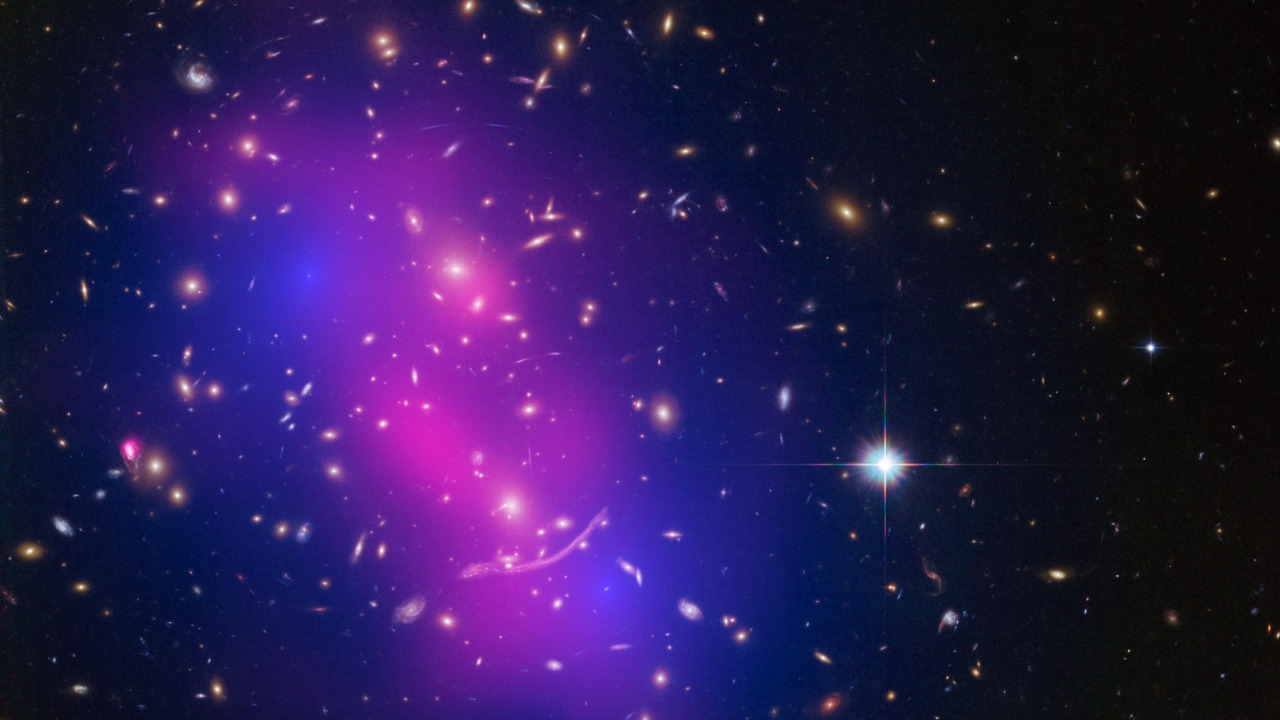
The process of simulating the universe with AI is both intricate and fascinating. The goal of these simulations is to create a virtual cosmos that closely mimics our own, providing a sandbox for testing theories and making discoveries. AI, particularly machine learning, plays a pivotal role in this process, enabling us to run simulations more quickly and accurately than ever before.
However, simulating the universe is not without its challenges. The sheer scale and complexity of the universe makes it a daunting task. From the countless galaxies to the enigmatic dark matter, each element adds a layer of complexity. Nevertheless, AI has proven capable of overcoming these hurdles. Through machine learning, AI can accelerate cosmological simulations, efficiently reproducing the large-scale structure of the universe and offering insights into its mysteries.
Major Breakthroughs in AI Universe Simulations
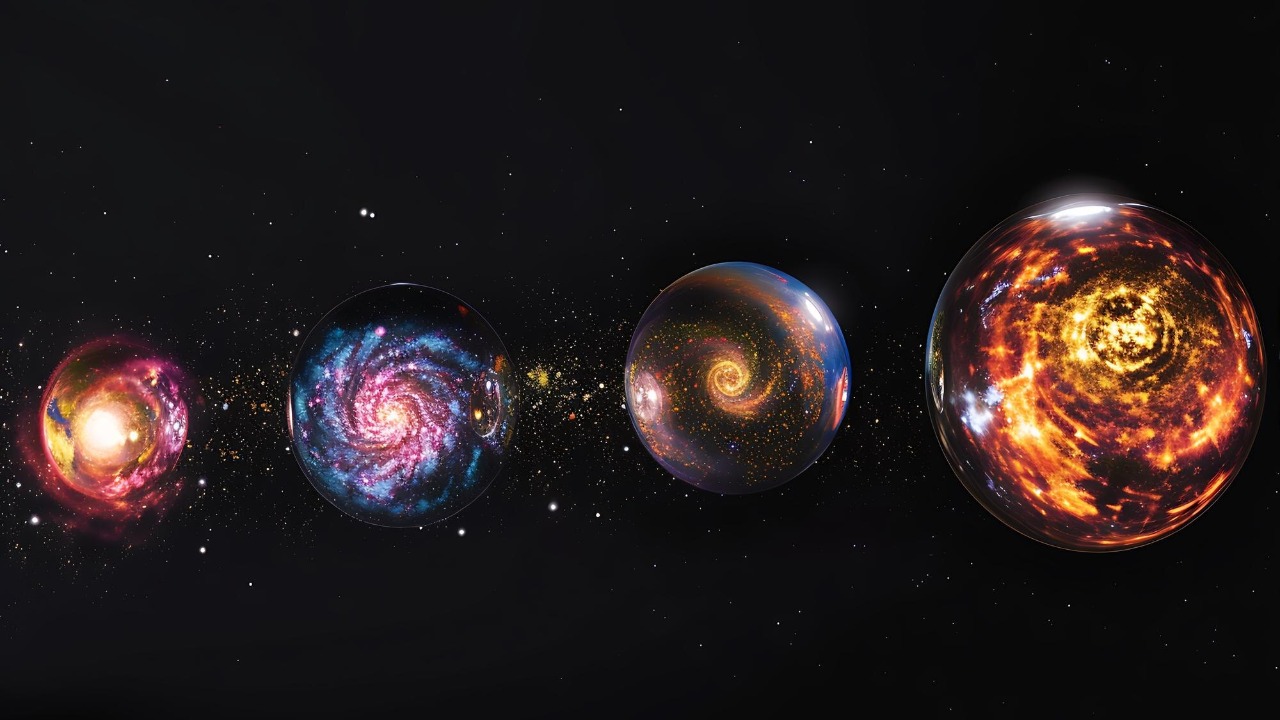
One of the most significant breakthroughs in AI universe simulations is the largest and most complex simulation of the universe ever run on a supercomputer. This simulation, which included billions of virtual galaxies, has provided unprecedented insight into the evolution of the universe, and has become a cornerstone in the study of cosmology.
Another groundbreaking discovery was the identification of hidden patterns in the universe’s structure. Using AI, scientists were able to unlock hidden patterns in the cosmic web, revealing new information about the distribution of galaxies. Such findings have led to new theories and hypotheses in cosmology, further augmenting our understanding of the cosmos.
AI and Future Cosmological Research
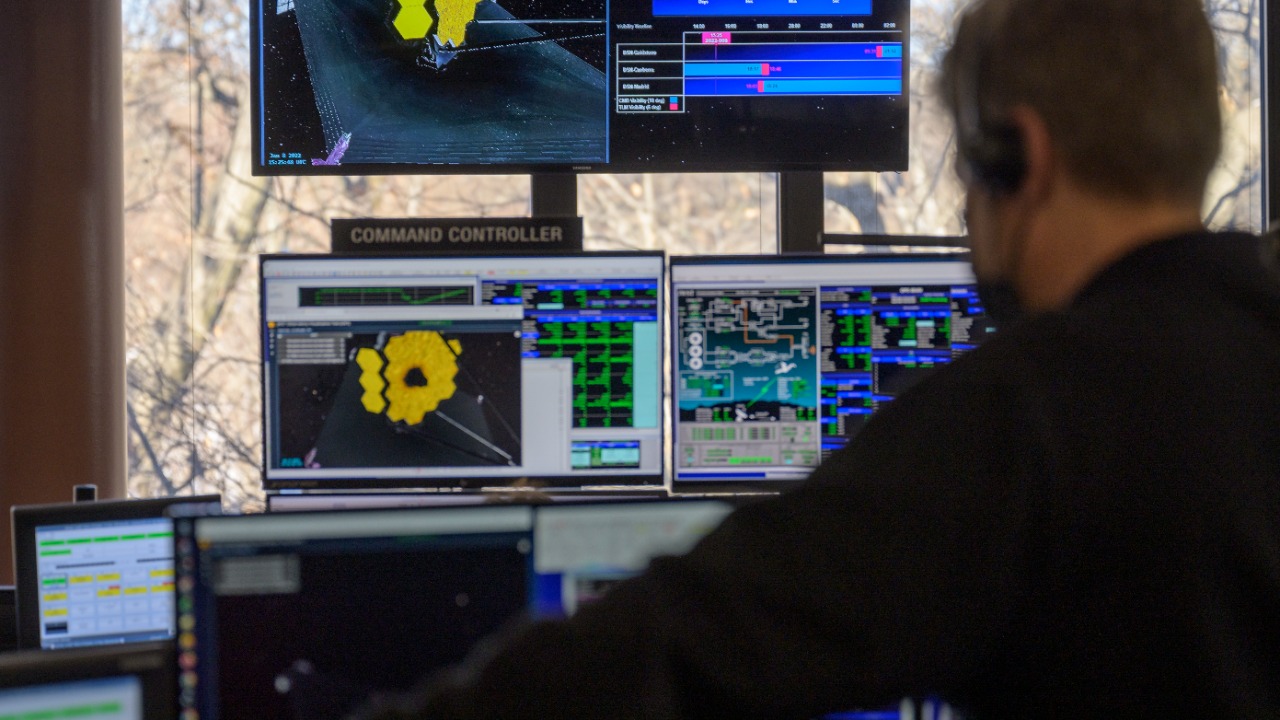
The potential of AI in future cosmological research is immense. With its ability to analyze large datasets and make precise predictions, AI could lead us to unravel the mysteries of dark matter and dark energy, two enigmatic components of the universe that continue to elude us. This could revolutionize our understanding of the universe and its origins.
Moreover, AI could play a crucial role in predicting cosmic events. By analyzing patterns and trends in cosmological data, AI could potentially forecast cosmic phenomena, such as supernovae or galaxy collisions, well in advance. This would not only aid in our understanding of these events but also have practical implications, such as aiding in the planning of space missions.
Ethical and Philosophical Implications of AI Universe Simulations

As we venture into the realm of simulating universes, ethical and philosophical questions arise. For instance, if we can create a simulation that perfectly replicates our universe, what does that say about our own reality? Could we, too, be living in a simulation? These are profound questions that have sparked much debate among philosophers and scientists alike.
Moreover, the potential of AI reaching a point where it can replicate our universe in detail has profound implications. The idea that we could create a universe – even a virtual one – raises ethical questions about our role as creators and the potential consequences of our creations. It’s a sobering thought that underscores the responsibility we bear as we continue to push the boundaries of AI and cosmology. As we move forward, it is crucial that we engage in open dialogue about these issues, ensuring that our advancements in technology are guided by ethical considerations and a deep respect for the mysteries of the cosmos.
