The enigmatic ‘Halo’ barrels submerged off the coast of California have intrigued scientists and researchers for years. Now, after extensive study and investigation, the contents of these barrels are finally being unveiled.
The Discovery of the ‘Halo’ Barrels
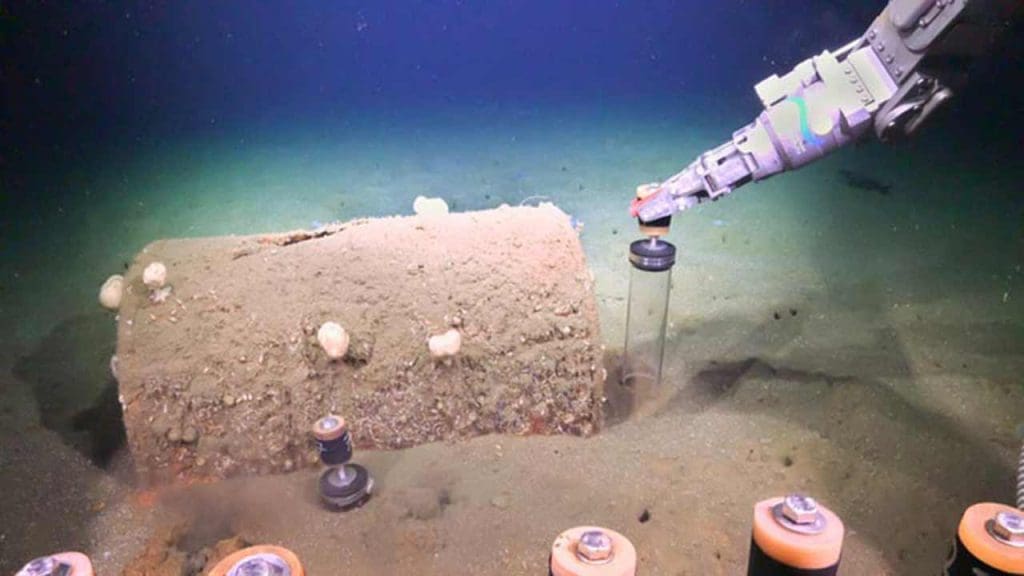
The discovery of these mysterious barrels dates back many years, when they were first noticed by divers and fishermen operating in the area. The barrels earned their moniker ‘Halo’ due to their peculiar glow underwater, visible even from considerable distances. The initial theories concerning the barrels’ contents ranged from harmless debris to potentially hazardous chemical waste. Their exact origins, however, remained unknown.
For years, the ‘Halo’ barrels remained an enigma, sparking speculation and concern among environmentalists and scientists. These barrels were not just a mystery to be solved, but potentially a significant environmental issue that needed to be addressed.
Investigation and Research Process

The investigation process to uncover the secrets of the ‘Halo’ barrels was complex and challenging. Researchers utilized advanced marine technology, including remotely operated vehicles (ROVs), sonar mapping, and deep-sea cameras to study the barrels. The depth at which the barrels were located posed a significant challenge, making the investigation a painstakingly slow process.
Despite the many hurdles, scientists persevered in their quest to uncover the truth. Their determination paid off when they were finally able to retrieve samples from the barrels, enabling them to analyze the contents in a lab environment. This breakthrough marked a significant milestone in the investigation.
What’s Inside the Barrels?
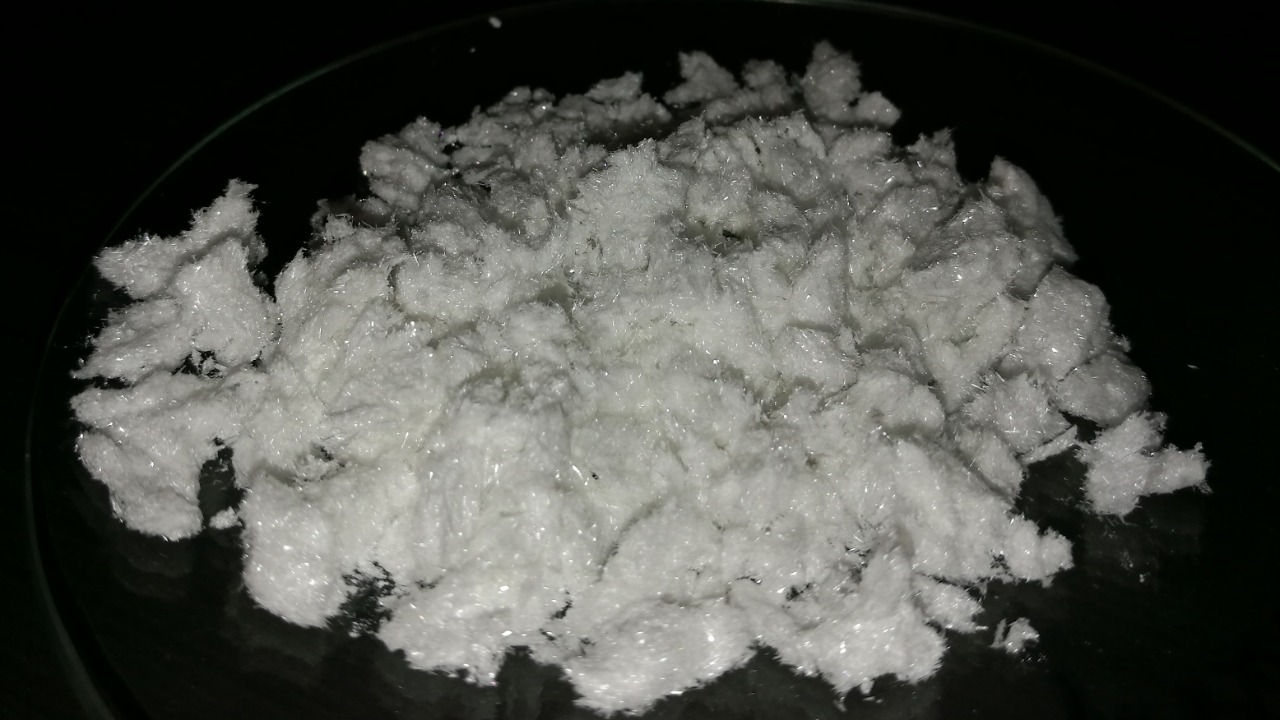
The revelation of the barrels’ contents was as surprising as it was concerning. Scientists discovered that the barrels contained the pesticide dichlorodiphenyltrichloroethane, more commonly known as DDT. This pesticide was widely used in the mid-20th century before being banned due to its harmful effects on the environment and human health.
The discovery of DDT in the barrels has raised serious questions about the potential implications of this contamination. Scientists are particularly concerned about the impact on marine life and the possible bioaccumulation of DDT in the food chain, which could have far-reaching effects on human health.
The DDT Contamination Crisis
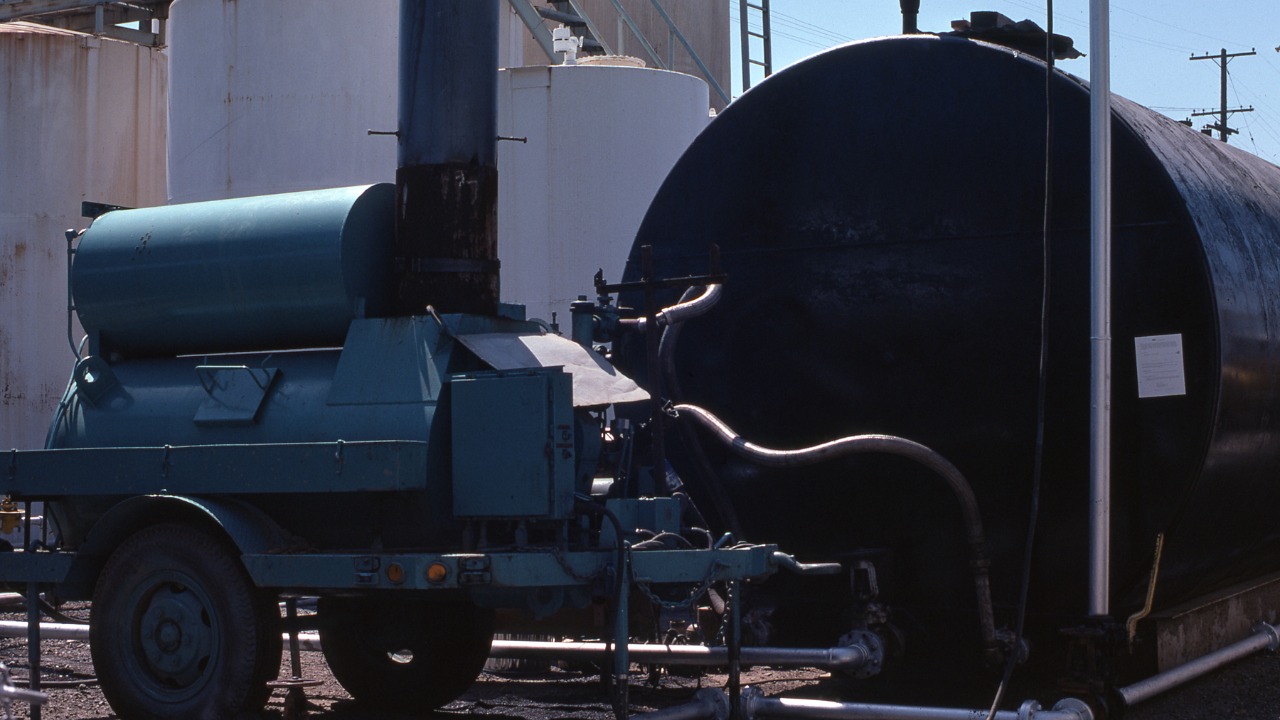
DDT was widely used as a pesticide throughout much of the 20th century until its prohibition in the 1970s. Despite its effectiveness in controlling pests, DDT was found to have devastating environmental impacts, including causing harm to bird populations and polluting water sources. It is also potentially harmful to humans, with studies suggesting a link between DDT and certain types of cancer.
The discovery of DDT in the ‘Halo’ barrels has brought this issue back into the spotlight. The barrels represent a significant source of DDT contamination, posing a threat to the marine ecosystem off the California coast. The full extent of this contamination and its potential impact on the environment and human health is still being investigated.
What’s Next: Cleanup and Restoration Efforts
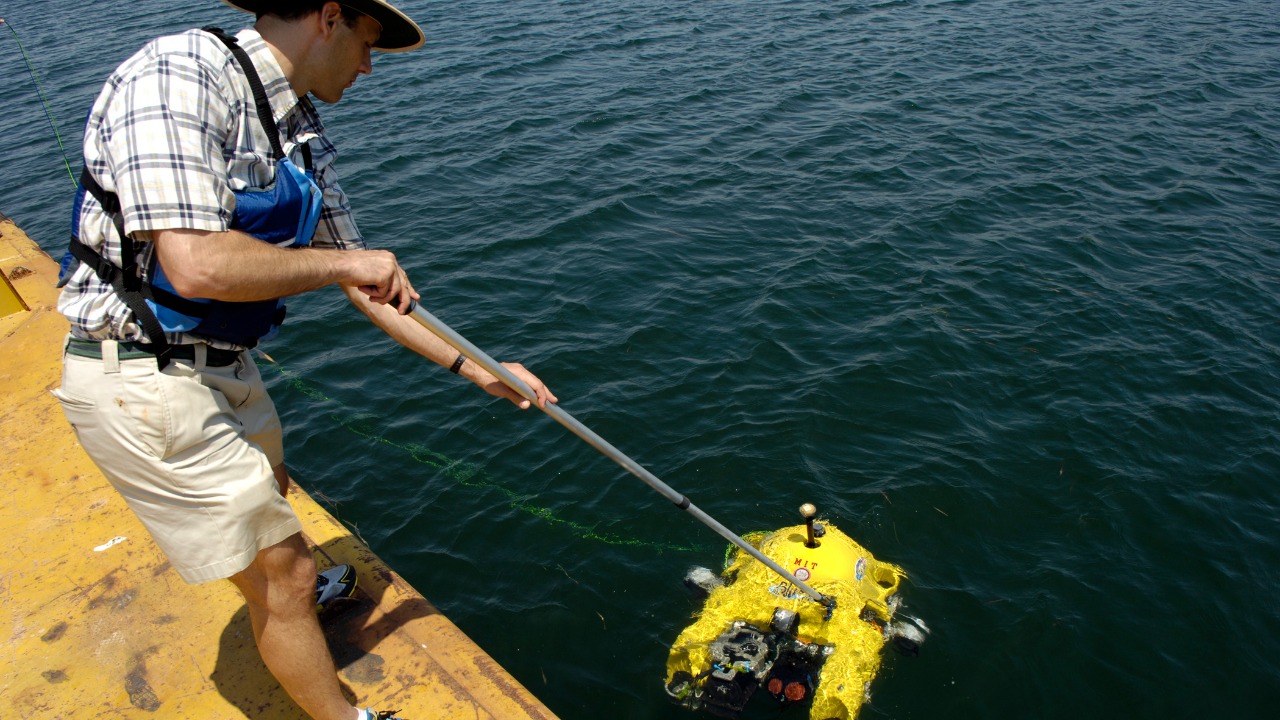
The revelation of the barrels’ contents has prompted urgent calls for cleanup and restoration efforts. Various strategies are being considered to manage the barrels and mitigate their impact, including removal of the barrels and onsite treatment of the contaminated area. However, these efforts will require significant resources and careful planning to ensure minimal disruption to the marine ecosystem.
Research related to the ‘Halo’ barrels is ongoing, with scientists striving to learn more about the extent of the contamination and the most effective ways to address it. The story of the ‘Halo’ barrels is a potent reminder of the lasting impact of our actions on the environment, and the importance of vigilance and responsibility in managing our resources.
For further reading, you can visit the following article on the subject.
