A recent breakthrough in astrobiology has led to the discovery of what is being touted as the ‘strongest evidence yet’ of life beyond Earth. This revelation, centered around the detection of specific biosignatures on an alien planet, illuminates new possibilities in our understanding of life in the universe.
The Discovery: A New Era in Astrobiology
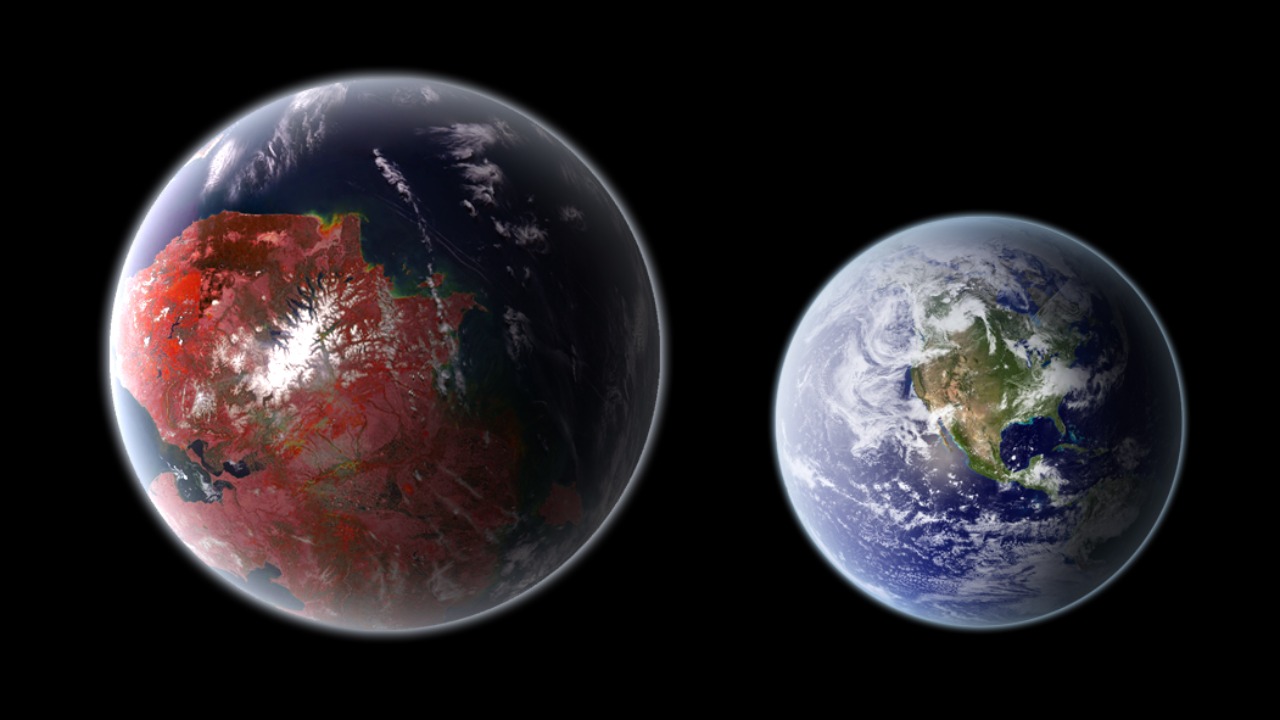
The scientific breakthrough that has sparked global interest lies in the detection of definitive biosignatures on an exoplanet in the habitable zone of its star. These biosignatures, essentially chemical clues, were found in the planet’s atmosphere and are indicative of the potential existence of life. According to Reuters, the discovery was made using advanced telescopic technology that enabled scientists to analyze the chemical composition of the planet’s atmosphere.
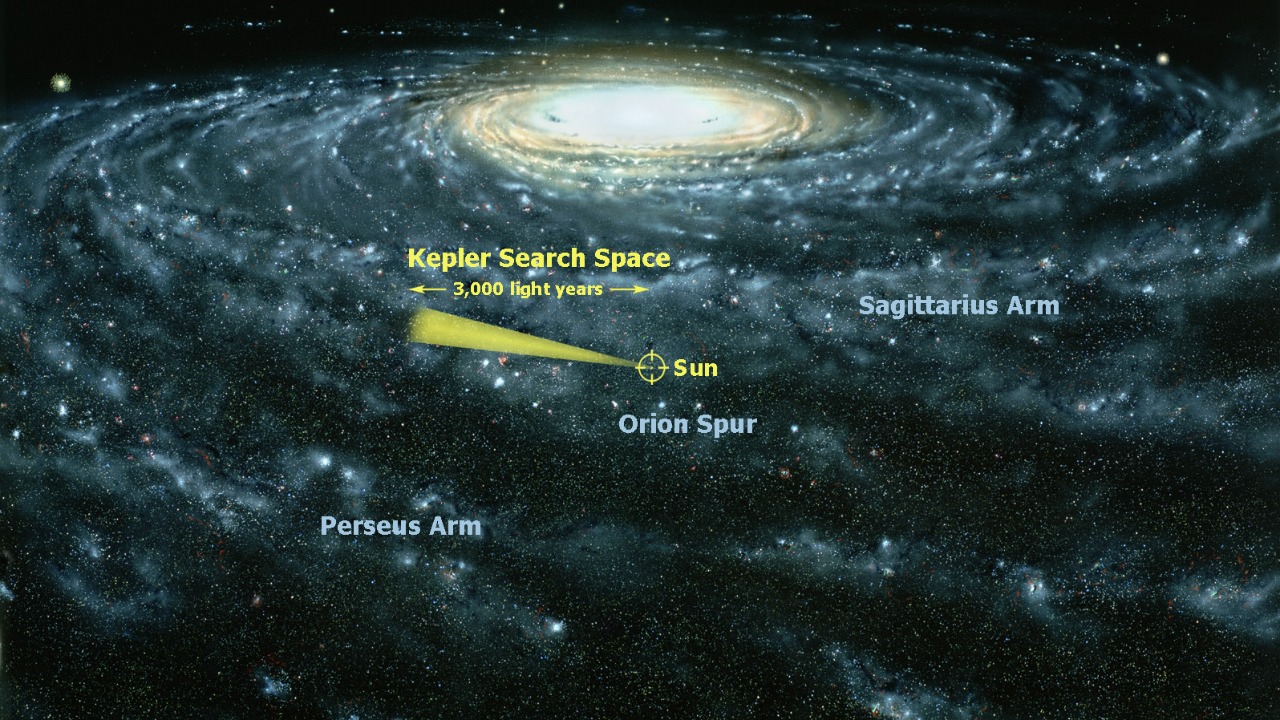
The exoplanet in question, dubbed Kepler-442b, is located in the Kepler-442 system, about 1,120 light-years away from Earth. The planet is roughly twice the size of Earth and is located in the ‘Goldilocks Zone’ of its star, where conditions could be just right for liquid water to exist — a key element for life as we know it.
Understanding Biosignatures: The Key to Finding Life
Biosignatures are essentially chemical indicators of life. They are substances, such as specific gases or light patterns, which provide evidence of life. In the context of astrobiology, the detection of biosignatures is considered strong evidence of extraterrestrial life as it suggests that biological processes may be occurring or have occurred.
The specific biosignatures detected on Kepler-442b included an abundance of oxygen and methane, gases that are often produced by biological processes on Earth. This combination of gases, in the context of an exoplanet within the habitable zone of its star, suggests the tantalizing possibility of life. While this doesn’t confirm the existence of life, it is, as The Guardian reports, the strongest evidence we’ve found thus far.
The Implications: What This Means for Science and Humanity

This discovery has profound implications for the field of astrobiology, significantly advancing our understanding of life’s potential beyond our own planet. If confirmed, this would mark the first time that clear signs of life have been detected outside of Earth, opening up a new frontier in our exploration of the universe.
On a broader scale, the discovery challenges our philosophical and societal perspectives on life and our place in the cosmos. The potential existence of life beyond Earth raises many questions about the nature of life itself and our role in the universe, as Al Jazeera explores.
Skepticism and Controversy: Not All Are Convinced

Despite the excitement surrounding the discovery, some skepticism and controversy persist. Critics argue that the detected biosignatures could be the result of non-biological processes. They caution against jumping to conclusions, emphasizing that more evidence is needed.
Nevertheless, the scientific community has largely embraced the findings. Researchers are eagerly planning further investigations to confirm or refute the evidence. As reported by Gale, the debate continues, but the spark of possibility has been ignited.
The Future of Extraterrestrial Research

The next steps involve further investigation of Kepler-442b, with plans to deploy more advanced telescopes capable of more detailed analysis of the planet’s atmosphere. These studies aim to confirm the existence of life or at least provide more compelling evidence.
Moreover, technological advancements are expected to play a key role in future exploration. As technology continues to evolve, our ability to search for extraterrestrial life will become more sophisticated, paving the way for new discoveries and insights. As the Gale Academic OneFile explains, the future of astrobiology looks promising, with this discovery serving as a significant milestone in our quest to understand the universe and our place within it.
