Recent discoveries off the Greek coast have unveiled a submerged city, shrouded in mystery and historical intrigue. This remarkable find has captivated archaeologists and historians alike, offering a glimpse into ancient civilizations and potentially rewriting parts of history.
The Discovery: A New Chapter in Archaeology
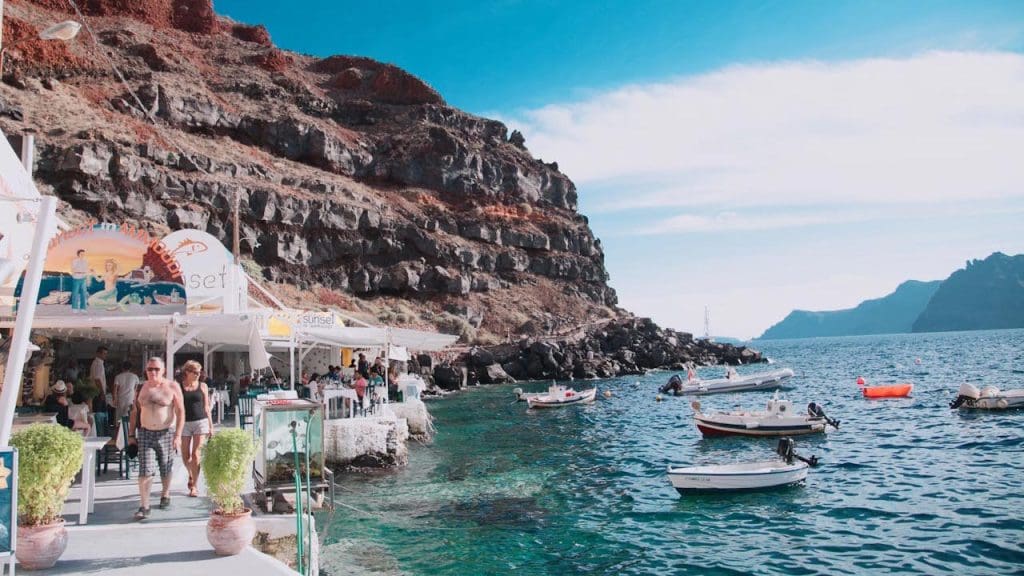
The submerged city, located off the coast of Greece, has been a focal point for archaeologists due to its unprecedented preservation under the sea. Initial findings suggest carefully constructed buildings, paved streets, and complex infrastructure indicative of a highly advanced civilization. Using state-of-the-art technology such as sonar mapping and underwater drones, researchers have been able to document the city’s layout and gather significant data without disturbing the underwater ecosystem.
This discovery adds a new layer to our understanding of ancient Greek history. The city dates back to a period that aligns with other significant ancient Greek developments, suggesting that it could have been a part of a broader cultural and economic network. The implications for historians are vast, offering potential insights into trade routes, societal structures, and even the daily lives of those who inhabited this now-submerged city.
The archaeological community has responded with excitement and anticipation. This find, as reported by CNN, could potentially lead to a reevaluation of established historical narratives. Researchers are eager to explore further, uncovering more about how this city fits into the larger tapestry of ancient civilizations.
Scientific Methods and Techniques
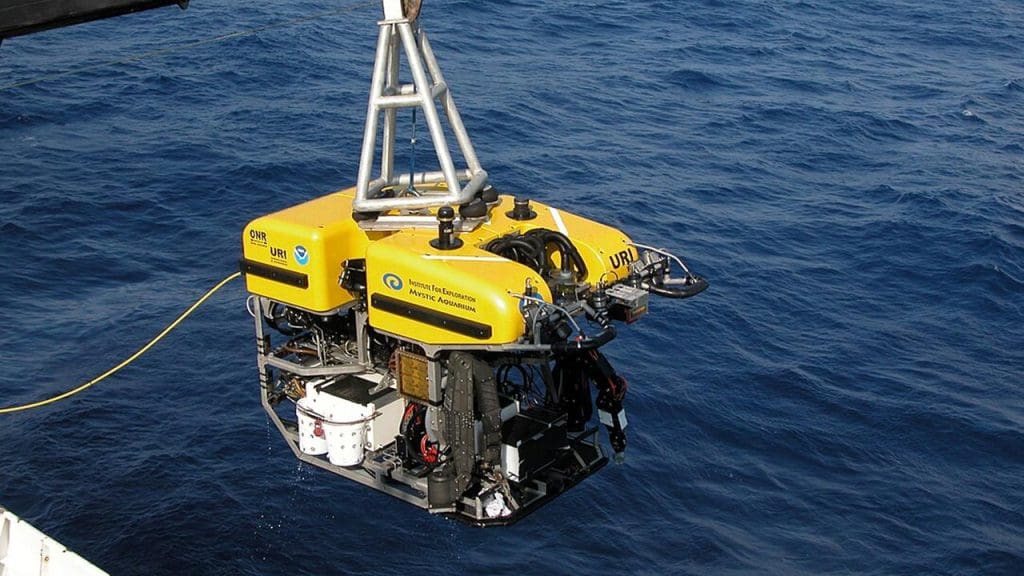
Underwater archaeology requires a unique set of tools and techniques to effectively explore and document submerged sites. In this case, researchers employed a combination of sonar imaging and remotely operated vehicles (ROVs) equipped with high-definition cameras to map the city’s layout in great detail. These methods allow for a non-invasive approach, crucial for preserving the site’s integrity.
Dating and analysis of the site are being conducted using advanced techniques such as radiocarbon dating and stratigraphic analysis. These processes help determine the age of the city and provide clues about its origins. The challenges of underwater exploration, including limited visibility and the preservation of delicate artifacts, require meticulous planning and execution.
Data preservation is another significant challenge faced by archaeologists. The underwater environment can quickly degrade materials, so researchers must work swiftly to document and analyze findings before they deteriorate. The integration of digital technologies has become indispensable, allowing for the creation of detailed 3D models that can be studied long after the physical site has been affected by natural elements.
Theories and Speculations
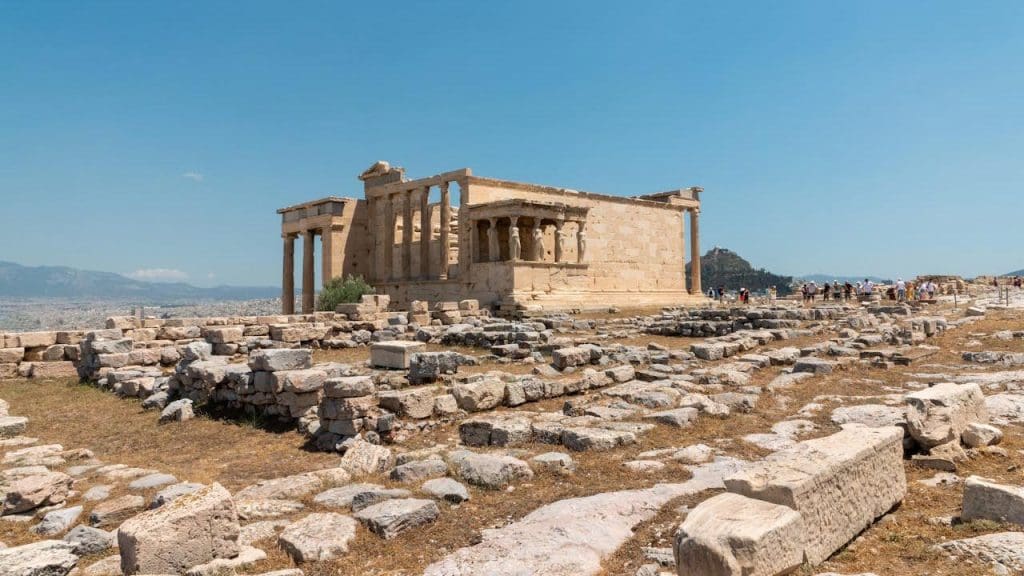
The discovery has sparked numerous theories and speculations, with some researchers drawing parallels to the legendary city of Atlantis. Plato’s writings have long fascinated historians and archaeologists, and the idea that this city could be connected to such a mythological place has captured the imagination of many. While such a connection remains speculative, it highlights the allure and mystery surrounding the site.
Alternative theories suggest the city could be part of a known ancient Greek civilization, possibly offering insights into lesser-known aspects of their culture and society. Some historians propose that the city might have been an important trade hub, strategically located to facilitate commerce across the Mediterranean.
The cultural significance of the city is also a point of interest. Studying the city’s architecture, artifacts, and infrastructure can provide valuable insights into the daily lives, beliefs, and social structures of its inhabitants. This understanding can contribute to a more nuanced view of ancient Greek civilization, enhancing our appreciation of its complexity and diversity.
Implications for Modern Understanding
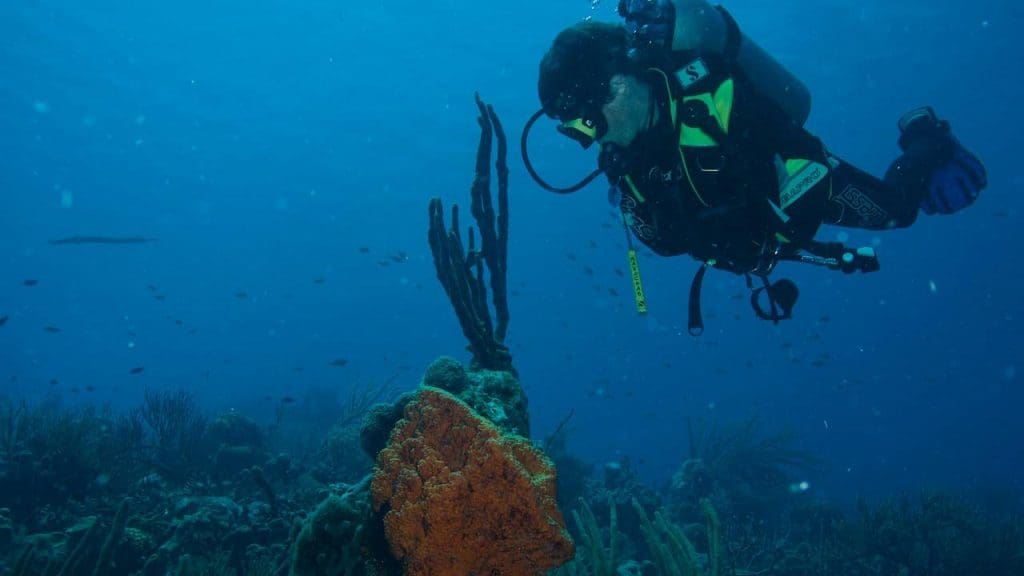
The discovery of this submerged city has the potential to alter existing historical narratives significantly. By providing new evidence and perspectives, it challenges previously held assumptions about the development and spread of ancient civilizations. As researchers continue to analyze the site, we may gain a deeper understanding of the interconnectedness of ancient societies and their influence on one another.
Preservation efforts are paramount to ensure the site’s protection for future generations. The importance of safeguarding underwater archaeological sites cannot be overstated, as they hold invaluable information about our past. Organizations are advocating for increased awareness and funding to support these efforts, recognizing the need to balance exploration with conservation.
Future research directions are vast, with many areas left to explore. Continued excavation and analysis could uncover more about the city’s origins, its role within the ancient world, and its eventual submersion. Researchers are also interested in exploring nearby areas for additional sites, potentially expanding our understanding of the region’s historical significance.
Global Interest and Media Coverage

The discovery has captured global attention, igniting public fascination with the mysteries of the ancient world. Media outlets have extensively covered the find, with platforms like Google Books offering detailed analyses and insights into the discovery’s implications. This heightened visibility has sparked discussions about the importance of archaeology and the need to preserve our shared heritage.
Media portrayal has played a significant role in shaping public perception of the discovery. By highlighting the site’s potential connections to legendary tales and ancient civilizations, the media has fueled interest and curiosity. This coverage has also highlighted the challenges and triumphs of underwater archaeology, showcasing the dedication and expertise required to uncover our past.
Educational opportunities abound, as the discovery offers a unique chance to engage the public in the fields of archaeology and history. Schools and universities are incorporating the find into their curricula, using it as a case study to teach students about the scientific methods and historical significance of archaeological research. By doing so, educators hope to inspire a new generation of historians and archaeologists, eager to explore and preserve the mysteries of our world.
