Recent discoveries have unveiled the surprising resilience of certain bacteria, capable of surviving the harsh vacuum of space. This revelation not only shifts our understanding of microbial life but also has implications for space exploration and the search for extraterrestrial life.
Unprecedented Discovery of Space-Surviving Bacteria
Scientists have recently discovered a new type of microbe that has shown an unprecedented ability to withstand the vacuum of space. These never-before-seen microbes were found surrounding a NASA robot before it was sent to Mars 18 years ago. This discovery, as reported by Live Science, has significantly broadened our understanding of microbial life and its potential to survive in extreme environments.
These findings are not only fascinating but also have far-reaching implications. The resilience of these microbes challenges our previous assumptions about the limits of life and opens up new possibilities for the existence of life beyond Earth. The discovery also raises questions about the potential for microbial life to survive on other planets and moons in our solar system and beyond.
Investigating Bacteria in the Context of Space Travel
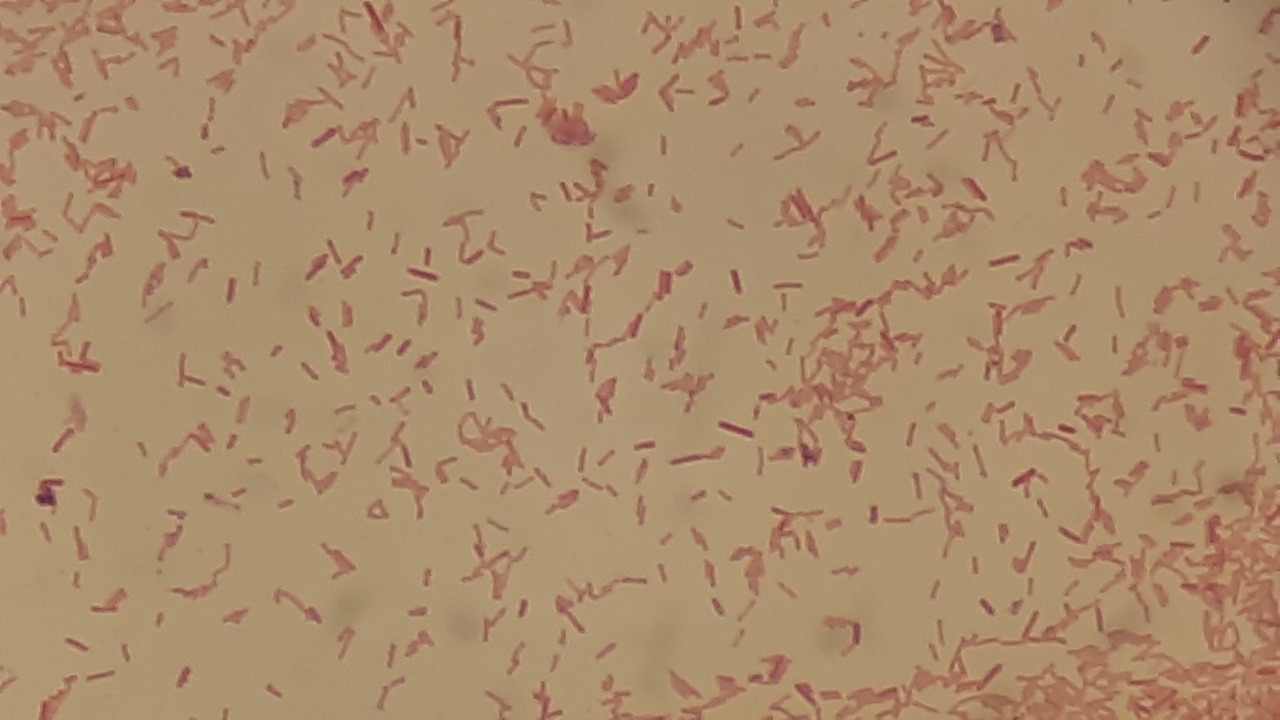
The discovery of these resilient bacteria has significant implications for future space exploration missions. One of the key challenges that these bacteria present is the potential risk of contamination. Spacecraft and astronauts could inadvertently carry these hardy microbes to other planets, potentially interfering with the search for extraterrestrial life.
In response to these findings, NASA has implemented new microbial cleaning protocols for spacecraft facilities. As reported by Space.com, scientists have discovered 26 new microbe species in NASA spacecraft facilities, highlighting the need for stringent cleaning procedures to prevent potential contamination of other celestial bodies.
The Case of Bacteria Found in Asteroid Samples
In an intriguing case, bacteria were found in asteroid samples, but they turned out to be terrestrial. As reported by New Scientist, these bacteria were not from space, but rather from Earth. This discovery underscores the importance of rigorous scientific methods to determine the origin of bacteria and other life forms found in space.
The implications of this case for our understanding of bacterial survival in space are profound. It suggests that bacteria from Earth can survive in space, at least for a time, and that they can potentially contaminate other celestial bodies. This raises important questions about the potential for life to exist elsewhere in the universe and the need for careful protocols to prevent contamination during space exploration missions.
Tardigrades: The Pioneers of Space Survival
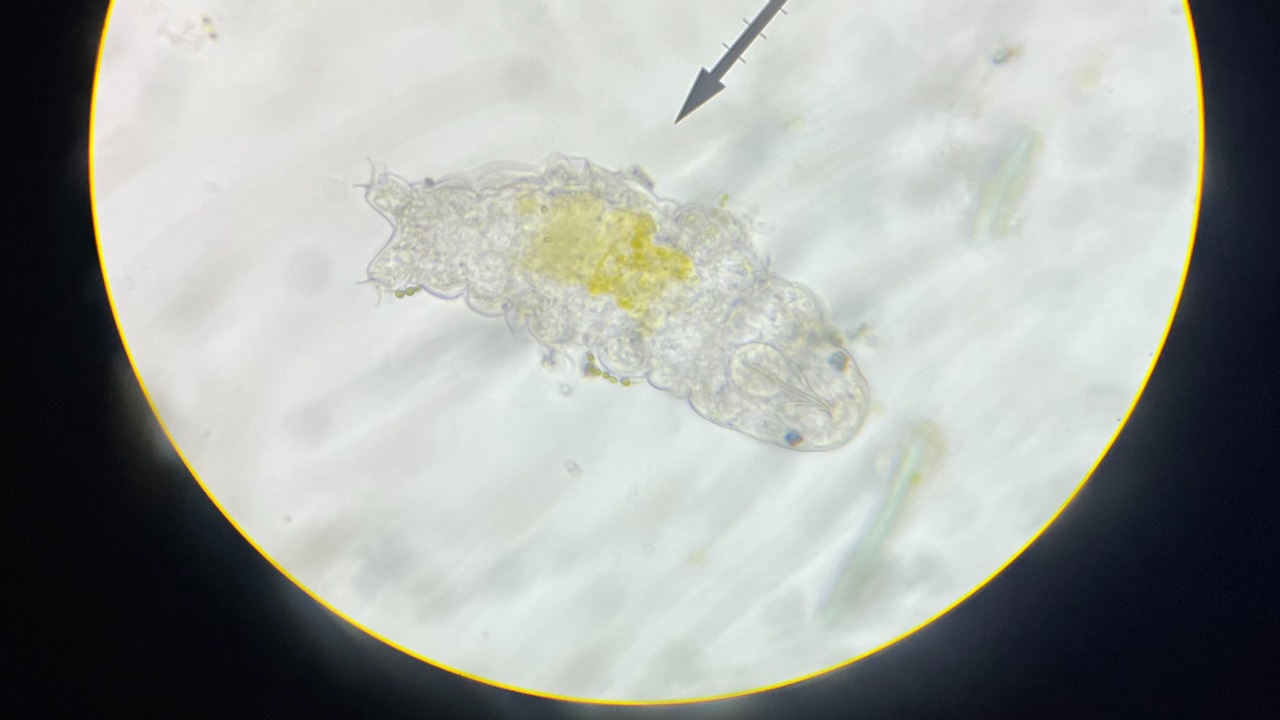
When discussing life’s resilience in extreme environments, it’s impossible to overlook the case of tardigrades. These tiny creatures, also known as “water bears,” have been found to survive in the vacuum of space. In fact, some might still be alive on the moon following a lunar lander crash, as reported by Discover Magazine.
Comparing the survival capacities of these tardigrades with the newly discovered space-surviving bacteria, it’s clear that life can be incredibly resilient. Both tardigrades and these bacteria have shown the ability to survive in environments previously thought to be inhospitable to life. These discoveries provide valuable insights into the potential for life to exist in extreme environments, both on Earth and beyond.
Resilient Bacteria: Boon or Bane for Extraterrestrial Life Search?
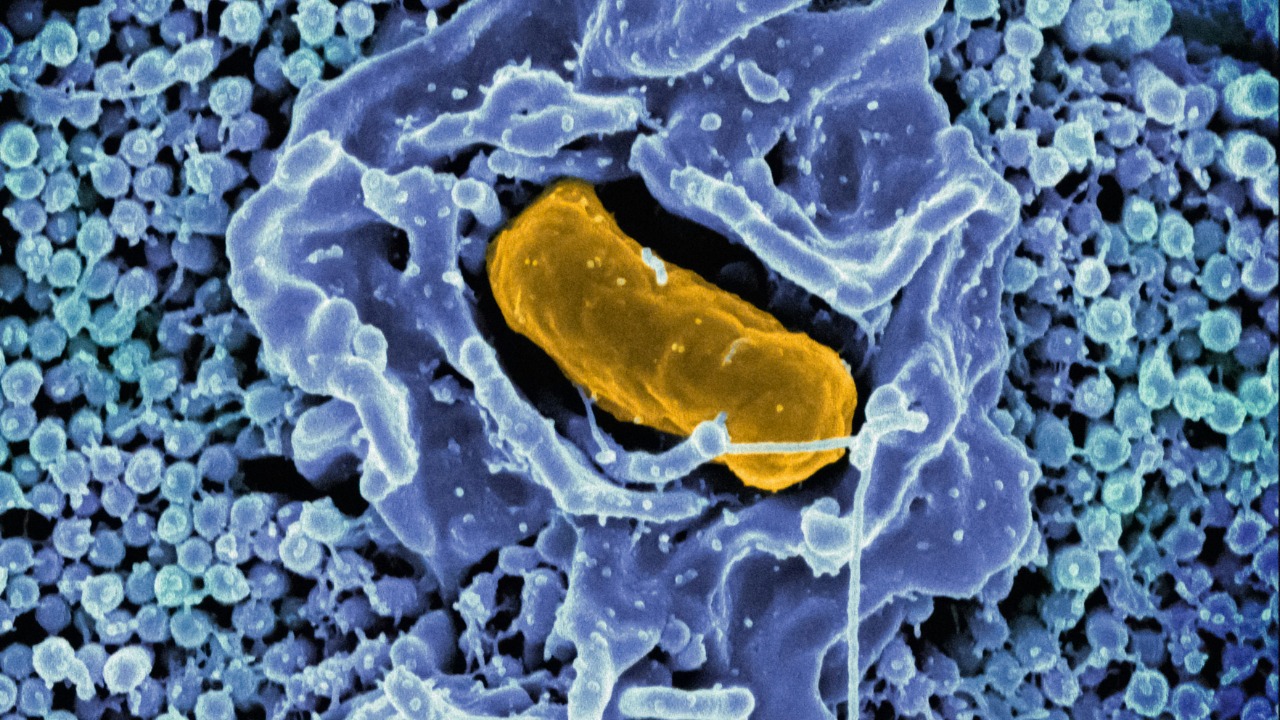
The discovery of bacteria surviving in space has significant implications for the search for extraterrestrial life. On one hand, it supports the theory of panspermia – the idea that life on Earth could have originated from bacteria or other biological particles transported from space. On the other hand, it raises concerns about the potential for Earthly bacteria to contaminate other planets during exploration missions.
As reported by Smithsonian Magazine, scientists have discovered that exposed bacteria can survive in space for years. This finding not only supports the theory of panspermia but also underscores the potential risks of contamination. As we continue to explore the cosmos, it’s crucial that we take steps to prevent the spread of Earthly bacteria to other celestial bodies.
