Recent advances in science have unearthed a significant revelation: the discovery of a ‘lost’ continent, Zealandia, which was hidden for 375 years. This notable find shakes up our understanding of Earth’s geological history and presents Zealandia as the 8th continent.
The Discovery of Zealandia
The initial discovery of Zealandia was made possible through advanced techniques in marine geology. Researchers utilized seismic and gravitational measurement data to identify Zealandia’s continental crust, distinct from the surrounding oceanic crust. This process was instrumental in recognizing Zealandia as a separate geological entity. The discovery was a testament to the significant role of technological advancements in the field of marine geology. Further exploration using underwater robots and deep-sea drilling expeditions confirmed Zealandia’s continental status.
Zealandia’s recognition as the 8th continent is a landmark event in the field of geology. It shifts our perspective of the conventional seven-continent model and emphasizes the continuous evolution of Earth’s geology. This discovery also opens up new avenues for research in the geological sciences.
Geological History of Zealandia
Zealandia’s geological history provides valuable insights into the Earth’s past. The continent was formed over 85 million years ago, as a result of the break-up of the supercontinent Gondwana. Over time, Zealandia gradually submerged beneath the ocean surface, remaining hidden until its recent discovery. The unique geological properties of Zealandia, including its crustal characteristics and mineral resources, offer a fascinating glimpse into its past.
Understanding Zealandia’s history significantly contributes to our comprehension of continental drift and tectonic activity. It provides a real-world example of the processes that shape the Earth’s surface over millions of years. The study of Zealandia could potentially revolutionize our understanding of Earth’s geological history.
Biodiversity on Zealandia
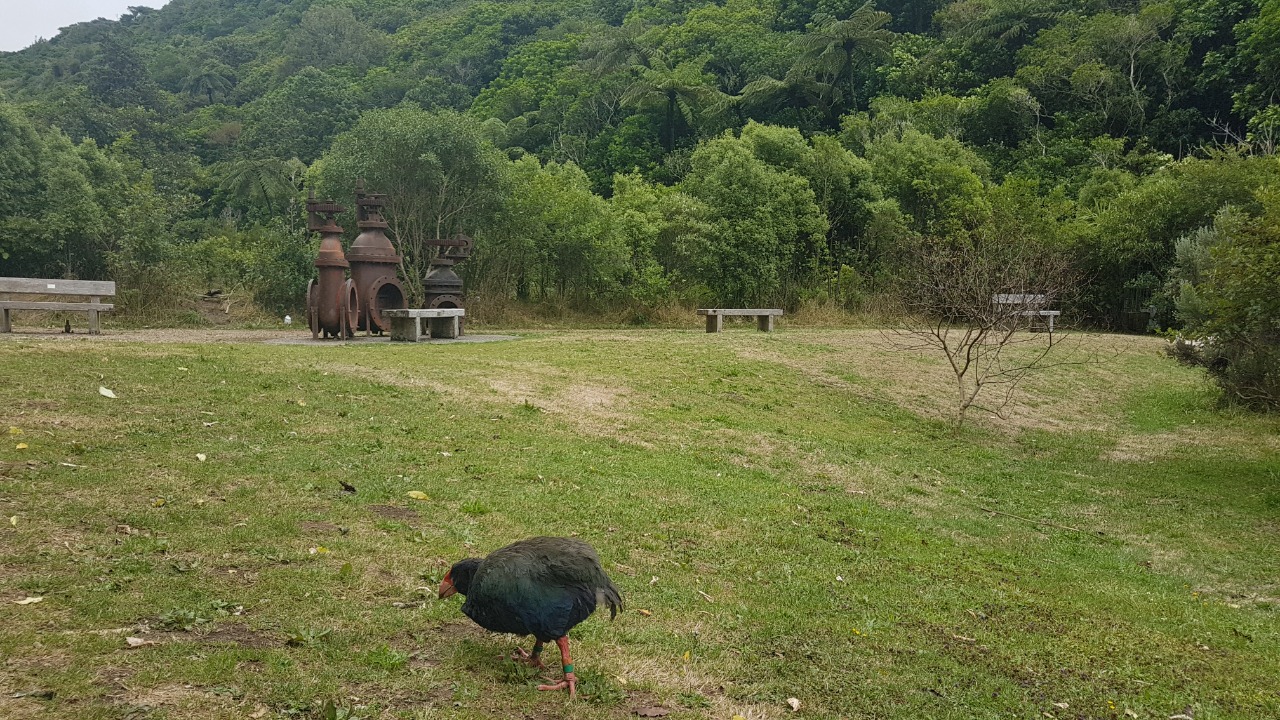
Despite its largely submerged state, Zealandia is home to a rich biodiversity. The continent’s unique flora and fauna have evolved in isolation, leading to the development of species that are distinct from those found on other continents. Zealandia’s biodiversity is an exciting area of study for biologists and conservationists alike.
Understanding the unique biodiversity of Zealandia could have significant implications for conservation efforts. As a relatively undisturbed habitat, Zealandia offers a unique opportunity to study species in their natural environment and develop effective conservation strategies. The discovery of Zealandia is not just a geologic revelation but also a critical event for the world of biodiversity conservation.
Impact on Global Geological Models
The discovery of Zealandia has profound implications for global geological models. It challenges the traditional concept of continents and presents a more dynamic model of Earth’s geology. Zealandia, largely underwater yet classified as a continent, forces us to rethink our definitions and models.
The recognition of Zealandia as a continent also impacts our understanding of Earth’s geological history. It provides a fresh perspective on continental drift, tectonic activity, and the formation of continents. This discovery paves the way for future research in these areas, potentially leading to more groundbreaking discoveries.
Zealandia in Context: A Comparison with Other Continents
When compared to the other continents, Zealandia offers a unique case. Despite being smaller and largely underwater, it shares many geological features with the recognized continents. Its crust characteristics, mineral resources, and unique biodiversity set it apart and validate its classification as a continent.
The discovery of Zealandia has redefined our understanding of what constitutes a continent. It pushes us to look beyond size and location and consider geological features and history. With the vast majority of Earth’s ocean floors unexplored, it’s tantalizing to think of the potential for future discoveries of ‘hidden’ continents. Zealandia is a reminder that our planet still has secrets to reveal and that our understanding of it is a continually evolving process.
