In a groundbreaking development, scientists have successfully created a unique form of “living” cement, capable of generating energy. This innovative material, infused with bacteria, has the potential to transform into energy-storing supercapacitors, revolutionizing the way we perceive and utilize cement.
Creation of Living Cement
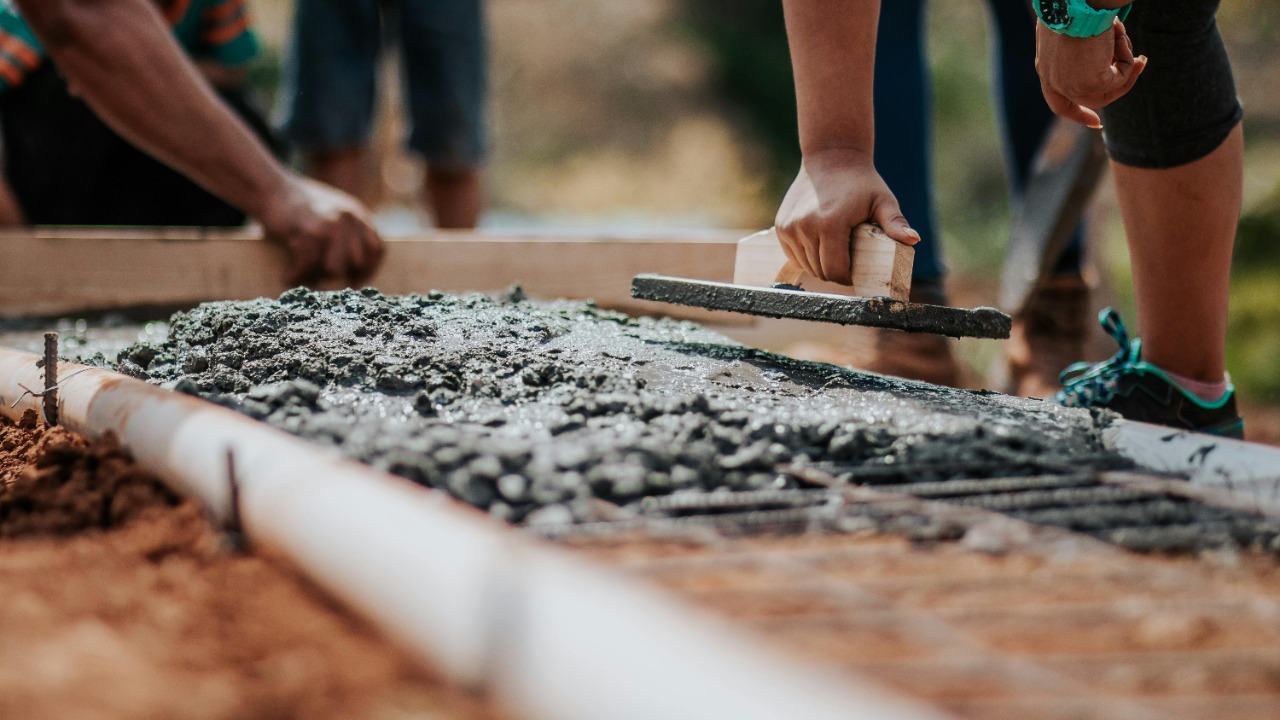
Scientists have embarked on a novel journey to create a living energy device by infusing cement with bacteria. This process, as reported by Gizmodo, has led to the creation of a unique form of cement that is not only alive but also capable of generating energy. This development marks a significant milestone in the field of material science and energy storage.
Furthering this innovation, the bacteria-infused cement has been transformed into energy-storing supercapacitors, as reported by TechXplore. This is the world’s first creation of ‘living’ cement that can generate energy, a feat that has been hailed as a significant breakthrough in the field of sustainable energy storage, according to AS.
The creation of this living cement is a result of meticulous research and experimentation. The process involves the careful selection of bacteria, which are then infused into the cement during its production. According to Gizmodo, the bacteria are chosen for their resilience and ability to survive in harsh conditions, making them ideal for this innovative application. The bacteria, once infused, remain alive within the cement, giving it its unique energy-generating properties.
As per TechXplore and AS, the transformation of the bacteria-infused cement into energy-storing supercapacitors is a testament to the versatility of this material. The process involves the use of advanced material science techniques to modify the cement’s structure, enabling it to store and release energy. This has opened up new possibilities for the use of cement, traditionally seen as a passive material, in energy storage and generation.
Energy Storage and Release
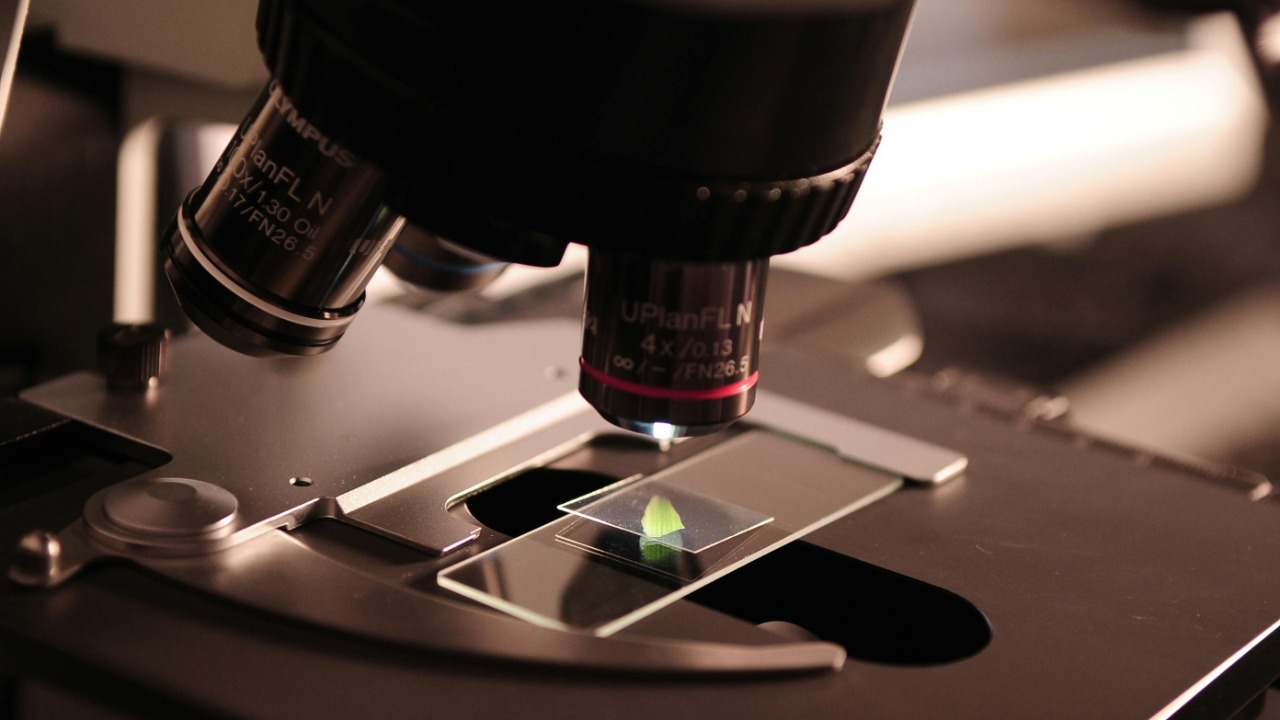
The ‘living’ cement is not only capable of generating energy but also storing and releasing it. This unique capability is facilitated by the infused bacteria, which act as a biological catalyst, enabling the cement to function as a supercapacitor. This information, as reported by the Institution of Mechanical Engineers, highlights the potential of this material in revolutionizing energy storage and release mechanisms.
The ability of this living cement to store and release electricity could have far-reaching implications for the construction industry and beyond. Buildings made from this material could potentially store solar energy during the day and release it at night, reducing reliance on traditional energy sources and contributing to a more sustainable future.
The energy storage and release capabilities of the living cement are a result of the unique properties of the infused bacteria. According to the Institution of Mechanical Engineers, the bacteria function as biological catalysts, facilitating the conversion of energy into a form that can be stored within the cement. The energy can then be released when needed, providing a sustainable and efficient energy storage solution.
Furthermore, the potential applications of this living cement extend beyond the construction industry. The ability to store and release energy could be utilized in various sectors, including transportation and power generation. For instance, roads and bridges made from this material could potentially store energy from vehicles and solar radiation, which could then be harnessed for various purposes. This represents a significant step towards the development of smart, energy-efficient infrastructure.
Environmental Impact
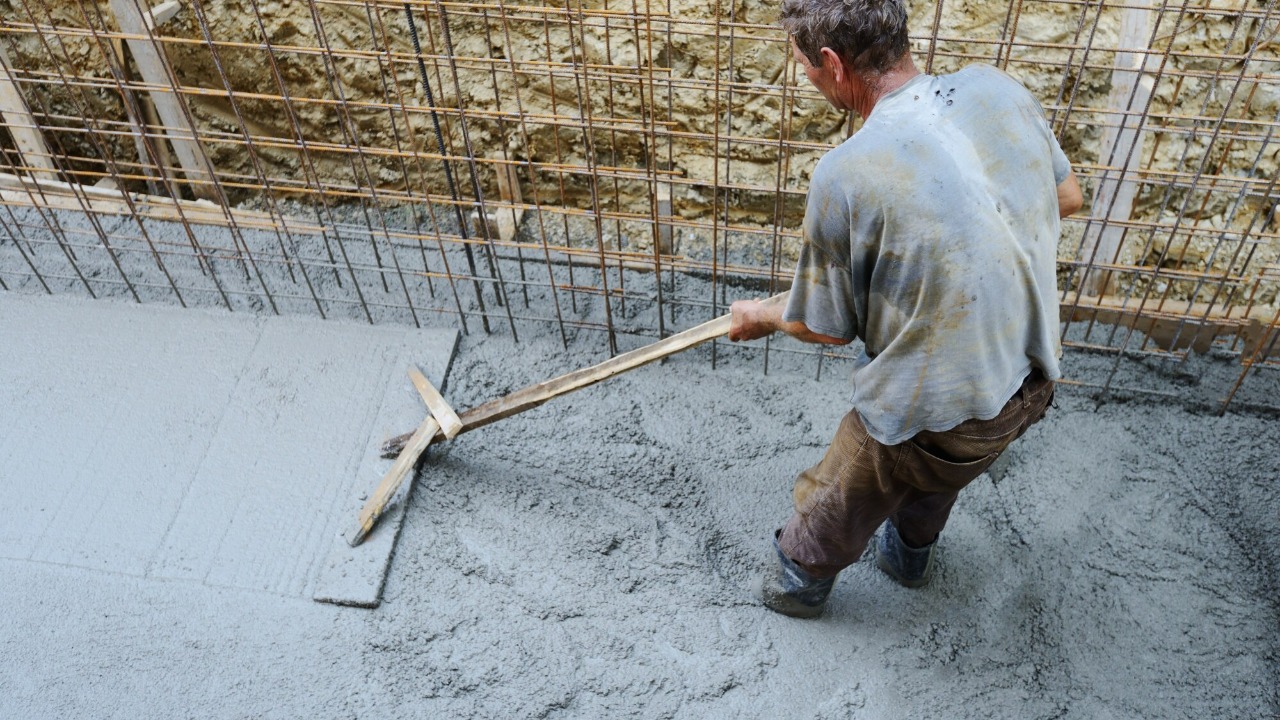
Aside from its energy-generating capabilities, the living cement also presents a potential solution for reducing greenhouse gas emissions. The material is capable of capturing CO₂ from the air, as reported by ScienceDaily. This ability to absorb carbon dioxide could significantly contribute to efforts aimed at mitigating the impacts of climate change.
The development of this cement represents a significant stride towards sustainable construction practices. By creating a material that not only generates and stores energy but also captures CO₂ from the atmosphere, scientists are paving the way for a future where buildings are not just passive structures, but active participants in energy generation and environmental conservation.
The environmental benefits of the living cement are manifold. One of the most significant is its ability to capture CO₂ from the air. According to ScienceDaily, the bacteria-infused cement is capable of absorbing carbon dioxide, a major greenhouse gas, from the atmosphere. This process, known as carbon sequestration, could play a crucial role in efforts to combat climate change, as it helps to reduce the concentration of greenhouse gases in the atmosphere.
Moreover, the development of this cement represents a shift towards more sustainable construction practices. The use of living cement could significantly reduce the environmental footprint of buildings, as it not only generates and stores energy, but also contributes to carbon capture. This innovative material could therefore play a key role in the transition towards a more sustainable and energy-efficient built environment.
