In a significant breakthrough in the field of sustainable technology, scientists have developed the world’s first ‘living’ cement that has the capacity to generate energy. This innovation has the potential to revolutionize both the construction industry and the energy sector.
The Creation of Living Cement
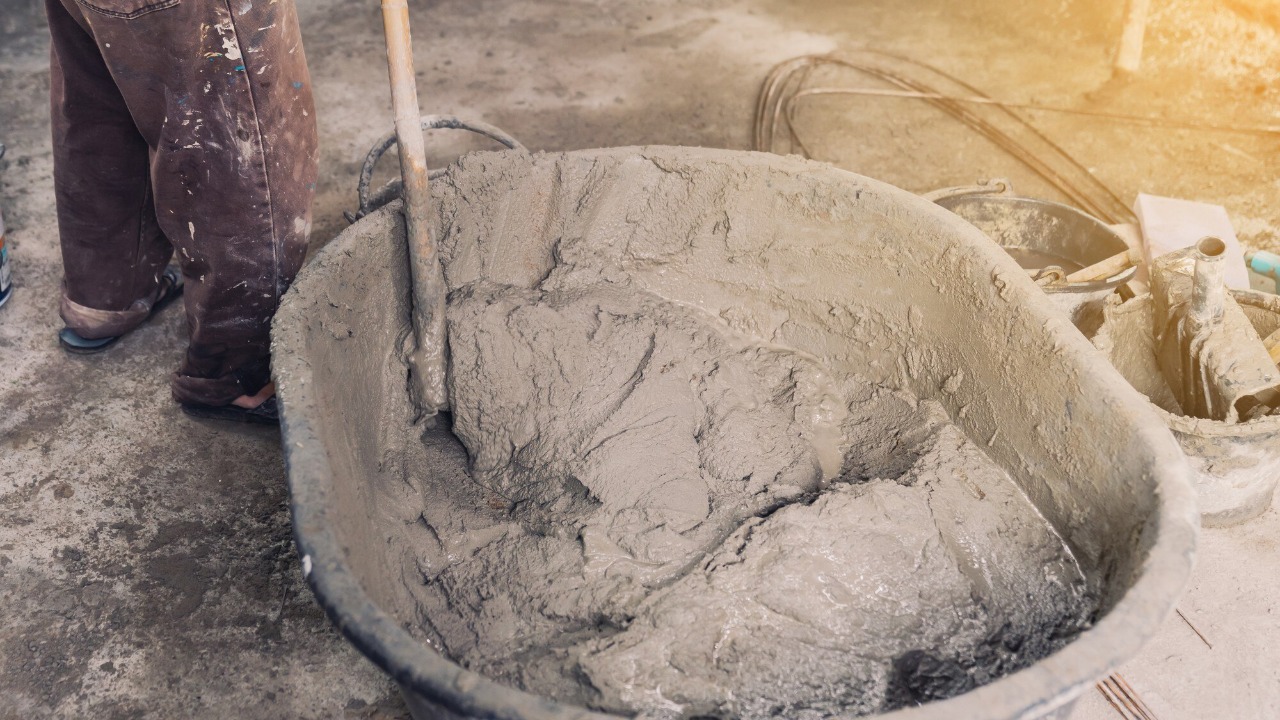
The process of creating this living energy device involves infusing cement with bacteria. This unique blend of biology and technology results in a material that not only forms the basis of our buildings and infrastructure but also has the potential to generate energy. This development could have far-reaching implications for the construction industry, offering a sustainable alternative to traditional building materials.
Moreover, the energy-generating capacity of this living cement could transform the energy sector. Buildings made from this material could potentially generate their own power, reducing reliance on traditional energy sources and contributing to a more sustainable future. This innovative approach to energy generation and consumption could be particularly impactful in urban environments, where energy demand is high and space for traditional energy infrastructure is limited.
The Impact of Living Cement on Sustainable Technology

The development of living cement is a significant contribution to ongoing efforts in sustainable technology. By integrating energy generation into the very fabric of our buildings, this innovation could help to reduce carbon emissions and combat climate change. The potential of this technology to transform our urban environments is immense, offering a new approach to energy generation and consumption that is both sustainable and efficient.
Furthermore, the use of living cement could have significant implications for the design and construction of future cities. Buildings could become self-sustaining, generating their own energy and reducing the need for external power sources. This could lead to a reduction in energy costs and a more sustainable urban environment.
The Intersection of Biology and Technology

The creation of living cement is not the only instance where biology has been integrated with technology to address environmental issues. Another example is the use of black fungus to convert plastic waste into edible ingredients. This innovative approach to waste management not only helps to reduce plastic pollution but also provides a potential source of food, demonstrating the potential of biotechnology to address some of our most pressing environmental challenges.
These bio-tech innovations represent a new frontier in sustainable technology, offering innovative solutions to environmental problems. By harnessing the power of biology, scientists are developing new ways to generate energy, manage waste, and create sustainable materials. As we continue to face the challenges of climate change and environmental degradation, these innovations offer hope for a more sustainable future.
As we move forward, the intersection of biology and technology will likely continue to yield exciting and innovative solutions to our environmental challenges. The creation of living cement is just one example of how this field is evolving, and it will be exciting to see what other innovations are on the horizon.
