In a significant development for the world of space science, researchers have achieved a milestone by successfully testing an artificial gravity chamber. This advancement has the potential to bring about a radical transformation in human space travel by minimizing the health risks associated with prolonged exposure to microgravity.
Understanding Artificial Gravity
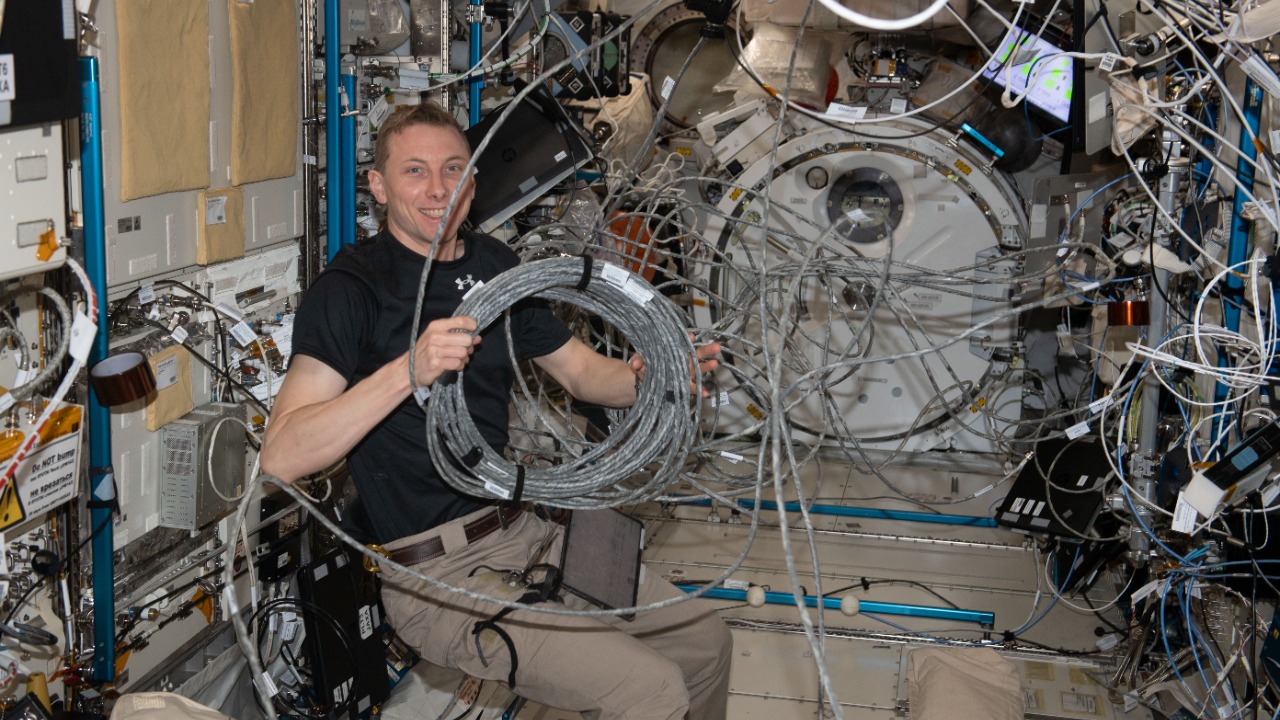
Artificial gravity refers to the creation of an inertial force that mimics the effects of a gravitational pull. In the context of space travel, this would mean providing astronauts with a similar experience to that of the Earth’s gravity, even while in microgravity conditions. This concept has been a part of science fiction for decades, but it is only now that it is becoming a scientific reality.
The journey towards understanding and developing artificial gravity has been a long and complex one. The idea has been explored in theoretical discussions and research papers for many years. However, it is only in the recent decade that significant strides have been made in this field, thanks to the advances in technology and an enhanced understanding of physics and biomechanics.
The Science Behind the Artificial Gravity Chamber
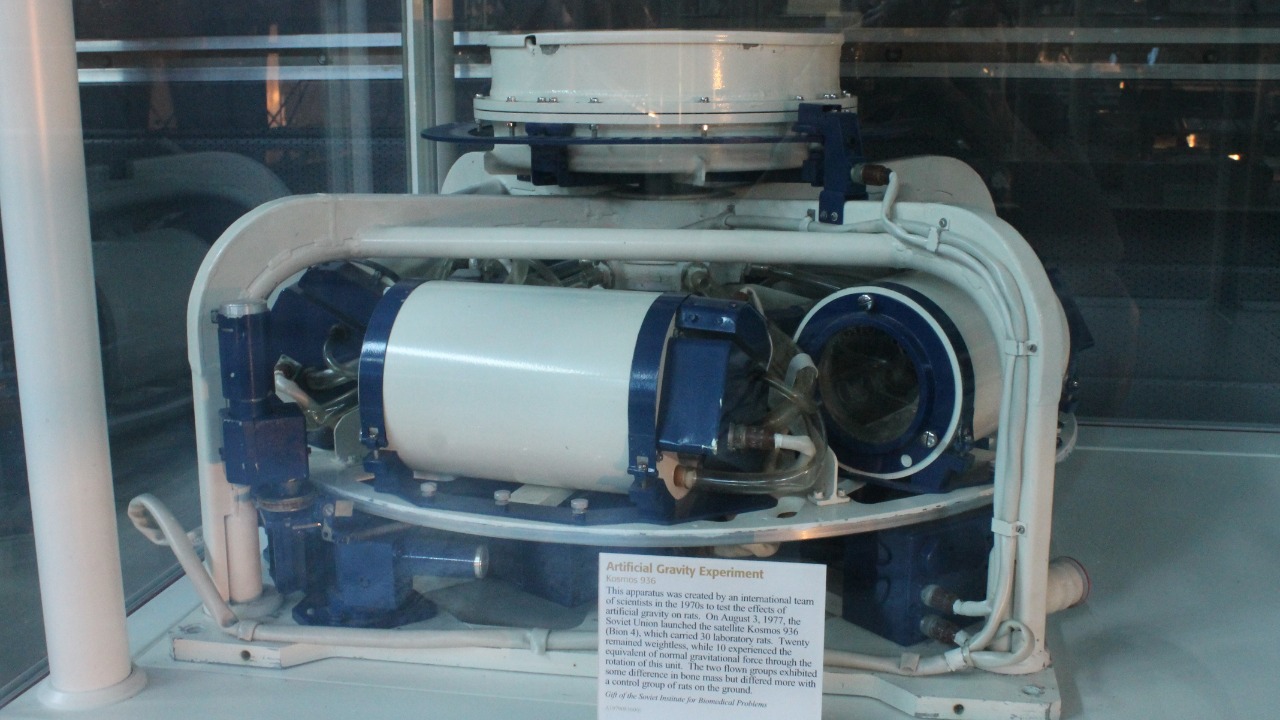
The artificial gravity chamber is an innovative piece of technology that uses the principles of physics to create a simulated gravitational pull. The system works based on the principle of centrifugal force, where a rotating motion can create an outward force that can be used to mimic gravity. The chamber is designed to spin at a specific speed, which then produces a force that can be perceived as gravity by those inside it.
The creation of this chamber involved the integration of various scientific principles and advanced technologies. It required a deep understanding of both the physiological effects of gravity on the human body and the physical principles behind creating a simulated gravitational field. The complex engineering involved in this project signifies a significant achievement in the field of space science.
Testing Process and Results
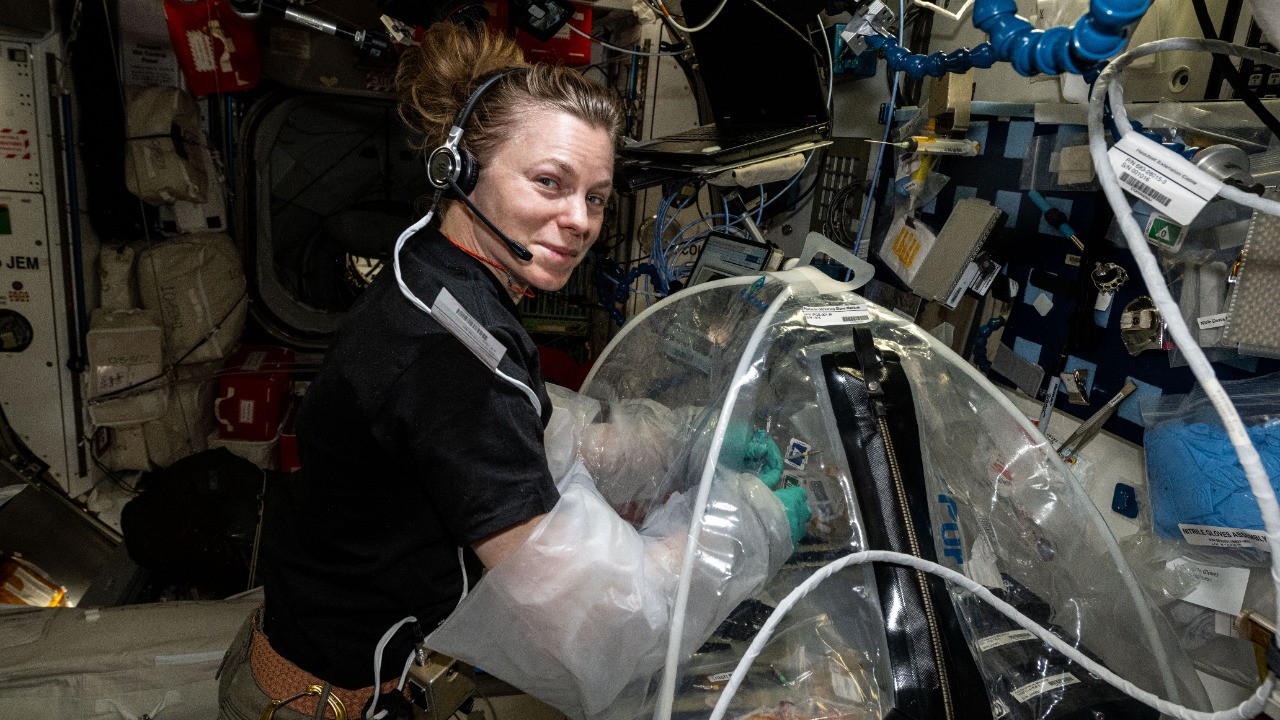
The testing procedures for the artificial gravity chamber were designed to be rigorous and comprehensive. The researchers used a variety of methods to measure the effectiveness of the simulated gravity, including biometric data collection and subjective experiences reported by the test subjects. These tests were conducted under controlled conditions to ensure the accuracy of the results.
The results of the tests were promising, indicating that the artificial gravity chamber was successful in creating a simulated gravitational environment. There were, however, some challenges encountered during the test, particularly relating to the fine-tuning of the chamber’s rotation speed to avoid any adverse effects on the test subjects. Despite these challenges, the overall outcome of the test was a success, marking a significant milestone in the development of artificial gravity technology.
Implications for Space Travel

The successful testing of the artificial gravity chamber has profound implications for long-term space missions. One of the biggest challenges astronauts face during prolonged periods in space is the detrimental effect of microgravity on the human body. This includes loss of muscle mass, bone density, and cardiovascular issues. With the introduction of artificial gravity, these health risks could be significantly mitigated, thereby paving the way for longer and safer space missions.
Moreover, artificial gravity could also improve the quality of life for astronauts on long-term missions. By providing a simulation of Earth-like gravity, it could help astronauts maintain a sense of normalcy and reduce the psychological stress associated with living in a microgravity environment.
Future Directions and Research
While the successful testing of the artificial gravity chamber is a significant achievement, there is still much to be done in this field. Future research will likely focus on improving and refining the technology, as well as studying the long-term effects of artificial gravity on the human body. This could involve more extensive testing and possibly even trials on actual space missions.
International space agencies and private companies will undoubtedly play a crucial role in this research. For instance, NASA has already been exploring the concept of artificial gravity, as evidenced by their podcast on the subject. Similarly, discussions on artificial gravity are also taking place in online communities, such as this Facebook group. These collaborative efforts will be key to driving further progress in this exciting field of research.
