In a remarkable turn of events, scientists have stumbled upon non-human DNA from ancient fossils, shaking the very foundations of our understanding of human evolution and our ancestral lineage.
The Discovery: Unearthing the Non-Human DNA
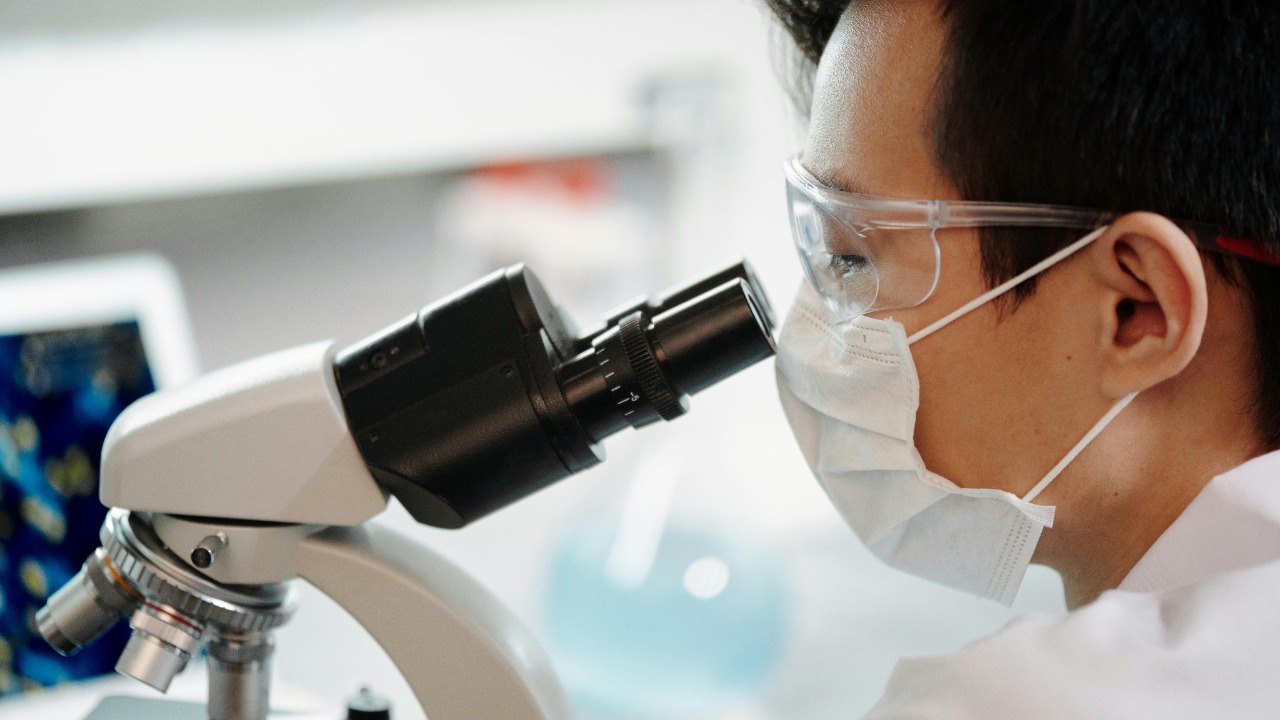
Scientists have recently unearthed non-human DNA from ancient fossils found in Colombia and Libyan mummies. This discovery, which was made possible through meticulous extraction and testing processes, has left the scientific community in awe. The DNA was extracted from the fossils using advanced techniques and then subjected to rigorous testing to confirm its non-human origin.
The initial reactions from the scientific community have been a mix of surprise and excitement. This discovery has opened up a new realm of possibilities in the study of human evolution, and scientists are eager to delve deeper into this uncharted territory. The findings have been reported in various scientific publications, including CNN and Sustainability Times.
The Implications: Shattering Established Evolutionary Theories

The discovery of non-human DNA in these ancient fossils challenges the current theories about human evolution. It suggests that our lineage may be more complex than previously thought, potentially involving interbreeding with non-human species. This could significantly impact our understanding of human lineage and potentially rewrite our entire evolution story.
Previous theories of human evolution, based on the assumption that human DNA is unique, may need to be reevaluated in light of this discovery. The existence of non-human DNA in our ancestors suggests that our evolutionary history may have been more intertwined with other species than we previously believed. This discovery has the potential to revolutionize our understanding of human evolution, as reported by Science Daily.
Human-Neanderthal Hybrid Fossils
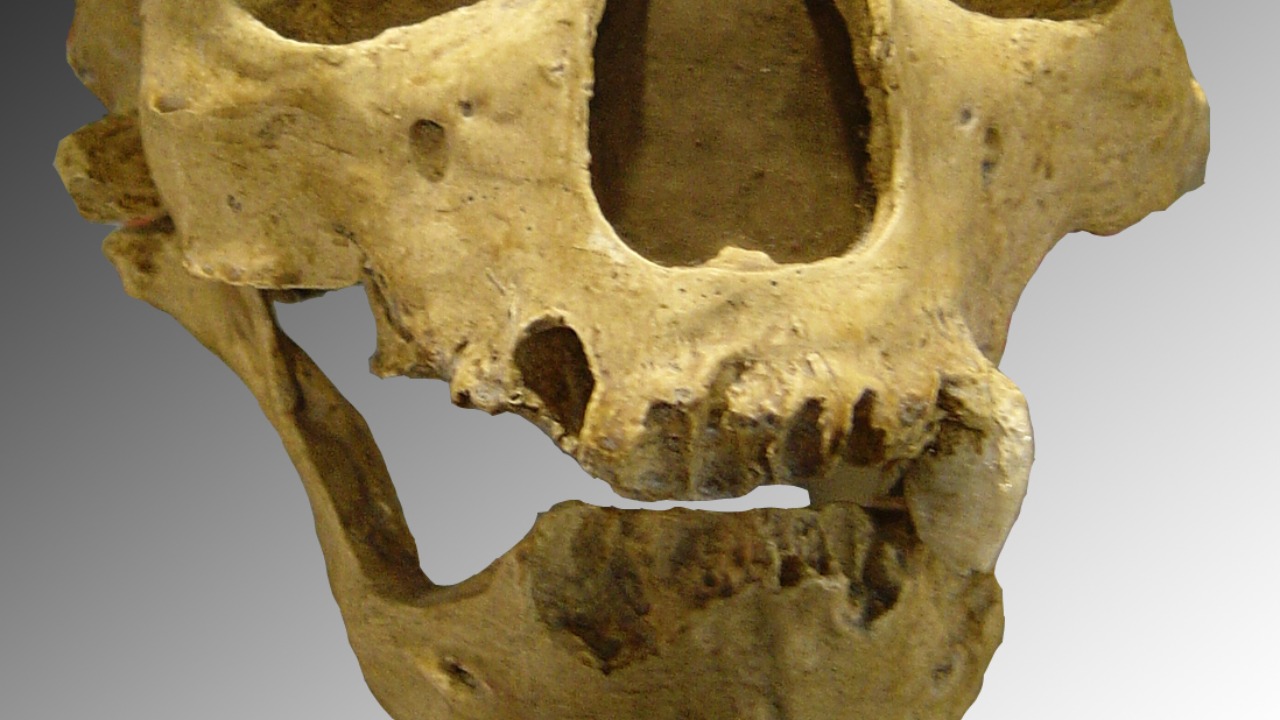
The discovery of hybrid human-Neanderthal fossils has previously shocked scientists. These fossils, which show evidence of interbreeding between humans and Neanderthals, suggest that our ancestors may have had more diverse genetic backgrounds than previously thought. The discovery of non-human DNA in ancient fossils could be connected to these hybrid fossils, suggesting a more complex evolutionary history.
The implications of hybridization in our evolutionary past are profound. It suggests that our ancestors may have interbred with other species, leading to a more diverse gene pool. This could have significant implications for our understanding of human evolution, as reported by BBC.
Next Steps in Research

Following this groundbreaking discovery, scientists are planning further research into these ancient genomes. The potential for new discoveries about our ancient ancestors is immense. Advanced technology will play a crucial role in facilitating further DNA analysis, allowing scientists to delve deeper into the mysteries of our evolutionary past.
Scientists are particularly interested in exploring the potential connections between the newly discovered non-human DNA and the previously discovered hybrid human-Neanderthal fossils. This could shed new light on our understanding of human evolution and our ancestral lineage.
Impacts on Society and Culture

This discovery could have far-reaching impacts on societal and cultural understanding of human ancestry. It challenges the traditional narrative of human evolution, suggesting a more complex and intertwined lineage. This could influence the study of history and anthropology, prompting a reevaluation of our understanding of our ancestors.
Furthermore, this discovery could spark ethical debates about the implications of interbreeding with non-human species in our evolutionary past. As we continue to explore the complexities of our ancestral lineage, we must also grapple with the ethical considerations that these discoveries may bring.
