The concept of warp drives, long a staple of science fiction, is edging closer to reality according to recent scientific advancements. Researchers are optimistic that real warp drives could feasibly exist within the next 100 years, transforming our understanding of space travel and opening new possibilities for interstellar exploration.
The Science Behind Warp Drives

At the heart of the warp drive concept are the principles of Einstein’s theory of general relativity, which describes how mass and energy can warp space-time. This warping could theoretically allow for faster-than-light travel by contracting space in front of a spacecraft and expanding it behind. Such a drive would not move the spacecraft itself faster than light within its local space, rather it would change the space around it, thus potentially avoiding the relativistic constraints that prevent objects from exceeding the speed of light.
Recent advances in physics have reignited interest in warp drive technology. Notably, physicist Miguel Alcubierre’s 1994 theoretical model suggested a mechanism by which space-time could be manipulated for faster-than-light travel. This model, although initially requiring exotic materials with negative energy, has spurred new research into feasible methods of achieving a warp bubble. Breakthroughs in our understanding of quantum field theory and energy manipulation are paving the way for more practical approaches.
However, significant challenges remain. The energy requirements to create a warp bubble are astronomical, initially estimated to be equivalent to the mass-energy of Jupiter. This presents a technological hurdle that current energy generation methods cannot surmount. Additionally, the need for exotic materials that possess negative energy density, possibly derived from Casimir vacuum states, remains a formidable barrier. Researchers are exploring ways to reduce these energy demands and identify viable materials, but these challenges highlight the immense undertaking that warp drive development represents.
Current Research and Developments
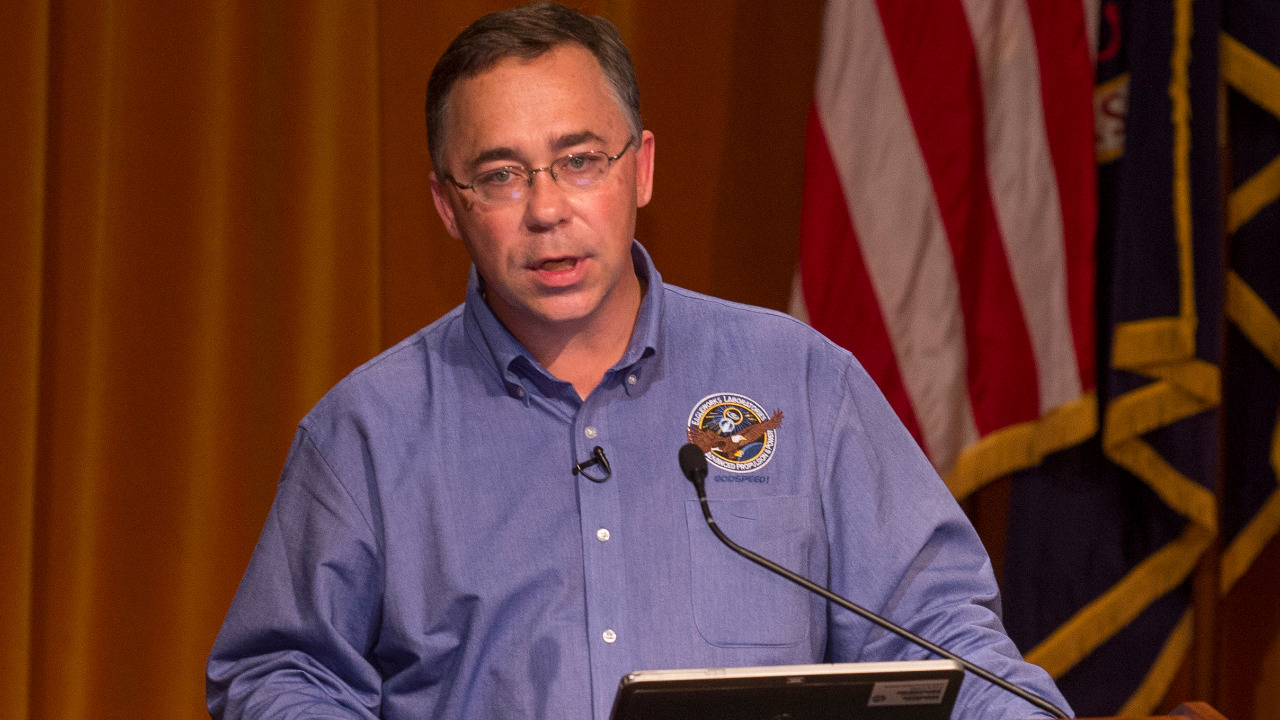
Several prominent researchers and projects are actively pursuing the development of warp drive technology. Physicist Harold “Sonny” White, formerly of NASA’s Eagleworks Laboratories, has been at the forefront of this research, proposing a modified Alcubierre drive that could reduce energy requirements to more achievable levels. His work has been documented in various academic papers, where refinements to the theoretical models are explored.
The role of both government and private sectors in this research is crucial. NASA continues to investigate the potential of warp drives through theoretical studies and experimental designs, while private companies like SpaceX and Blue Origin are focusing on propulsion technologies that could be precursors to warp-capable systems. These efforts are complemented by international initiatives, with agencies such as the European Space Agency and China’s CNSA expressing interest in the long-term prospects of faster-than-light travel.
Recent experimental milestones have furthered our understanding. Theoretical models, such as the one proposed by physicist Erik Lentz, suggest that energy requirements could be drastically reduced by using solitons, or stable wave packets, to form warp bubbles. Such models are bringing us incrementally closer to the practical realization of warp drive technology. Additionally, advancements in our understanding of negative energy states and their potential applications are being actively pursued, marking significant steps forward in this ambitious scientific quest.
Potential Impacts on Space Exploration
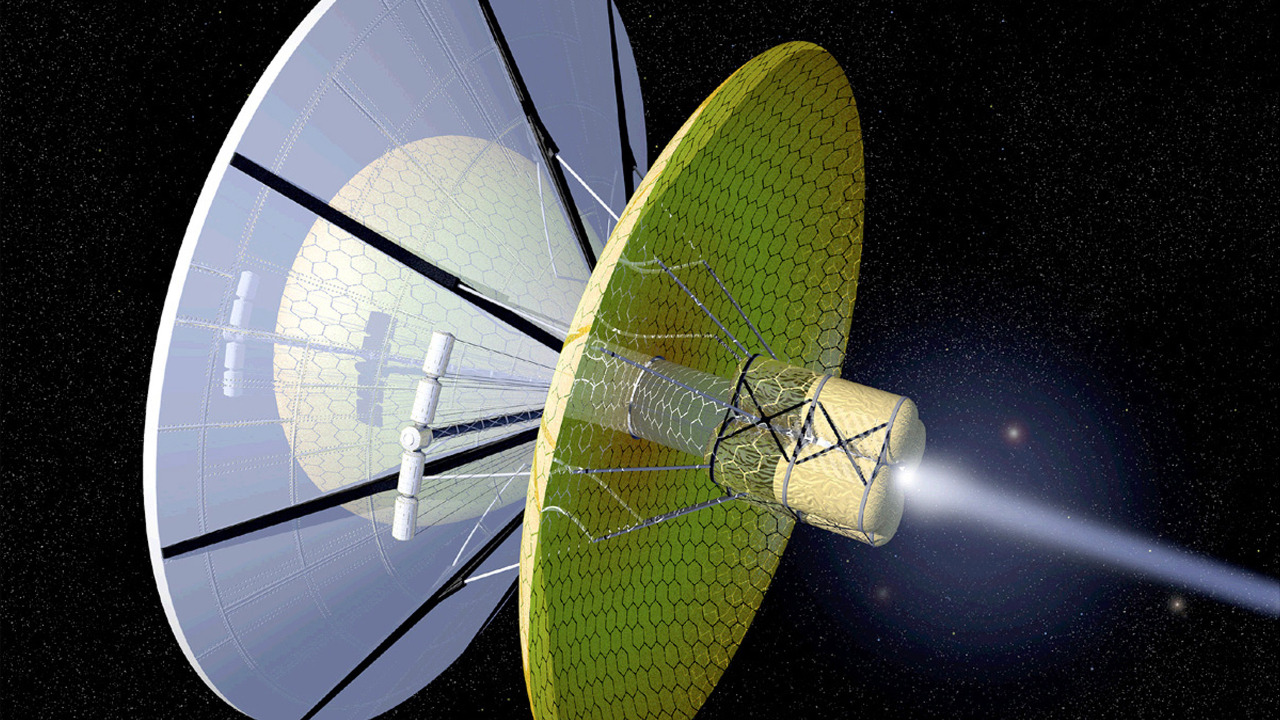
The realization of warp drive technology would revolutionize interstellar travel, fundamentally altering the scope of human exploration. With the ability to traverse vast cosmic distances within reasonable timeframes, missions to distant stars and galaxies would become feasible. This would not only expand our understanding of the universe but also offer potential solutions to existential threats by enabling the colonization of other planets.
The implications for humanity are profound. Warp drives could facilitate the establishment of human settlements on distant worlds, ensuring the survival and expansion of our species beyond Earth. Such advancements might also catalyze the discovery of extraterrestrial life forms, as suggested by studies like the one which posits that aliens could detect Earth from vast distances. The societal and cultural impacts of these developments would be far-reaching, prompting a reevaluation of our place in the cosmos.
However, the advent of faster-than-light travel raises significant ethical and philosophical questions. The potential to manipulate space-time challenges our understanding of causality and the fabric of reality itself. Moreover, the prospect of encountering other intelligent species necessitates a thoughtful consideration of our approach to interstellar diplomacy and ethics. These issues underscore the importance of balancing scientific ambition with ethical responsibility as we venture into this new frontier.
Skepticism and Controversies
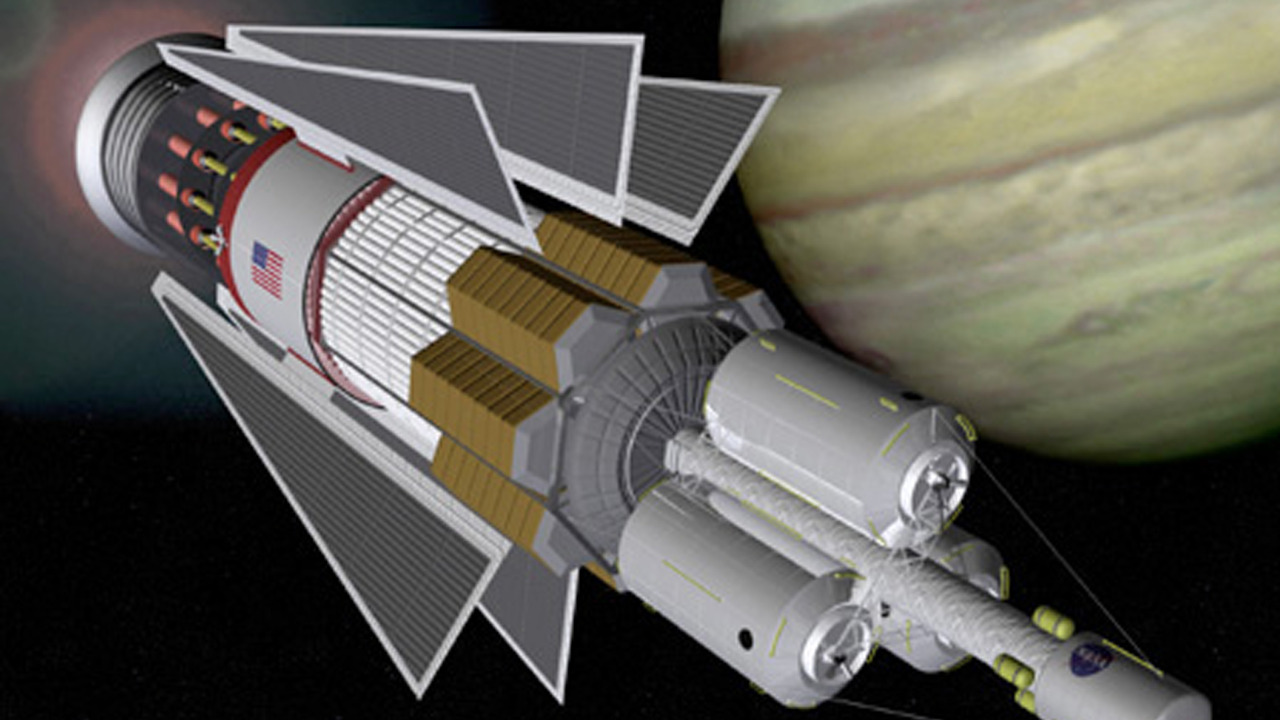
Despite the excitement surrounding warp drive research, skepticism remains prevalent within the scientific community. Critics argue that the concept is an extrapolation of theoretical physics that may not be practically achievable. The criticisms often focus on the immense energy requirements and the lack of empirical evidence supporting the existence of necessary exotic materials. Renowned physicists have expressed caution, urging a pragmatic approach that acknowledges the speculative nature of current models.
Misconceptions and myths about warp drives, often fueled by their portrayal in popular media, can obscure public understanding. Science fiction frequently depicts warp drives as instantaneous methods of travel, glossing over the complex scientific principles involved. It’s crucial to distinguish these fictional interpretations from the nuanced reality of ongoing research, as discussed in articles like those found in New Scientist.
Maintaining a balance between optimism and realism is essential as we explore the possibilities of warp drive technology. While the potential benefits are vast, it is important to remain grounded in the scientific challenges that lie ahead. Continuing research, coupled with cautious optimism, will ensure that we move towards these ambitious goals with a clear understanding of both their potential and their limitations. As highlighted in Popular Mechanics, the journey to develop warp drives is as much about expanding our scientific boundaries as it is about achieving the dreams of interstellar travel.
