Scientists in Alaska have successfully reawakened microbes that were frozen for 40,000 years, reviving ancient life forms preserved in permafrost. This remarkable achievement underscores the extraordinary durability of microbial organisms over millennia. The breakthrough highlights the potential for extracting viable biological material from extreme cold environments, with the microbes showing signs of metabolic activity upon thawing (Daily Galaxy).
Discovery of the Ancient Microbes
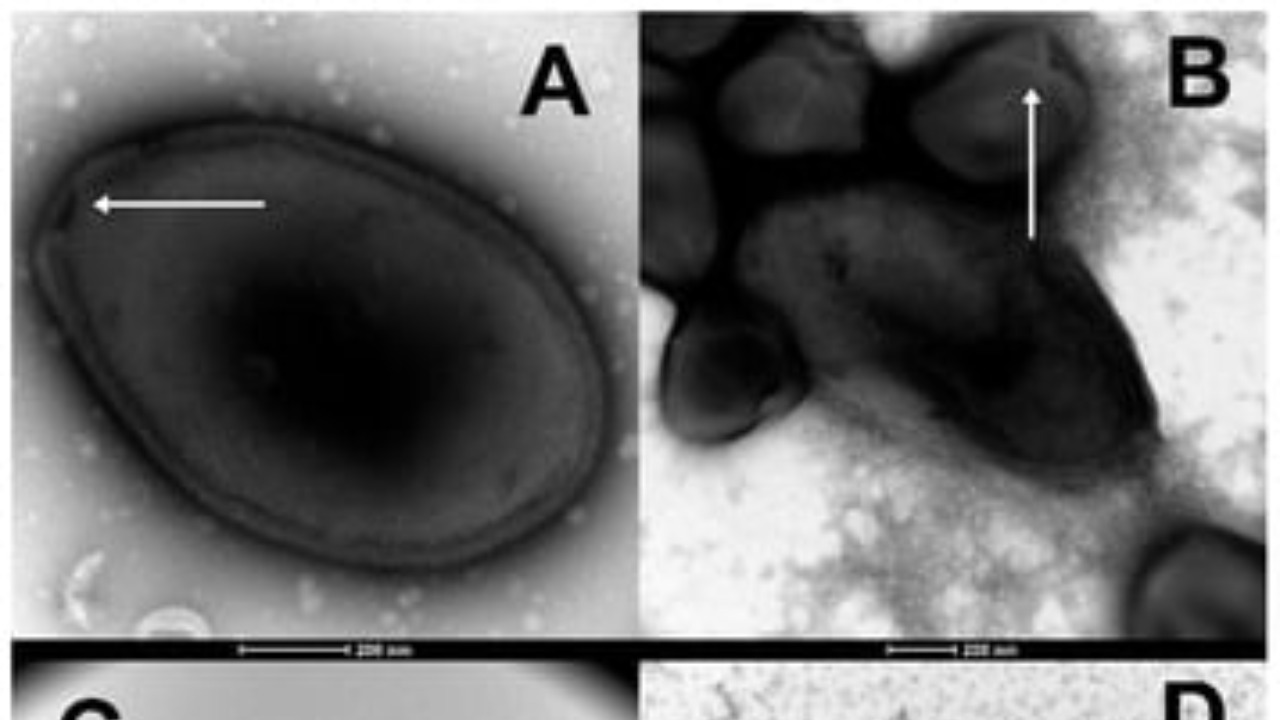
The identification of these ancient microbes was made possible through the extraction of ice cores from Alaskan permafrost. The geological context of their preservation is crucial, as it provides insights into the conditions that allowed these organisms to remain dormant yet viable for tens of thousands of years. The samples were obtained from a specific location in Alaska, where the permafrost has remained undisturbed for millennia (SSB Crack).
During the extraction process, scientists took great care to avoid contamination, ensuring that the microbes were indeed ancient and not influenced by modern organisms. Initial assessments confirmed the age of the microbes, with no modern contamination detected. This meticulous approach was essential to validate the authenticity of the findings and to ensure that the microbes were truly remnants of a bygone era (SSB Crack).
The Revival Experiment
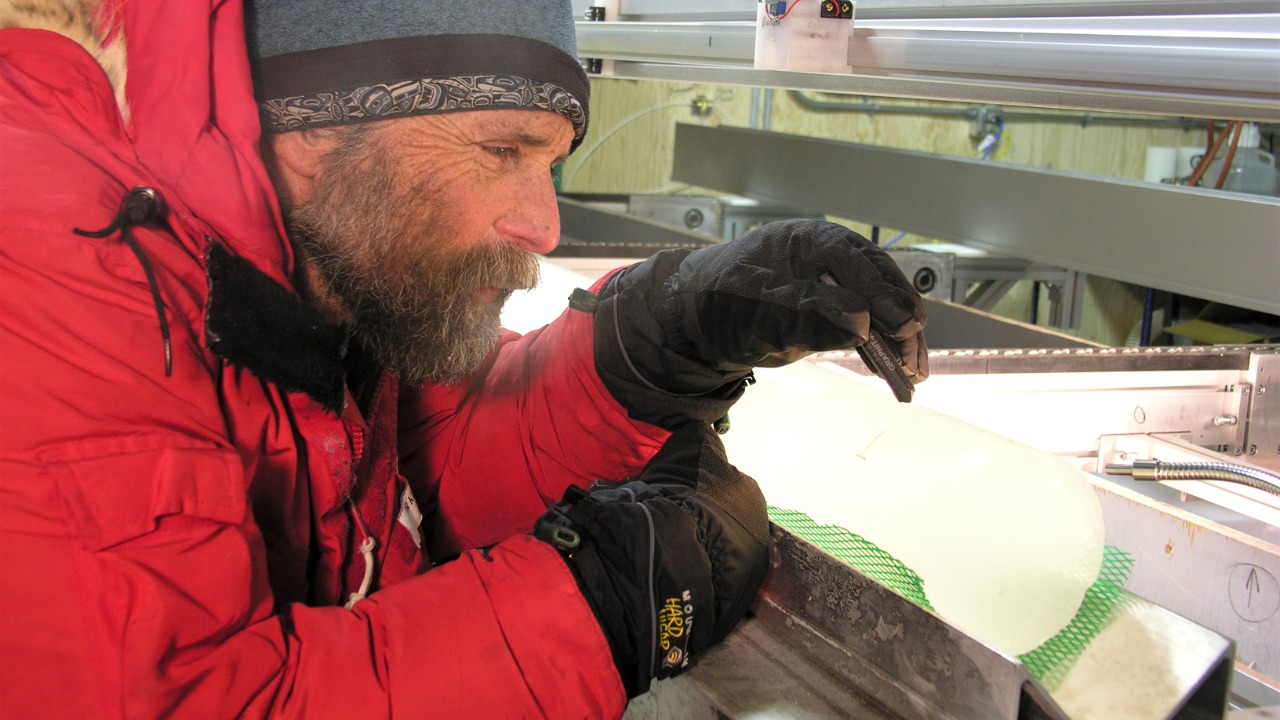
In the laboratory, scientists employed a series of sophisticated techniques to reawaken the microbes. This process involved controlled thawing and the introduction of nutrients to stimulate metabolic activity. The careful management of environmental conditions was crucial to mimic the natural thawing process, allowing the microbes to resume their biological functions (Daily Galaxy).
Upon revival, the microbes exhibited signs of metabolic functions, such as cell division and enzyme activity. These observations were significant, as they demonstrated the ability of ancient life forms to resume activity after being dormant for thousands of years. The scientific team in Alaska closely monitored the revival process over the initial weeks, documenting the gradual reactivation of these ancient organisms (SSB Crack).
The revival of these ancient microbes not only required precise scientific techniques but also an understanding of the unique biochemical pathways that allow such organisms to survive in a dormant state for extended periods. Scientists hypothesize that these microbes possess specialized proteins and enzymes that protect their cellular structures from damage during freezing and thawing cycles. By studying these mechanisms, researchers hope to uncover new insights into cryopreservation, which could have applications in preserving biological tissues and organs for medical use (Daily Galaxy).
Furthermore, the revival experiment serves as a model for understanding how life might adapt to and survive in extraterrestrial environments. The ability of these microbes to withstand extreme conditions on Earth suggests that similar life forms could potentially exist on other planets or moons with harsh climates. This aspect of the research is particularly exciting for astrobiologists, who are keen to explore the possibility of life beyond Earth. The methodologies developed during this experiment could guide future missions aimed at detecting life in the solar system (SSB Crack).
Implications for Microbiology
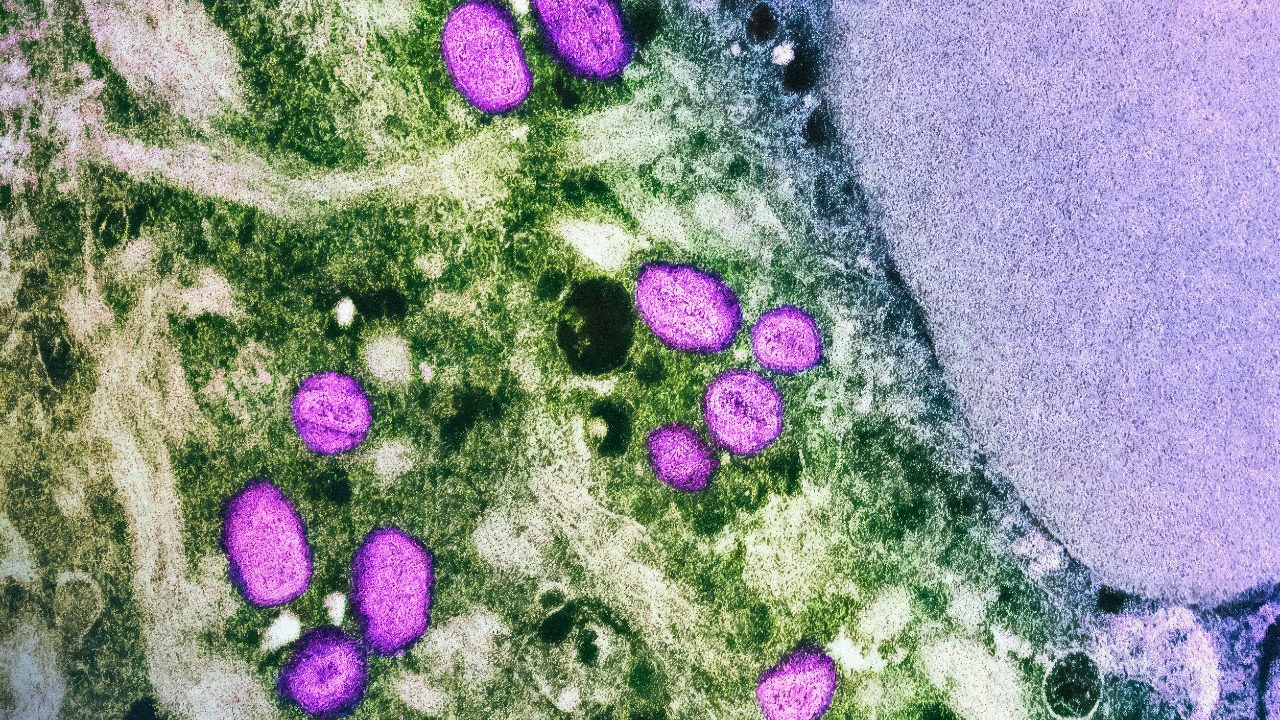
The successful reawakening of microbes frozen for 40,000 years offers valuable insights into the survival strategies of extremophiles in permafrost environments. This discovery enhances our understanding of how life can endure in extreme conditions, potentially informing future research on life in similar environments elsewhere in the solar system, such as Mars or the icy moons of Jupiter and Saturn (Daily Galaxy).
Moreover, the findings from the Alaskan scientists could have significant applications in biotechnology. The ability to revive ancient microbes opens up possibilities for harnessing unique enzymes and biochemical processes that have evolved over millennia. These could be utilized in various industries, from pharmaceuticals to environmental remediation (SSB Crack).
The revival of these ancient microbes also prompts a reevaluation of the limits of life on Earth. By pushing the boundaries of what is considered viable, scientists are gaining a deeper appreciation for the resilience of life. This discovery challenges existing paradigms in microbiology, particularly concerning the longevity and adaptability of microbial life. It raises questions about the evolutionary processes that have enabled such organisms to survive in stasis for tens of thousands of years, potentially leading to new theories about microbial evolution and survival strategies (Daily Galaxy).
Additionally, the study of these ancient microbes could lead to breakthroughs in understanding the genetic and metabolic pathways that confer resistance to extreme conditions. By analyzing the genomes of these organisms, researchers may identify novel genes and proteins that could be harnessed for biotechnological applications. This could include the development of new antibiotics or enzymes capable of degrading pollutants, offering innovative solutions to some of the world’s pressing environmental and health challenges (SSB Crack).
Broader Scientific Context
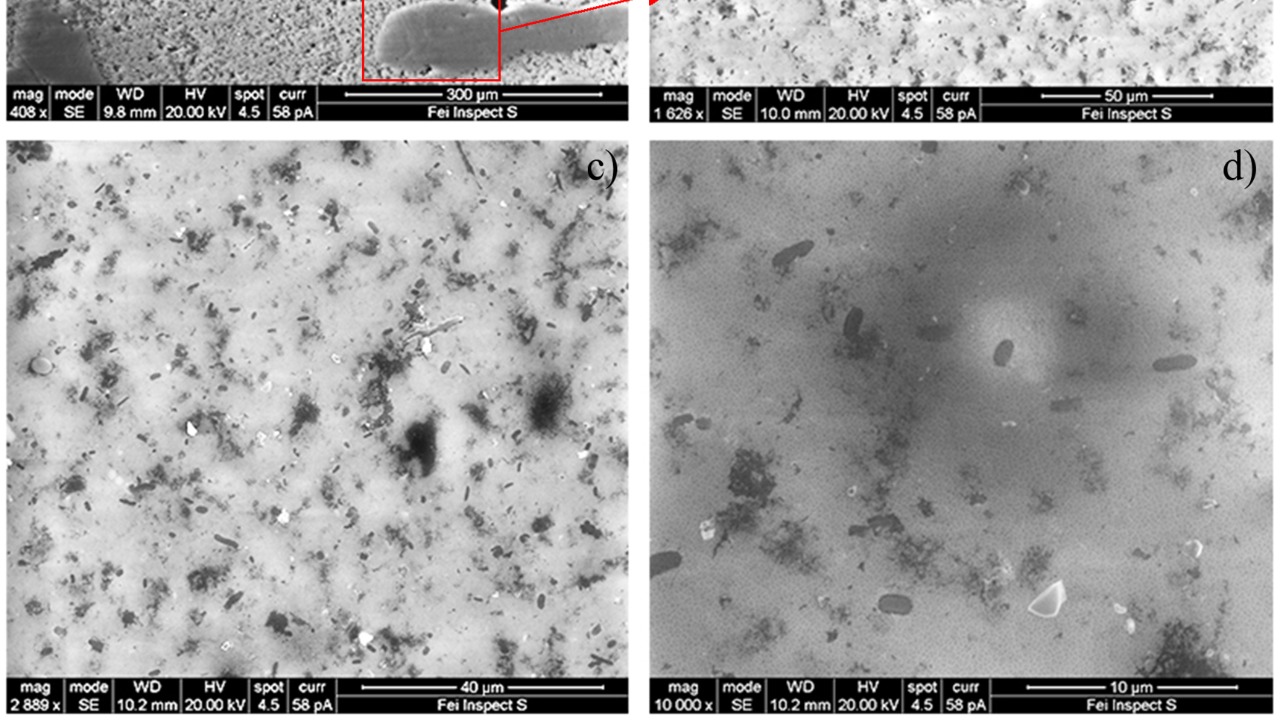
This achievement in Alaska is reminiscent of similar discoveries in polar regions, where ancient microbes have been revived from ice and permafrost. These studies collectively contribute to a broader understanding of microbial resilience and the potential for life to persist in extreme environments. Such research also prompts ethical considerations regarding the reawakening of ancient organisms, emphasizing the importance of biosafety protocols to prevent unintended consequences (Daily Galaxy).
The follow-up reporting on October 6, 2025, at 21:15:00.000Z, provided additional details on the revival process, expanding on the initial announcement made earlier that day. This ongoing coverage reflects the scientific community’s keen interest in the implications of reviving ancient life forms and the potential for future discoveries in this field (SSB Crack).
