A groundbreaking discovery has been made by scientists who successfully revived a virus that lay dormant for 10,000 years beneath the Siberian permafrost. This remarkable achievement raises significant questions about the implications for virology, ecology, and the future of scientific exploration.
The Discovery: Unearthing the Past

In the remote stretches of Siberia, a team of scientists embarked on an ambitious expedition to explore the mysteries locked beneath the permafrost. The virus was discovered in a deep layer of ice, where it had remained encapsulated for millennia. The location, known for its well-preserved ancient specimens, offered the perfect conditions for such a find. The meticulous excavation process involved careful removal of ice layers, ensuring that the integrity of the virus was maintained during extraction.
To safely extract and handle the virus, the team employed advanced cryogenic techniques. These methods not only ensured the virus remained intact but also protected the researchers from potential exposure. Initial analysis involved radiocarbon dating, confirming the virus’s impressive age of 10,000 years. Further genetic sequencing identified the virus type, revealing insights into its structure and life cycle.
Scientific Significance: Understanding Ancient Viruses
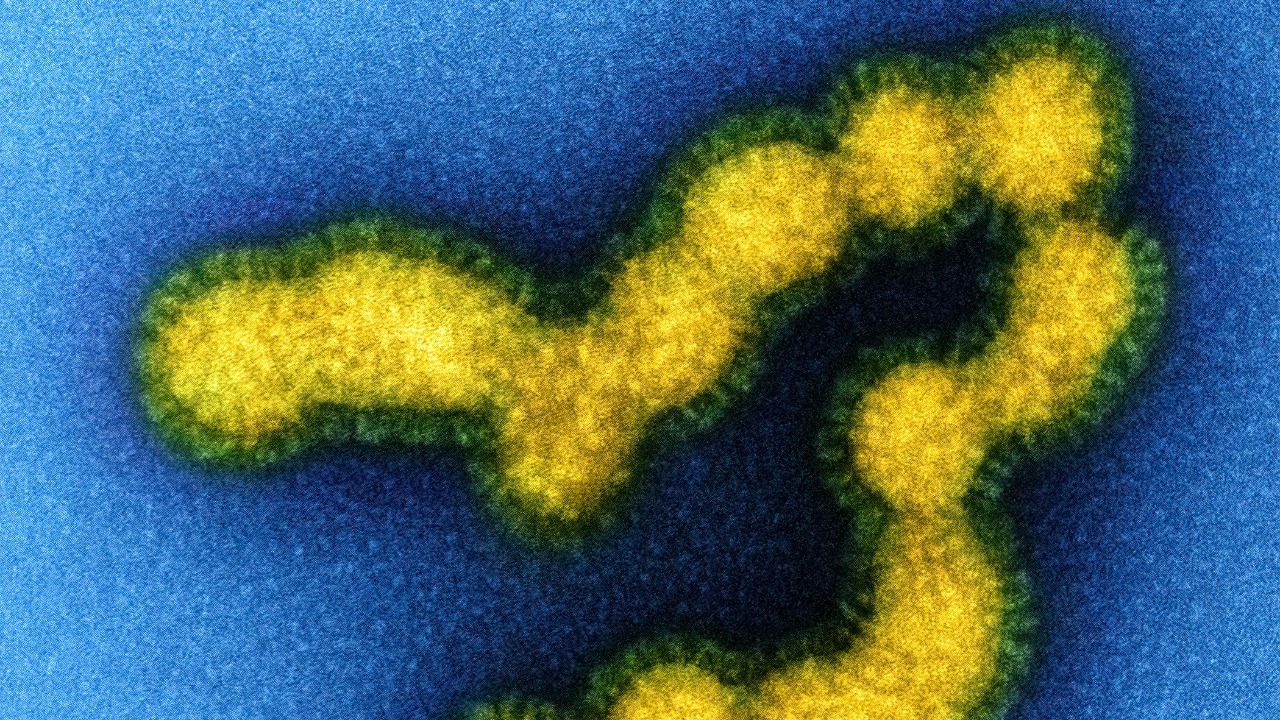
The revival of this ancient virus opens a new window into understanding viral evolution and the history of pandemics. By studying the genetic makeup of such ancient pathogens, scientists can trace the evolutionary pathways of modern viruses, offering clues to their adaptability and resilience. This knowledge is invaluable in predicting future viral mutations and potential outbreaks.
Moreover, the discovery holds promise for developing novel antiviral treatments and vaccines. By analyzing the genetic material of ancient viruses, researchers can identify unique viral proteins that may serve as targets for new therapeutic interventions. This approach is reminiscent of recent advances in other fields, such as the revival of ancient plants and animals, which have similarly provided insights into the resilience and adaptability of life forms over millennia.
Ethical Considerations: The Risks and Rewards
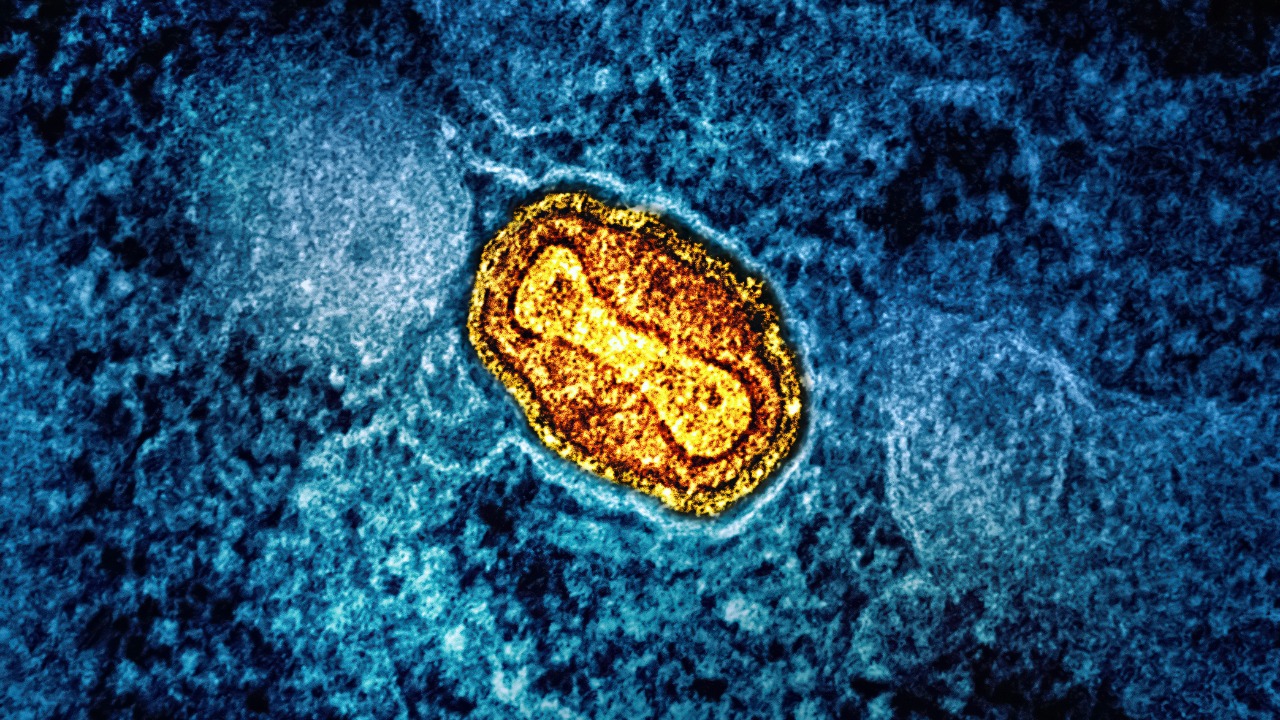
The revival of ancient viruses inevitably raises ethical and moral concerns. One pressing question is whether such endeavors could inadvertently unleash new pathogens into the environment, posing unforeseen risks to humans and ecosystems. The scientific community must weigh the potential benefits against the ethical implications of reviving ancient pathogens.
To mitigate these risks, strict biosafety measures are in place to prevent any unintended consequences. These protocols are designed to ensure that revived pathogens are contained and studied in highly controlled environments. Public perception also plays a critical role in this discourse, as scientists must communicate their findings responsibly and transparently to foster trust and understanding.
Technological Advances: Tools of Discovery

The successful revival and study of ancient viruses would not have been possible without cutting-edge technology. Techniques such as advanced gene-editing and de-extinction have revolutionized the field, allowing researchers to manipulate and study genetic materials with unprecedented precision. These innovations have paved the way for new discoveries and deeper insights into ancient life forms.
Looking ahead, future technological advancements hold the potential to further enhance our understanding of ancient ecosystems. As tools and techniques continue to evolve, scientists may be able to explore even more complex questions about the interactions between ancient organisms and their environments. This progress is crucial for building a comprehensive picture of life on Earth through different epochs.
Looking Ahead: The Future of De-Extinction
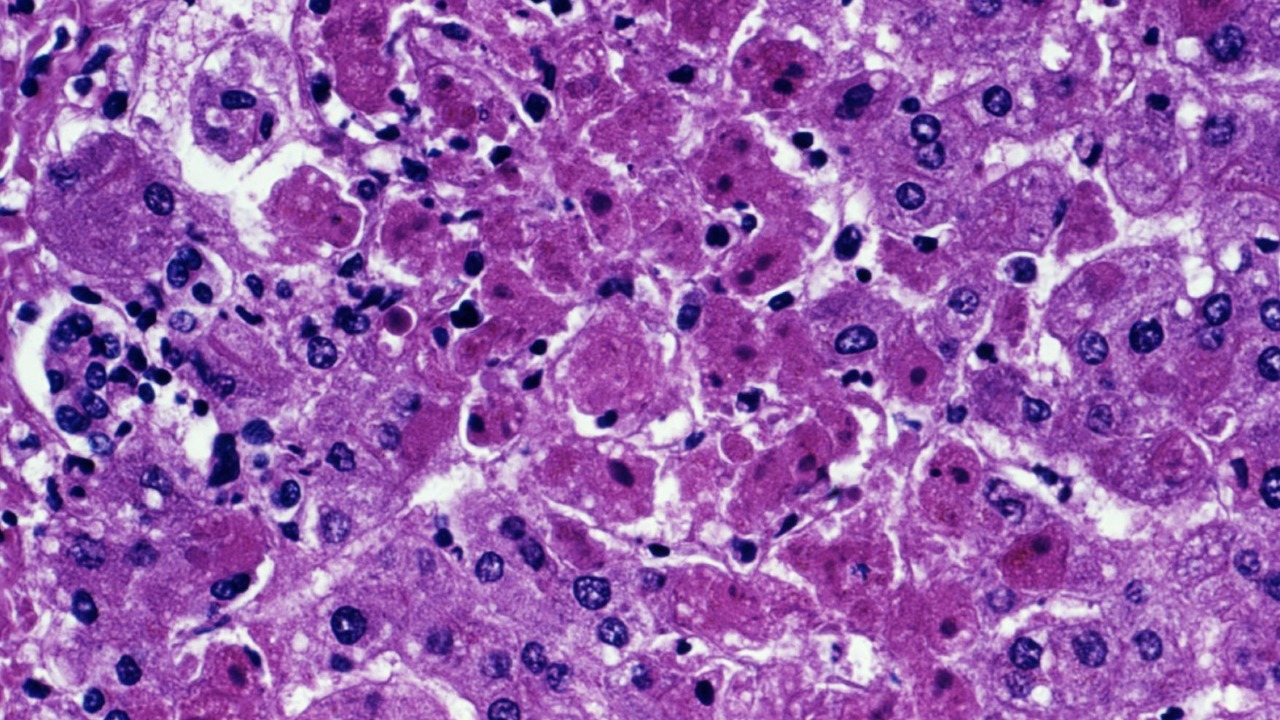
The revival of the 10,000-year-old virus is just one example of the potential for future de-extinction projects. These initiatives aim to resurrect extinct species or study ancient life forms to gain insights into past ecosystems. Such projects require interdisciplinary collaboration, bringing together experts from fields such as genetics, ecology, and paleontology to achieve common scientific goals.
Understanding the broader implications of these findings is essential, particularly in the context of climate change and its impact on ancient ecosystems. As global temperatures continue to rise, the melting of permafrost may reveal more ancient organisms, providing valuable data on how past climates influenced biodiversity. By studying these ancient life forms, scientists can gain a better understanding of how current environmental changes might affect modern ecosystems and biodiversity.
