For centuries, diamond has been the reigning champion of hardness on Earth. However, a recent breakthrough in material science has led to the synthesis of a new substance, predicted to be 50 percent harder than diamonds, challenging this long-standing title.
The Discovery: A New Super-Diamond
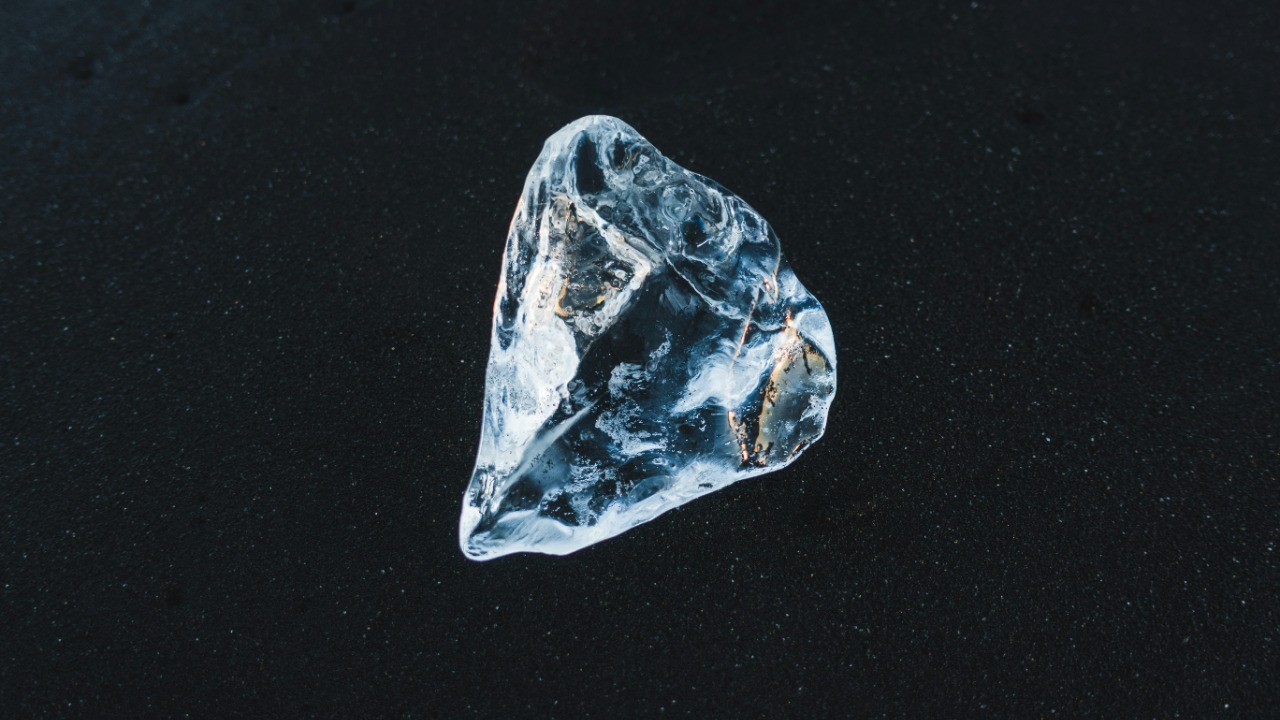
The discovery of this super-diamond is a result of relentless efforts by various research teams. The Chinese scientists have been instrumental in synthesizing this world’s hardest material. The methodologies employed in this process are complex, involving advanced techniques in material science and chemistry.
This super-diamond possesses unique properties that set it apart from traditional diamonds. Its hardness is unparalleled, and it has a higher density than any known substance. The scientific findings and studies suggest that this super-diamond’s hardness is due to its unique atomic structure and composition. The potential applications of this super-diamond are vast, ranging from industrial uses to technological advancements.
The Science Behind the Hardness
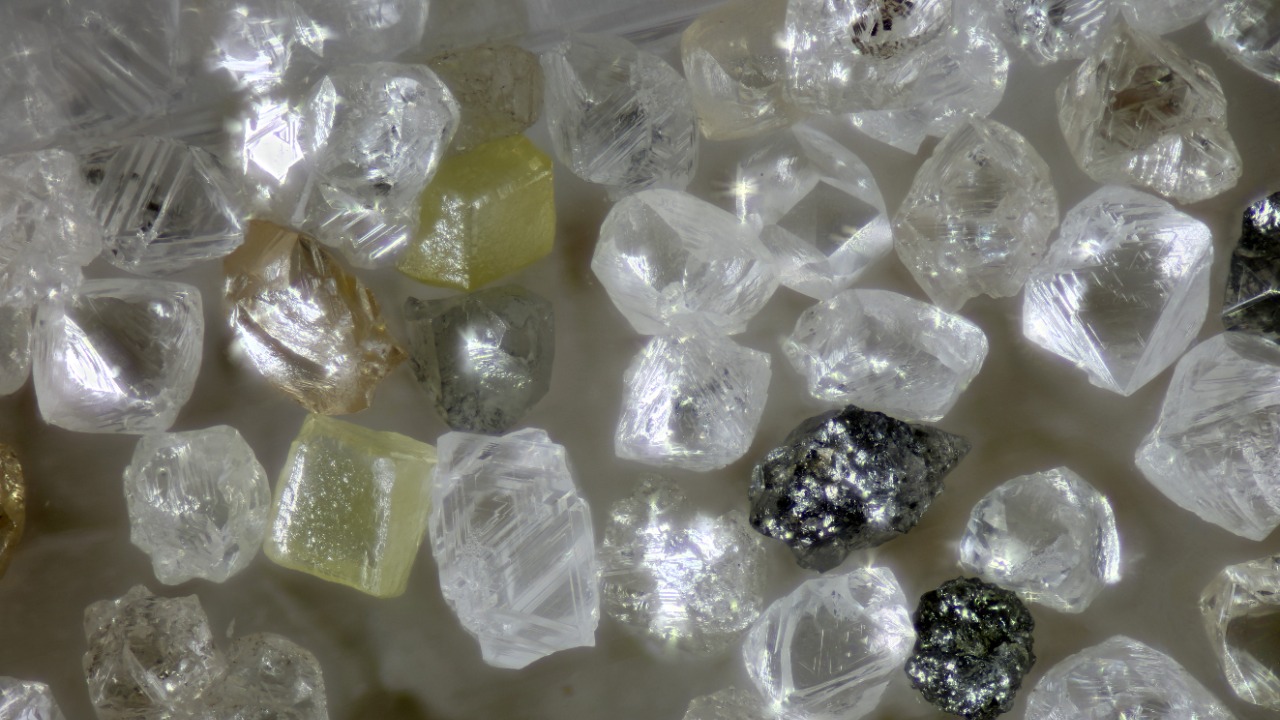
Hardness in a substance is determined by its atomic structure and the bonds between its atoms. In the case of diamonds, the hardness is attributed to the strong covalent bonds between carbon atoms arranged in a crystal lattice. This arrangement makes diamonds one of the hardest known substances on Earth.
The super-diamond, however, takes this hardness to a new level. Its structure contributes to its extreme hardness. The role of carbon atoms and their unique arrangement in the super-diamond is crucial in creating this hardness. The elusive meteorite diamond synthesized by scientists is a testament to the role of carbon atoms in creating ultra-hard materials.
Lab-Grown Diamonds: A Comparative Analysis

Lab-grown diamonds have been a significant development in the diamond industry. The process used to create these diamonds involves replicating the natural conditions under which diamonds form. However, the method used to synthesize the super-diamond is different and more complex, leading to a substance even harder than lab-grown diamonds.
While lab-grown diamonds and super-diamonds share similarities in their carbon-based composition, their hardness levels are significantly different. The lab-grown diamond created by physicists, although harder than natural diamonds, still falls short when compared to the hardness of the super-diamond.
Potential Applications and Future Implications

The potential applications for the super-diamond are immense. Its extreme hardness and high density make it an ideal candidate for various industrial uses. Moreover, its unique properties could lead to significant technological advancements, potentially revolutionizing industries such as electronics, manufacturing, and space exploration.
The discovery of the super-diamond could also have a profound impact on the diamond industry. It could challenge the market for lab-grown diamonds and even natural diamonds. The harder material created by squeezing diamonds could potentially become a new standard in the industry.
This breakthrough opens up new research directions in material science. The synthesis of a substance harder than diamond could lead to the discovery of even harder materials in the future. The implications of this discovery for the wider field of material science are vast and exciting, promising a future where the limits of hardness are continually pushed and redefined.
