Scientists have recently uncovered groundbreaking insights into the core of black holes, potentially resolving one of the universe’s greatest mysteries. As research advances, predictions indicate that we could witness a black hole explosion within the next decade. These revelations follow the first-ever image of the black hole at the heart of our galaxy captured in 2022.
The Core of the Black Hole
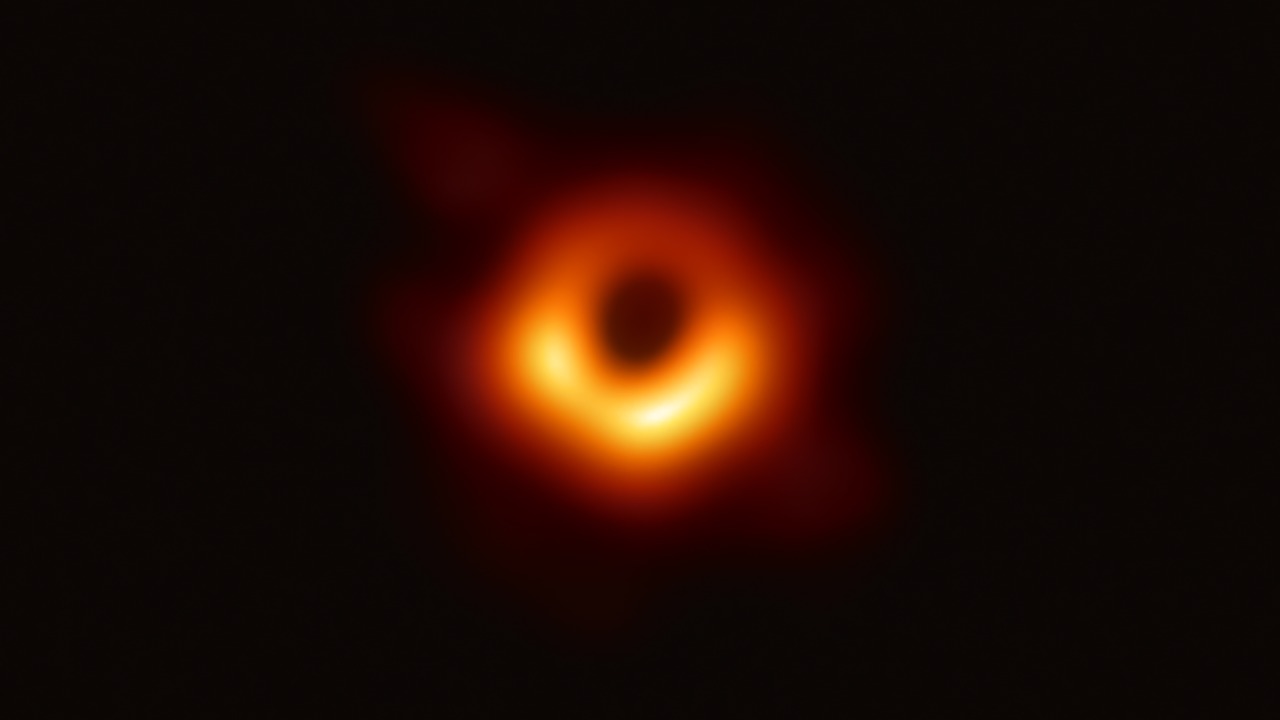
Recent scientific discoveries have provided unprecedented insights into what lies at the core of a black hole, potentially solving a long-standing cosmic mystery. This breakthrough could revolutionize our understanding of the universe and its fundamental laws. According to a report from AS, scientists are now closer than ever to unraveling the enigmatic nature of black holes, which have long puzzled astronomers and physicists alike.
The implications of understanding the black hole’s core are profound. By deciphering the mysteries of these cosmic giants, researchers hope to gain insights into the fundamental forces that govern the universe. This knowledge could potentially lead to new theories about the nature of space and time, challenging existing paradigms and opening up new avenues for exploration and discovery.
These recent findings are built upon decades of theoretical work and observational data, which have gradually peeled back the layers of mystery surrounding black holes. The core, often referred to as the singularity, is a point where the gravitational forces are so intense that they warp space and time beyond recognition. This has led scientists to propose that understanding the singularity could unlock new physics, potentially revealing insights into quantum gravity and the unification of general relativity with quantum mechanics. Such breakthroughs could redefine our comprehension of the universe’s inception and its ultimate fate.
Potential Black Hole Explosions
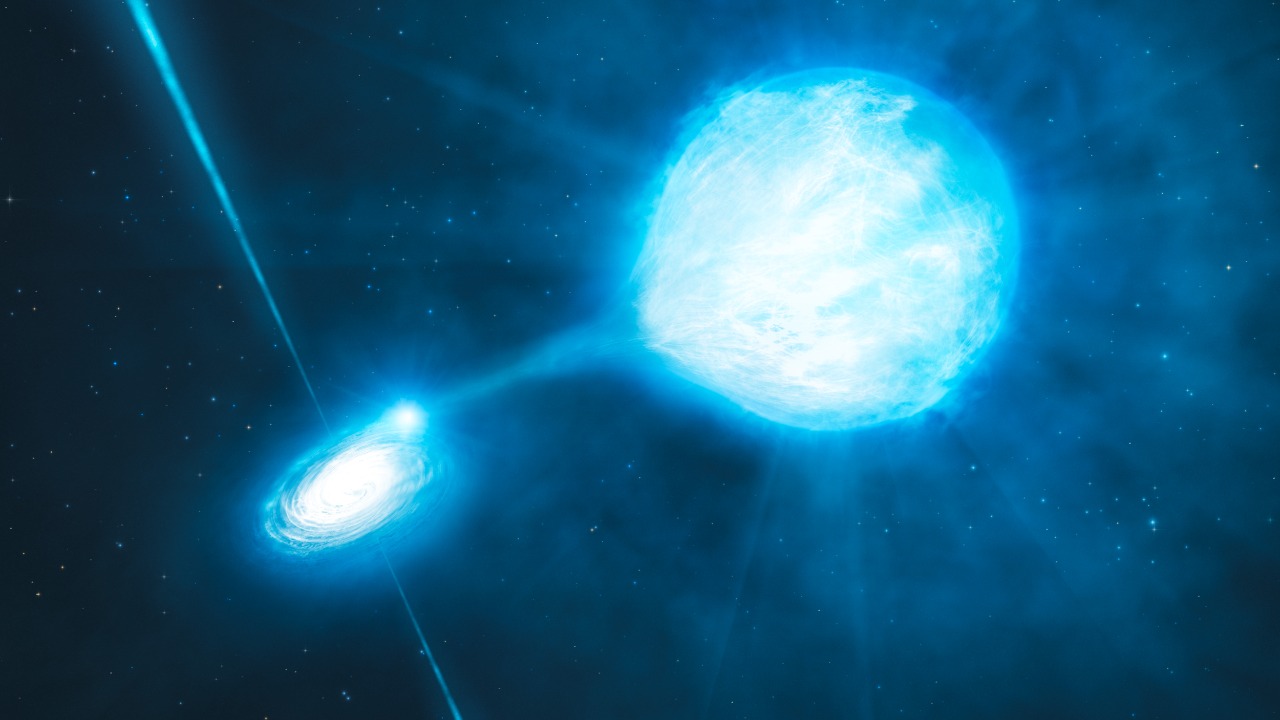
Within the next 10 years, scientists anticipate witnessing a black hole explosion, a phenomenon that has previously only been theorized. This prediction is based on ongoing research and observations, which continue to shed light on the dynamic nature of black holes. As reported by The Brighter Side, the potential for such an event is rooted in the latest advancements in astrophysics, which suggest that black holes are not the static entities they were once thought to be.
The prospect of observing a black hole explosion is both exciting and daunting for scientists. Such an event would provide invaluable data, allowing researchers to test existing theories and refine their understanding of these mysterious objects. The ability to witness a black hole explosion would mark a significant milestone in the field of astrophysics, offering a rare glimpse into the violent and unpredictable nature of the universe.
In addition to the theoretical implications, the potential observation of a black hole explosion would provide a practical testbed for new technologies and methodologies in astrophysics. Instruments capable of capturing such high-energy events must be incredibly sensitive, pushing the boundaries of current observational capabilities. This endeavor could lead to advancements in telescope technology and data analysis techniques, which would benefit a wide range of astronomical research. Furthermore, understanding the mechanics of a black hole explosion could have implications for studying other cosmic phenomena, such as gamma-ray bursts and supernovae, which are similarly energetic and complex.
Advancements in Black Hole Imaging
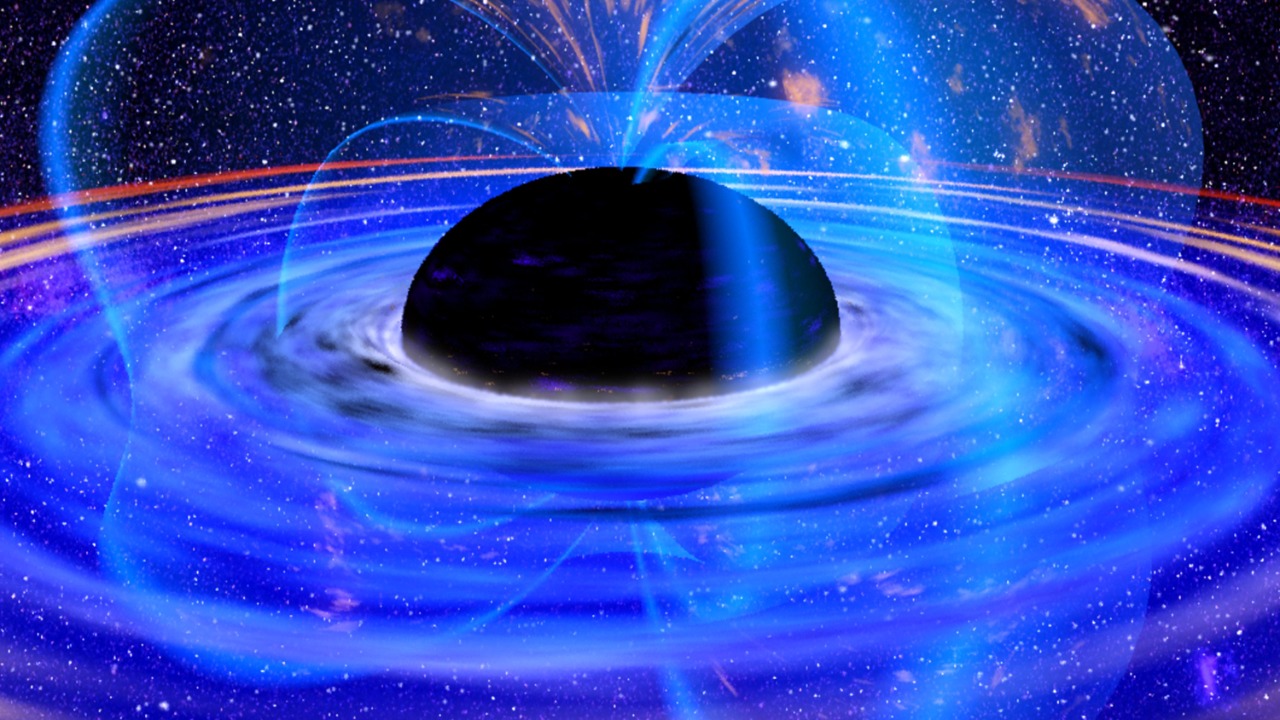
The Event Horizon Telescope captured the first image of the black hole at the heart of our galaxy in 2022, marking a significant milestone in astrophysics. This achievement has been crucial in furthering our understanding of black holes and their properties. According to the Event Horizon Telescope, this image provided the first direct visual evidence of a black hole, confirming many theoretical predictions about their appearance and behavior.
This groundbreaking image has opened new doors for research, allowing scientists to study black holes in unprecedented detail. By analyzing the data collected from the Event Horizon Telescope, researchers have been able to refine their models of black hole dynamics, leading to new insights into their formation and evolution. This advancement underscores the importance of cutting-edge technology in expanding our understanding of the universe.
The success of the Event Horizon Telescope in capturing the image of a black hole has also spurred international collaboration among scientists and institutions. This global effort underscores the importance of pooling resources and expertise to tackle some of the most challenging questions in astrophysics. The data from the Event Horizon Telescope has not only confirmed existing theories but also raised new questions about the behavior of matter and energy near a black hole’s event horizon. These findings are expected to guide future research and inspire the next generation of astronomers and physicists to explore the unknown.
Black Hole Anatomy
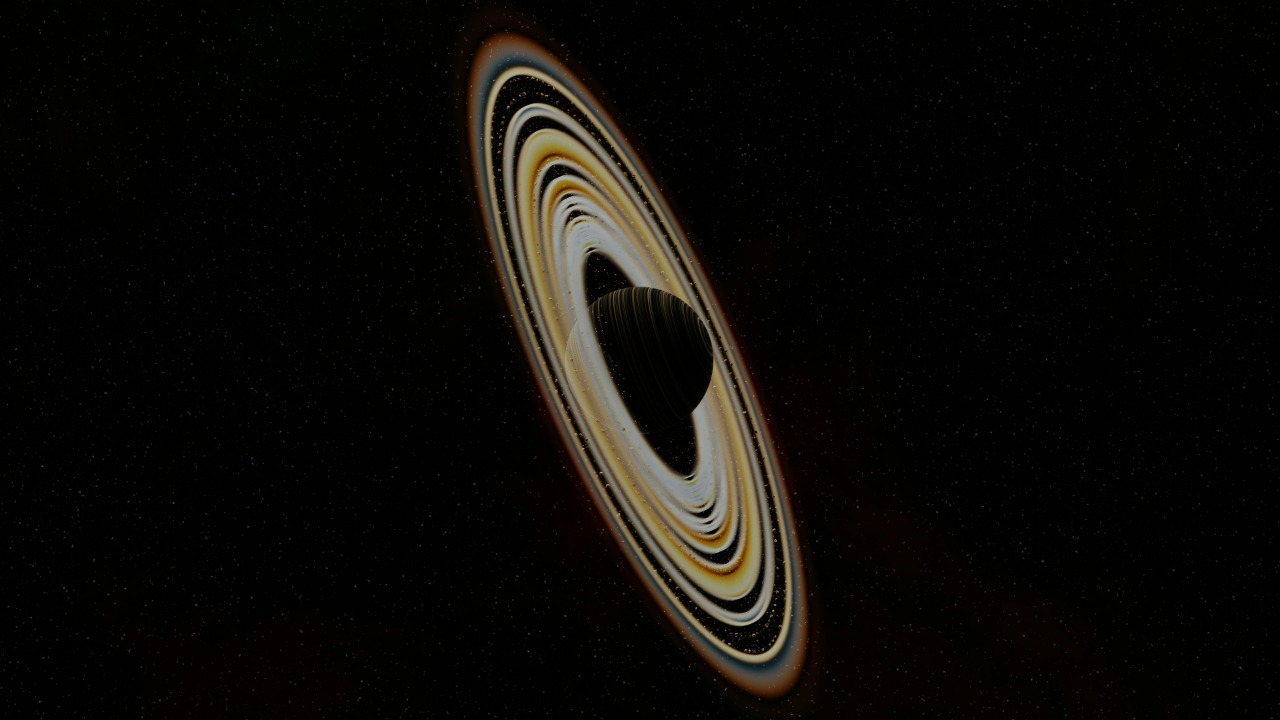
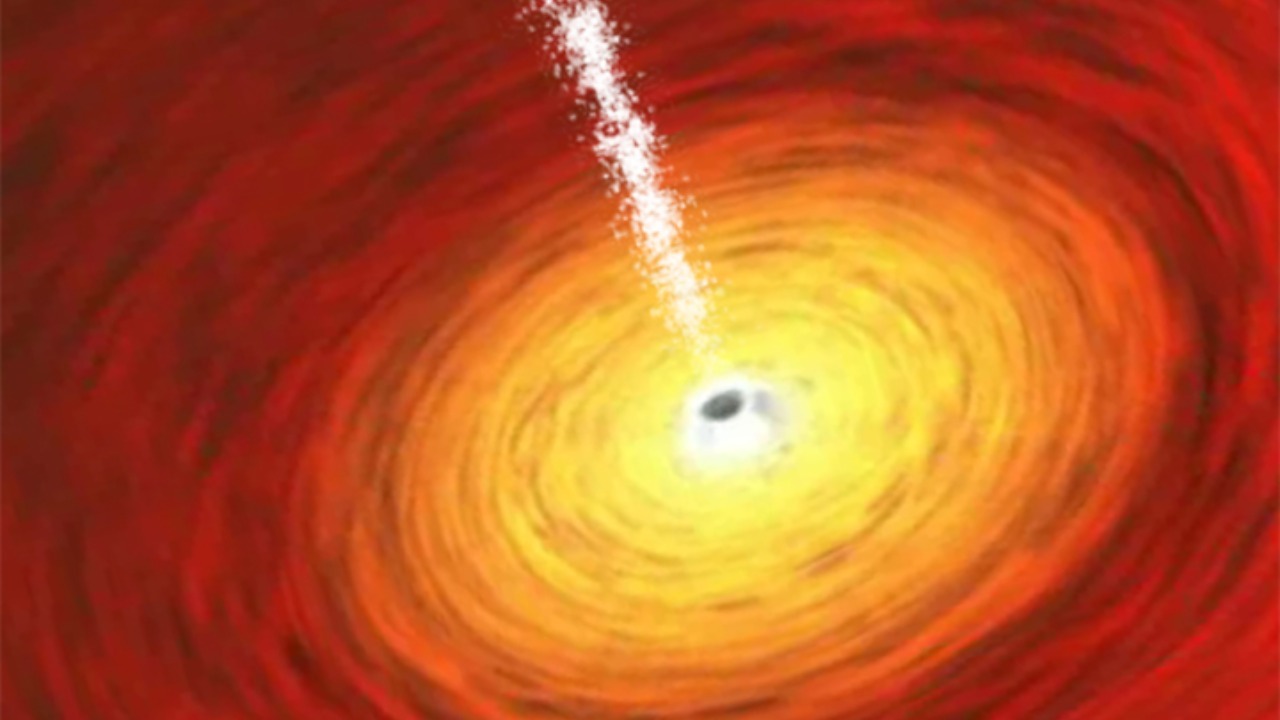
NASA’s research into the anatomy of black holes continues to provide valuable insights into their structure and behavior. Understanding the anatomy of black holes is essential for developing theories about their core and potential for explosions. As detailed by NASA, black holes are complex structures with unique properties that challenge conventional physics.
By studying the anatomy of black holes, scientists aim to unravel the mysteries of their immense gravitational pull and the singularity at their core. This research is crucial for advancing our knowledge of the universe’s most extreme environments, where the laws of physics as we know them may break down. As scientists continue to explore these enigmatic objects, they hope to uncover new insights into the fundamental nature of reality.
NASA’s ongoing research into black hole anatomy also involves simulations and models that attempt to replicate the extreme conditions found near these cosmic entities. These models are crucial for testing hypotheses about how matter behaves under intense gravitational forces and how black holes interact with their surroundings. By simulating the accretion disks and jets often associated with black holes, scientists can better understand the processes that lead to the emission of high-energy radiation, which is detectable across vast cosmic distances. This research not only enhances our understanding of black holes but also contributes to broader astrophysical knowledge, including galaxy formation and evolution.
Unusual Black Hole Theories
Some scientists speculate that tiny black holes could be hidden in Earth’s oldest buildings, suggesting innovative methods to locate them. These theories challenge conventional thinking and open new avenues for research and exploration. According to a report from Study Finds, researchers are exploring the possibility that these miniature black holes could be remnants from the early universe, offering a unique opportunity to study their properties up close.
The idea that black holes could exist on such a small scale is a testament to the creativity and ingenuity of modern science. By investigating these unusual theories, scientists hope to uncover new phenomena that could reshape our understanding of the universe. This line of inquiry highlights the importance of thinking outside the box and embracing unconventional ideas in the pursuit of knowledge.
