Scientists have recently uncovered a new Jurassic monster characterized by a freakish overbite and massive ribs, discovered buried in a pit of ancient cephalopods. This significant find in paleontology sheds light on prehistoric marine predators from the Jurassic period. The discovery, detailed in reporting from October 5, 2025, highlights the creature’s unique dental and skeletal features preserved amid a concentration of cephalopod remains, suggesting a dramatic depositional event. [source]
The Discovery Process
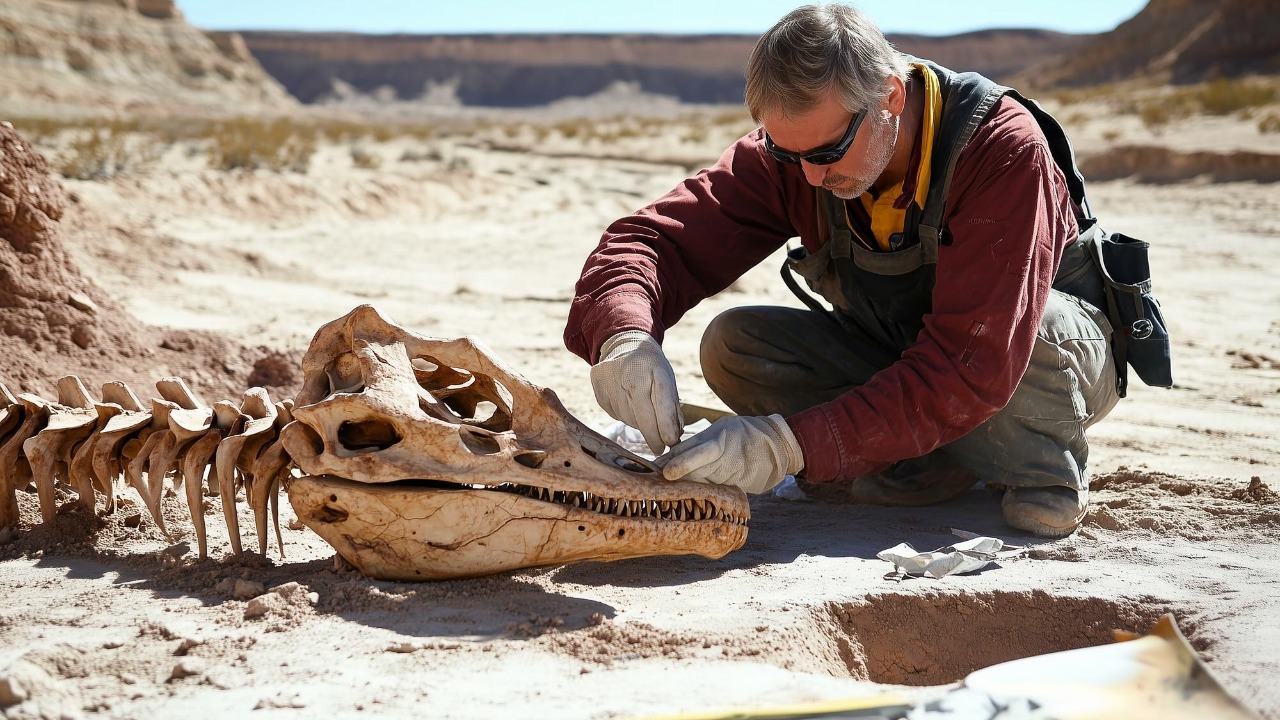
The excavation site where the Jurassic monster was found is remarkable for its unusual context. The fossil was buried in a pit filled with ancient cephalopods, which is not a common setting for such discoveries. This unique preservation environment has provided scientists with a rare glimpse into the past, offering clues about the creature’s life and the circumstances of its death. The concentration of cephalopods suggests a significant event that led to their mass burial alongside the predator.
The scientific team identified the specimen as a new species based on its distinctive features. The freakish overbite and massive ribs were unlike anything previously documented, prompting researchers to classify it as a unique find. The timeline of this discovery, reported on October 5, 2025, marks a breakthrough in Jurassic fossil hunting, offering new insights into the diversity of marine life during that era.
Unique Physical Features
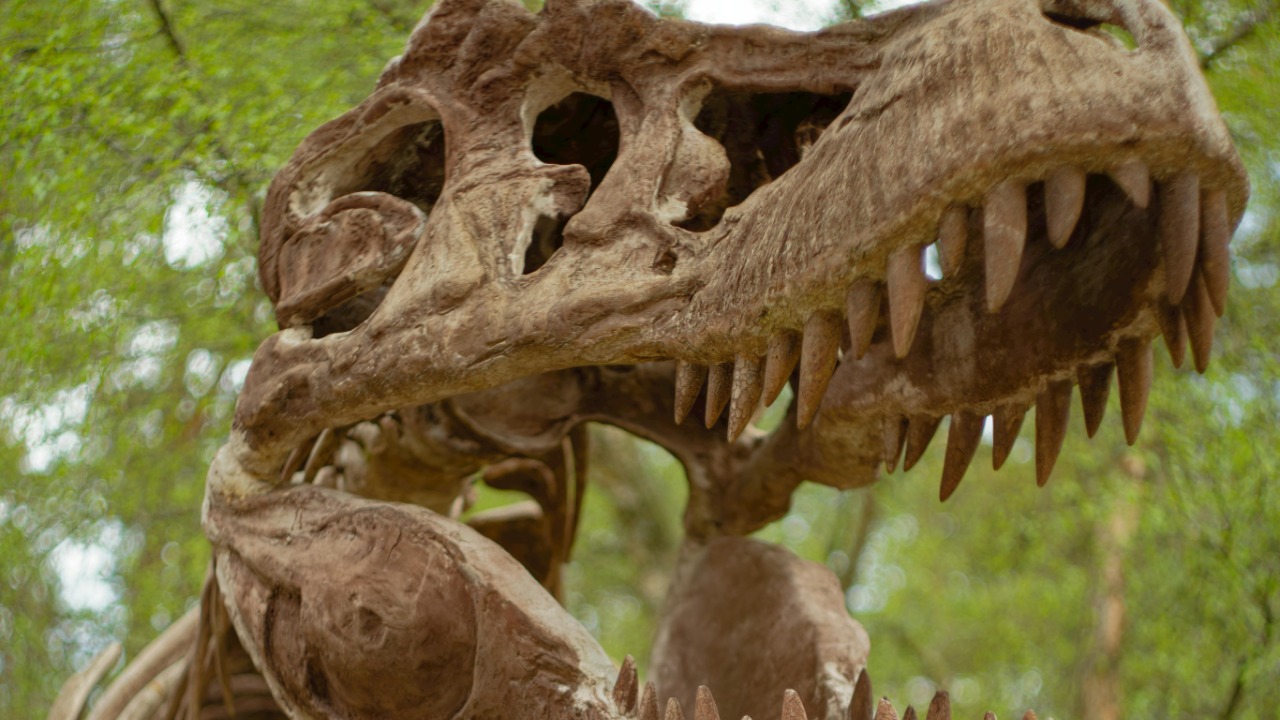
The freakish overbite of the Jurassic monster is a key anatomical trait that sets it apart from other known species. This feature likely played a crucial role in its predatory behavior, allowing it to capture and consume prey effectively. The overbite, combined with the massive ribs, indicates a robust build, suggesting that this creature was a formidable predator in its environment.
The massive ribs of the specimen further highlight its large size and strength. These physical attributes suggest that the creature was well-adapted to its role as a top predator in the Jurassic seas. The preservation of these features in the cephalopod pit offers valuable insights into the creature’s adaptations and interactions with its prey.
In addition to its overbite and massive ribs, the Jurassic monster’s skeletal structure reveals further intriguing details about its physical capabilities. The vertebrae suggest a flexible spine, which would have allowed for swift, agile movements in the water, enhancing its ability to pursue prey. This agility, combined with its powerful jaw structure, indicates a predator that could dominate its environment with both speed and strength.
Moreover, the creature’s limb structure, although not fully preserved, hints at strong, possibly fin-like appendages that would have aided in propulsion through the water. This combination of features underscores the evolutionary adaptations that made it a successful predator. The preservation of these traits in the fossil record provides a rare opportunity to study the evolutionary pressures that shaped marine life during the Jurassic period. [source]
The Ancient Environment
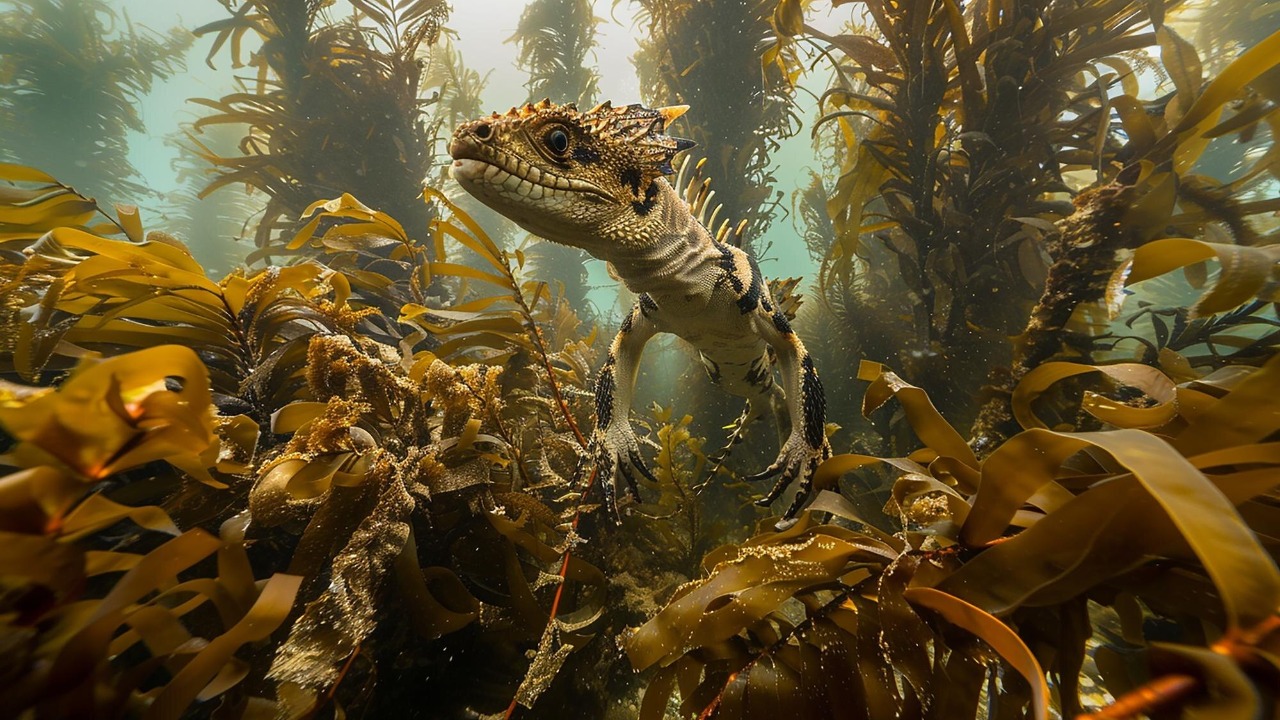
The pit of ancient cephalopods surrounding the Jurassic monster is described as a mass burial site that likely formed rapidly. This setting provides a snapshot of the past, capturing a moment in time when the creature and its prey were buried together. The ecological implications of this concentration suggest that the area may have served as a trap or feeding ground for the monster.
By analyzing the burial context, scientists can infer aspects of Jurassic marine conditions. The monster’s overbite and ribs point to interactions with cephalopod prey, offering clues about its hunting strategies and ecological niche. This discovery enhances our understanding of the complex dynamics within ancient marine ecosystems.
The ancient environment in which this Jurassic monster thrived was likely a dynamic and competitive ecosystem. The presence of numerous cephalopod fossils alongside the predator suggests a rich and diverse marine habitat. This abundance of prey would have supported a variety of predators, indicating a complex food web. The cephalopod pit itself may have been a result of a sudden environmental change, such as a storm or volcanic activity, which could have led to the rapid burial of these organisms.
Furthermore, the sedimentary layers surrounding the fossil site provide clues about the climatic conditions of the time. Analysis of these layers can reveal information about sea levels, water temperatures, and the chemical composition of the ocean, all of which would have influenced the biodiversity and distribution of marine species. Understanding these factors helps paleontologists reconstruct the ecological landscape of the Jurassic seas, offering insights into how ancient marine ecosystems functioned and evolved. [source]
Paleontological Significance
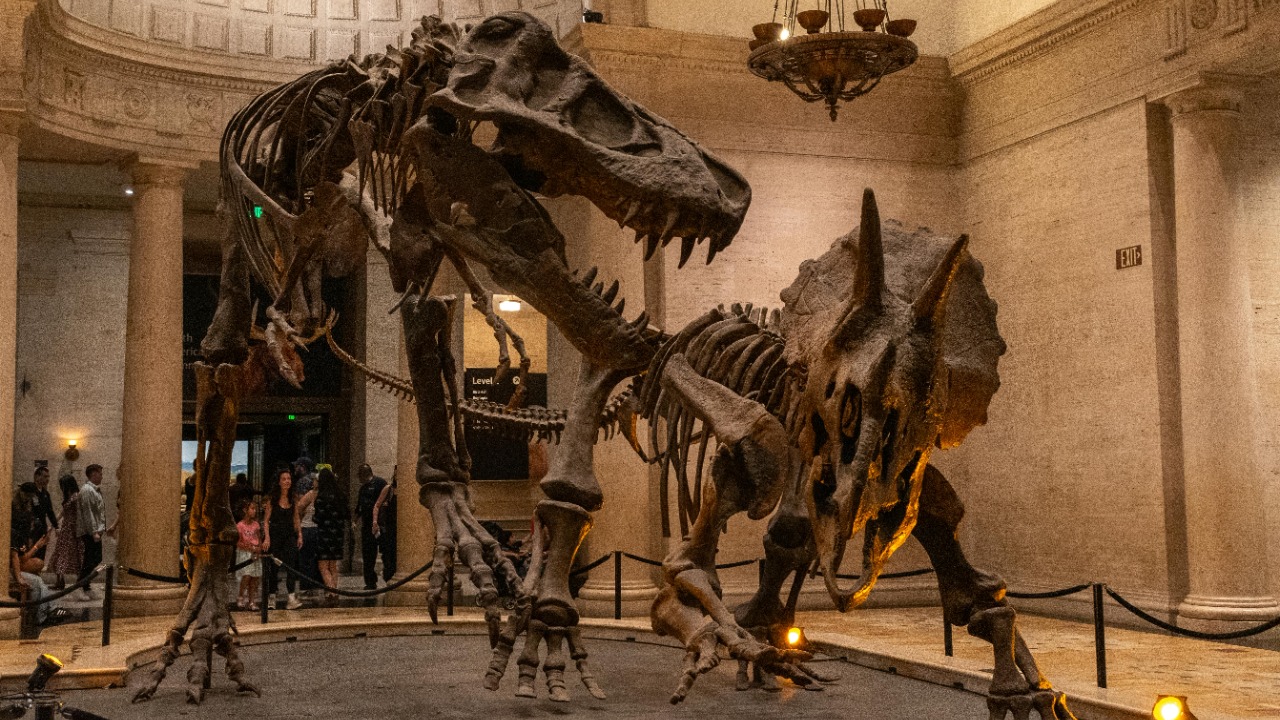
The new Jurassic monster expands our understanding of biodiversity during the period. Its freakish overbite challenges existing models of predator morphology, prompting a reevaluation of how these ancient creatures interacted with their environment. The discovery underscores the diversity of life forms that existed during the Jurassic era.
The massive ribs play a crucial role in reconstructing the creature’s behavior and size relative to other Jurassic finds. This information helps paleontologists piece together the puzzle of ancient marine ecosystems, providing a clearer picture of the evolutionary pathways that led to modern marine life.
Future research directions based on the cephalopod pit discovery include the potential for uncovering more specimens from the same site. Such findings could further illuminate the ecological dynamics of the Jurassic seas, offering new perspectives on the evolutionary history of marine predators. [source]
