Recent scientific breakthroughs have shed light on the existence of hidden chambers within the Great Pyramid of Giza, prompting a reevaluation of our understanding of this ancient marvel. These discoveries not only raise intriguing questions about the pyramid’s construction and purpose but also underscore the potential of modern technology in archaeological investigations.
Recent Discoveries in the Great Pyramid

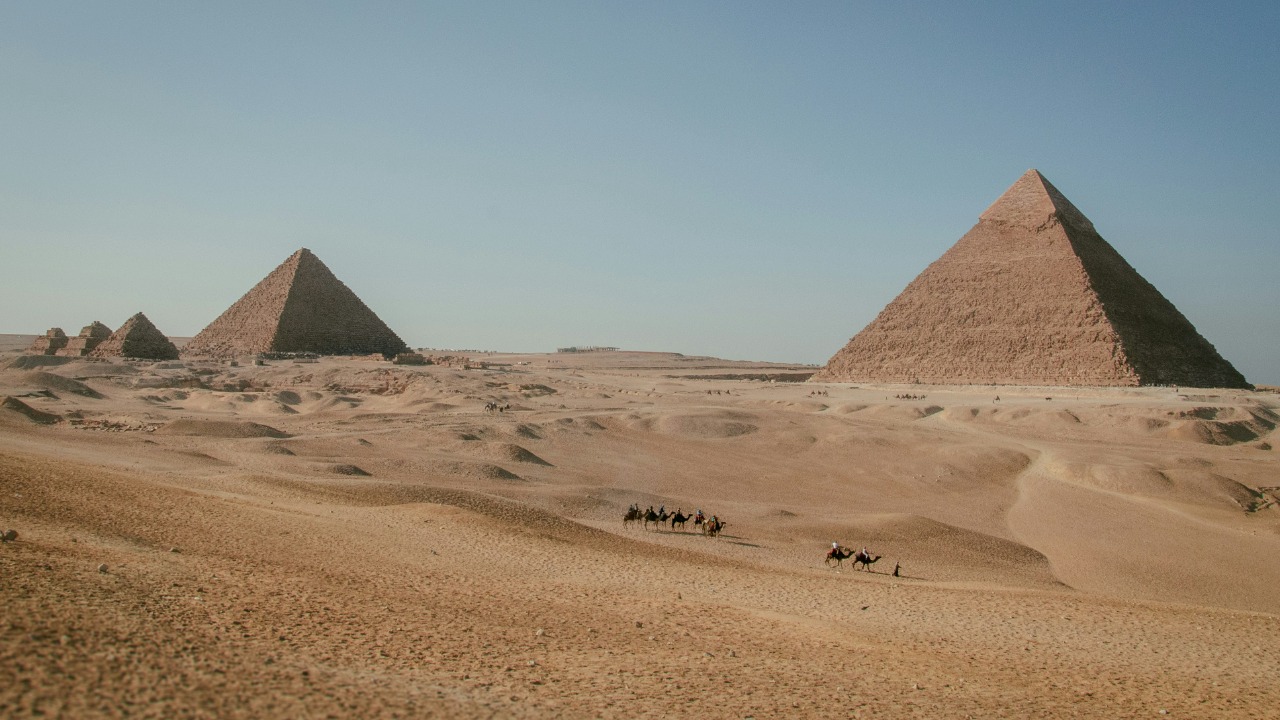
Unseen corridors and chambers within the Great Pyramid of Giza have been unveiled, thanks to the relentless efforts of scientists and the power of advanced technology. These discoveries, which include a hidden corridor and a deep chamber, have been made over the past few years, involving a team of international scientists.
The timeline of these discoveries is as fascinating as the findings themselves. The revelation of the hidden corridor was made in 2023, followed by the discovery of the deep chamber in 2025. These findings have not only added to our knowledge of the Great Pyramid but also opened up new avenues for exploration.
Technology Used to Uncover Hidden Chambers
The uncovering of these hidden chambers has been made possible by the use of cutting-edge technology, particularly muon radiography and cosmic rays. The latter was instrumental in revealing a 30-foot-long hidden corridor within the pyramid. These technologies allow scientists to peer into the pyramid without physically disturbing its structure, preserving its integrity while unveiling its secrets.
These advancements in technology have not only enabled the current discoveries but also hold promise for future archaeological investigations. The use of muon radiography and cosmic rays could potentially revolutionize the field, allowing us to explore other ancient structures in ways previously unimaginable.
Speculations on the Purpose of the Hidden Chambers
The discovery of these hidden chambers has sparked a flurry of theories regarding their purpose. Some speculate that they were built for burial or ceremonial purposes, in line with the known customs of ancient Egyptians. However, these theories are yet to be substantiated through further investigation and research.
One particularly intriguing speculation suggests that the chambers may contain the remains of Jesus Christ. This theory, while controversial, has added a layer of mystery to the ongoing investigations into the Great Pyramid’s hidden chambers. The historical context and customs of ancient Egypt may provide clues to the chambers’ purpose, but for now, they remain a subject of intense debate and speculation.
The Impact on Our Understanding of Ancient Egypt
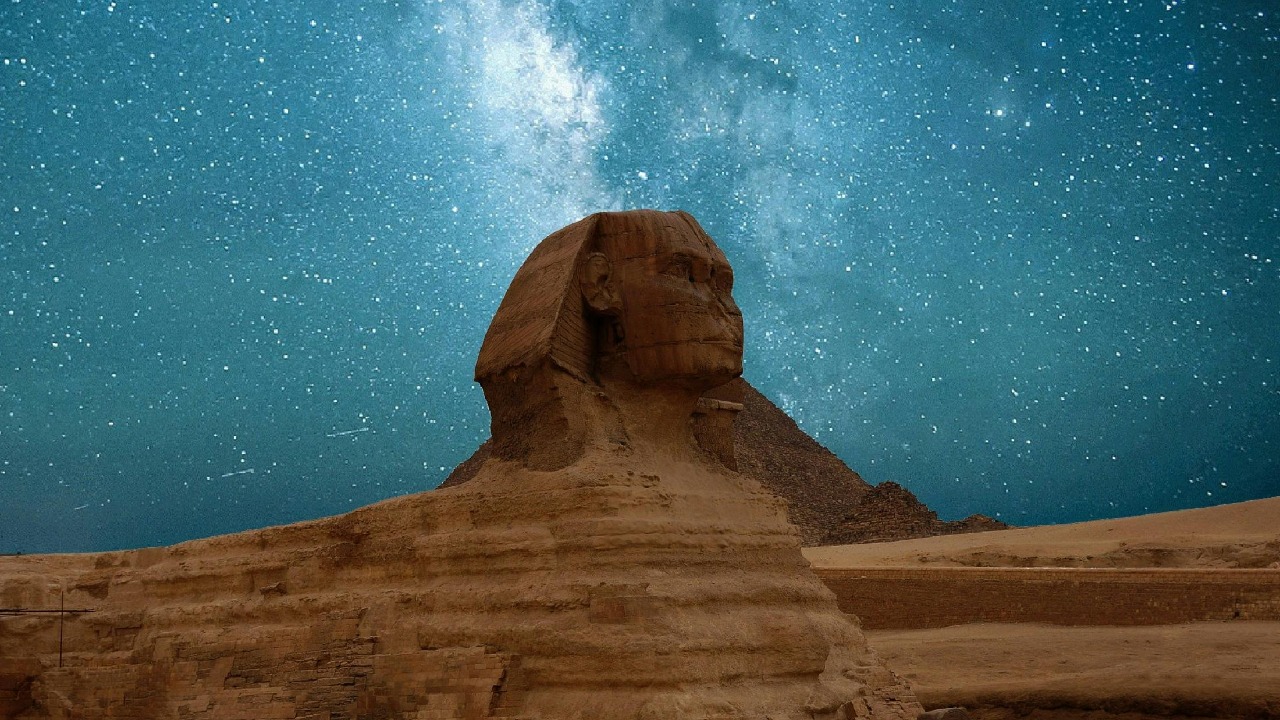
The recent discoveries have significantly altered our perception of the Great Pyramid’s construction and purpose. The existence of hidden chambers and corridors suggests a level of architectural complexity and planning that was previously unimagined. This, in turn, speaks volumes about the technological capabilities of the ancient Egyptians.
These findings also open up the potential for further exploration of the pyramid. With the possibility of more hidden chambers waiting to be discovered, we can anticipate a wealth of new information about the pyramid and its creators in the future.
Further Investigations and Future Research
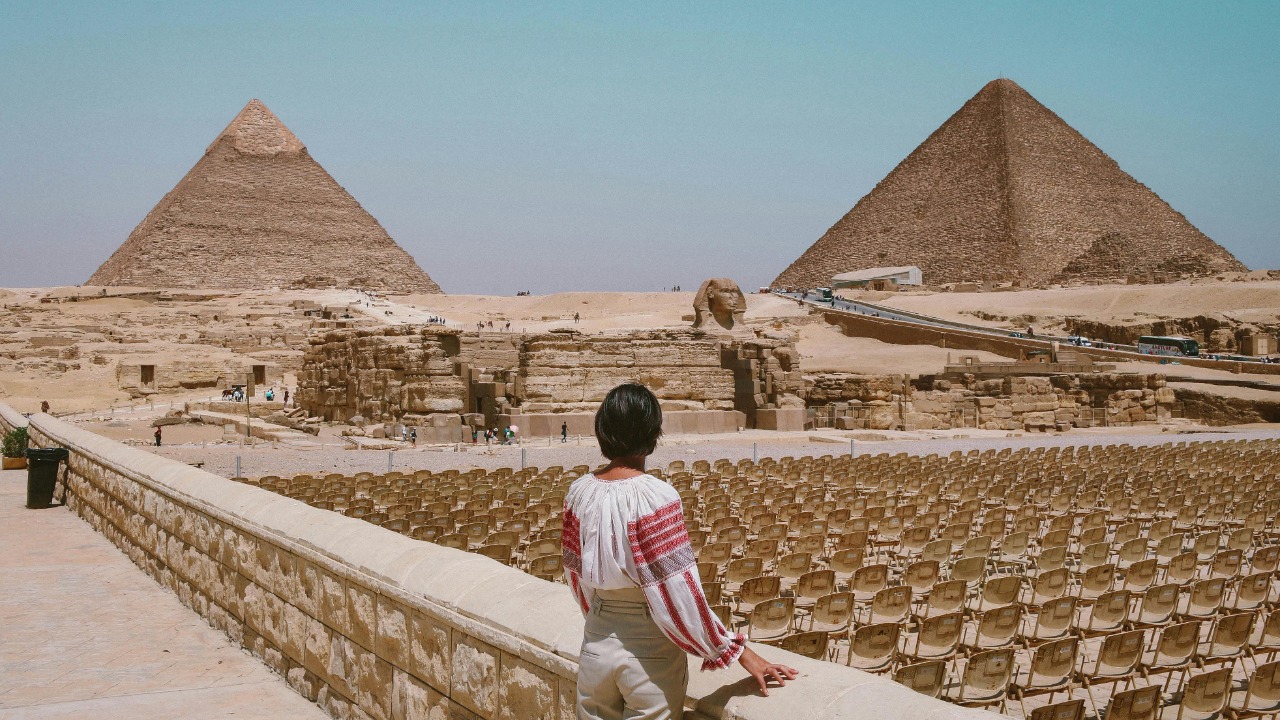
Investigations into the Great Pyramid and other pyramids in Egypt are ongoing, spurred by the recent discoveries. The use of advanced technology in these investigations not only increases the potential for more hidden chambers to be discovered but also promises to shed new light on the architectural marvels of ancient Egypt.
These discoveries have far-reaching implications for future research into ancient Egypt. They underscore the potential of modern technology in unearthing the secrets of the past, and in doing so, they pave the way for a deeper understanding of our shared human history. The discovery of a vast city underneath Egypt’s Giza pyramid is a testament to this potential, promising exciting revelations in the years to come.
