Scientists are on the brink of getting an unprecedented close look at a mysterious interstellar object known as 3I/ATLAS, which is set to make a close pass by Mars. This object has proven to be far more massive than initially anticipated, according to recent research.
Details about the Interstellar Object 3I/ATLAS
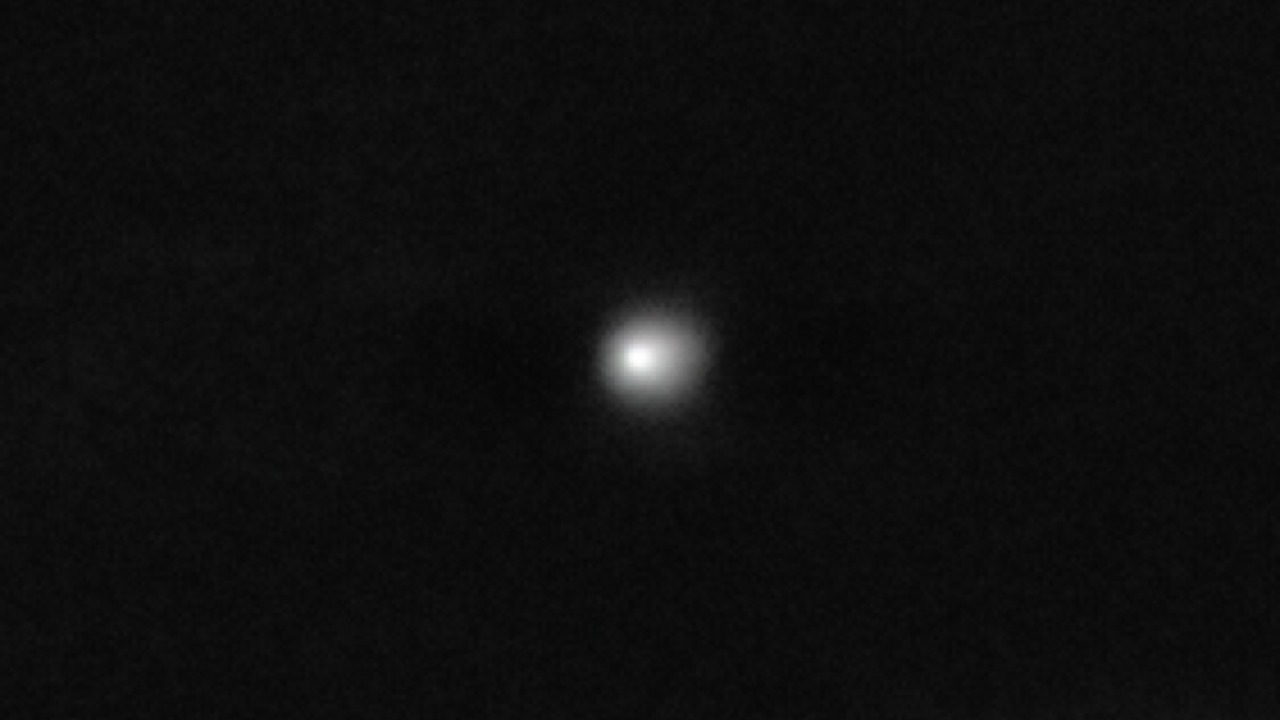
The interstellar object 3I/ATLAS is a celestial body from outside our solar system, currently making its way towards Mars. What makes this object particularly intriguing is its size and mass. Initial estimates have been revised, with the object now believed to be far larger and more massive than previously thought, according to a recent paper.
While the exact date of the 3I/ATLAS’s closest approach to Mars is not specified in the sources, it is clear that the event is imminent. This close encounter will provide scientists with a unique opportunity to observe and study this interstellar visitor in detail.
According to EarthSky, the object is believed to be an interstellar comet, a type of celestial body composed of ice, dust, and rock. Its interstellar nature suggests it originated from a different star system, making it a rare and valuable subject for scientific study. The exact composition of 3I/ATLAS is yet to be determined, but its size and mass suggest it could be a rich source of information about the materials and conditions in other parts of the universe.
Furthermore, the trajectory of 3I/ATLAS is of significant interest. Its path indicates it is not gravitationally bound to our sun, which is a defining characteristic of interstellar objects. The object’s trajectory and speed can provide clues about its origin and the forces that propelled it into our solar system. This information can help scientists understand more about the dynamics of interstellar travel and the potential for objects from our solar system to reach other star systems.
Observation of 3I/ATLAS by Scientists
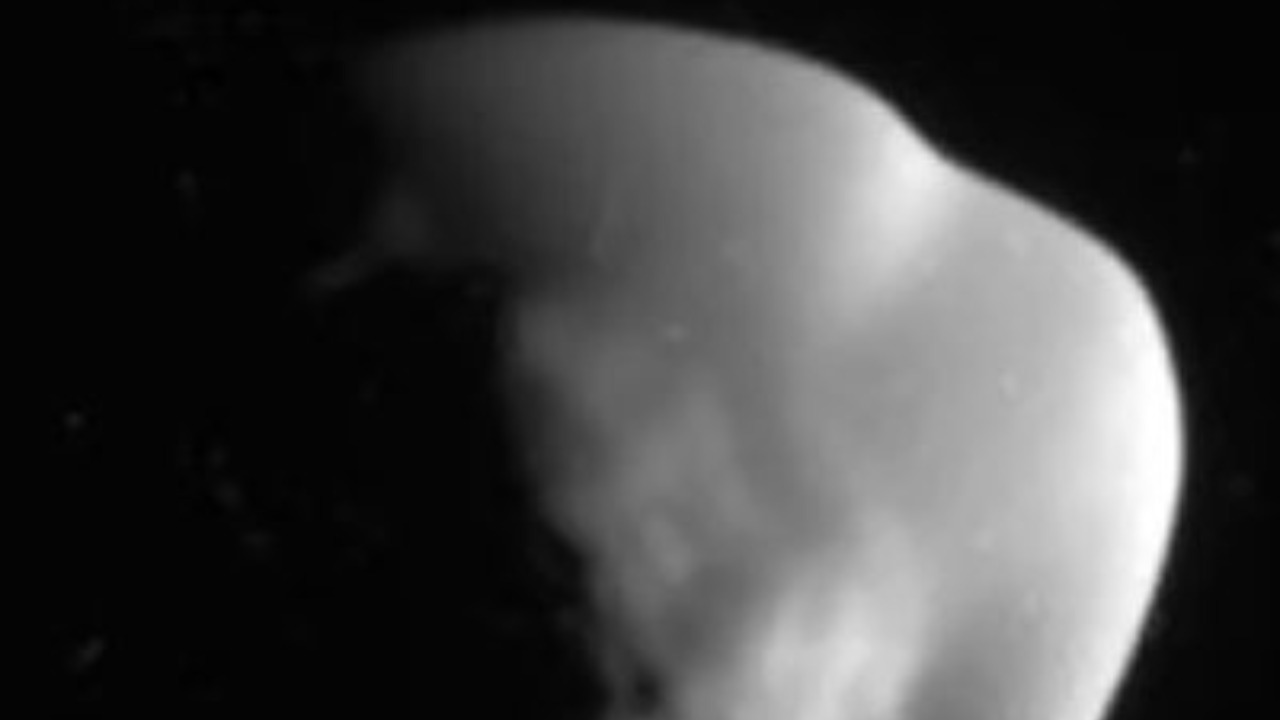
Scientists are gearing up to observe the passage of 3I/ATLAS near Mars. Using a variety of observational tools and techniques, they aim to gather as much data as possible about this mysterious object. The Independent reports that this will be the closest look scientists have had at such an object as it passes by Mars.
The significance of this event cannot be overstated. Observing an interstellar object up close provides a rare opportunity to study materials and conditions from outside our solar system. This could yield invaluable insights into the nature of the universe beyond our immediate cosmic neighborhood.
As reported by the Independent, scientists will use a range of instruments to observe 3I/ATLAS, including telescopes equipped with spectrographs. These devices can analyze the light emitted or reflected by the object, providing information about its composition. In addition, radar observations may be used to determine the object’s size, shape, and rotation. These observations will be complemented by mathematical modeling to predict the object’s future trajectory and potential impact on the solar system.
Moreover, the observation of 3I/ATLAS will involve international collaboration among scientists. Observatories around the world will be tracking the object, sharing data and insights. This global effort underscores the significance of the event and the shared interest in understanding our universe.
Implications of the 3I/ATLAS Flyby

The data collected from the flyby of 3I/ATLAS will be analyzed to reveal more about the object’s composition, origin, and trajectory. This information could potentially challenge or confirm current theories about interstellar objects and their behavior.
Moreover, the flyby of 3I/ATLAS will have far-reaching implications for future studies of interstellar objects. By observing and analyzing this object, scientists can refine their techniques and approaches for studying similar objects in the future, thereby expanding our understanding of the universe.
According to a recent paper, the analysis of data from the 3I/ATLAS flyby could lead to new discoveries about the nature of interstellar objects. For instance, the object’s composition could reveal the presence of materials or isotopes not found in our solar system, providing new insights into the processes that occur in other star systems. Additionally, the object’s trajectory and speed could shed light on the mechanisms of interstellar travel, potentially informing future space exploration efforts.
Furthermore, the 3I/ATLAS flyby could have implications for our understanding of life in the universe. If the object is found to contain organic compounds, it could support the theory of panspermia, which suggests that life could be spread throughout the universe via interstellar objects. This would be a groundbreaking discovery with profound implications for our understanding of life’s existence beyond Earth.
Future Interstellar Object Observations

Looking ahead, there are plans to observe similar interstellar objects that may pass near our planet. As reported by NewsWav, the study of such objects is crucial for advancing our knowledge of the universe.
Each observation contributes to a growing body of data about these mysterious visitors from beyond our solar system. Over time, this information will help scientists to build a more comprehensive picture of the universe, its composition, and its many mysteries yet to be unraveled.
As NewsWav reports, the observation of 3I/ATLAS is part of a broader effort to study interstellar objects. In the future, scientists plan to use more advanced technologies to observe these objects, including space-based telescopes and possibly even spacecraft designed to intercept and study them up close. These future observations will not only provide more data about individual objects but also help to identify patterns and trends among interstellar objects, contributing to a more comprehensive understanding of our universe.
Moreover, the study of interstellar objects like 3I/ATLAS could have practical implications for space exploration. Understanding the behavior and composition of these objects could inform the design of spacecraft and the planning of interstellar missions. In this way, the study of interstellar objects could play a crucial role in humanity’s future exploration of the cosmos.
