Scientists have recently identified a mineral that has never before been seen on Earth, sparking excitement and curiosity across the scientific community. This discovery, made in a sample from a meteorite, opens new avenues for understanding the complex processes involved in the formation of our solar system. The newfound mineral not only enriches our knowledge of mineralogy but also provides clues that may illuminate the mysteries of asteroid formation and planetary evolution.
The Discovery of the New Mineral

The analysis of meteorite samples is a meticulous process that involves cutting-edge technologies and methodologies. Scientists utilize advanced techniques such as X-ray diffraction, electron microprobe analysis, and scanning electron microscopy to study the mineral composition of meteorites. These technologies allow for the detailed examination of a meteorite’s structure and chemical makeup, making it possible to identify new minerals that have never been seen before on Earth. This particular discovery was facilitated by the use of high-resolution imaging and spectroscopy, which revealed the unique characteristics of the mineral.
The meteorite containing the new mineral was discovered in the vast expanse of the Sahara Desert, an area known for yielding extraterrestrial treasures. The mineral was uncovered during a detailed examination of the meteorite’s inner structure, where it was found embedded within the rock matrix. The harsh and arid conditions of the desert preserved the meteorite, allowing it to remain largely intact until its discovery. The significance of finding a new mineral cannot be overstated, as it offers valuable insights into the mineralogical diversity of the cosmos and helps to unravel the mysteries surrounding the formation of celestial bodies.
Characteristics of the Mineral

The new mineral boasts a unique chemical composition that sets it apart from any known minerals on Earth. Its structure is characterized by a complex lattice of elements that include rare and unusual combinations. This distinctive arrangement gives the mineral properties that are not commonly found in terrestrial counterparts. The discovery of such a mineral challenges existing paradigms and compels scientists to rethink the possible conditions and processes that could lead to the formation of such an exotic substance.
The physical properties of the mineral are equally intriguing. It has a striking color that ranges from deep blue to violet, depending on the angle of light. The mineral’s hardness is comparable to that of quartz, making it relatively robust despite its delicate appearance. Its crystalline structure, which was determined through meticulous examination, reveals a symmetry that is rare in known minerals. This combination of chemical and physical properties not only highlights the mineral’s uniqueness but also underscores the diversity of mineralogical forms that can exist beyond Earth.
When compared to similar minerals found on Earth and other celestial bodies, the new mineral exhibits several distinctive features. Unlike common silicate minerals or oxides, its composition includes elements that are typically rare in the Earth’s crust, such as scandium and yttrium. This rarity suggests that the mineral formed under conditions that are vastly different from those on our planet, potentially providing insights into the processes that govern the formation of asteroids and other extraterrestrial bodies.
Implications for Asteroid and Planetary Science
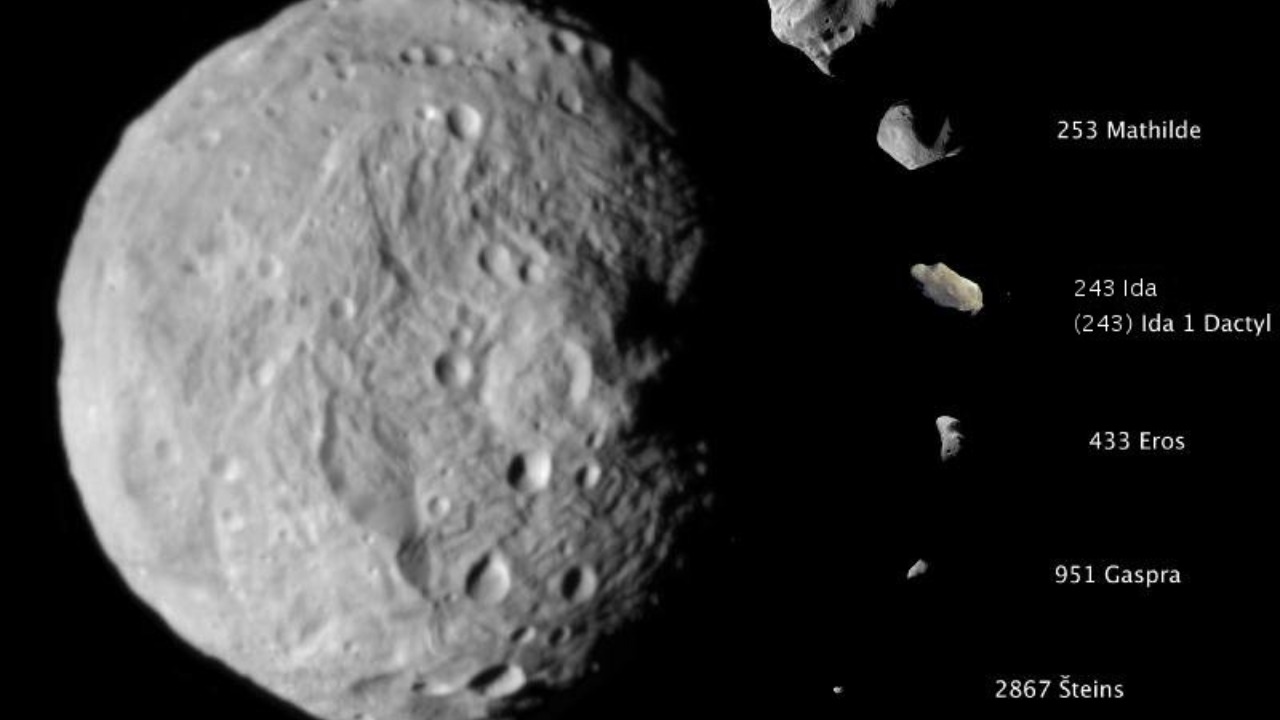
The discovery of this mineral offers new clues to the processes that govern asteroid formation. By studying its unique properties, scientists can gain a better understanding of the conditions that prevailed in the early solar system. The presence of rare elements within the mineral suggests that it may have formed in environments rich in volatile compounds, shedding light on the complex chemical reactions that occur during the formation of asteroids. This knowledge is crucial for developing models that accurately depict the evolution of these celestial bodies.
The implications of this discovery extend beyond asteroid formation to encompass planetary evolution and mineralogy. The mineral’s unique properties provide a window into the mineralogical diversity of planets, including Earth. By comparing this mineral to known terrestrial minerals, scientists can refine their models of planetary development and gain insights into the geological history of other planets and moons. This newfound knowledge may also inform future missions aimed at exploring the mineralogical composition of distant worlds, potentially revealing new facets of their evolution and habitability.
Furthermore, this mineral enriches our understanding of extraterrestrial geology. By examining its structure and composition, scientists can infer details about the geological history of other planets and moons in our solar system. Such insights are invaluable for assessing the potential habitability of these celestial bodies and for guiding future exploration efforts. This discovery, therefore, represents a significant step forward in our quest to understand the myriad geological processes that shape the universe.
Future Research Directions

The discovery of this new mineral underscores the importance of scientific exploration and international collaboration. Researchers from around the world are now working together to further study the mineral and the meteorite it was found in. This collaborative effort is crucial for gathering more data and for designing potential future missions that could yield additional insights. The sharing of knowledge and expertise across borders ensures that the scientific community can fully leverage the potential of this discovery.
Technological advancements play a pivotal role in enabling such discoveries, and future developments hold the promise of even greater breakthroughs. As instrumentation and analytical techniques continue to evolve, scientists will be better equipped to probe the mysteries of the cosmos. The development of more sophisticated tools will enhance our ability to study extraterrestrial minerals and to uncover the secrets they hold about the universe’s formation and evolution. This ongoing progress in technology will undoubtedly pave the way for new discoveries and applications.
The unique properties of the mineral also open up potential applications in various fields. Its unusual chemical composition and physical characteristics could inspire new materials for use in engineering or materials science. While commercial uses may be speculative at this stage, the mineral’s properties could one day lead to innovations in technology or industry. The potential for such applications highlights the broader impact of this discovery beyond the realm of scientific research.
Public and Scientific Community Reaction

The discovery has captured the attention of the public and media, with widespread coverage highlighting the excitement surrounding this scientific breakthrough. The role of science communication is crucial in raising awareness about such discoveries, helping to bridge the gap between complex scientific concepts and the general audience. By engaging the public’s imagination, this discovery not only informs but also inspires curiosity and a deeper appreciation for the wonders of the universe.
Within the scientific community, the discovery has sparked vibrant discussions and debates. Scientists are exploring the implications of this new mineral and considering how it might challenge or reinforce existing theories. While there may be differing opinions on the mineral’s significance, the overall consensus is one of enthusiasm and recognition of its potential to advance our understanding of planetary science. Such debates are a healthy aspect of scientific progress, driving further inquiry and exploration.
The educational opportunities presented by this discovery are also significant. By incorporating findings from this research into educational curricula, educators can inspire interest in mineralogy and planetary sciences among students. The mineral’s unique properties and the story of its discovery serve as compelling examples of the dynamic nature of scientific exploration, encouraging the next generation of scientists to pursue their curiosity and contribute to the expanding frontier of knowledge.
