In a groundbreaking achievement, scientists at King’s College London, in collaboration with Imperial College London, have successfully grown real human teeth in a laboratory setting. This pioneering work marks a significant milestone in regenerative medicine and could revolutionize dental care by offering a natural alternative to traditional implants and fillings.
The Science Behind Growing Human Teeth
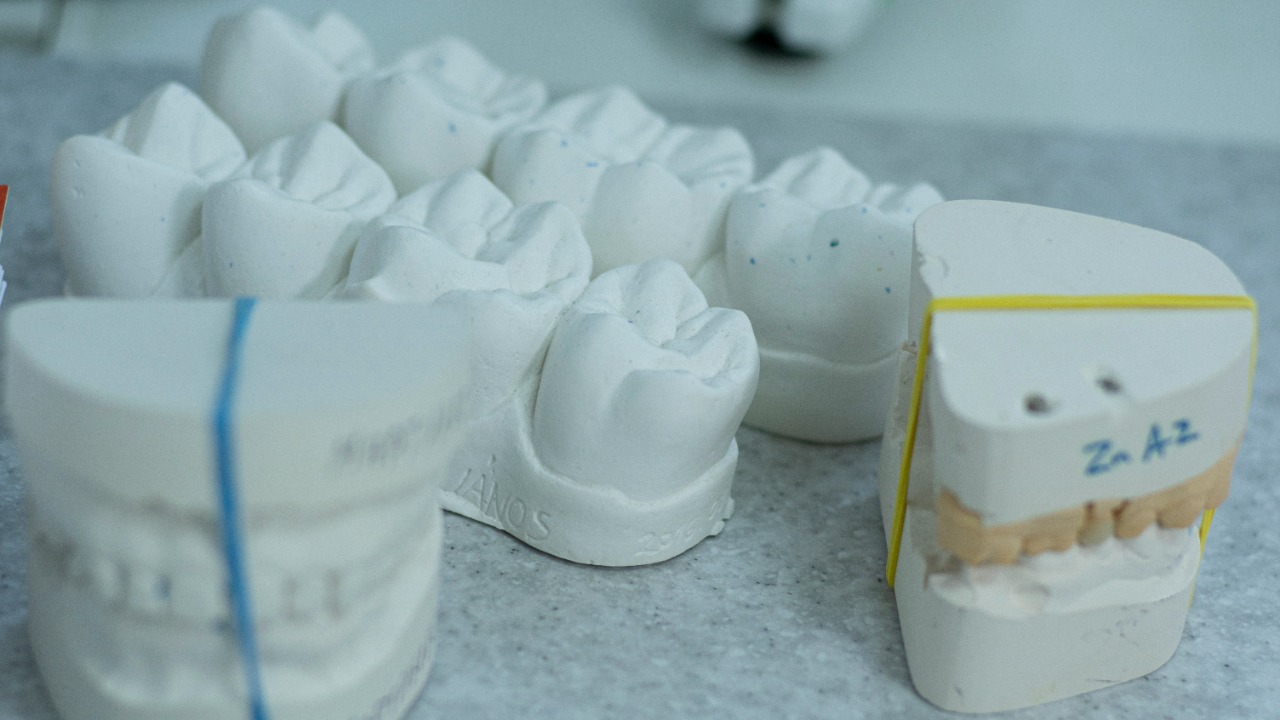
Understanding the biological processes involved in tooth development and regeneration is essential for this scientific breakthrough. Teeth formation, or odontogenesis, is a complex procedure involving the interaction of various cell types and signaling pathways. Researchers have harnessed this intricate biological dance to replicate the natural growth process of teeth in a lab environment.
Central to this achievement is the role of stem cells and tissue engineering. By isolating and manipulating dental stem cells, scientists have been able to guide their development into fully formed teeth. This process is supported by advanced tissue engineering techniques, which provide the necessary scaffold and environment for cells to grow and differentiate effectively. Furthermore, cutting-edge technologies, such as CRISPR and 3D bioprinting, have been instrumental in overcoming the challenges of replicating the intricate structure of human teeth.
The Collaboration Between King’s College London and Imperial College London
The partnership between King’s College London and Imperial College London has been pivotal to the success of this project. By combining their expertise in dentistry, stem cell research, and bioengineering, the teams have achieved what was once thought impossible. This collaboration has been in progress for several years, with each institution contributing its unique strengths to the endeavor.
The research timeline is marked by key milestones, including the initial identification of suitable stem cell types, the development of a supportive growth environment, and the successful differentiation of these cells into dental tissues. The project has received substantial funding and resources from both public and private sectors, underscoring the importance and potential impact of this innovative work.
Implications for Dental Care and Oral Health
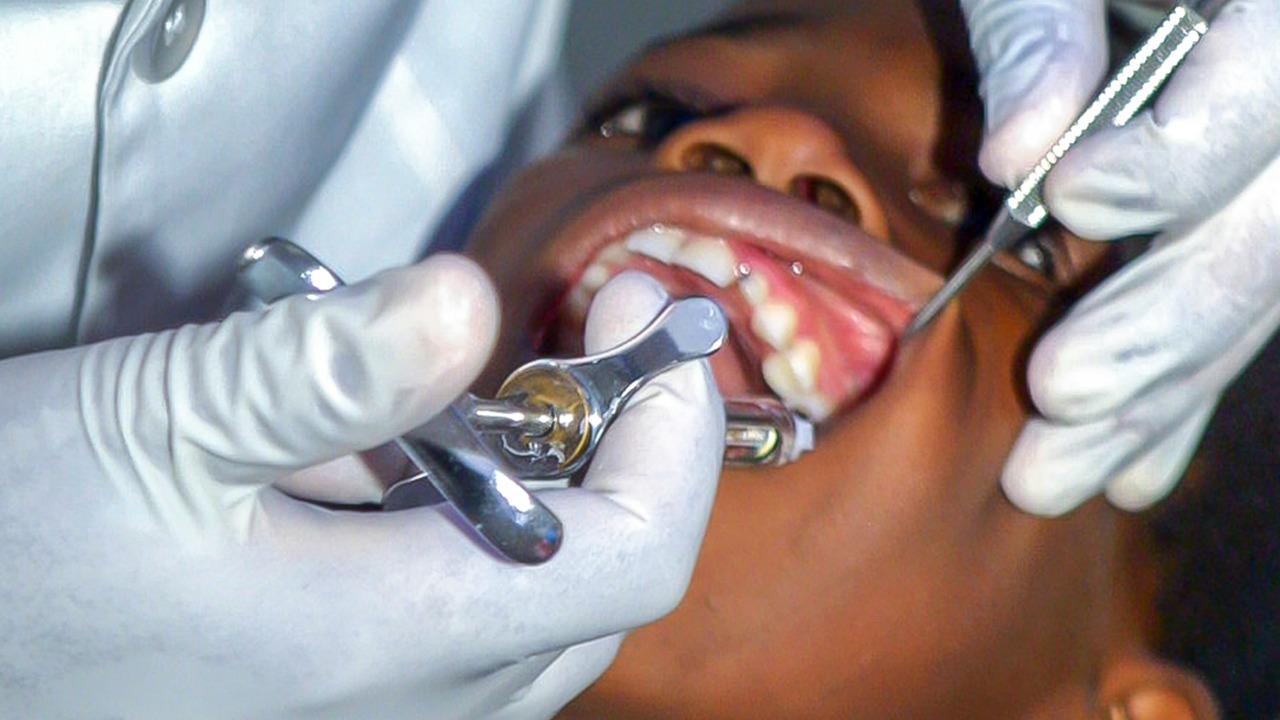
The successful growth of human teeth in a lab setting has profound implications for dental care and oral health. Traditional dental implants and fillings, while effective, come with limitations such as potential rejection or failure. Lab-grown teeth offer a natural alternative that could significantly enhance patient experiences by providing a more seamless integration with existing dental structures.
Moreover, the potential benefits extend beyond aesthetics and functionality. Lab-grown teeth could lead to a reduction in the need for invasive dental procedures, offering a less painful and more efficient approach to addressing dental issues. This advancement could also play a crucial role in preventive care strategies, as it allows for the early intervention and replacement of damaged or decayed teeth before more serious complications arise.
Challenges and Ethical Considerations
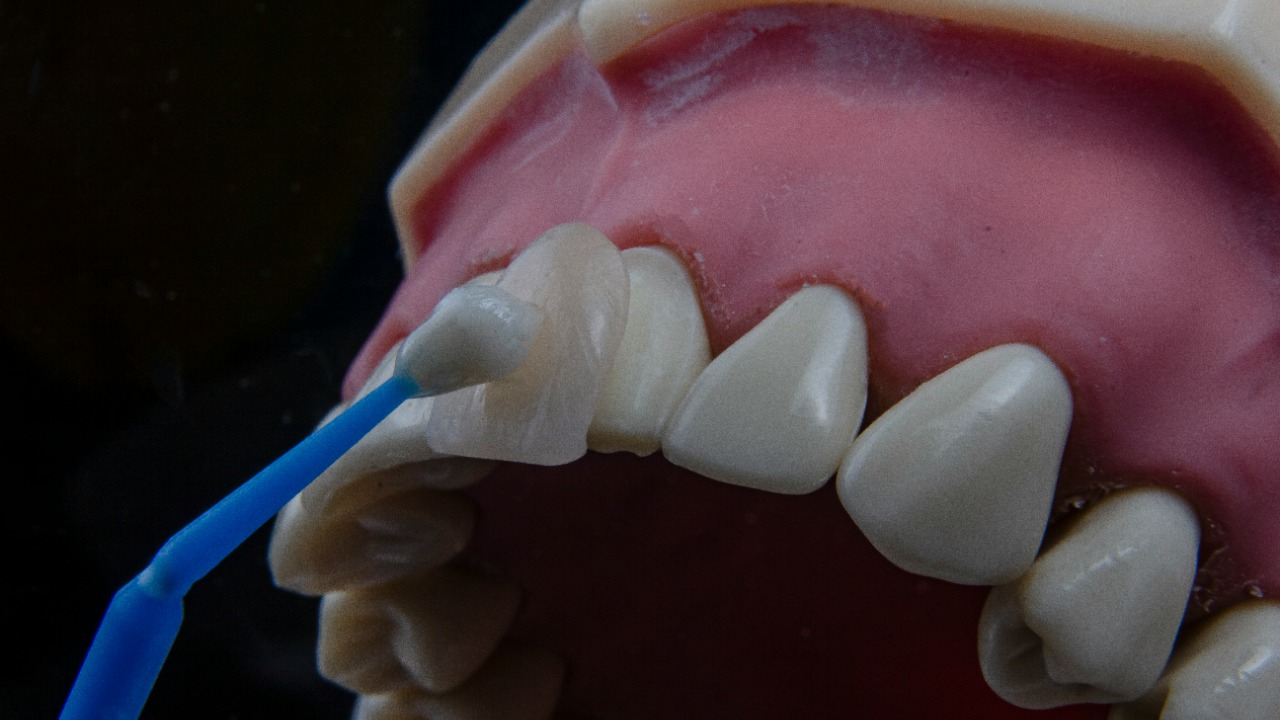
Despite the promising nature of this research, several technical and scientific challenges remain. Replicating the complex architecture and composition of natural teeth in a lab setting is a formidable task, requiring precise control over cell growth and differentiation. Additionally, scaling this technology for widespread clinical use poses significant logistical hurdles.
Ethical considerations are also at the forefront of this research, particularly regarding the use of human cells in laboratory settings. Questions about consent, privacy, and the potential for commercial exploitation of human biological materials must be carefully navigated. Furthermore, regulatory hurdles present another layer of complexity, as comprehensive testing and approval processes are necessary before lab-grown teeth can be made available to patients.
Future Directions and Research Opportunities
The success of this project opens up numerous avenues for further research and development in the field of dental tissue engineering. Future studies could focus on refining the techniques used to grow teeth, improving their durability, and ensuring their long-term functionality. Additionally, this advancement sets the stage for exploring the possibility of growing other human tissues and organs in a laboratory setting.
The implications for regenerative medicine are vast, with the potential to transform healthcare by offering new solutions for tissue and organ replacement. As research progresses, it is crucial to maintain a focus on ethical considerations and ensure that these innovations are accessible and beneficial to all. The future of regenerative medicine holds exciting possibilities, promising a new era of personalized and effective healthcare solutions.
