
In a breakthrough that could reshape our understanding of biology, scientists have successfully cultivated an “immortal” jellyfish species in a lab. This endeavor not only opens new avenues in the field of aging and longevity but also provides a unique perspective on the biological mechanisms that govern life itself.
Understanding the Immortal Jellyfish
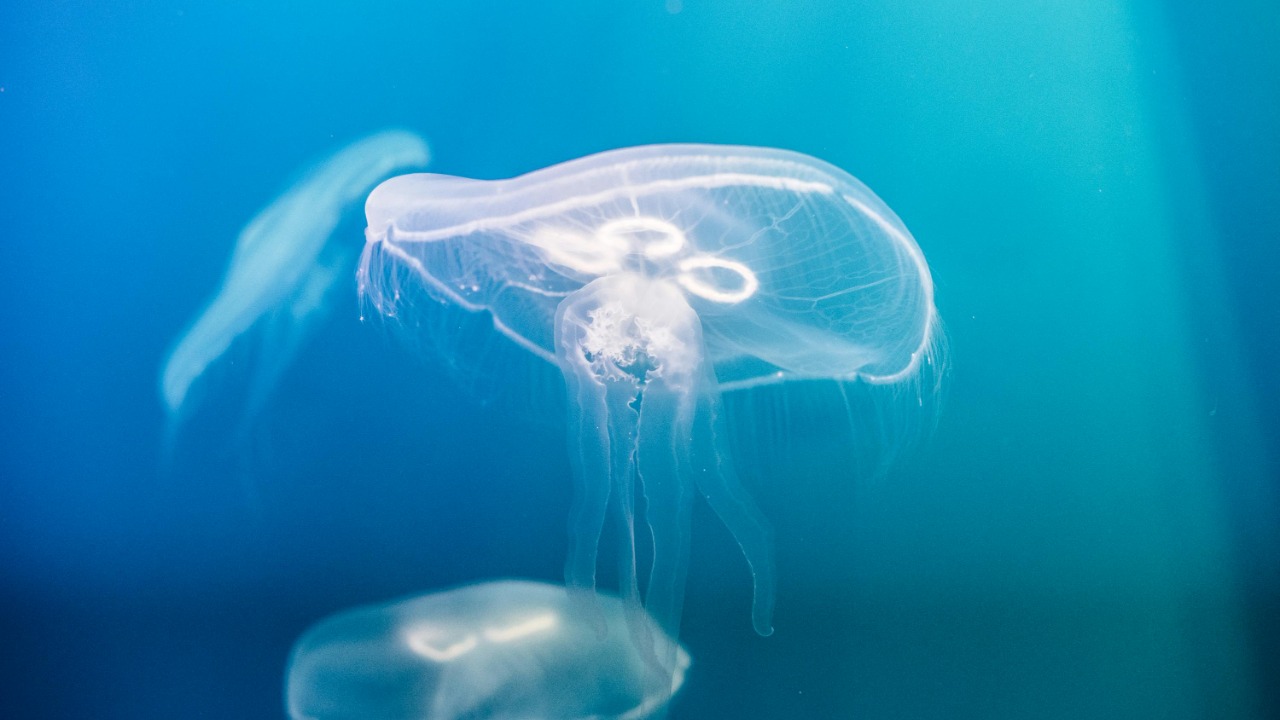
Meet the Turritopsis dohrnii, a creature that has earned the enviable title of the ‘immortal’ jellyfish. Unlike the majority of living organisms, this jellyfish has an astonishing ability to revert its cells back to their earliest form and grow anew, effectively resetting its own biological clock. This extraordinary cycle allows the creature to bypass death, rendering it potentially immortal under natural conditions.
The immortal jellyfish’s unique life cycle has sparked interest among researchers studying human aging and longevity. Understanding the biological mechanisms that enable this creature’s immortality could potentially unlock new insights into human aging and pave the way for revolutionary longevity treatments.
The Role of Telomeres in Cellular Aging
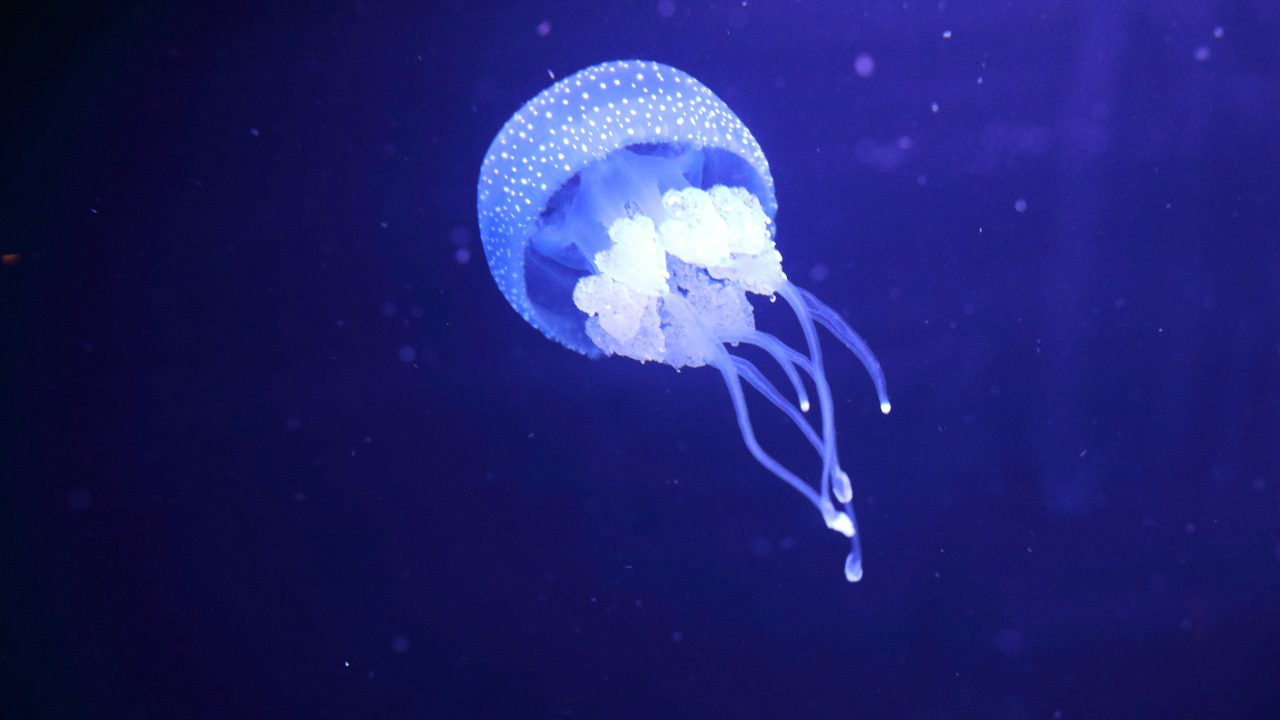
The ends of chromosomes, known as telomeres, play a crucial role in cellular aging. These structures act akin to the plastic tips of shoelaces, preventing chromosomes from fraying or sticking to each other. With each cell division, these telomeres shorten, eventually causing the cell to stop dividing and die, which is a key aspect of aging.
However, an enzyme named telomerase can extend the length of these telomeres, potentially delaying cellular aging. This telomerase activity is particularly high in the immortal jellyfish, which could be a key factor in its unique regenerative abilities.
Replicating Immortality in the Lab

Growing the immortal jellyfish in a lab environment is no easy task, requiring careful management of conditions to ensure the creature’s survival and successful regeneration. Despite the challenges, scientists have managed to cultivate this intriguing organism, providing a unique opportunity to study its regenerative processes up close.
The research carried out on these lab-grown jellyfish could have profound implications for understanding cellular regeneration and immortality. With further study, it could potentially contribute to advancements in regenerative medicine, offering hope for treatments that can repair or replace damaged human tissues and organs.
Cancer, Aging, and Immortality
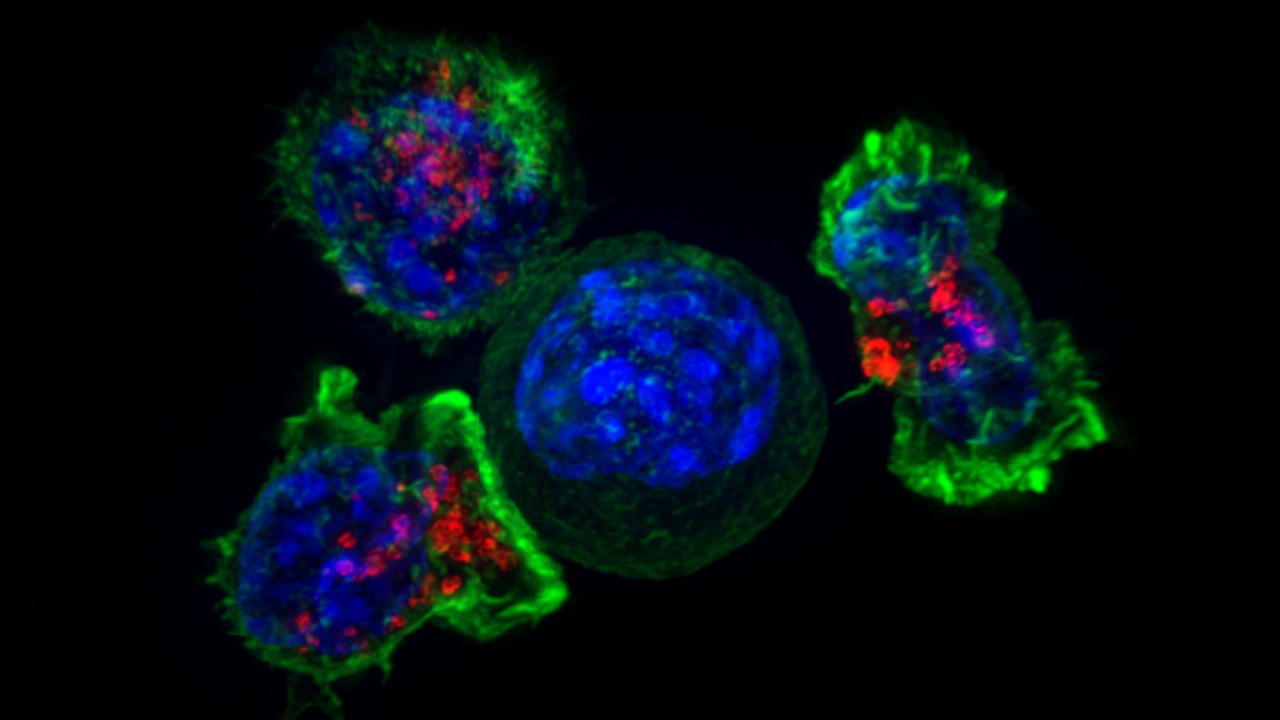
While the pursuit of immortality may seem intriguing, it’s not without its risks. In fact, there’s a paradoxical relationship between cellular immortality and cancer. The same biological mechanisms that enable cells to divide indefinitely also lead to uncontrolled cell growth, a hallmark of cancer.
Indeed, the role of telomeres and cellular aging in cancer formation is well-established. As such, while the study of creatures like the immortal jellyfish could offer insights into prolonging human life, it also raises important ethical considerations. The potential risks associated with immortality research must be carefully weighed against the potential benefits.
Other Immortal Creatures and What They Teach Us
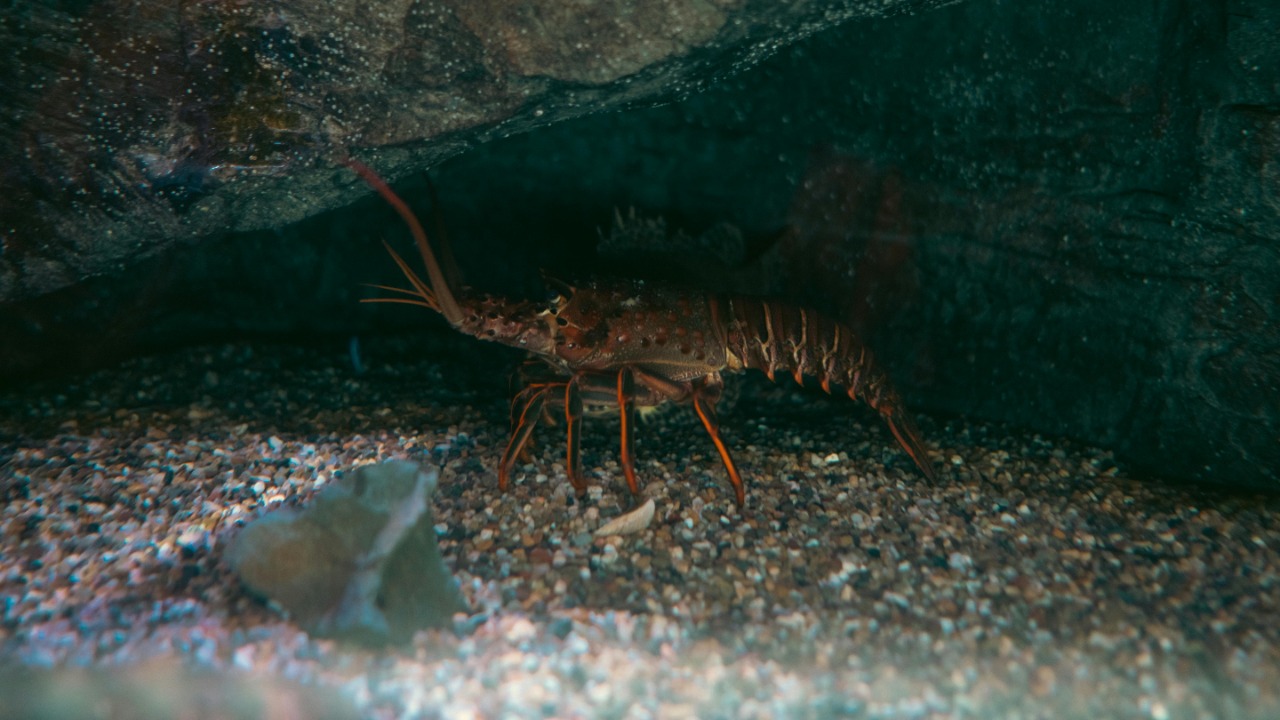
The immortal jellyfish isn’t the only creature known for its impressive longevity. Certain species of lobsters, for example, display negligible senescence – the gradual deterioration associated with aging. Similarly, some species of turtles are known for their extended lifespans.
These long-lived creatures can offer valuable lessons about aging and longevity. By studying their unique biological traits, we can potentially apply these insights to human health and longevity. This cross-species learning could hold the key to understanding and overcoming the biological barriers to extended human life.
Future Directions for Immortality Research

The field of immortality research is still in its infancy, but the prospects are promising. Our growing understanding of telomeres, cellular aging, and the biology of creatures like the immortal jellyfish could significantly impact healthcare and medicine.
However, as we move closer to potentially extending human life, it’s important to consider the societal and ethical implications of such advancements. Issues such as overpopulation, resource allocation, and the quality of extended life must be considered. As we continue to explore the mysteries of life and death, the immortal jellyfish serves as a reminder of the delicate balance that governs all life.
