A recent discovery beneath an ancient pyramid in Mexico has left archaeologists and scientists intrigued and puzzled. An unidentified liquid has been found in a hidden chamber, sparking questions about its origins and significance. This finding could provide new insights into the rituals and practices of ancient civilizations, transforming our understanding of their complex societies.
The Discovery of the Unidentified Liquid
The excavation process that led to the discovery of the liquid was both meticulous and methodical. Archaeologists were conducting a routine exploration of the pyramid’s lower levels when they stumbled upon a sealed chamber. Upon carefully opening this hidden room, they found a pool of mysterious liquid that has since captured the attention of the scientific community. The initial reactions from the archaeological team were a mix of excitement and curiosity, as the presence of such a substance in a sealed environment raises numerous questions about the practices and technologies of the ancient builders.
The chamber, located deep within the pyramid’s substructure, is an architectural marvel in its own right. Its precise construction and strategic concealment suggest it was of significant importance to the ancient civilization. Speculations abound regarding whether the chamber was used for ritualistic purposes or served as a repository for sacred materials. The discovery of the liquid adds another layer of intrigue, prompting researchers to consider its potential significance in the context of the pyramid’s construction and use.
The Mysterious Composition of the Liquid
To unravel the mystery of the liquid’s composition, scientists are employing advanced analysis techniques. These methods include spectrometry and chromatography, which allow them to identify the chemical components of the liquid with precision. Initial tests have already indicated the presence of elements that are unusual for the region, further deepening the mystery. This discovery echoes a similar finding of liquid mercury in another Mexican pyramid, suggesting a potentially widespread practice among ancient civilizations.
Comparisons with other substances found in similar archaeological contexts are crucial for developing a comprehensive understanding of the liquid’s purpose. Researchers are examining whether this liquid shares properties with materials used in ancient embalming, preservation, or ceremonial practices. There are several theories about the liquid’s function, ranging from its use as a preservative for important artifacts to its role in religious or spiritual ceremonies. Each theory offers a unique perspective on the potential significance of the find.
Historical Context of the Pyramid
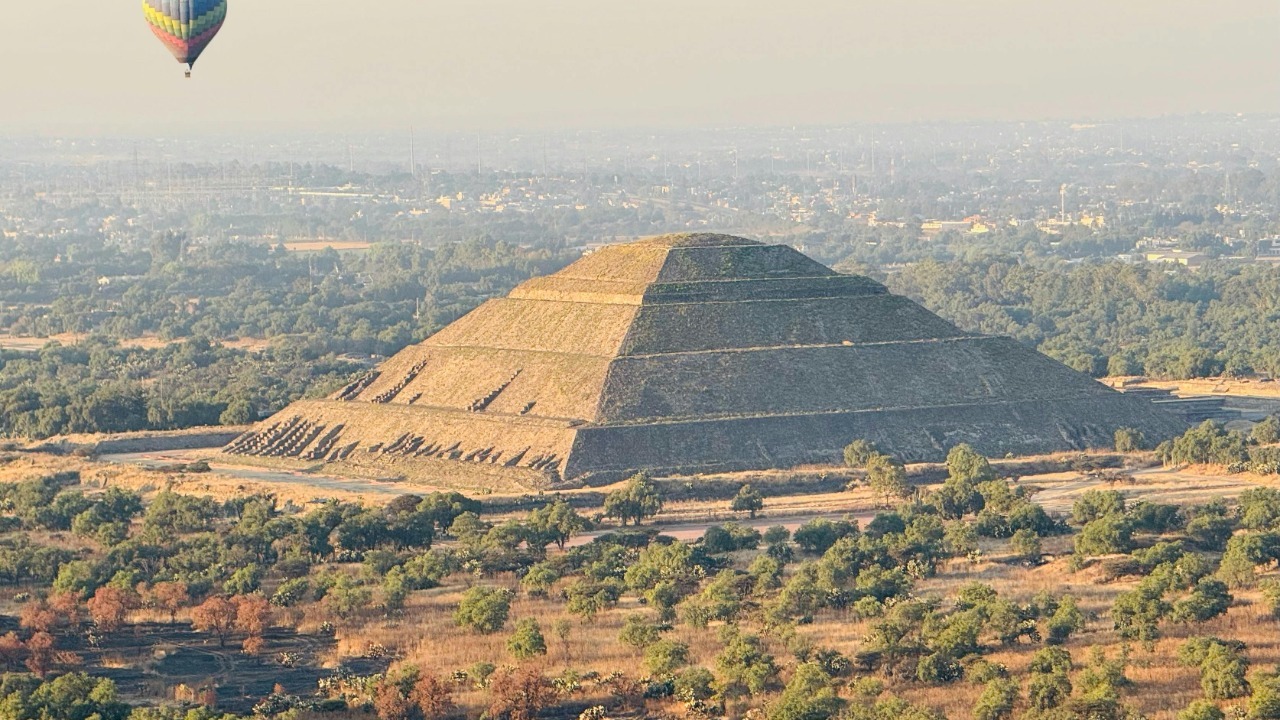
The pyramid itself holds a rich history, standing as a testament to the architectural and cultural achievements of ancient Mexican civilizations. It has long been a site of interest for historians and archaeologists, providing insights into the societal structures and religious practices of its builders. Previous archaeological findings at this site have included intricate carvings, valuable artifacts, and other elements that have shed light on the civilization’s way of life.
Understanding the historical context of the pyramid is essential for interpreting the significance of the liquid discovery. The civilization that constructed the pyramid was known for its sophisticated understanding of engineering, astronomy, and religious symbolism. Consequently, this find could reveal new aspects of their culture, adding depth to our knowledge of their daily lives and spiritual beliefs. The discovery may even redefine our understanding of their technological capabilities and the extent of their scientific knowledge.
Implications for Understanding Ancient Civilizations
The discovery of the unidentified liquid holds the potential to reshape our knowledge of ancient rituals and practices. If the liquid is determined to have a ceremonial or religious purpose, it could provide valuable insights into the spiritual beliefs and customs of the civilization that built the pyramid. Such findings could also influence future archaeological research methods, prompting scientists to explore hidden chambers and sealed environments more thoroughly in search of similar discoveries.
This find connects to other mysterious findings in ancient sites around the world, suggesting a possible exchange of ideas and practices among ancient cultures. The presence of such a substance in a pyramid in Mexico might indicate broader patterns of ritualistic behavior or technological innovation. As researchers continue to study the liquid, they may uncover links to other enigmatic discoveries, such as the mysterious liquid found under the Gateway to the Underworld in Mexico, further enriching our understanding of ancient societies.
Challenges and Controversies
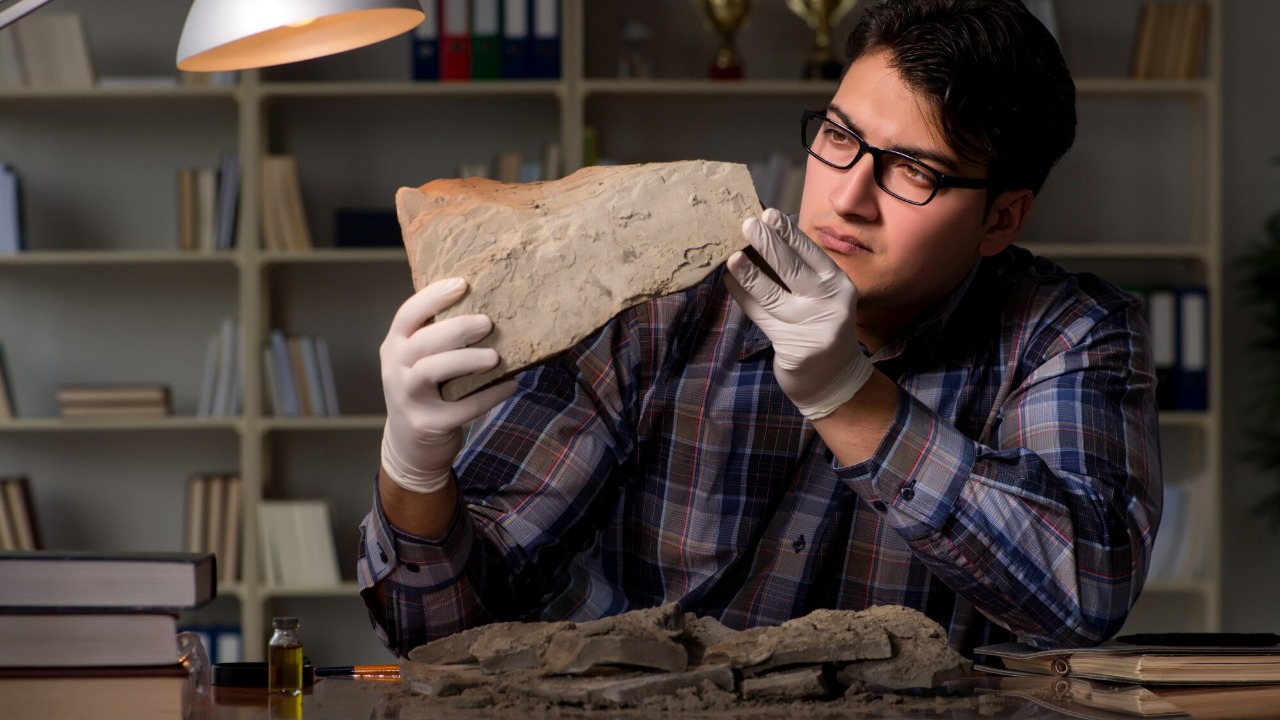
Preserving and studying the liquid presents significant challenges for researchers. The delicate nature of the substance requires careful handling to prevent contamination or degradation, which could compromise the integrity of the findings. Additionally, the interpretation of the liquid’s significance is subject to debate among experts, with differing opinions on its purpose and implications. These debates highlight the complexity of archaeological research and the importance of interdisciplinary collaboration in uncovering the truth.
There are also ethical considerations to address when handling and publicizing such discoveries. The need to respect the cultural heritage and beliefs of the people who constructed the pyramid is paramount, and researchers must navigate these issues with sensitivity and care. The publicization of the discovery also raises questions about the potential impact on tourism and local communities, underscoring the need for responsible and respectful dissemination of information.
Future Research and Exploration
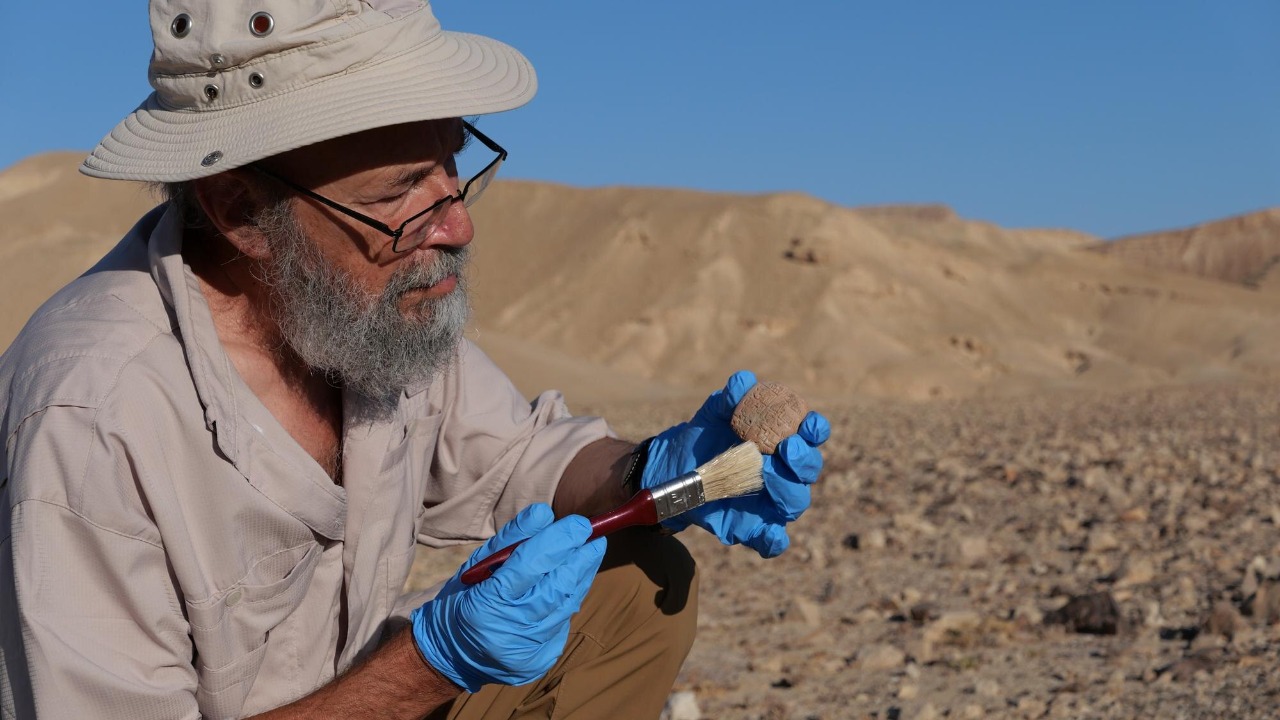
Future studies and experiments are planned to further investigate the liquid and its properties. Researchers are eager to employ new technologies and methodologies to delve deeper into the mystery, with the hope of uncovering definitive answers. The use of cutting-edge technology, such as non-invasive imaging and enhanced chemical analysis, will play a crucial role in these efforts, offering new ways to explore and understand ancient structures and their hidden secrets.
The prospects for uncovering similar finds in other archaeological sites are promising, as this discovery may inspire a renewed interest in exploring sealed chambers and hidden rooms. The potential for new discoveries extends beyond Mexico, with ancient sites around the world holding the possibility of revealing secrets that have remained buried for centuries. As researchers continue their work, the mystery of the unidentified liquid may eventually be solved, offering a glimpse into the past and enriching our understanding of human history.
For more information on similar archaeological finds, you can explore the discovery of liquid mercury in Mexican pyramids, which could hold secrets to the ancient city of Teotihuacan.
