Scientists have recently made a groundbreaking discovery of a second core within Earth, challenging our understanding of the planet’s internal structure. This new revelation could significantly alter our insights into Earth’s formation, evolution, and geodynamic processes. Researchers are now delving into the implications of this hidden structure, which may hold the key to understanding various geological phenomena.
The Discovery of Earth’s Second Core
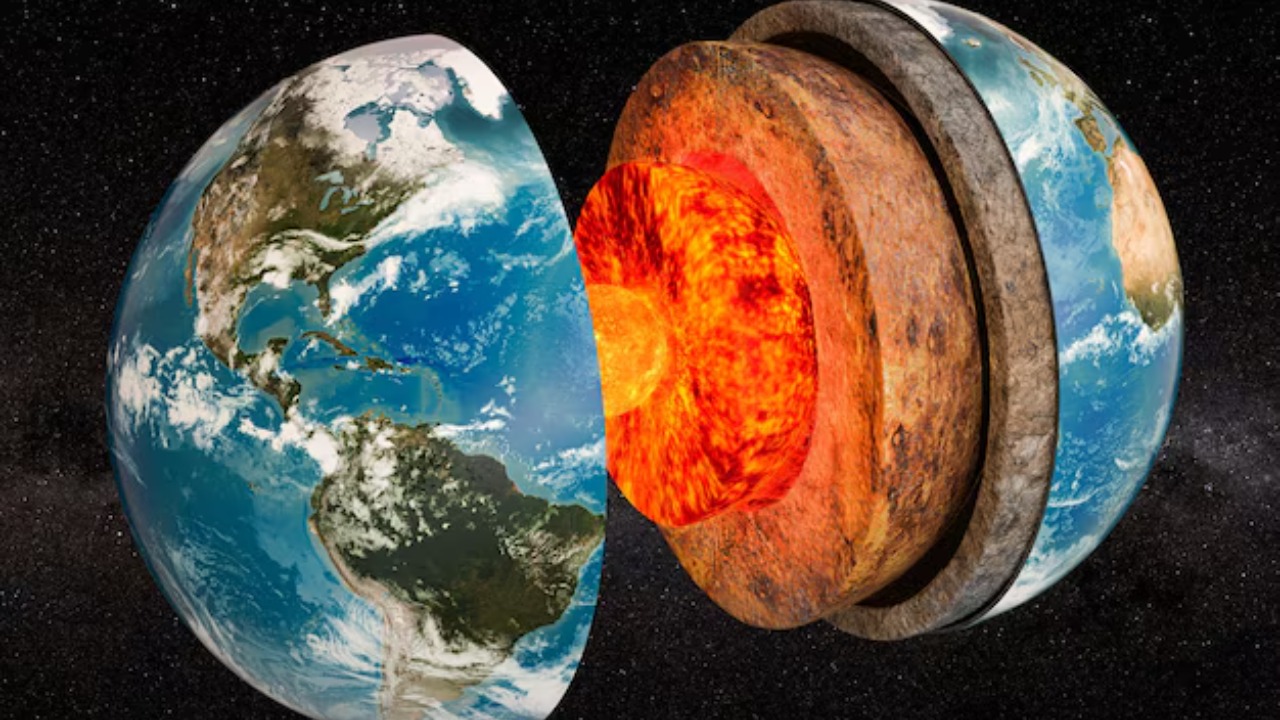
The exploration of seismic data has been pivotal in revealing the presence of a second core within Earth. Researchers have noticed unusual patterns in seismic waves that suggest the existence of a distinct inner core. These patterns were identified using highly sensitive equipment that detects even the slightest variations in wave propagation as they traverse through Earth’s layers.
The role of advanced technology in this discovery cannot be overstated. Techniques such as 3D imaging and seismic tomography have enabled scientists to visualize and confirm the presence of this hidden structure. These methods provide a detailed, three-dimensional view of Earth’s interior, allowing for greater accuracy in identifying anomalies and structural variations.
Collaboration among scientists worldwide has been crucial in confirming these findings. International teams have worked together to cross-verify results, ensuring the accuracy and reliability of this revolutionary discovery. This global effort highlights the importance of shared knowledge and resources in advancing our understanding of Earth’s inner workings.
Implications for Earth’s Geodynamics
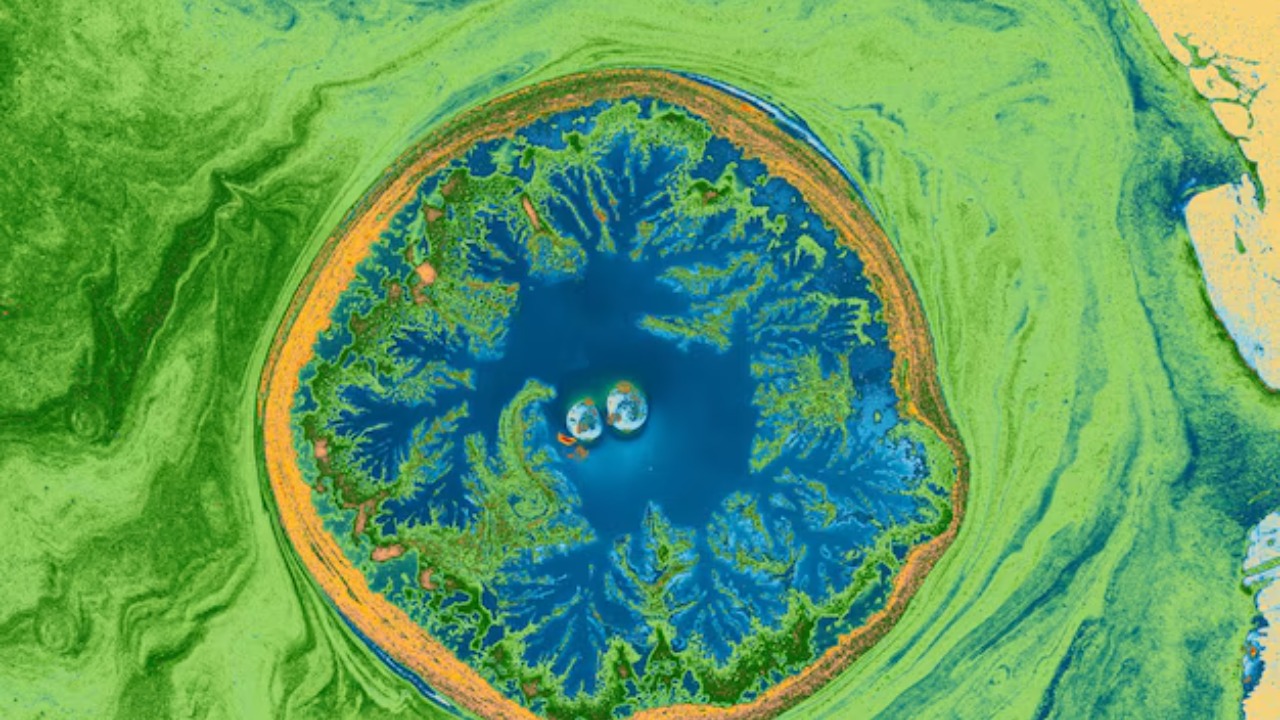
The presence of a second core within Earth could have profound implications for our understanding of the planet’s magnetic field. The second core may play a significant role in influencing Earth’s magnetism and the geodynamo process. This process is responsible for generating Earth’s magnetic field, and any additional structural complexity could alter our existing models.
Furthermore, this discovery might impact our understanding of mantle convection, the process responsible for heat flow and material movement within Earth’s mantle. A second core could indicate variations in heat distribution, potentially affecting mantle dynamics and, consequently, tectonic and volcanic activity.
The implications extend to tectonic activity as well. The presence of a second core could provide new insights into variations in plate tectonics and volcanic activity. Understanding these processes is crucial for predicting geological events and mitigating their impacts on human societies.
Revisiting Earth’s Formation and Evolution
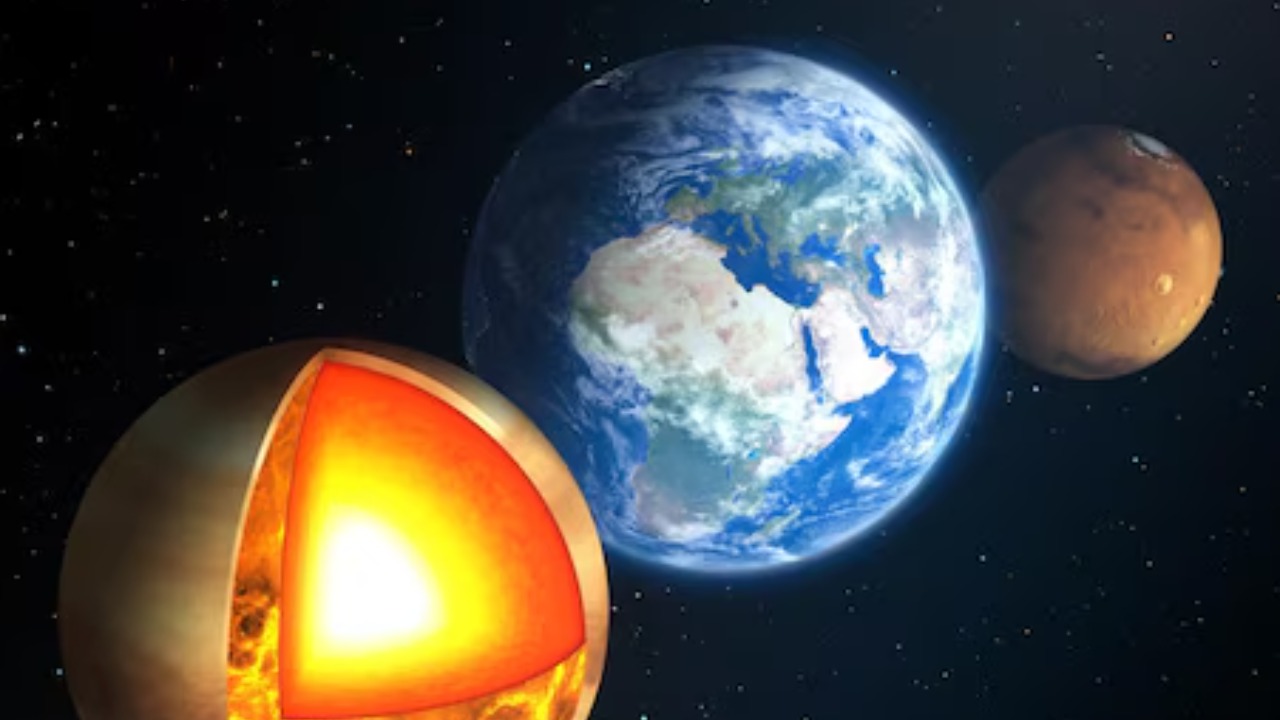
The discovery of a second core challenges existing theories on planetary formation. Traditional models may need to be revised to account for this newfound complexity, suggesting alternative scenarios for Earth’s formation and early development.
This revelation also prompts a reevaluation of Earth’s evolutionary timeline. Understanding when and how this second core formed could reshape our perception of key events in Earth’s geological history, such as the differentiation of layers and the development of the magnetic field.
Speculations about Earth’s future evolution also come into play. The long-term implications of this discovery could influence our understanding of geological and environmental changes, potentially affecting predictions about Earth’s future climate and habitability.
Challenges and Future Research Directions
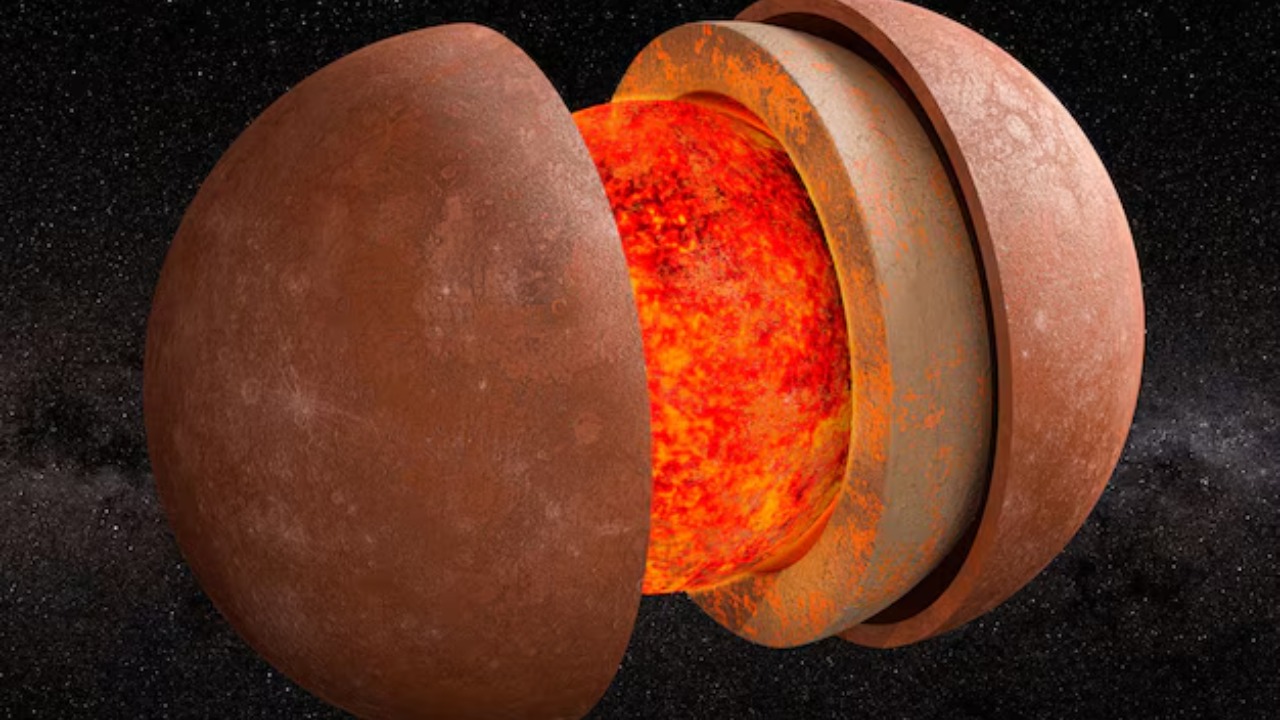
Studying Earth’s deep interior presents numerous technical challenges. Probing into the planet’s layers requires sophisticated technology capable of withstanding extreme conditions. Future advancements in these technologies are essential to further explore and understand the second core and its implications.
Despite this groundbreaking discovery, many questions remain unanswered. Key mysteries and phenomena related to Earth’s inner structure continue to spur scientific inquiry. Ongoing research is necessary to resolve these uncertainties and deepen our understanding of Earth’s geodynamics.
Global collaboration remains vital in advancing our knowledge of Earth’s inner structure. International efforts and initiatives are crucial for pooling resources and expertise, enabling a more comprehensive investigation into the planet’s hidden depths.
Potential Impacts on Other Scientific Fields
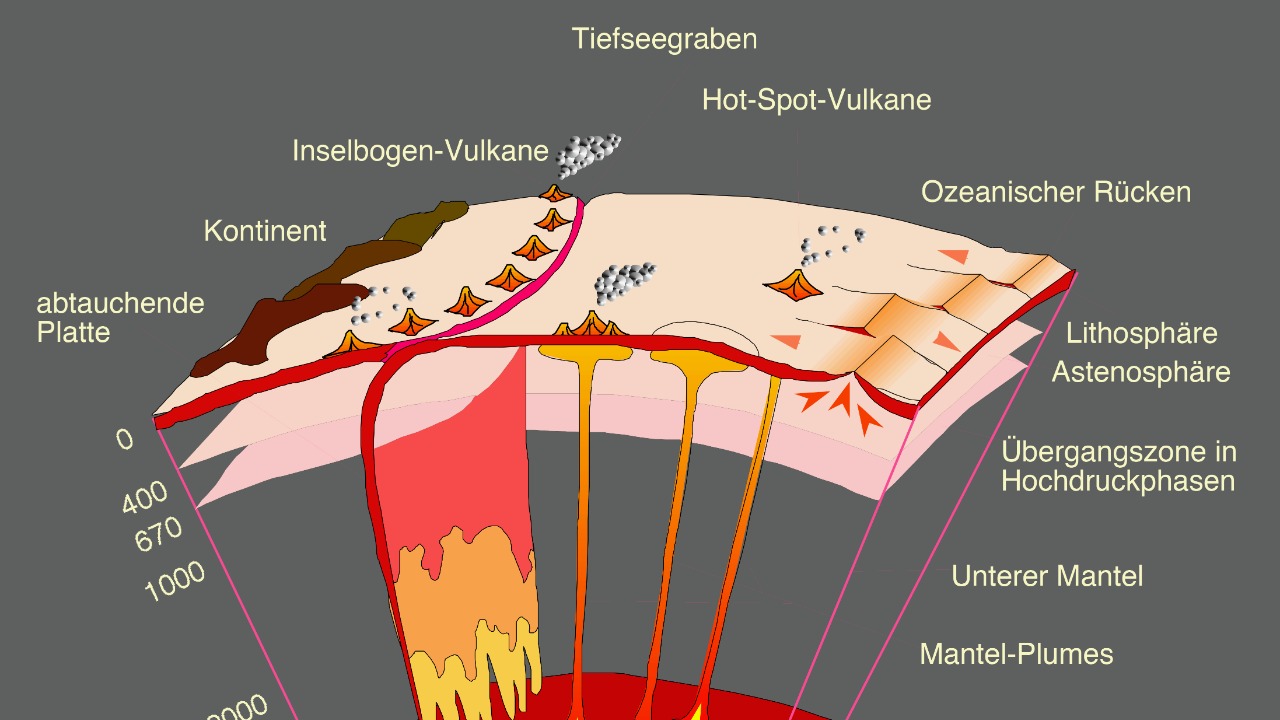
The discovery of a second core within Earth is poised to influence research across various scientific disciplines. In geophysics and Earth sciences, this finding could reshape ongoing studies and theories related to Earth’s internal structure and dynamics.
Comparative planetology may also benefit from these insights. Understanding Earth’s inner workings can provide valuable perspectives on the internal structures of other celestial bodies, enhancing our knowledge of planetary formation and evolution across the solar system.
The potential connections between Earth’s inner dynamics and surface environmental conditions could also impact climate science and environmental studies. Exploring these links may yield new insights into the complex interactions between Earth’s interior and its climate system.
