Geologists have unearthed a monumental discovery in Australia: the world’s largest iron deposit, valued at a staggering $6 trillion. This colossal find, the largest iron ore deposit ever discovered, could dramatically alter international trade dynamics, particularly in the context of the escalating US-China rivalries. The discovery has sparked a geopolitical firestorm, with the potential to disrupt the global economy on an unprecedented scale.
The Scale of the Discovery
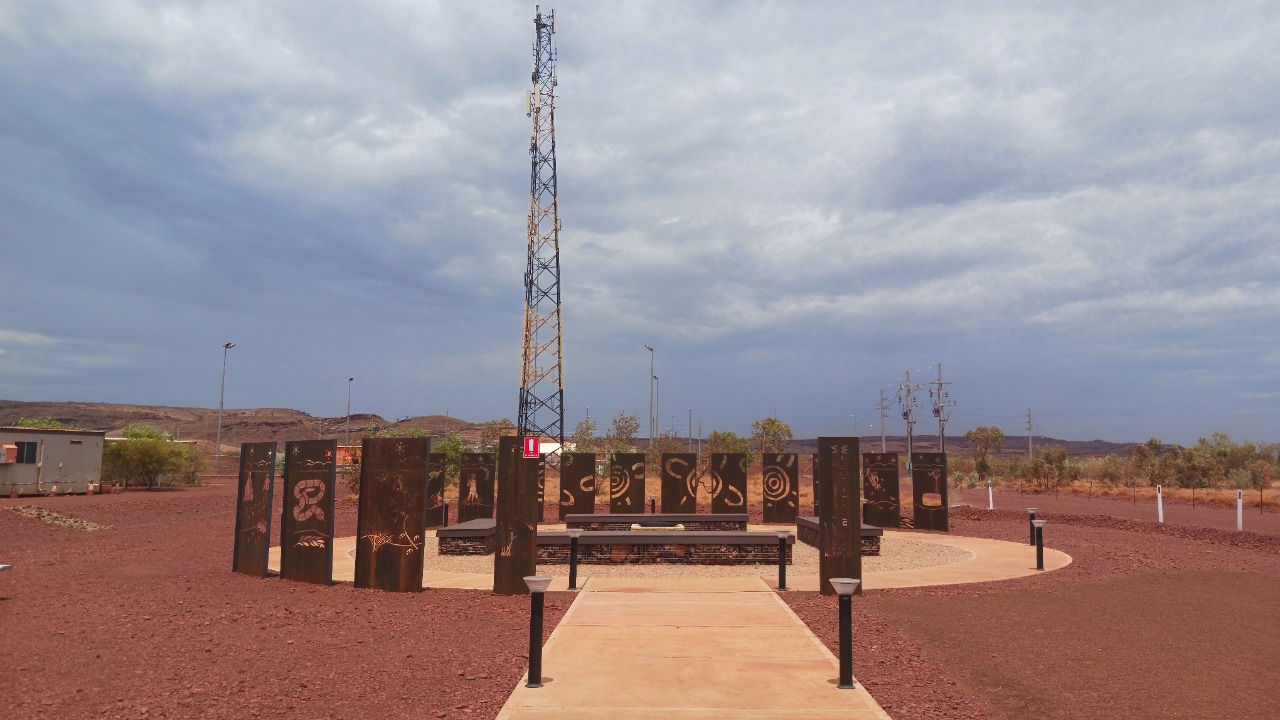
Described as the world’s largest iron deposit, this discovery is a testament to the relentless pursuit of knowledge by geologists. The sheer scale of the find is unparalleled, with no other known iron ore deposit coming close in size or value (MSN). The deposit is not just the largest iron ore deposit, but also the largest iron ore mine ever discovered (Economic Times).
The magnitude of this discovery is not only measured in terms of its physical size but also in terms of its potential impact on the global iron ore industry. The deposit holds an estimated 30 billion tonnes of iron ore, which is enough to sustain global iron ore production for more than a century at current rates (MSN). This is a significant increase in the world’s known iron ore reserves, which stood at around 170 billion tonnes before this discovery. The deposit’s size and quality also mean that it could potentially produce high-grade iron ore, which is in high demand in the global steel industry (Economic Times).
Location in Australia
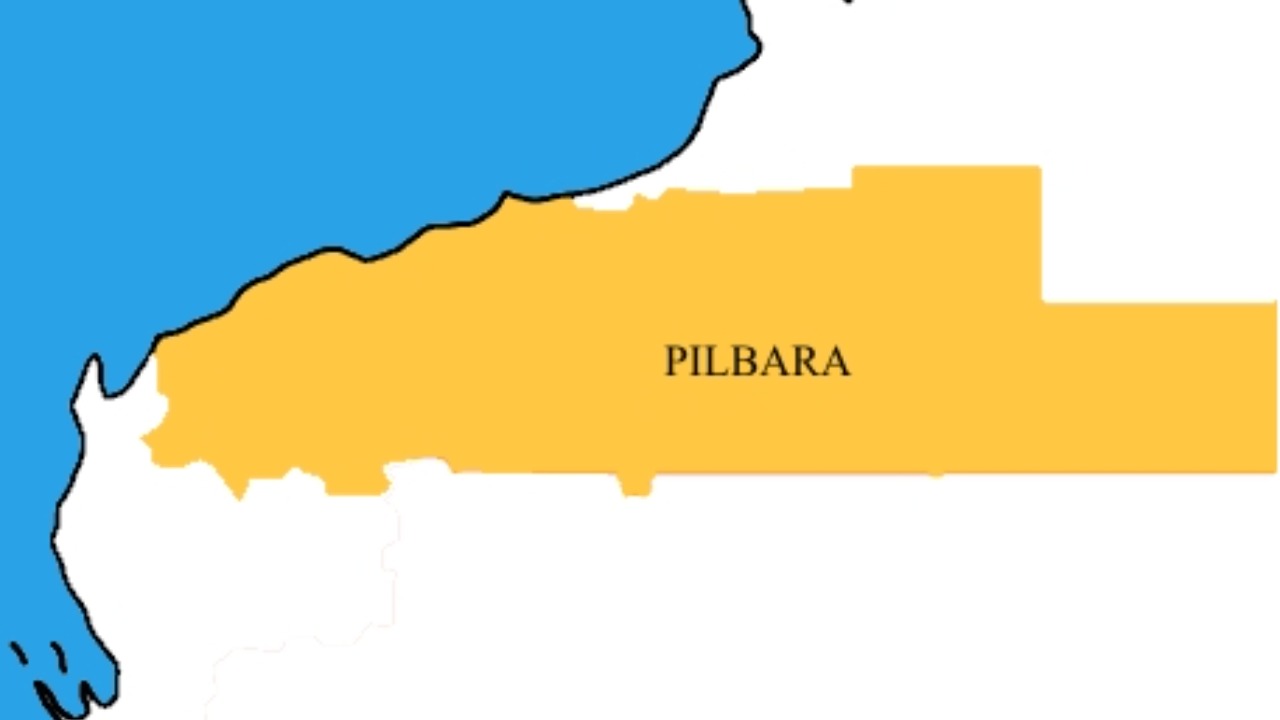
The iron ore deposit was found in Australia, a country already known for its rich natural resources (The Express). This discovery could potentially make Australia an unstoppable force in global markets, further enhancing its dominance in resource supply (Economic Times). The find is positioned to significantly boost Australia’s resource dominance, potentially reshaping the global resource landscape (Indian Defence Review).
The deposit is located in the Pilbara region of Western Australia, an area already known for its vast iron ore mines. The region is home to some of the world’s largest iron ore producers, including Rio Tinto and BHP Billiton, and this new discovery could further cement its status as a global iron ore hub (The Express). The deposit’s location also has strategic implications, as it is close to key Asian markets, including China, which is the world’s largest consumer of iron ore. This could potentially give Australia a significant advantage in terms of transportation costs and delivery times (Economic Times).
Valuation and Economic Value

The iron deposit is worth an estimated $6 trillion, a figure that underscores its massive economic potential (MSN). This valuation is not just about the monetary worth of the iron ore deposit, but also the potential economic value it represents for Australia and the global economy (The Express). The $6 trillion find could have far-reaching implications for the global economy, potentially reshaping international supply chains and trade dynamics (Economic Times).
The $6 trillion valuation of the deposit is based on current iron ore prices, which have been buoyed by strong demand from China and supply disruptions in other major producing countries. However, the actual economic value of the deposit could be much higher, as it takes into account the potential revenues from iron ore sales over the life of the mine, as well as the indirect benefits to the Australian economy, such as job creation and infrastructure development (MSN). The discovery could also have a significant impact on Australia’s trade balance, as iron ore is the country’s largest export commodity, accounting for around 20% of total exports (The Express).
Global Economic Disruption

The discovery is poised to disrupt the global economy, potentially altering worldwide economic structures (Indian Defence Review). The $6 trillion iron find has the potential to reshape international supply chains, creating a ripple effect that could be felt across various sectors of the global economy (Sustainability Times).
The discovery could lead to a shift in the global iron ore market, with Australia potentially becoming an even more dominant player. This could disrupt the current market dynamics, which are characterized by a handful of large producers, including Brazil’s Vale and Australia’s Rio Tinto and BHP Billiton. The increased supply from Australia could put downward pressure on iron ore prices, which could have a ripple effect on the global steel industry and other related sectors (Indian Defence Review). Moreover, the discovery could also impact the economies of other iron ore producing countries, as they may face increased competition and potentially lower revenues (Sustainability Times).
Geopolitical Implications
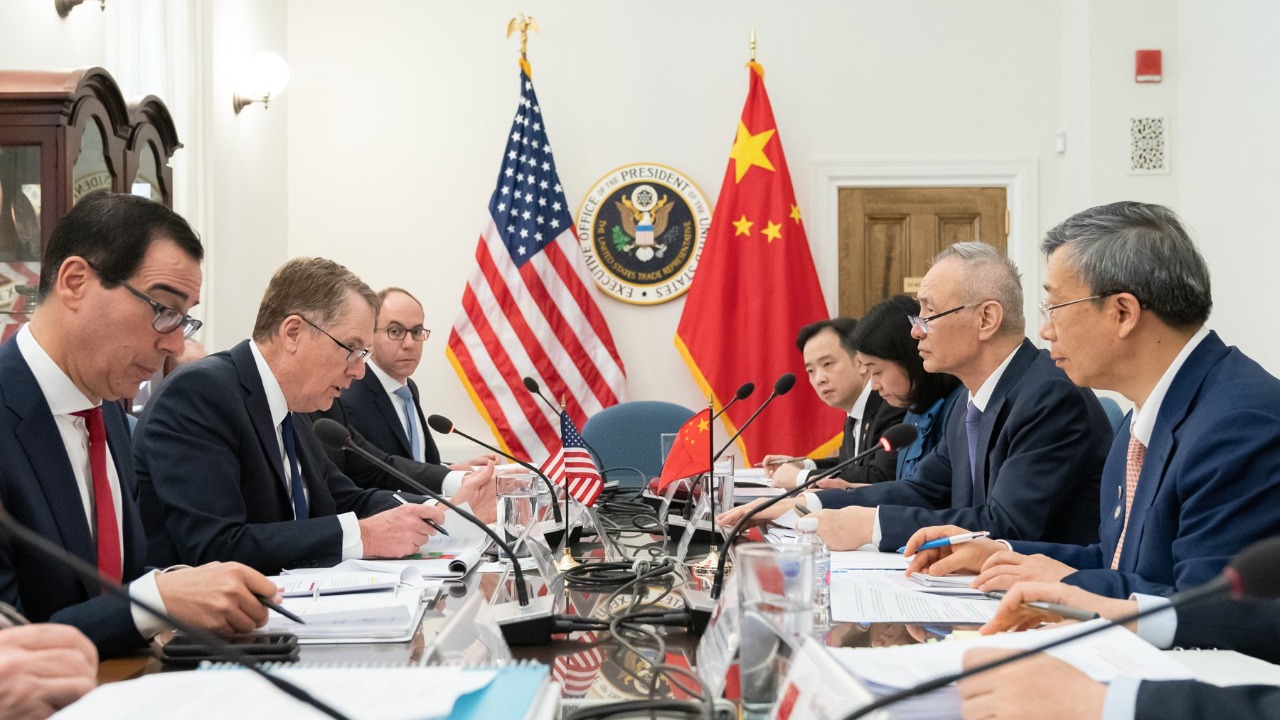
The discovery could have significant geopolitical implications, as iron ore is a key input in the production of steel, which is a critical material for many industries, including construction, automotive, and defense. The increased supply from Australia could potentially alter the balance of power in the global iron ore market, which could have far-reaching implications for international relations (Sustainability Times). For instance, China, which is heavily dependent on iron ore imports, could potentially become more reliant on Australia for its iron ore supply, which could have implications for the ongoing US-China trade tensions. Similarly, other countries that are major consumers of iron ore, such as Japan and South Korea, could also be impacted by the discovery (Sustainability Times).
Broader Market Impacts
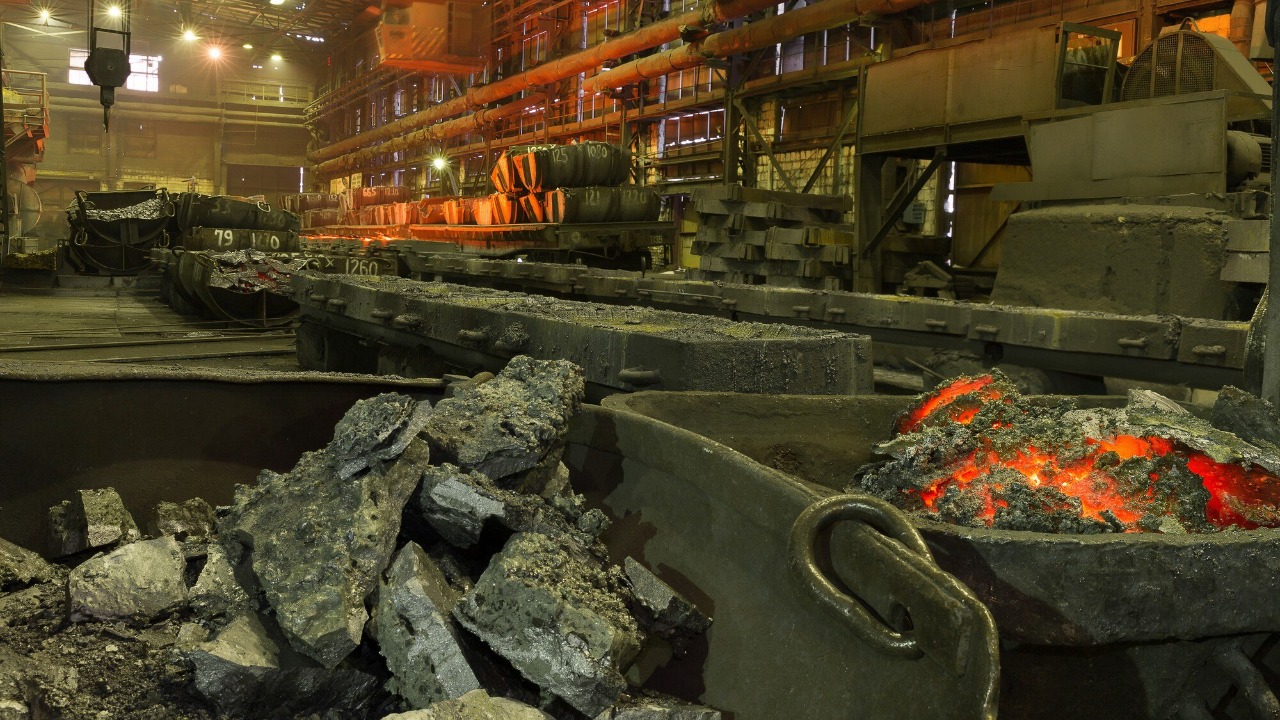
The discovery could also have broader market impacts, as it could influence the global supply and demand dynamics for iron ore. On the supply side, the increased production from Australia could lead to a surplus in the global iron ore market, which could put downward pressure on prices. On the demand side, the availability of high-quality iron ore could stimulate demand from steel producers, who are constantly seeking to improve the efficiency and environmental performance of their operations (The Express). Moreover, the discovery could also impact the investment landscape, as it could attract significant capital into the Australian mining sector, potentially leading to a boom in mining-related investments (Indian Defence Review).
