In a remarkable discovery that has the scientific community buzzing, researchers have uncovered 2.6 million golden eggs near an underwater volcano off the coast of Canada. This finding not only sheds light on previously unknown marine life but also opens new avenues for understanding the mysterious ecosystems thriving in such extreme environments.
The Discovery

The discovery took place in the depths of the Pacific Ocean, near an underwater volcano off the coast of Canada. This region, known for its volcanic activity, has long intrigued scientists. The golden eggs were uncovered using advanced remote-operated vehicles (ROVs) equipped with high-definition cameras and sampling tools. These technologies allowed researchers to explore the harsh and remote environment with precision and gather samples for further study.
The initial reactions from the scientific community and the media were nothing short of astonishment. As news of the discovery spread, experts from various fields expressed excitement about the potential implications for marine biology and volcanology. The discovery is significant because it opens a window into the unique ecosystems that exist in these extreme environments, which remain largely unexplored and poorly understood.
Understanding the importance of this discovery is crucial for both marine biology and volcanology. The presence of such a large number of eggs suggests a thriving ecosystem that may offer insights into the adaptations and survival strategies of marine species in extreme conditions. Additionally, studying the interactions between the volcanic activity and the surrounding marine life can provide valuable information about the resilience and biodiversity of these unique habitats.
The Mysterious Golden Eggs

The golden eggs are a fascinating sight to behold. Each egg is approximately the size of a marble, with a lustrous golden hue that reflects the light in a mesmerizing way. Their texture is smooth and slightly translucent, allowing glimpses of the developing embryos within. The sheer number of eggs found suggests that they play a significant role in the ecosystem surrounding the underwater volcano.
Scientists are currently exploring several hypotheses regarding the origins of these eggs. One possibility is that they belong to a previously unknown species of marine life that has adapted to the extreme conditions of the volcanic environment. Another theory is that they are the eggs of a known species, but their unique appearance and quantity suggest a specialized breeding strategy.
The role these eggs play in the ecosystem is still under investigation, but they likely serve as a crucial food source for other marine organisms. Additionally, the presence of such a large number of eggs indicates a successful reproductive strategy that enables the species to thrive despite the challenging conditions.
The Underwater Volcano Environment
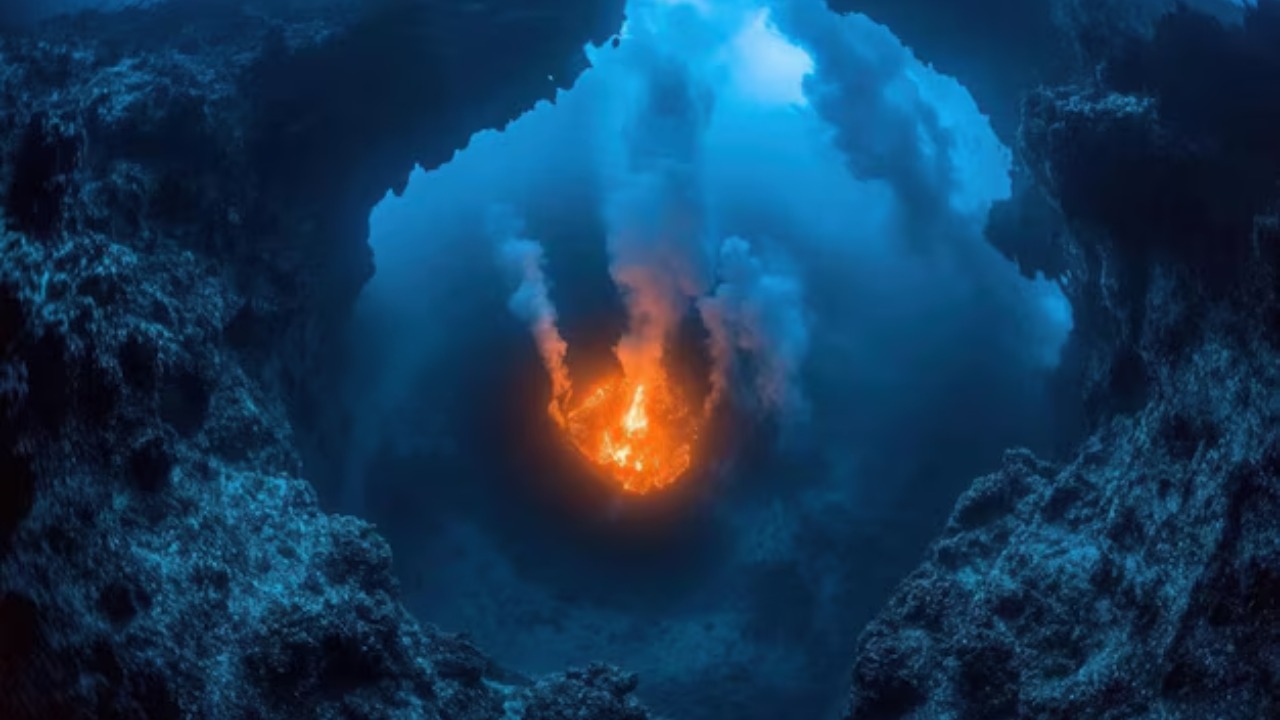
The underwater volcano off the coast of Canada is a dynamic and volatile environment characterized by frequent volcanic activity. This activity creates unique geological formations and provides a continuous supply of nutrients to the surrounding waters, supporting a diverse range of marine life. The heat and minerals released by the volcano create a habitat that is both challenging and nourishing for the organisms that call it home.
The extreme conditions of this underwater environment, including high pressure, low temperatures, and limited light, present significant challenges to marine species. However, these harsh conditions have also driven the evolution of specialized adaptations that enable these species to survive and thrive. Understanding these adaptations can provide valuable insights into the resilience of life in extreme environments.
The discovery of the golden eggs highlights the remarkable ability of marine species to adapt to and exploit the resources available in such harsh conditions. This adaptability is a testament to the resilience and diversity of life in the deep sea.
Implications for Science and Conservation

The discovery of the golden eggs has profound implications for our understanding of marine biodiversity. It suggests that there may be many more undiscovered species and ecosystems thriving in the depths of the ocean. This newfound knowledge can inform conservation efforts aimed at protecting these unique habitats and the species that inhabit them.
Conservation efforts are essential to preserve the delicate balance of these ecosystems, which are vulnerable to human activities such as deep-sea mining and climate change. Protecting these habitats ensures that the intricate web of life they support remains intact and can continue to provide valuable ecological services.
Future research inspired by this discovery will likely focus on exploring the genetic and physiological adaptations of the species associated with the golden eggs, as well as the broader ecological dynamics of the underwater volcano environment. These studies will contribute to a deeper understanding of the resilience and adaptability of life in extreme environments.
Technological Advances in Deep-Sea Exploration
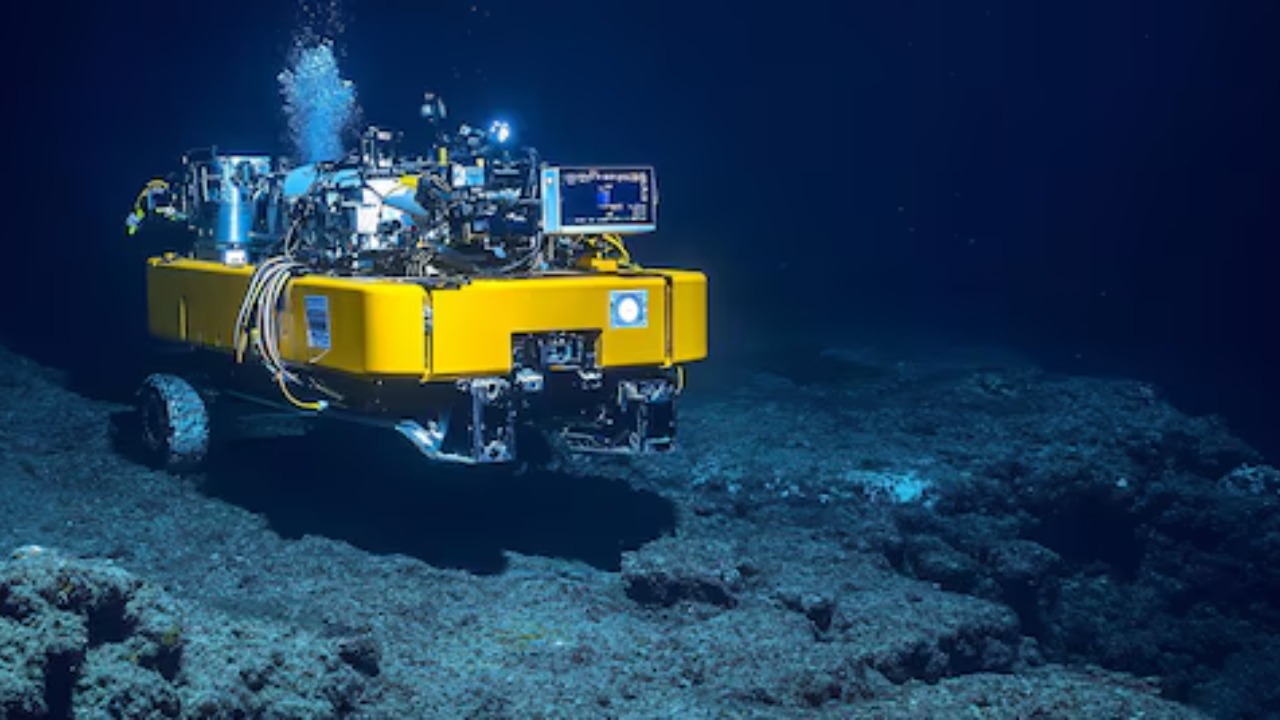
The discovery of the golden eggs was made possible by significant advancements in deep-sea exploration technology. Innovations such as submersibles and remote-operated vehicles (ROVs) equipped with high-resolution cameras and sophisticated sampling tools have revolutionized our ability to explore the ocean’s depths. These technologies allow scientists to overcome the challenges of exploring remote and hostile environments.
Despite these advancements, deep-sea exploration remains fraught with challenges. The extreme conditions, including high pressure and low temperatures, pose significant obstacles to both equipment and human explorers. However, the continued development of new technologies promises to enhance our understanding of deep-sea ecosystems and uncover more of the ocean’s hidden treasures.
Looking to the future, further technological innovations could enable more detailed and extensive exploration of the deep sea. These advancements will likely lead to new discoveries that expand our knowledge of marine life and the complex ecosystems that exist in the ocean’s depths.
